
Contents
Biography & Historical Record
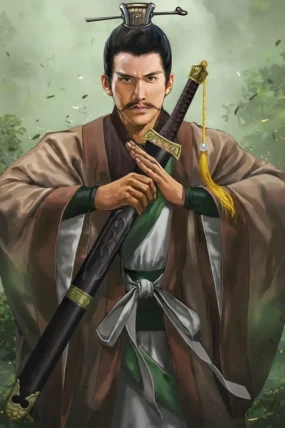
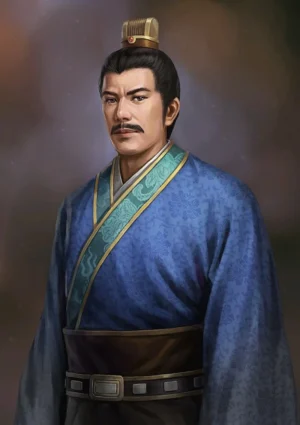
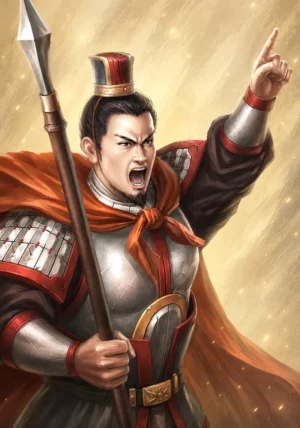
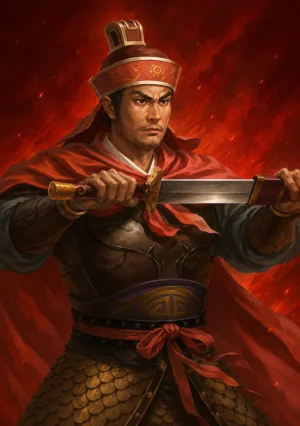
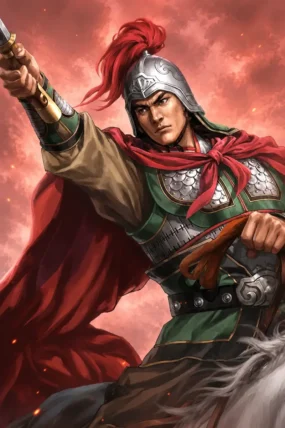
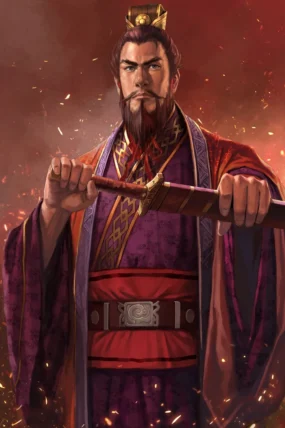
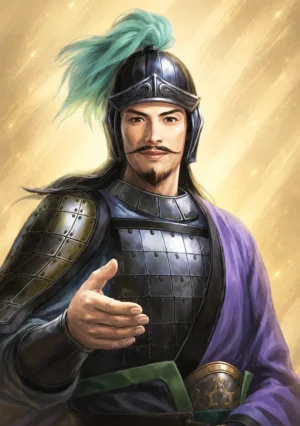
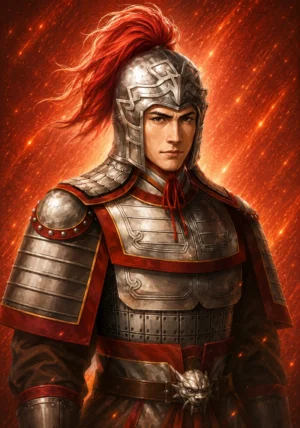
Sun Jiao, courtesy name Shulang, was a celebrated imperial general, garrison commander, and generous noble of the Eastern Wu state during the late Eastern Han dynasty and Three Kingdoms period. Born in Fuchun within Wu Commandery, Sun Jiao was the third son of Sun Jing (the younger brother of the founding martial hero Sun Jian) and a direct cousin of Eastern Wu’s founding monarch Sun Quan. Renowned for his imposing martial valor, magnetic personal generosity, deep affection for his soldiers, and keen appreciation for intellectual scholars, Sun Jiao steadily rose to become one of the premier military pillars of the Sun imperial clan, holding key commands including General Who Conquers the Barbarians (Zhengnan Jiangjun), Commander of the Xiakou Defense Garrison, and Marquis of Duting. Documented extensively in Chen Shou’s official dynastic history Records of the Three Kingdoms (Sanguozhi – Book of Wu, Biography of Zongshi / Sun Clan Kinsmen) and Sima Guang’s Zizhi Tongjian, Sun Jiao is historically celebrated for his vital operational command during the legendary invasion and pacification of southern Jing Province in 219.
From his early youth, Sun Jiao distinguished himself from other noble scions through his open-handed chivalry, extensive reading of military treatises, and extraordinary charisma. He treated the common foot soldiers and cavalrymen of his battalions with genuine warmth, frequently sharing his personal clothing, grain stipends, and medical supplies with wounded veterans. Sun Jiao actively sought out scholar-officials and renowned generals, establishing intimate, lifelong friendships with senior statesman Zhuge Jin and the ferocious naval veteran Gan Ning. Following the death of veteran general Cheng Pu, Sun Quan appointed Sun Jiao to succeed Cheng Pu as Commander of the vital strategic fortress of Xiakou, entrusting him with the defence of the middle reaches of the Yangtze River. Stationed at Xiakou, Sun Jiao governed the garrison with rigorous discipline and supreme benevolence, transforming the river outpost into an impregnable defensive bastion.
In 214, Sun Jiao accompanied Sun Quan and Grand Commander Lü Meng in the rapid amphibious assault against the Cao Wei fortress of Huan Castle (Wan County) in Lujiang Commandery. Coordinating tactical maneuvers alongside Gan Ning and Ling Tong, Sun Jiao led his assault divisions to breach the northern perimeter, capturing the Wei administrator Zhu Guang and securing tens of thousands of prisoners. In subsequent defensive confrontations against Cao Cao’s massive armies at Ruxukou, Sun Jiao repeatedly repulsed enemy reconnaissance detachments, earning widespread military renown.
In the autumn of 219, when Sun Quan mobilized Eastern Wu’s armed forces to execute a clandestine invasion of southern Jing Province while Guan Yu was engaged in the siege of Fancheng, Sun Quan initially intended to appoint Lü Meng and Sun Jiao as Joint Commanders-in-Chief (Left and Right Dudu). However, Lü Meng stepped forward to offer candid counsel, reminding Sun Quan that dual supreme command had previously caused friction between Zhou Yu and Cheng Pu at the Battle of Red Cliffs. Lü Meng urged the monarch to choose a single chief commander to preserve absolute unity of command. Sun Quan accepted the advice, appointing Lü Meng as Chief Commander while designating Sun Jiao to lead the crucial strategic reserve and rear reinforcement army. Advancing down the riverways behind Lü Meng’s disguised merchant fleets, Sun Jiao efficiently pacified the surrounding commanderies of Nanjun, treated the surrendered populace with exemplary fairness, maintained logistical supply security, and deployed interception divisions that severed Guan Yu’s retreat corridors toward Western Sichuan. Tragically, in the winter of 219, shortly after the total pacification of Jing Province and the capture of Guan Yu, Sun Jiao fell critically ill and passed away. Sun Quan mourned his beloved cousin with profound sorrow, showering his sons Sun Yin and Sun Xi with noble fiefdoms and high military commissions.
Role in Romance of the Three Kingdoms
In Chapters 73, 75, 76, and 77 of Luo Guanzhong’s classic 14th-century historical novel Romance of the Three Kingdoms, Sun Jiao is portrayed as a valiant and dependable imperial general of Eastern Wu whose command over the rear expeditionary divisions supports Lü Meng’s grand strategy to reclaim Jing Province.
In Chapter 73 and Chapter 75, as Guan Yu mounts his ferocious offensive against Cao Ren at Fancheng and inundates the Seven Armies of Yu Jin, Sun Quan holds high-level council in Jianye to plan the recovery of Jing Province. Sun Quan initially proposes to assign his valiant cousin Sun Jiao and Grand Commander Lü Meng to serve as co-commanders of the invasion armada. Lü Meng respectfully declines the joint command, advising: ‘If Your Majesty deems General Sun Jiao capable of supreme command, appoint him alone; if you deem me capable, appoint me. When Zhou Yu and Cheng Pu shared command in the past, conflicting orders nearly brought disaster. A military force cannot have two supreme heads.’ Understanding the wisdom of this principle, Sun Quan officially appoints Lü Meng as Commander-in-Chief and assigns Sun Jiao to command the heavy reinforcement army, tasked with securing transport arteries, managing provisions, and deploying tactical reserves.
In Chapter 76 and Chapter 77, the novel chronicles Sun Jiao’s diligent execution of his campaign duties. As Lü Meng captures Gong’an and Jiangling through his white-clothed crossing stratagem and Lu Xun sweeps through Zigui and Yiling, Sun Jiao leads the powerful rear reserve divisions to garrison the vital river crossings and consolidate territorial control. Sun Jiao enforces strict discipline among the occupying troops, preventing looting and distributing grain to the local inhabitants, which shatters the morale of Guan Yu’s remaining soldiers.
Furthermore, Sun Jiao deploys interception forces along the northern mountain passes, preventing Cao Wei reinforcements from exploiting the chaos while closing the net around Guan Yu’s desperate retreat to Maicheng. Luo Guanzhong highlights Sun Jiao’s steadfast execution of his rear command duties as an essential element of Eastern Wu’s greatest geopolitical triumph, commemorating him as a noble and capable general whose operational harmony with Lü Meng ensured the seamless recapture of the southern riverlands.
Sun Jiao (孫皎) — Historical & Literary Timeline
Assault on Huan Castle & Xiakou Garrison Command
Participates in the storming of Huan Castle alongside Lü Meng and Gan Ning, capturing Zhu Guang; appointed to succeed Cheng Pu as Commander of the vital Xiakou defense hub.
Appointed Commander of the Strategic Reserve Army
Proposed as co-commander before Lü Meng advises single supreme command; commissioned to lead the grand rear reinforcement divisions and logistical supply lines for the campaign.
Securing Captured Commanderies & Early Demise
Pacifies Nanjun, maintains strict troop discipline, and cuts off Guan Yu’s northern retreat routes; passes away of illness in the winter of 219 following the victory, deeply mourned by Sun Quan.
Key Relationships
Family
- Sun Zhong (孙钟, Tôn Chung): Paternal grandfather. Ancestral founder of the Sun clan of Fuchun in Wu Commandery.
- Sun Jian (孙坚, Tôn Kiên): Paternal uncle. Posthumously Emperor Wulie, the famed “Tiger of Jiangdong”.
- Sun Jing (孙静, Tôn Tĩnh): Father. Younger brother of Sun Jian and senior founding general of the early Sun family army.
- Sun Ce (孙策, Tôn Sách): Paternal first cousin. Posthumously Prince Huan of Changsha, conqueror of Jiangdong.
- Sun Quan (孙权, Tôn Quyền): Paternal first cousin. Founding Emperor Da of Eastern Wu who entrusted Sun Jiao with high military commands including General Who Guards the Army (Zhenwu Jiangjun) and Commander of Xiakou.
- Sun Gao (孙暠, Tôn Hạo): Eldest brother. Senior officer in the early Sun army.
- Sun Yu (孙瑜, Tôn Du): Second brother. General Who Conquers the Barbarians (Fenwei Jiangjun) and Grand Administrator of Danyang.
- Sun Huan (孙奂, Tôn Hoán): Fourth brother. General of Agile Cavalry and Marquis of Shating who commanded Jiangling.
- Sun You (孙谦 / 孙幼, Tôn Ấu): Younger brother. Military officer who served in Eastern Wu.
- Sun Yin (孙胤, Tôn Dận): Eldest son. Inherited Sun Jiao’s troops and the noble title of Marquis of Danyang.
- Sun Xi (孙晞, Tôn Hy): Second son. Military commander who inherited troop divisions in Eastern Wu.
- Sun Zi (孙咨, Tôn Tư): Third son. Senior general of Agile Cavalry in Eastern Wu.
- Sun Mi (孙弥, Tôn Di): Fourth son. Military officer of Eastern Wu.
- Sun Yi (孙仪, Tôn Nghi): Fifth son. General of Valiant Cavalry who plotted to assassinate the tyrant Sun Jun in 255 AD.
Friends
- Lü Meng (吕蒙, Lữ Mông): Grand Commander of Eastern Wu. Respected Sun Jiao’s martial capability; when Sun Quan proposed joint supreme command for the Jing Province campaign in 219 AD, Lü Meng persuaded Sun Quan to designate a single commander while appointing Sun Jiao as supreme reserve commander, achieving seamless victory.
- Zhuge Jin (诸葛瑾, Gia Cát Cẩn): Grand Tutor and senior statesman. Formed a profound intellectual friendship with Sun Jiao, engaging in classical discussions on governance and military ethics.
- Gan Ning (甘宁, Cam Ninh): Famed veteran naval general. Though Gan Ning was fiercely proud and clashed with other generals, he formed a deep mutual bond of camaraderie and respect with Sun Jiao.
- Lu Xun (陆逊, Lục Tốn): Master strategist of Wu. Coordinated the western pacification of Zigui and Yiling during the 219 AD Jing Province campaign alongside Sun Jiao’s reserve armies.
- Cheng Pu (程普, Trình Phổ): Founding Grand General of Wu. Sun Jiao succeeded Cheng Pu as Commander of the strategic river fortress of Xiakou, governing the territory with exceptional benevolence and discipline.
Enemies
- Guan Yu (关羽, Quan Vũ): Supreme military commander and God of War of Shu Han. Sun Jiao commanded the primary reserve armies and rear interception columns during the covert invasion of Jing Province (219 AD), severing Guan Yu’s retreat to Maicheng.
- Zhu Guang (朱光, Chu Quang): Cao Wei Grand Administrator of Lujiang. Stationed at Huan Castle (Huancheng); captured when Sun Jiao, Lü Meng, and Gan Ning breached the fortifications in a single morning (214 AD).
- Cao Cao (曹操, Tào Tháo): King of Wei. Launched massive northern invasions against Ruxukou (213 and 217 AD), which were staunchly repulsed by Sun Jiao’s elite garrison divisions.
Others
- No information
In Novel
Chapter 51
- Sun Jiao (孙皎, Tôn Kiểu): Sun Jiao is one of Sun Quan’s senior commanders. He commands Wu forces during the conflict with Liu Bei and is involved in the defense of Jingzhou. His military position makes him one of the important Sun family commanders alongside Lu Meng and other Wu generals.
Chapter 55
- Sun Jiao (孙皎, Tôn Kiểu): Sun Jiao continues to command Wu forces during the struggle for Jingzhou. He is involved in the military arrangements surrounding the conflict between Wu and Liu Bei’s forces.
History
Summary
- Sun Jiao (孙皎, Tôn Kiểu) was a prominent general of Eastern Wu and a member of the Sun family.
Military Career
- Sun Jiao held command in the western territories of Wu and was involved in the wars against Shu and Wei.
- He served alongside and in rivalry with other leading Wu commanders, including Lü Meng.
Death
- Sun Jiao died during the later period of Sun Quan’s reign after a successful military career.
Classification
- Historical.
