
Contents
The Exegesis of Filial Virtue: Commentary on the Classic of Filial Piety
The Masterwork of Moral Governance and Confucian Exegesis in the Three Kingdoms
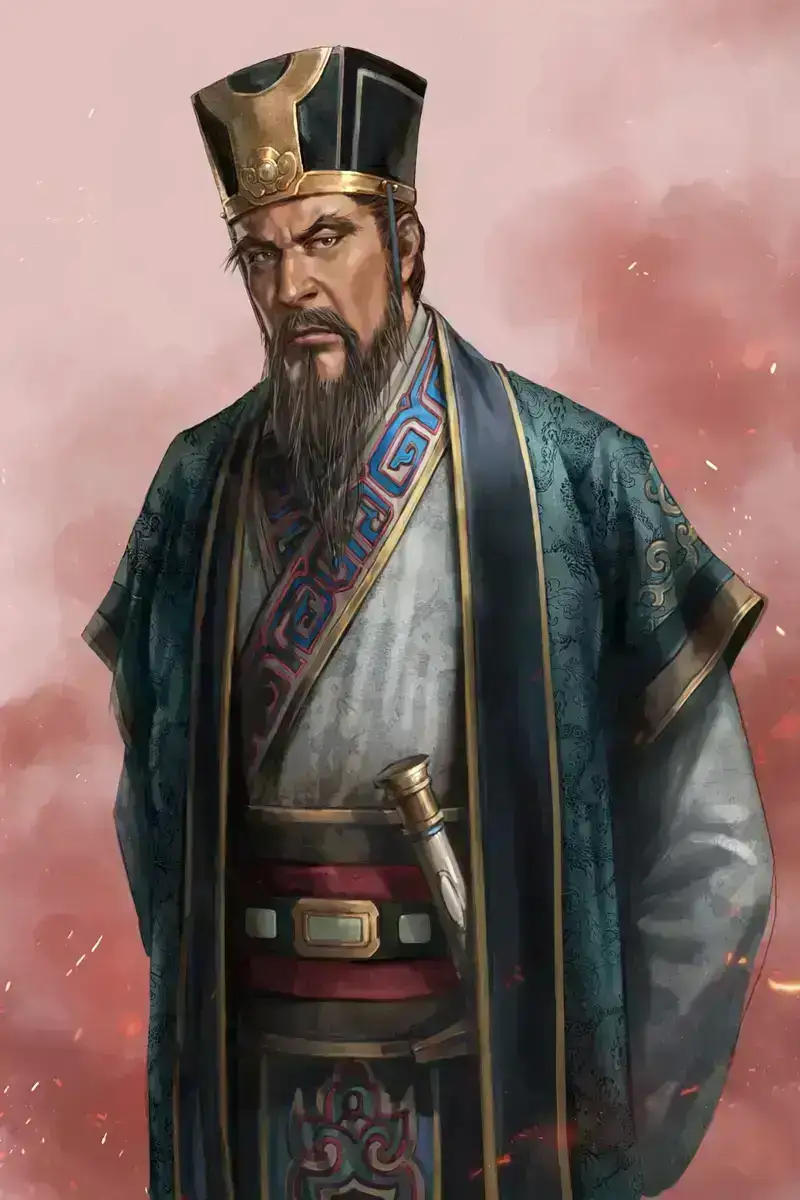
Throughout the turbulence of the late Han and the Three Kingdoms era, when dynastic usurpations and bloody rebellions tore the empire asunder, Confucian scholars sought to re-anchor society upon its most sacred bedrock: the virtue of filial piety (孝, Xiào). Prominent among the great classical texts revised and expounded during this era was the Commentary on the Classic of Filial Piety (孝经传, Xiàojīng Zhuàn, Hiếu Kinh Truyện). Authored and illuminated by venerable southern scholars—most notably the revered Eastern Wu minister and classicist Yan Jun (严畯, Nghiêm Tuấn / courtesy name: Mancai, 曼才) alongside the exegetical traditions of Zheng Xuan—this monumental work served as the ethical compass for rulers seeking to legitimize their newly founded dynasties.
“Filial piety begins in serving one’s parents, culminates in serving the sovereign, and finds its ultimate perfection in establishing one’s moral virtue for future generations.”
(孝悌之至,通于神明,光于四海,无所不施, Xiàotì zhī zhì, tōng yú shénmíng, guāng yú sìhǎi, wú suǒ bù shī)

Commentary on the Classic of Filial Piety (孝经传, Xiaojing Zhuan) — The Revered Ethical and Political Exegesis of the Eastern Wu Court
Far beyond a private family obligation, filial piety in the Three Kingdoms was elevated into the supreme philosophy of political loyalty. Warlords recruited officials who had earned reputations as “Filial and Incorrupt” (孝廉, Xiaolian), using the doctrines of the Xiaojing to transition battle-hardened warlord realms into civilized imperial states.

1. Etymology and Moral Heritage
The title Xiàojīng Zhuàn denotes a canonical exposition of the primary moral virtue of Chinese civilization:
- Xiào Jīng (孝经): The Classic of Filial Piety, traditionally attributed to Confucius and his disciple Zengzi. It stands unique among ancient Chinese canons as a direct treatise defining how familial love translates into unyielding civic and military loyalty to the state.
- Zhuàn (传): Translates to “Commentary,” “Exegesis,” or “Tradition.” Ancient commentaries provided essential contextual guidance, decoding archaic terms and adapting universal moral principles to the pressing political realities of the current dynasty.
- The Southern Classical Tradition: While northern scholars in Wei grappled with legalism and metaphysical Xuanxue, Jiangdong scholars in Eastern Wu under Sun Quan distinguished themselves by preserving pure Han Confucian rituals, emphasizing filial virtue as a counterweight against northern cultural superiority.
2. Scholarly Contributions of Yan Jun and the Eastern Wu Academy
In the official records of Eastern Wu (Wu Shu / 吴书), Yan Jun is celebrated as a paragon of scholarly humility, scholarship, and moral fortitude:
- Authorship and Compilation: Yan Jun composed the Xiaojing Zhuan (孝经传) and the Chaoxi Xian (潮夕宪), dedicating decades to analyzing the societal impacts of filial obligation and civic duty.
- Refusal of Military Command: When Sun Quan offered Yan Jun a grand military command following the death of Lu Su, Yan Jun weeping declined, humbly insisting that his talents lay exclusively in classical learning and moral instruction rather than wielding weapons of slaughter.
- Education of Royal Heirs: The text was employed directly in the imperial tuition of Crown Prince Sun Deng and royal princes, instilling respectful governance and ancestral reverences into the future leadership of the southern empire.
3. Political and Ideological Impact in the Three Kingdoms
The promulgation of the Commentary on the Classic of Filial Piety fulfilled essential state-building objectives across the realm:
- Transforming “Filial Children” into “Loyal Ministers” (Yǐ Xiào Zuò Zhōng / 以孝作忠): Established that an individual who reveres their parents will never commit treason or abandon their comrades on the battlefield.
- Consolidating the Great Southern Clans: Eastern Wu’s stability relied on the delicate cooperation of aristocratic families (the Gu, Lu, Yu, and Zhang clans). The Xiaojing provided a shared moral vocabulary that bridged court politics and ancestral clan traditions.
- Legal Protections for Mourning Rites: Reinforced statutory provisions excusing military officers and civil officials from immediate duties to observe the traditional three-year mourning period for departed parents, asserting humanistic virtue over ruthless military mobilization.
Summary of Profile Details
| Aspect | Historical, Ethical & Textual Details |
| Chinese Name | 孝经传 (Xiàojīng Zhuàn) |
| Vietnamese Name | Hiếu Kinh Truyện |
| English Names | Commentary on the Classic of Filial Piety / Exegesis of the Filial Canon |
| Primary Associated Scholar | Yan Jun (严畯 / courtesy name: Mancai, 曼才) of Eastern Wu |
| Textual Category | Confucian Ethical Canon / Moral Statecraft Commentary |
| Dynastic Era | Eastern Wu / Three Kingdoms Era (early 3rd century AD) |
| Core Moral Philosophy | “Serving one’s parents at home transforms into unshakeable loyalty to the sovereign abroad.” |
| Primary Patron Court | The Court of Sun Quan (Eastern Wu) |
| Core Symbolism | Filial Piety, Ancestral Reverence, Moral Legitimacy, Harmonious Governance |
Historical Legacy
- The Bedrock of State Legitimacy: Throughout the violent transitions of the Three Kingdoms, all three regimes—Wei, Shu, and Wu—vigorously promoted the Classic of Filial Piety to prove they were rightful heirs to the Mandate of Heaven rather than opportunistic warlords.
- Enduring Resonance: Yan Jun’s scholarship in Eastern Wu demonstrated that amidst constant naval warfare and southern frontier expansion, the flame of profound classical learning burned brightly south of the Yangtze River.
For detailed historical records, archives, and official chronicles, explore Sun Quan on Wikipedia.