
Contents
Biography & Historical Record
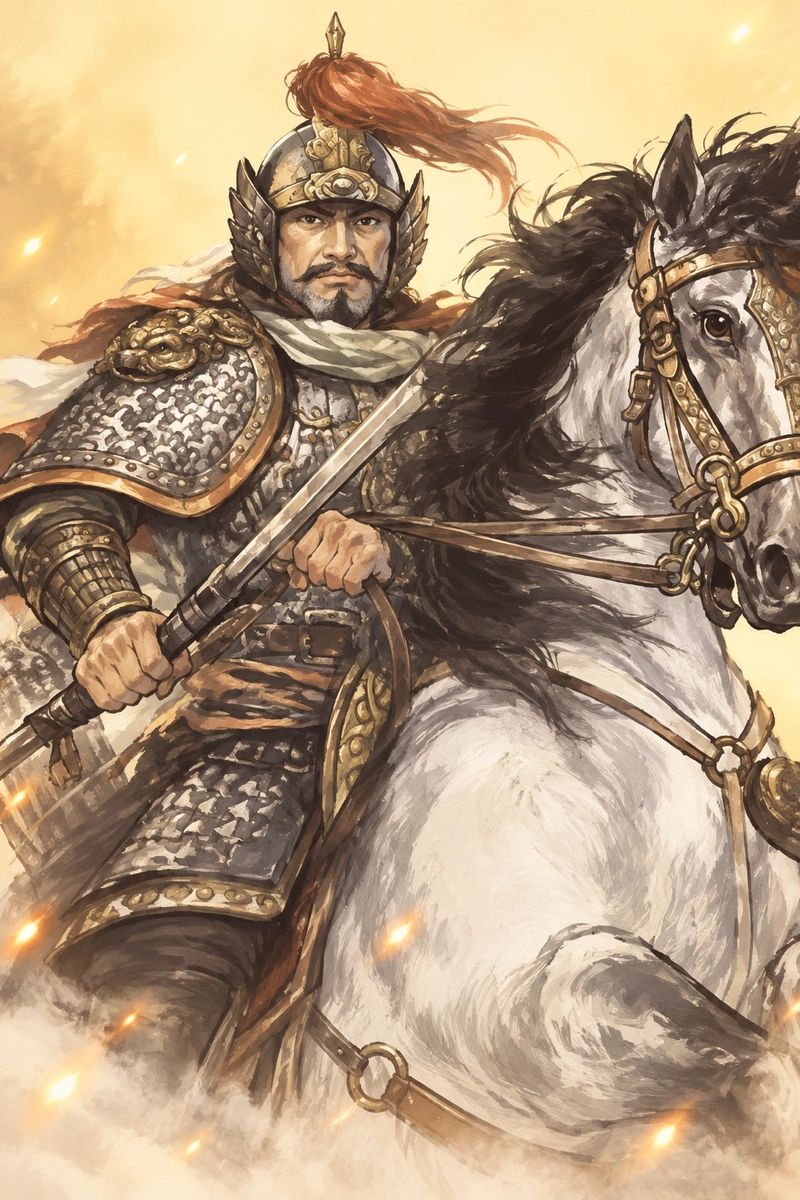
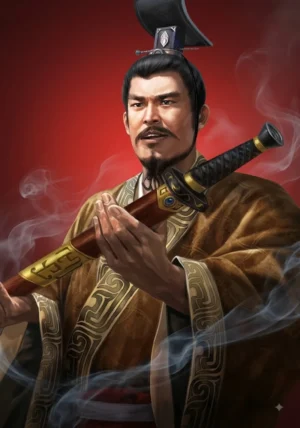
Lord Lanling of Chu (兰陵君, Lan Lăng Quân), personal name Xiong (熊氏), was a royal prince and prominent feudal lord of the State of Chu (楚国) during the Late Warring States period. He was a son of Xiong Yi (King Huai of Chu / 楚怀王) and a brother of King Qingxiang of Chu (楚顷襄王). He was enfeoffed with the strategic and culturally venerable domain of Lanling (兰陵) — an ancient eastern territory in present-day southern Shandong, adjacent to the historic lands of Lu and Qi.
Under his benevolent governance, Lanling became a flourishing center of Confucian classical learning and statecraft in the southern realm. Lord Lanling’s most celebrated historical action was his patronage and appointment of the eminent Confucian master Xunzi (荀子, Tuân Tử / Xun Kuang) as the magistrate of Lanling on two separate occasions. Through Lord Lanling’s protection and generous subsidies, Xunzi was able to compose his monumental philosophical treatise and instruct renowned disciples including Han Feizi and Li Si.
Role in Romance & Classical Literature
“When the great master Xun Qing lost office in Qi, Lord Lanling invited him to govern Lanling. Through two tenures of virtuous administration, the rites and music of the ancients flourished in the southern borders of Chu.”
— Shiji (Biography of Mengzi and Xun Qing)
Lord Lanling is celebrated in both historical annals and classical drama as an enlightened patron who preserved Confucian orthodox education amidst the fierce military destruction of the Warring States. Even when regional factions and slander temporarily caused Xunzi to depart for the State of Zhao, Lord Lanling personally dispatched envoys with humble apologies, reinstating the sage to govern Lanling until Xunzi’s death.
Lord Lanling of Chu (兰陵君) — Historical Timeline
Enfeoffment at Lanling
Invested with the ancient fief of Lanling, establishing an autonomous princely court committed to classical governance and agricultural rehabilitation.
Appointment of Xunzi
Invites Xunzi to serve as chief magistrate of Lanling, creating an intellectual sanctuary that attracted scholars and statesmen from throughout the central plains.
Enduring Cultural Legacy
Continues protecting Xunzi’s academy until the philosopher’s passing, permanently cementing Lanling’s renown as the northern capital of Chu humanist learning.
Key Relationships
Family
- Father: Xiong Yi (King Huai of Chu) (熊槐 / 楚怀王) — Tragic monarch of Chu who perished in Qin captivity.
- Mother: Queen Zheng Xiu (郑袖, Trịnh Tụ) — Influential consort of King Huai of Chu.
- Brother: King Qingxiang of Chu (楚顷襄王) — Successor king of Chu during Qin’s southern incursions.
Friends / Allies
- Protege & Magistrate: Xunzi (荀子, Tuân Tử) — Master philosopher appointed magistrate of Lanling; mentor to Han Fei and Li Si.
- Statesman: Qu Yuan (屈原, Khuất Nguyên) — Loyal poet and minister of Chu who lamented the downfall of the royal house.
Enemies / Rivals
- Aggressor: King Zhaoxiang of Qin (秦昭襄王) — Qin monarch whose aggressive expansion shattered Chu’s capital at Ying.
- Qin General: Bai Qi (白起, Bạch Khởi) — Supreme commander of Qin who flooded Ying and drove the Chu court eastward.
Other
- Students of Lanling: Han Feizi (韩非子) and Li Si (李斯) — The premier legalist thinkers who studied under Xunzi in Lord Lanling’s territory.
In Historical Lore
Records of the Eastern Zhou
- Lord Lanling of Chu (兰陵君, Lan Lăng Quân): Celebrated for his unwavering respect towards venerable scholars, repeatedly defending Xunzi against court intrigue and establishing the cultural prestige of Lanling.
In History
Summary
- Lord Lanling (兰陵君) was the Chu feudal lord whose appointment of Xunzi as Magistrate of Lanling (兰陵令) in 255 BC fundamentally shaped the transmission of classical Confucianism into the Qin and Han imperial dynasties.
Historical Record
- Records of the Grand Historian (史记), Volume 74 (Biographies of Mencius and Xun Qing / 孟子荀卿列传): Explicitly documents Lord Lanling’s patronage, the slanders that temporarily dislodged Xunzi, and his subsequent reinstatement.
- Zhan Guo Ce (战国策), Chu Records: Documents diplomatic correspondence regarding Chu’s northern territories.