


Contents
Biography & Historical Record
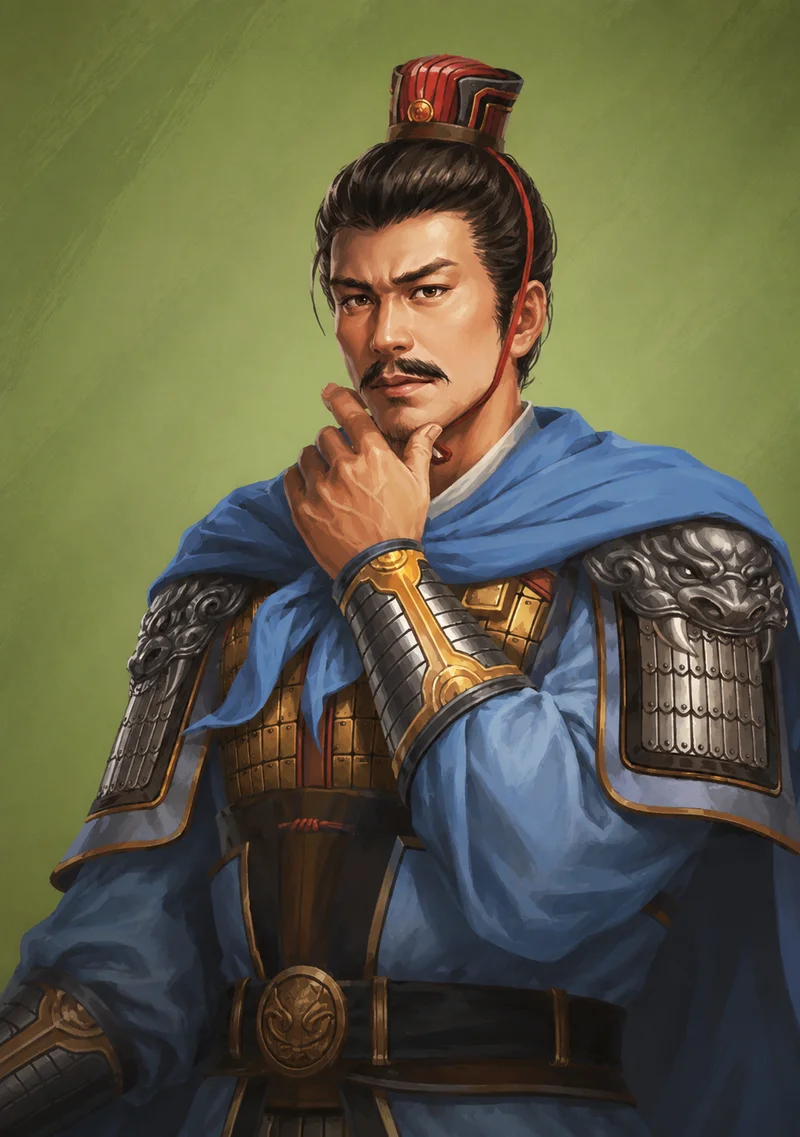
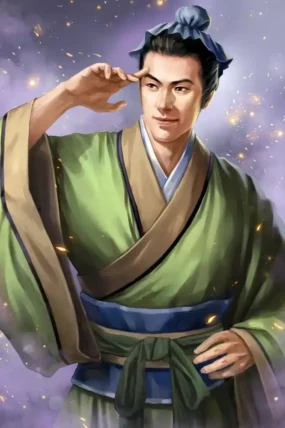
He Miao, courtesy name Shuda (originally named Zhu Miao before taking his stepfather’s surname), was a powerful Eastern Han dynasty military commander, Senior General of Chariots and Cavalry (Cheqi Jiangjun), and influential consort relative during the chaotic late Han period. Hailing from Wan County in Nanyang Commandery (modern-day Nanyang, Henan Province), he was the maternal half-brother of Grand General He Jin and Empress He (wife of Emperor Ling). Documented in Fan Ye’s Book of Later Han (Hou Han Shu – Biography of He Jin) and Luo Guanzhong’s classic historical novel Romance of the Three Kingdoms, He Miao rose to supreme political prominence in 189 AD, serving as a key figure in the inner court struggle between the consort faction and the Ten Eunuchs that ultimately triggered the collapse of the Eastern Han central government.
Following the death of Emperor Ling in May 189 AD, Empress He’s son Liu Bian ascended the throne as Emperor Shao, elevating He Jin to Grand General and He Miao to Senior General of Chariots and Cavalry. As Grand General He Jin allied with Yuan Shao and the young gentry faction to plan the total extermination of the Ten Eunuchs (Shi Changshi), the terrified eunuch leaders, headed by Zhang Rang and Duan Gui, sought self-preservation. Recognizing He Miao’s greed and jealousy toward his half-brother He Jin, Zhang Rang dispatched agents carrying vast fortunes in gold, jade, and precious silks to bribe He Miao and his mother, Lady Wuyang. Corrupted by these lavish bribes, He Miao consistently intervened at court, pleading with Empress He and arguing before He Jin that the eunuchs were ancient servants of the state whose slaughter would destabilize the empire.
He Miao’s political interference created fatal delays in He Jin’s military plans, giving the eunuchs enough time to stage a desperate counter-coup. In September 189 AD, Zhang Rang and his faction lured He Jin into the palace under false imperial summons and assassinated him outside the hall. News of He Jin’s murder sparked a violent military uprising as He Jin’s subordinate officers Wu Kuang and Zhang Zhang, alongside Yuan Shao and Yuan Shu, breached the imperial palace gates with elite guards to slaughter the eunuchs. Amidst the inferno and chaotic purging of the inner court, Wu Kuang spotted He Miao standing bewildered in the dragon courtyard. Denouncing He Miao for taking eunuch bribes and conspiring in He Jin’s death, Wu Kuang rallied the guards. He Miao was surrounded, cut down, and hacked into pieces on the palace steps. His remains were left exposed to scavengers, and his entire estate was confiscated by the state.
Role in Romance of the Three Kingdoms
In Luo Guanzhong’s novel Romance of the Three Kingdoms, He Miao appears in Chapter 2 and Chapter 3 as a corrupt and tragic consort official. When Grand General He Jin resolves to eradicate the Ten Eunuchs upon Yuan Shao’s advice, chief eunuch Zhang Rang bribes He Miao and Lady Wuyang with treasures. He Miao repeatedly obstructs He Jin, saying: ‘The Grand General supports the new sovereign, yet engages in slaughter instead of virtue. Zhang Rang and the others are veteran ministers; killing them will bring chaos!’ This interference delays He Jin, allowing Zhang Rang to ambush and decapitate He Jin inside the palace. When Yuan Shao and Wu Kuang storm the palace to avenge He Jin in Chapter 3, Wu Kuang spots He Miao and shouts: ‘You took bribes from the traitors and conspired to murder your own brother! Heaven and earth cannot tolerate your crime!’ Wu Kuang and his soldiers surround He Miao, hacking him into a thousand pieces on the courtyard steps.
He Miao (何苗) — Historical & Literary Timeline
Appointment as Chariots and Cavalry General & Eunuch Bribes
Elevated to General of Chariots and Cavalry upon Emperor Shao’s ascension; accepts lavish bribes from Zhang Rang and the Ten Eunuchs to oppose He Jin’s plan to exterminate them.
Intervening in Court and Delaying the Purge
Counsels Empress He and argues with He Jin against executing the eunuchs, creating fatal political delays that allow the Ten Eunuchs to organize their counter-coup.
Assassination of He Jin & Palace Invasion by Wu Kuang
Witnesses the palace chaos following He Jin’s assassination; cornered in the dragon courtyard by He Jin’s furious officer Wu Kuang and Yuan Shao’s troops.
Hacked to Pieces in the Palace Courtyard
Denounced for treason and fratricide by Wu Kuang; hacked into pieces on the palace steps by imperial guards, his remains exposed and property confiscated.
For detailed historical records, archives, and official chronicles, explore He Miao on Wikipedia.
Key Relationships
Family
- Lady Wuyang (舞阳君, Vũ Dương quân): Mother, who jointly received massive bribes of gold, jade, and silks from the Ten Eunuchs and collaborated with He Miao to advocate for their safety at court.
- He Jin (何进, Hà Tiến): Maternal half-brother and Grand General; He Miao grew resentful and jealous of his supreme authority, repeatedly sabotaging his plans to purge the eunuchs, which inadvertently led to He Jin’s assassination in 189 AD.
- Empress He (何太后, Hà Thái hậu): Maternal half-sister and Empress Dowager; He Miao consistently lobbied and persuaded her to oppose He Jin’s military decrees and protect the eunuchs.
- Liu Bian (刘辩, Lưu Biện): Nephew (Emperor Shao of Han); upon his enthronement in 189 AD, He Miao was promoted to the prestigious rank of Senior General of Chariots and Cavalry.
Friends
- Zhang Rang (张让, Trương Nhượng): Leader of the Ten Eunuchs who lavishly bribed He Miao to secure his political intervention against He Jin’s extermination plans in 189 AD.
- Duan Gui (段珪, Đoạn Khuê): Prominent eunuch leader who partnered with Zhang Rang to bribe He Miao and exploit his greed to stall the gentry faction’s purge.
Enemies
- Wu Kuang (吴匡, Ngô Khuông): Military subordinate of He Jin who, following He Jin’s murder in 189 AD, publicly denounced He Miao for taking bribes and complicity in fratricide, leading troops to surround He Miao and hack him to pieces on the palace steps.
- Yuan Shao (袁绍, Viên Thiệu): Gentry faction leader and anti-eunuch strategist whose military initiatives He Miao persistently obstructed, and who led the storming of the imperial palace in 189 AD that culminated in He Miao’s destruction.
- Yuan Shu (袁术, Viên Thuật): Imperial commander who joined the assault on the palace gates in 189 AD to eradicate the eunuchs and punish their collaborators following He Jin’s death.
Other
- Emperor Ling of Han (汉灵帝, Hán Linh Đế): Late emperor whose death in May 189 AD set off the explosive succession struggle and palace factional warfare that propelled He Miao to supreme political influence.
In Novel
Chapter 2
- He Miao (何苗, Hé Miáo): He Miao is He Jin’s younger brother and holds the office of Cavalry General. The Ten Attendants, especially Zhang Rang and Duan Gui, bribe He Miao and his mother so that they can influence Empress Dowager He. When He Jin plans to destroy the eunuchs, He Miao repeatedly argues that the plan should be stopped, warning the Empress Dowager against allowing her brother to carry out the purge.
Chapter 3
- He Miao (何苗, Hé Miáo): After Zhang Rang and the other eunuchs murder He Jin, Yuan Shao’s forces enter the palace and begin killing the eunuchs. He Miao is regarded as a collaborator because of his earlier protection of the Ten Attendants. Wu Kuang attacks him during the palace fighting and kills him. His body is left among the victims of the palace massacre.
In History
Summary
- He Miao (何苗, Hà Miêu), also known as He Jin’s maternal half-brother, was a Han general and political figure during the final crisis of the Eastern Han court.
Family and Position
- He Miao was the maternal half-brother of General-in-Chief He Jin and therefore belonged to the powerful He family that rose through Empress He.
- He held military office in Luoyang and became involved in the factional struggle between the eunuchs and the court officials.
Fall of the He Family
- When He Jin was assassinated by the eunuchs in 189, He Miao was accused of having supported or sympathized with the eunuch faction.
- He was subsequently killed during the violent collapse of the He family’s political position.
Historical Record
- Classification: Historical. His death belongs to the chain of events that opened the way for Dong Zhuo’s intervention in the capital.