
Contents
Biography & Historical Record
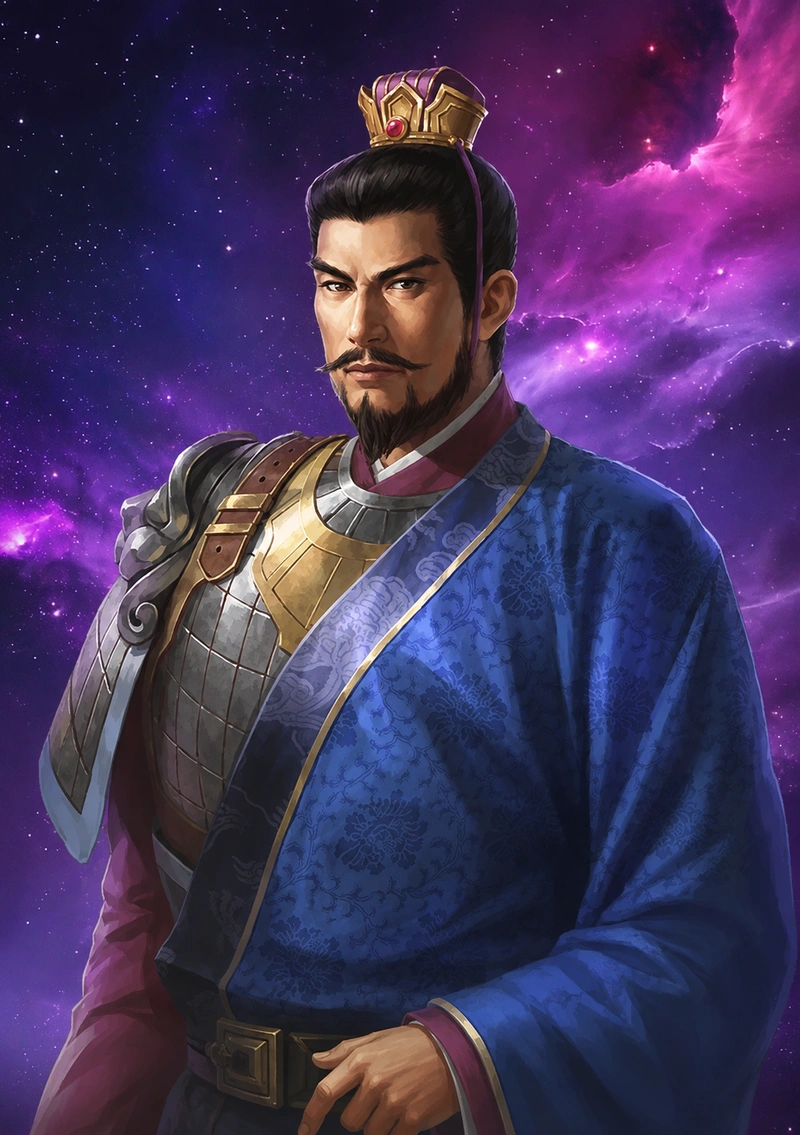
Wang Si, courtesy name Chengzong, was an exemplary Shu Han senior military commander, regional administrator, and diplomat renowned for his virtue, trustworthiness, and exceptional ability to pacify and govern non-Han ethnic tribes along the northern frontier. Hailing from Sizhong County in Qianwei Commandery (modern-day Sichuan Province), Wang Si was celebrated throughout the Three Kingdoms period for ruling with benevolence and absolute integrity, earning the deep devotion and reverence of the northern nomadic tribes—such as the Qiang and Hu—who treated him like a beloved father. Documented in Chen Shou’s official dynastic history Records of the Three Kingdoms (Sanguozhi – Book of Shu, Biography of Jiang Wei), Wang Si historically served as an indispensable pillar of the Shu Han state, securing the northern marches and organizing vital logistical and cavalry support for Jiang Wei’s relentless Northern Expeditions before sacrificing his life in active campaign.
During the reign of Emperor Liu Shan, the northern border commandery of Wenshan frequently suffered from ethnic tensions and skirmishes between the Han Chinese population and various nomadic tribes. To restore regional stability, the Shu Han court appointed Wang Si as the Administrator of Wenshan (Wenshan Taishou) and General Who Pacifies Distant Lands (Anxian Jiangjun). Eschewing heavy-handed military repression, Wang Si implemented an enlightened policy rooted in virtue and trust. He reformed tax burdens, protected local agriculture, and acted as a fair arbitrator in tribal disputes. His genuine compassion and unblemished fairness touched the hearts of the Qiang and Hu chieftains, prompting tens of thousands of nomadic warriors and civilians to pledge unshakeable loyalty to the Shu Han throne. Consequently, the northern frontier remained entirely peaceful and prosperous for decades under his administration.
As the Shu Han regent Jiang Wei repeatedly launched ambitious Northern Expeditions against Cao Wei, the state faced severe shortages of warhorses, armor, and logistical provisions. Leveraging his immense personal prestige among the northern tribes, Wang Si successfully negotiated and organized the voluntary contribution of thousands of elite cavalry horses, military provisions, and armaments from the Qiang and Hu peoples, providing crucial logistical reinforcement to the Shu frontline armies. Recognizing his outstanding service and military capability, the court promoted him to General of the Pacification Army (Zhenjun Jiangjun) and dispatched him to serve directly under Jiang Wei on active military campaigns. During a fierce, large-scale engagement against Wei forces, Wang Si personally led the vanguard in battle and sustained a severe arrow wound through his armor. Due to the deep infection of his battle wound, he passed away months later while retreating with the army.
Upon the return of Wang Si’s funeral cortege to the Chengdu capital, an unprecedented scene of public grief unfolded. Thousands of Qiang and Hu chieftains, warriors, and commoners rushed from the remote mountains to pay their final respects, weeping bitterly and slashing their faces in traditional mourning rituals. So profound was their devotion that many foreign tribesmen formally knelt to bind themselves in ritual brotherhood with Wang Si’s surviving family members to observe formal mourning rites. His legacy remained an immortal testament to the power of virtue in pacifying the frontier.
Famous Quotes & Historical Sayings
In the historical records of Records of the Three Kingdoms (Sanguozhi – Book of Shu), historian Chen Shou and local dynastic chronicles recorded the extraordinary public mourning for Wang Si: ‘When the coffin of the Pacification General Wang Si returned to the capital, thousands of Qiang and Hu tribesmen from deep within the mountains gathered spontaneously to mourn. They wept with overwhelming grief, some even carving their faces to let blood in testimony of their sorrow. Thousands of foreigners willingly formed brotherhood ties with his kin to observe the mourning period. Wang Si’s ability to win the hearts of the border peoples through absolute virtue created an unbreakable wall that safeguarded the realm for decades.’
Wang Si (王嗣) — Historical & Literary Timeline
Administrator of Wenshan & Frontier Pacification
Appointed Administrator of Wenshan and General Who Pacifies Distant Lands; successfully pacifies ethnic tensions along the northern frontier through enlightened governance, winning the absolute loyalty of the Qiang and Hu tribes.
Securing Logistical Support for Northern Expeditions
Utilizes his immense personal prestige among northern tribes to secure thousands of elite warhorses and crucial logistical provisions for Jiang Wei’s Northern Expeditions.
Promoted to Pacification General & Battle Wounds
Promoted to Pacification General (Zhenjun Jiangjun); joins Jiang Wei on frontline military campaigns against Cao Wei and sustains a fatal arrow wound in combat.
Passing Away on Campaign & Tribal Mourning
Passes away from infection during the army’s retreat; mourned by thousands of weeping Qiang and Hu tribesmen who gather to honor his memory in Chengdu.
For detailed historical records, archives, and official chronicles, explore Wang Si on Wikipedia.
Key Relationships
Family
- No information
Friends
- Jiang Wei (姜维, Khương Duy) – Shu Han Regent and Grand General; Wang Si leveraged his prestige among the northern tribes to mobilize thousands of warhorses and vital provisions for Jiang Wei’s Northern Expeditions, later serving directly under his frontline command as a vanguard general until suffering a fatal combat wound.
Enemies
- No information
Other
- Liu Shan (刘禅, Lưu Thiền) – Second Emperor of Shu Han; commissioned Wang Si as Administrator of Wenshan and General of the Pacification Army, relying on his benevolent administration to pacify tribal tensions and secure the empire’s northern borders.
In Novel
Chapter 105
- Wang Si (王肃, Wáng Sù): Wang Si is a Wei scholar and official whose appearance belongs to the later Wei political narrative. He is associated with the court officials serving during the period of Sima Yi’s increasing influence and the transition toward the Sima family’s control of Wei.
In History
Summary
- Wang Si (王肃, Vương Tự) was a prominent Cao Wei scholar, commentator and official during the Three Kingdoms period.
Scholarly Career
- Wang Si was known for his scholarship on the Confucian classics and became one of the important intellectual figures of the Wei court.
- His interpretations of the classics became influential in later Chinese intellectual history and were associated with the scholarly tradition known as the Wang Su school.
Political Service
- He also held government office and participated in the political life of Cao Wei during the period when the Sima family was becoming increasingly powerful.
Legacy
- Wang Si is remembered primarily for his influence on Confucian scholarship and for his role as a learned official of Wei.
- Classification: Historical.