

Contents
Biography & Historical Record
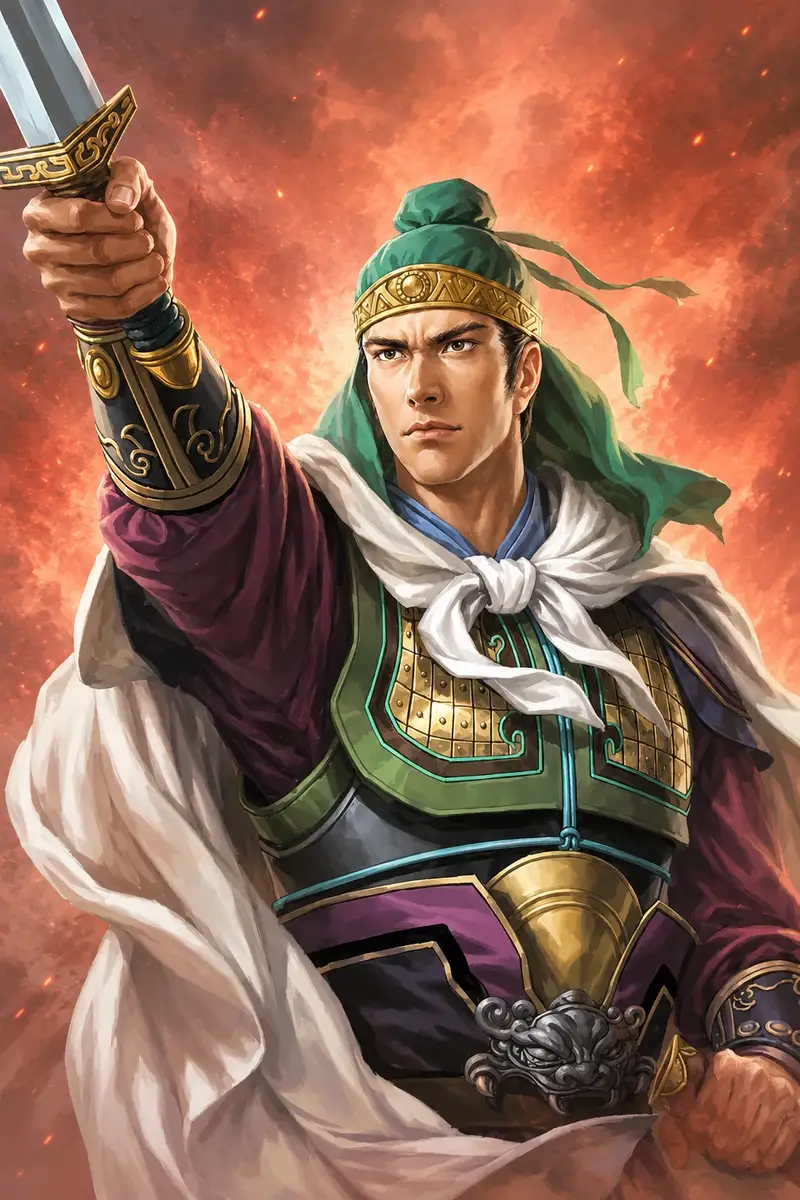
Jiang Wei (姜维, Khương Duy) was a prominent military general and regent of the state of Shu Han (蜀汉, Thục Hán) during the Three Kingdoms period of China. Originally a mid-level military officer serving the rival state of Cao Wei (曹魏, Tào Ngụy) in his home commandery of Tianshui, Jiang Wei’s destiny pivoted dramatically in 228 AD. During the first Northern Expedition of the Shu chancellor Zhuge Liang (诸葛亮, Gia Cát Lượng), Jiang Wei was suspected of disloyalty by his superior Ma Zun (马遵, Mã Tuân) and was locked out of his home city. With no recourse, he defected to Shu Han, where his exceptional talents were immediately recognized by Zhuge Liang.
Under Zhuge Liang’s mentorship, Jiang Wei rose rapidly through the ranks. He was highly regarded for his versatility, intellect, and profound understanding of military strategy. Following the deaths of Zhuge Liang (诸葛亮, Gia Cát Lượng), Jiang Wan (蒋琬, Tưởng Uyển), and Fei Yi (费祎, Phí Y), Jiang Wei eventually assumed supreme command of Shu Han’s military forces. Driven by an unyielding desire to fulfill Zhuge Liang’s legacy of restoring the Han Dynasty, he launched a series of eleven military campaigns (historically recognized as Jiang Wei’s Northern Expeditions) against Cao Wei between 247 and 262 AD.
Though Jiang Wei achieved notable tactical successes—most famously at the Battle of Didao in 255 AD where he decimated the Wei forces under Wang Jing (王经, Vương Kinh)—his campaigns ultimately failed to achieve a decisive breakthrough. His efforts were severely hampered by domestic political opposition, particularly from the cautious minister Fei Yi (费祎, Phí Y) during his early career, and later by the corrupt eunuch Huang Hao (黄皓, Hoàng Hạo), who enjoyed the favor of the weak-willed emperor Liu Shan (刘禅, Lưu Thiện). The endless military mobilization also placed a heavy economic strain on the domestic resources of Shu Han.
In 263 AD, Cao Wei launched a massive, multi-pronged invasion of Shu Han led by Zhong Hui (钟会, Chung Hội) and Deng Ai (邓艾, Đặng Ngải). Jiang Wei masterfully blocked Zhong Hui’s main army at the strategic bottleneck of Jiange. However, Deng Ai bypassed Jiang Wei’s defenses by executing a daring march through the treacherous Yinping mountain pass, appearing suddenly before the capital city of Chengdu. Emperor Liu Shan (刘禅, Lưu Thiện) surrendered without a fight, ordering Jiang Wei to capitulate to Zhong Hui.
Unwilling to let the Han state perish, Jiang Wei devised a final, desperate stratagem. He feigned surrender to Zhong Hui, assessed Zhong’s personal ambitions, and successfully incited him to rebel against the Wei regent Sima Zhao (司马昭, Tư Mã Chiêu). Jiang Wei’s ultimate plan was to help Zhong Hui seize power, assassinate him during the chaos, and restore Liu Shan (刘禅, Lưu Thiện) to the throne. However, the plot leaked, inciting a violent mutiny among the Wei soldiers in 264 AD. Both Zhong Hui and Jiang Wei were slain in the chaos, marking the tragic and definitive end of the Shu Han state.
Role in Romance of the Three Kingdoms
In La Guanzhong’s historical novel Romance of the Three Kingdoms, Jiang Wei (姜维, Khương Duy) is portrayed as a tragic hero of epic proportions, acting as the spiritual and military successor to Zhuge Liang (诸葛亮, Gia Cát Lượng). He is introduced in Chapter 92 as a brilliant young warrior-scholar of Cao Wei who successfully anticipates and thwarts Zhuge Liang’s initial tactical traps. Deeply impressed by Jiang Wei’s intellect and martial prowess, Zhuge Liang designs an elaborate scheme to capture and convert him to the Han cause.
Upon his defection, Jiang Wei is embraced by Zhuge Liang not merely as a general, but as a protégé. On his deathbed at Wuzhang Plains, Zhuge Liang bequeaths his lifelong work, the Twenty-Four Volumes of Military Strategy (兵法二十四篇), to Jiang Wei, symbolically passing the mantle of Han preservation to him. From this point forward, Jiang Wei is depicted as a lone colossus fighting against both the formidable external enemies of Cao Wei and the internal decay of the Shu Han court.
“My plan has failed; it is the will of Heaven!”
— Jiang Wei’s final lament before committing suicide in the mutiny of Chengdu.
Chapter 119 (The False Surrender; Jiang Wei’s Last Stratagem): After Liu Shan surrenders Chengdu, Jiang Wei feigns loyalty to Zhong Hui (钟会, Chung Hội), incites him to rebel against Sima Zhao, and plans to eliminate Zhong Hui in the chaos and restore Shu. The conspiracy leaks; Wei troops mutiny. Jiang Wei cries, “My plan has failed; it is the will of Heaven!” and dies fighting — the novel’s tragic capstone to Zhuge Liang’s northern legacy.
The novel dramatizes his rivalry with the Wei general Deng Ai (邓艾, Đặng Ngải), turning their campaigns into a grand chess match of formations, weather strategies, and ambushes. Jiang Wei’s final attempt to resurrect Shu through Zhong Hui (钟会, Chung Hội) is painted as a masterstroke of desperate genius that fell agonizingly short due to cosmic fate. According to the novel, when the Wei soldiers cut open Jiang Wei’s body after his death, they discovered that his gallbladder was “as large as a hen’s egg” (胆大如斗), explaining his extraordinary and fearless courage.
Notable Quotes & Famous Sayings
- “My plan failed; it is the will of Heaven!” (吾计不成,乃天命也!) — Jiang Wei’s final words before his death in Chengdu.
- “I only regret that I could not fulfill the late Prime Minister’s grand design…” — Reflecting his eternal devotion to the memory of Zhuge Liang (诸葛亮, Gia Cát Lượng).
Jiang Wei — Historical & Literary Timeline
Birth in Tianshui
Jiang Wei (姜维, Khương Duy) is born in Ji County, Tianshui Commandery. His father, Jiang Jiong (姜囧, Khương Quẫn), dies early in battle while defending the borders against Qiang rebellions.
Defection to Shu Han
During Zhuge Liang’s (诸葛亮, Gia Cát Lượng) first Northern Expedition, Jiang Wei is falsely suspected of treason by Ma Zun. Abandoned and locked out of his city, he defects to Shu Han and is appointed as a leading military officer by Zhuge Liang.
Death of Zhuge Liang
Zhuge Liang dies at Wuzhang Plains. Before his passing, he entrusts Jiang Wei with his personal military treatises, assigning him the duty to guard the state and continue the campaign against Wei.
Initiation of Northern Campaigns
Following the transition of authority from Jiang Wan (蒋琬, Tưởng Uyển), Jiang Wei begins to take a more active role, launching his first major independent Northern Expedition to ally with the Qiang tribe against Cao Wei.
Triumph at the Battle of Didao
Jiang Wei inflicts a massive defeat on the Wei forces led by Wang Jing (王经, Vương Kinh) at Didao, killing tens of thousands of enemy soldiers. This stands as his greatest military victory.
Retreat to Tazhong
Facing political subversion from the corrupt court eunuch Huang Hao (黄皓, Hoàng Hạo), who sought to replace him, Jiang Wei avoids the capital and relocates to Tazhong to cultivate fields and station troops safely.
The Fall of Shu
Jiang Wei valiantly defends the natural fortress of Jiange against Zhong Hui’s army. Meanwhile, Deng Ai bypasses him through Yinping, prompting Emperor Liu Shan’s surrender. Jiang Wei is forced to surrender to Zhong Hui.
Zhong Hui’s Rebellion and Death
Jiang Wei conspires with Zhong Hui to launch a rebellion against Sima Zhao (司马昭, Tư Mã Chiêu) in an attempt to restore Shu. The plot is exposed, leading to a bloody mutiny in Chengdu where Jiang Wei is slain.
For detailed historical records, archives, and official chronicles, explore Jiang Wei on Wikipedia.
Key Relationships
Family
- Jiang Jiong (姜囧, Khương Quẫn): His father, a local official who died in battle defending the Tianshui borders against Qiang uprisings during Jiang Wei’s youth.
Friends
- Liao Hua (廖化, Liêu Hóa): A veteran Shu Han general who served alongside Jiang Wei during his Northern Expeditions, often providing a voice of caution regarding the sustainability of the military campaigns.
Enemies
- Deng Ai (邓艾, Đặng Ngải): His primary military rival; the two engaged in a long-standing strategic conflict that culminated in 263 AD when Deng Ai bypassed Jiang Wei’s defenses at Jiange via the Yinping pass, leading to the fall of Shu.
- Ma Zun (马遵, Mã Tuân): His superior officer in Cao Wei who suspected Jiang Wei of disloyalty during the first Northern Expedition in 228 AD, effectively forcing Jiang Wei’s defection to Shu Han.
- Huang Hao (黄皓, Hoàng Hạo): A corrupt eunuch in the Shu Han court whose political subversion and influence over Emperor Liu Shan severely hampered Jiang Wei’s military efforts and forced him to relocate to Tazhong in 262 AD.
- Sima Zhao (司马昭, Tư Mã Chiêu): The regent of Cao Wei and the ultimate target of Jiang Wei’s final, failed rebellion in 264 AD.
Other
- Zhuge Liang (诸葛亮, Gia Cát Lượng): His mentor and the Shu Han chancellor who recruited him in 228 AD, mentored him in military strategy, and entrusted him with the preservation of the Han state before his death in 234 AD.
- Liu Shan (刘禅, Lưu Thiện): The Emperor of Shu Han whom Jiang Wei served with unwavering dedication, even after the emperor’s surrender to Wei in 263 AD.
- Zhong Hui (钟会, Chung Hội): A Wei commander whom Jiang Wei initially opposed at the Battle of Jiange in 263 AD, but later conspired with in a desperate 264 AD plot to restore the Han dynasty, resulting in both their deaths during a mutiny.




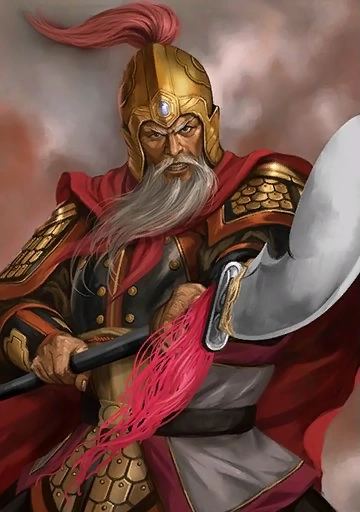
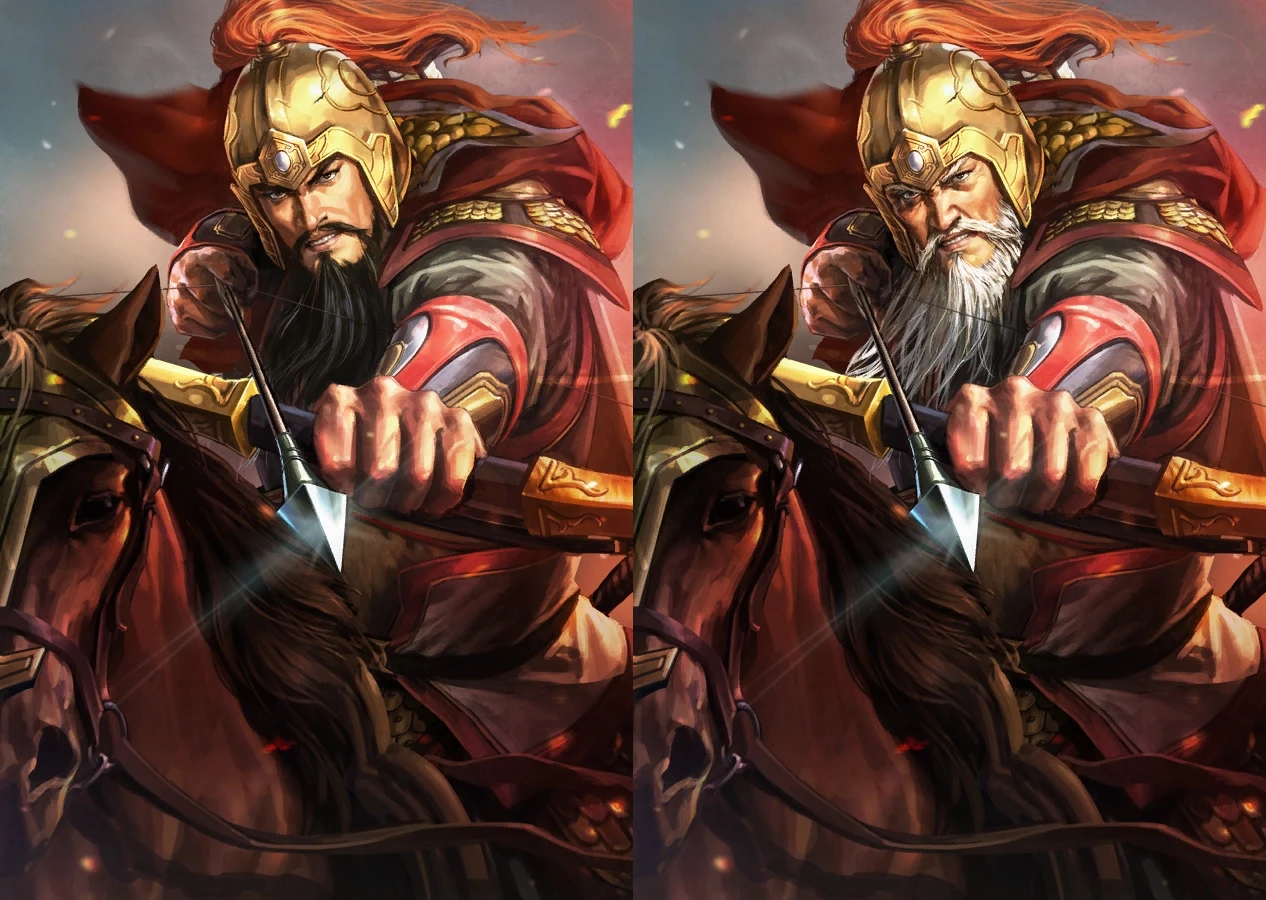
Appearance
In Novel
Chapter 92
- Jiang Wei (姜维, Khương Duy): Talented military prodigy and magistrate of Tianshui, courtesy name Boyue (伯约), who saw through Zhuge Liang’s (诸葛亮, Gia Cát Lượng) siege plan and fought Zhao Yun (赵云, Triệu Vân) to a standstill.
Chapter 93
- Jiang Wei (姜维, Khương Duy): Surrendered to Shu Han after being falsely accused of treason by his superior Ma Zun; Zhuge Liang (诸葛亮, Gia Cát Lượng) embraced him as his primary military protégé and heir to his tactical arts.
Chapter 95
- Jiang Wei (姜维, Khương Duy): Led Shu detachments during the retreat from Jieting, ensuring an orderly withdrawal without casualties.
Chapter 97
- Jiang Wei (姜维, Khương Duy): Executed a forged letter deception against Cao Wei general Cao Zhen (曹真, Tào Chân) during the second Northern Expedition.
Chapter 100
- Jiang Wei (姜维, Khương Duy): Coordinated tactical ambushes with Zhuge Liang (诸葛亮, Gia Cát Lượng) in the Qishan valleys against Sima Yi (司马懿, Tư Mã Ý).
Chapter 102
- Jiang Wei (姜维, Khương Duy): Assisted in deploying the wooden oxen and flowing horses logistics detachments.
Chapter 104
- Jiang Wei (姜维, Khương Duy): Received Zhuge Liang’s (诸葛亮, Gia Cát Lượng) twenty-four scrolls of military strategy on the Chancellor’s deathbed at Wuzhang Plains and safely escorted the army back to Chengdu.
Chapter 107
- Jiang Wei (姜维, Khương Duy): Launched the first of his nine independent Northern Expeditions against Cao Wei at Niutou Mountain.
Chapter 109
- Jiang Wei (姜维, Khương Duy): Allied with Qiang tribal forces and besieged Sima Zhao (司马昭, Tư Mã Chiêu) at Mount Tieshan.
Chapter 110
- Jiang Wei (姜维, Khương Duy): Routed Wang Jing at the Battle of Diao’an along the Tao River.
Chapter 112
Chapter 113
- Jiang Wei (姜维, Khương Duy): Engaged Deng Ai (邓艾, Đặng Ngải) in complex tactical battle formations at Qishan.
Chapter 114
- Jiang Wei (姜维, Khương Duy): Ambushed Cao Wei supply wagons at Houhe, outmaneuvering Deng Ai’s forces.
Chapter 115
- Jiang Wei (姜维, Khương Duy): Stationed troops to farm at Tazhong to avoid political persecution by the corrupt palace eunuch Huang Hao (黄皓, Hoàng Hạo).
Chapter 116
- Jiang Wei (姜维, Khương Duy): Defended Jiange Pass against Zhong Hui’s (钟会, Chung Hội) massive northern invasion army of one hundred thousand men.
Chapter 118
- Jiang Wei (姜维, Khương Duy): Surrendered to Zhong Hui (钟会, Chung Hội) only after Emperor Liu Shan (刘禅, Lưu Thiện) capitulated Chengdu.
Chapter 119
- Jiang Wei (姜维, Khương Duy): Plotted an audacious coup with Zhong Hui (钟会, Chung Hội) to restore the fallen Shu Han dynasty, but when the conspiracy was exposed by mutinous Wei officers, Jiang Wei fought fiercely until his heart ruptured, dying a tragic loyalist martyr.
Appearance
In History
Summary
- Jiang Wei (姜维, Khương Duy), courtesy name Boyue (伯约), was a Tianshui officer of Cao Wei who defected to Shu Han in 228 AD and became Zhuge Liang (诸葛亮, Gia Cát Lượng)‘s chosen military heir. After Jiang Wan and Fei Yi, he held supreme field command and launched repeated northern campaigns against Wei until Shu’s fall.
Year: 228 AD
- During Zhuge Liang’s first Northern Expedition, Ma Zun falsely suspected Jiang Wei and locked him out of Ji County. With no refuge, Jiang Wei surrendered to Shu; Zhuge Liang immediately valued his talent and promoted him.
Year: 234 AD
- After Zhuge Liang’s death at Wuzhang Plains, Jiang Wei continued as a principal Shu commander under Jiang Wan and Fei Yi, though early expeditions were limited by court caution.
Year: 247–262 AD
- Led numerous independent northern campaigns (traditionally counted as nine in the novel, eleven in some historical summaries). His greatest victory was at Didao (255 AD), where he shattered Wang Jing’s Wei army. Domestic opposition from the eunuch Huang Hao eventually forced him to station at Tazhong.
Year: 263–264 AD
- When Wei invaded Shu, Jiang Wei blocked Zhong Hui at Jiange while Deng Ai crossed Yinping and forced Liu Shan’s surrender. Jiang Wei then conspired with Zhong Hui to rebel against Sima Zhao in a last attempt to restore Han; the plot failed in a mutiny and Jiang Wei was killed in Chengdu (264 AD).
Historical Record
- Sanguozhi, vol. 44 — biography of Jiang Wei (姜维传) in the Shu book.
- Pei Songzhi preserves Zhuge Liang’s high regard for Jiang Wei and records the northern campaigns and final Zhong Hui conspiracy.
- The novel’s gallbladder “as large as a hen’s egg” and suicide lament (Chapter 119) are literary flourishes on his loyalist end.
Appearance
Gallery