
Contents
Biography & Historical Record
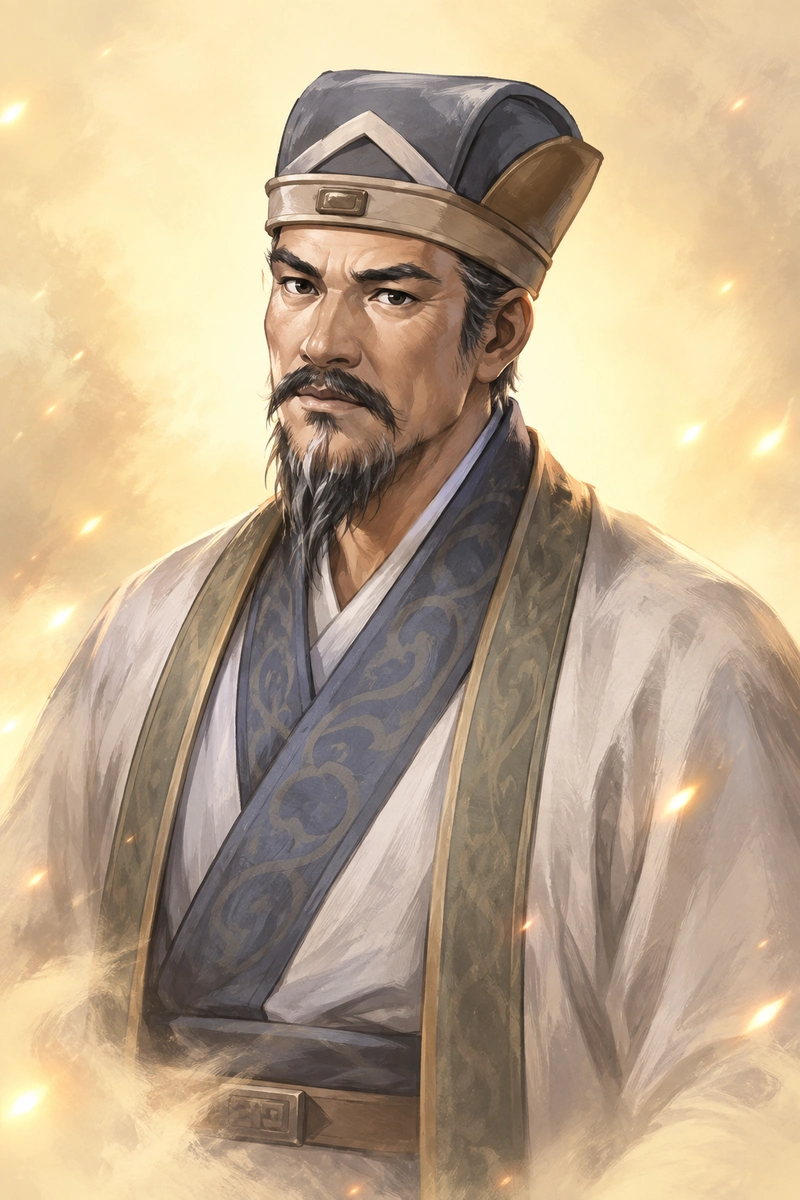
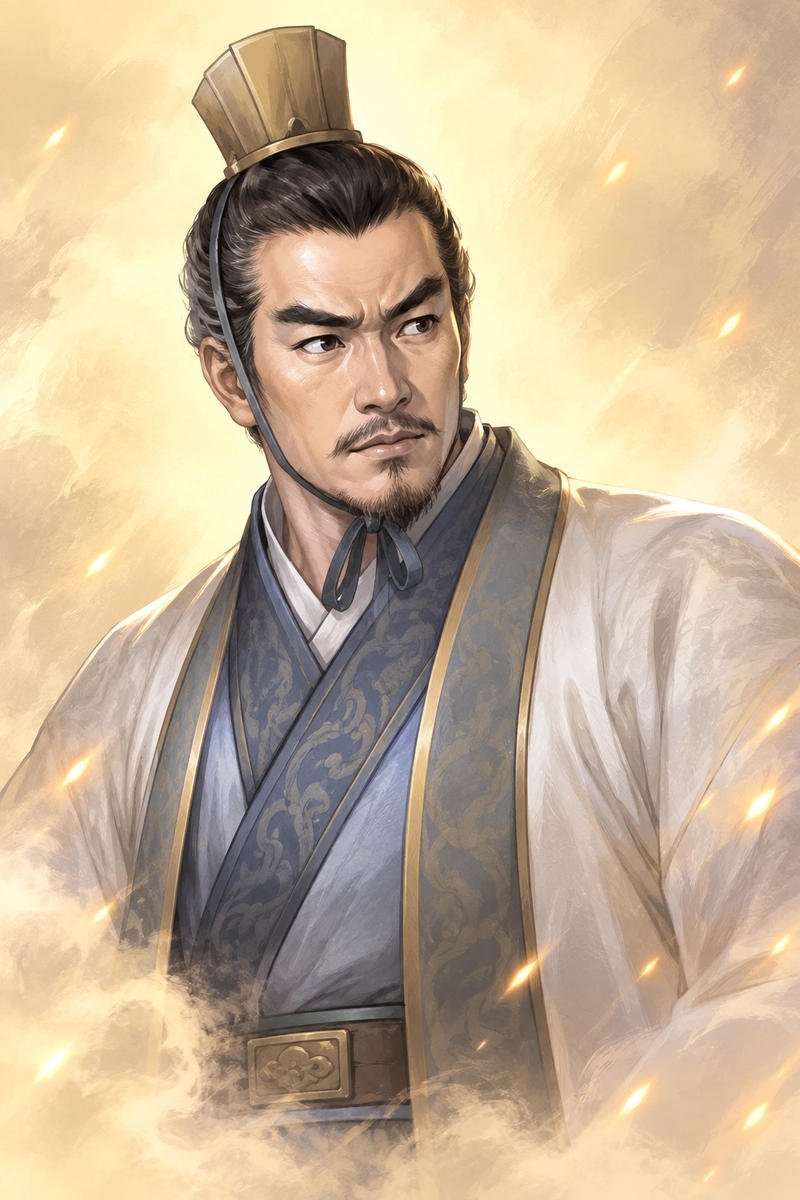
He Shao (何劭, Hà Thiệu), courtesy name Jingzu (敬祖), was an eminent high-ranking statesman, classical scholar, and celebrated poet of the Western Jin Dynasty. He was the eldest son of Grand Tutor He Ceng (何曾, Hà Tằng — Duke of Langling and paramount civil minister under Sima Zhao and Sima Yan) and the elder brother of He Zun (何遵).
Endowed with brilliant literary talent, a photographic memory, and elegant rhetorical eloquence, He Shao formed close friendships in his youth with literary luminaries Pei Xiu (裴秀) and Zhang Hua (张华). Entering high court service, he rose through prestigious offices including Palace Attendant, Director of the Imperial Secretariat (Zhongshu Ling / 中书令), and Left Vice Director of the Department of State Affairs (Shangshu Zuo Puye / 尚书左仆射). As imperial drafter, He Shao personally authored the state edicts, dynastic laws, and imperial eulogies of Emperor Wu’s reign. Although he inherited his father’s penchant for lavish culinary banquets and luxurious lifestyle—reputedly spending twenty thousand cash daily on food—He Shao was renowned for his generous patronage of impoverished scholars, his administrative brilliance, and his sublime poetry preserved in the Selections of Refined Literature (Wen Xuan).
Role in Romance & Historical Chronicles
“He Shao possessed vast erudition, literary genius, and unmatched rhetorical elegance. Alongside Pei Xiu and Zhang Hua, he was hailed as one of the three foundational literary pillars of the Western Jin court.”
— Book of Jin (Jin Shu)
In literature and history, He Shao represents the sophisticated summit of Western Jin aristocratic culture, combining supreme bureaucratic authority with enduring poetic lyricism.
He Shao (何劭) — Historical Timeline
Youthful Literary Renown
Recognized in Luoyang alongside Zhang Hua; produces refined poetic treatises on statecraft and classical philosophy.
Director of the Imperial Secretariat
Drafts imperial edicts for Emperor Wu; oversees the formulation of national legal codes following the conquest of Wu.
Elder Statesman of the Realm
Serves as Shangshu Zuo Puye; passes away peacefully amidst dynastic factional storms, honored with posthumous titles.
Key Relationships
Family
- Father: He Ceng (何曾, Hà Tằng) — Duke of Langling and Grand Tutor of Western Jin.
- Brother: He Zun (何遵, Hà Tuân) — Censor and Administrator of Yangping.
- Grandfather: He Kui (何夔) — Senior minister of Cao Cao.
Friends / Allies
- Literary Comrades: Zhang Hua (张华) and Pei Xiu (裴秀) — Co-architects of early Jin scholarship and cartography.
- Sovereign: Sima Yan (Emperor Wu of Jin) (司马炎) — Cherished He Shao’s drafting eloquence and legal wisdom.
Enemies / Rivals
- Sima Lun & Usurpers: Rebellious imperial princes who instigated the War of the Eight Princes.
Other
- Literary Preservation: His masterpieces, including “Poem on Traveling Immortals” (游仙诗) and biographical essays on Wang Bi, are immortalized in the Wen Xuan.
In Literature
Selections of Refined Literature (Wen Xuan)
- He Shao (何劭, Hà Thiệu): Anthologized alongside the greatest poets of the Wei-Jin period, celebrated for his profound metaphysical and lyrical verse.
In History
Summary
- He Shao (何劭) was Director of the Imperial Secretariat (Zhongshu Ling) and Shangshu Puye of the Western Jin, renowned as a premier poet and statesman.
Historical Record
- Book of Jin (晋书), Volume 33: Full biographical chronicle of his ministerial offices, literary achievements, and aristocratic stature.