
Contents
Hou Jian: The Long-Armed Ape of Liangshan
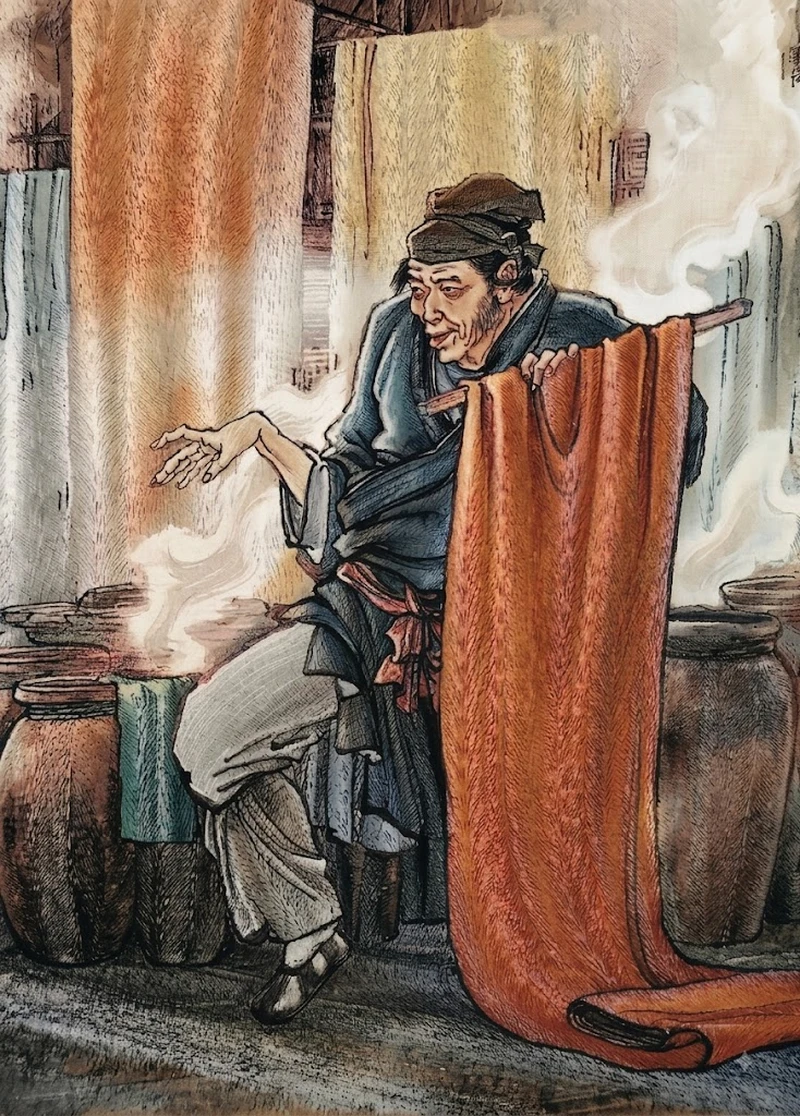
Hou Jian (侯健), nicknamed the “Long-Armed Ape” (通臂猿) due to his exceptional reach and nimble dexterity, is a distinctive hero in the classic Chinese novel Water Margin. Originally a skilled tailor hailing from Huangmen, his specialized craft set him apart from traditional warriors. Within the ranks of the 108 Stars of Destiny, he became the chief logistician for outfitting the outlaw forces during the turbulent Northern Song Dynasty.
Martial Journey and Vital Support
While known for his needlework, he was not merely an artisan. Having trained in staff fighting and basic martial arts under the wandering master Xue Yong, he learned to blend tactical alertness with physical agility. During the famous Jiangzhou raid, he played an indispensable clandestine role. Working inside the estate of the corrupt official Huang Wenbing, he coordinated from within to open gates and provide vital intelligence, allowing the bandits to secure victory.
After officially swearing allegiance at Mount Liang, he was assigned as the grand master of the textile workshop. He oversaw the production of protective armored garments, commander banners, and brigade flags. His logistical prowess ensured that the vast military machine maintained visual order, morale, and unified identification on the battlefield.
Literary Timeline and Fate
Aiding the Outlaws
He assists Xue Yong and Song Jiang by sabotaging Huang Wenbing’s household, officially joining Mount Liang as the 71st chieftain.
Logistical Operations
He commands the imperial expedition’s tailoring divisions throughout campaigns against the Liao kingdom and regional rebel factions.
Tragic Demise
During the assault on Hangzhou, strong river currents overturn his vessel, leading to his untimely drowning in the Qiantang River.
Key Comrades and Legacy
Throughout his literary arc, Hou Jian maintained a deep bond of loyalty toward Xue Yong, who served as his martial mentor. In Chinese literary traditions, his character exemplifies how practical craftsmanship and logistical discipline were just as essential to military triumph as martial prowess on the front lines.


