

Contents
Biography & Historical Record
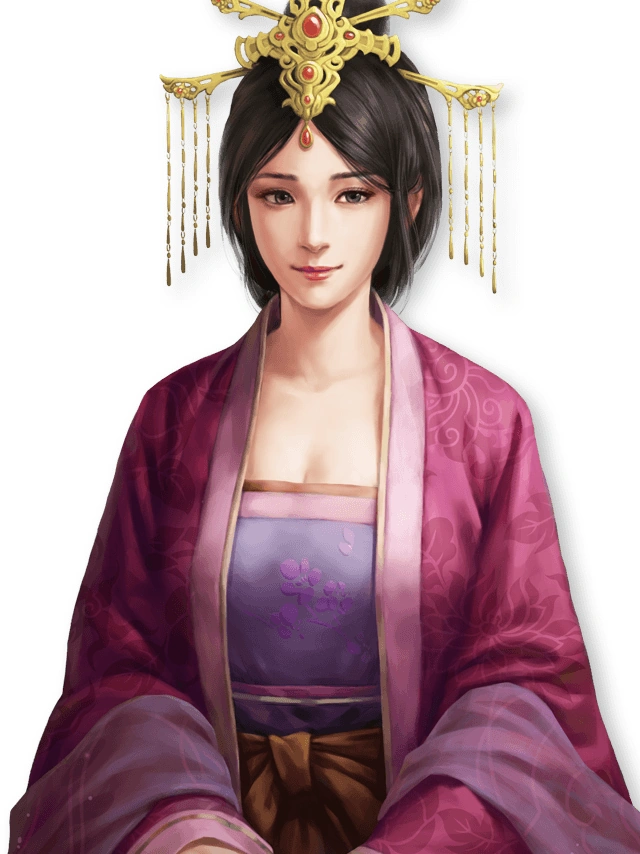
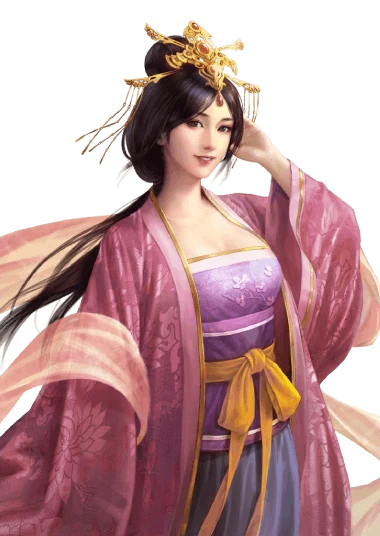
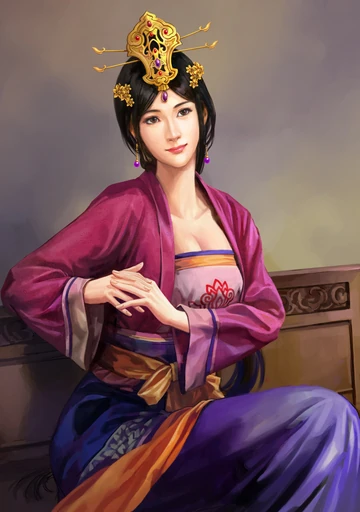
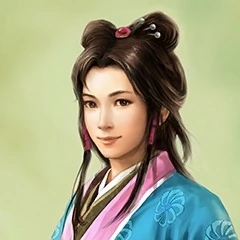
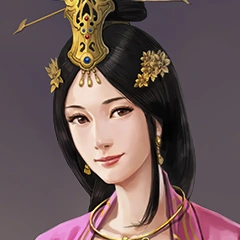
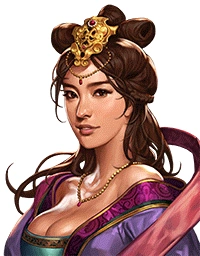
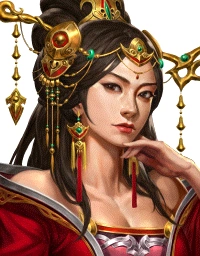
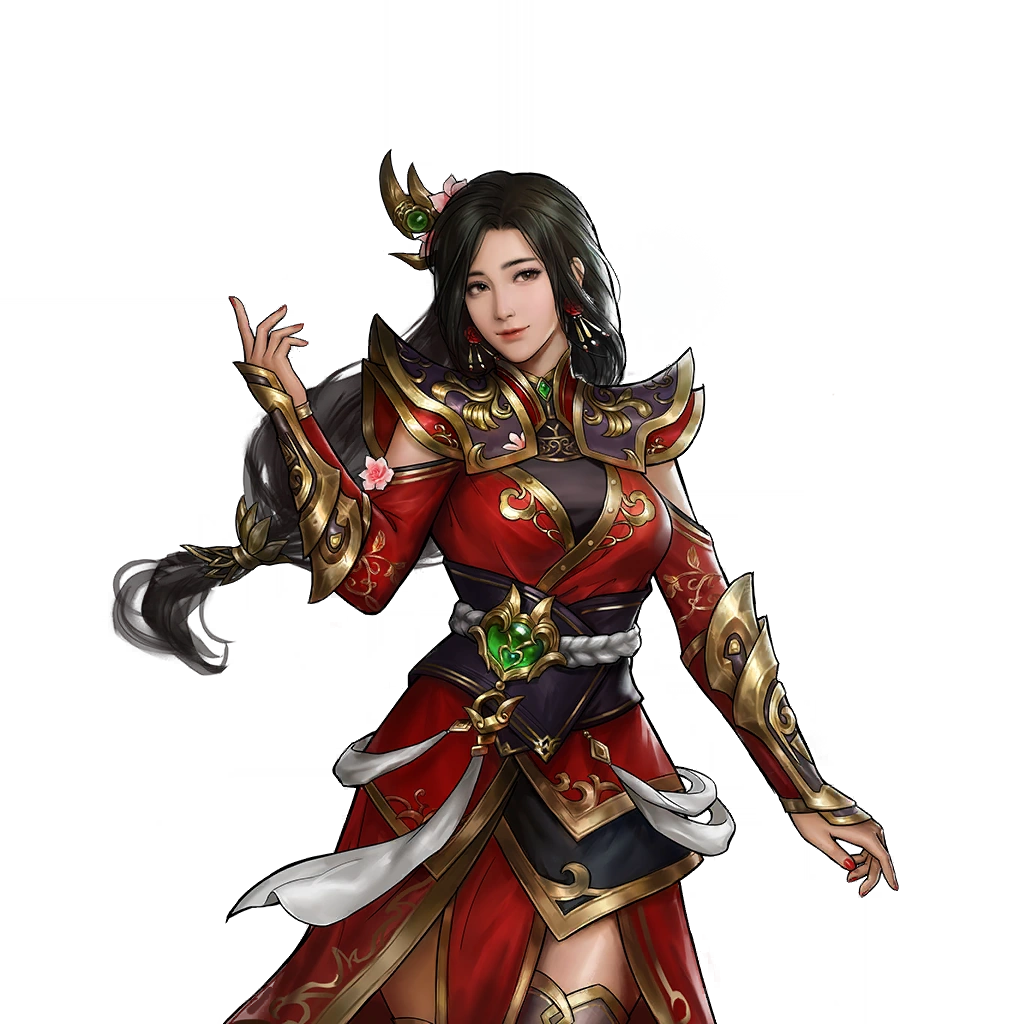
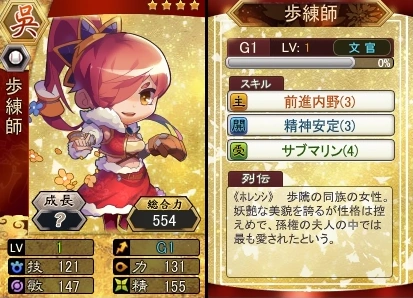
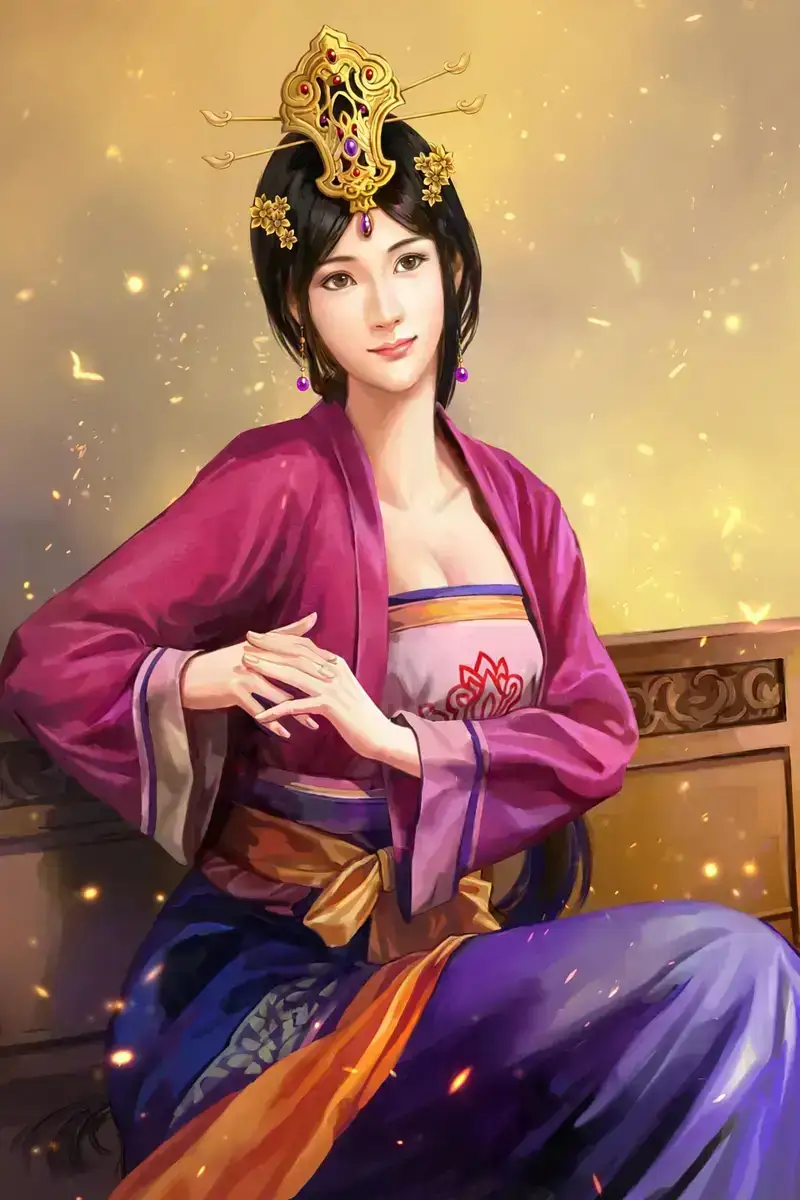
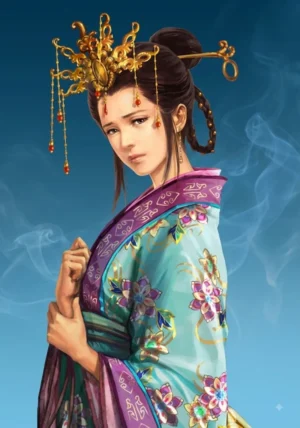
Bu Lianshi (步练师, Bộ Luyện Sư), commonly called Lianshi or Lady Bu (步夫人, Bộ Phu Nhân), was the most favored consort of Sun Quan (孙权, Tôn Quyền), founding Emperor Da of Eastern Wu. A native of Huaiyin in Linhuai Commandery, she entered the Sun household in the early decades of Sun Quan’s rise and remained first in affection for decades. She bore two daughters who later shaped Wu court politics: Sun Luban (孙鲁班, Tôn Lỗ Ban), Princess Quan, and Sun Luyu (孙鲁育, Tôn Lỗ Dục). Her kinsman Bu Zhi (步骘, Bộ Chất) rose to Grand Chancellor, linking the Bu house to the imperial core.
In life she was never formally invested as living empress—Sun Quan hesitated among factions and titles—but after her death from illness in 238 AD he mourned bitterly and conferred the posthumous title Empress Bu (步皇后). Official history treats her as Lady Bu; the personal name Lianshi is customary in later tradition and popular culture. She is remembered for gentle demeanor, restraint in palace rivalries, and for mothering princesses whose later intrigues would help decide the fate of princes after Sun Deng’s death.
Role in Romance of the Three Kingdoms
In Luo Guanzhong’s novel, Bu Lianshi appears chiefly as the virtuous inner-palace consort of Sun Quan rather than as a battlefield actor. She is associated with domestic legitimacy of the Wu house: the emperor’s favored wife and mother of imperial daughters, a quiet counterweight to the succession storms that engulf sons such as Sun Deng (孙登, Tôn Đăng), Sun He (孙和, Tôn Hòa), and Sun Ba (孙霸, Tôn Bá). Chapter contexts that inventory Sun Quan’s family and court mention her grace and counsel; the novel does not invent elaborate military arcs for her, keeping her role within palace virtue and dynastic motherhood.
Bu Lianshi (步练师) — Historical & Literary Timeline
Favored consort of Sun Quan
Bu Lianshi becomes the foremost consort of Sun Quan (孙权, Tôn Quyền) and mother of Sun Luban and Sun Luyu.
Bu clan at court
Kinsman Bu Zhi (步骘, Bộ Chất) advances in Wu administration, tying the Bu lineage to imperial favor.
Death and posthumous empress
Dies of illness; Sun Quan mourns and posthumously honors her as Empress Bu.
Daughters in succession politics
Sun Luban and Sun Luyu become pivotal palace actors in the Two Palaces era and after Sun Quan’s death.
See Bu Lianshi on Wikipedia and SGZ notes on Lady Bu / Empress Bu.
Key Relationships
Family
- Sun Quan (孙权, Tôn Quyền): Husband; founding emperor who favored her above other consorts and later made her posthumous empress.
- Sun Luban (孙鲁班, Tôn Lỗ Ban): Elder daughter; later Princess Quan, a formidable palace politician.
- Sun Luyu (孙鲁育, Tôn Lỗ Dục): Younger daughter.
- Bu Zhi (步骘, Bộ Chất): Relative from the Bu clan who became Grand Chancellor of Wu.
Friends
- Wu inner-court ladies and Bu-clan retainers who supported her quiet primacy among consorts (few named in novel scenes).
Enemies
- No major personal military enemies; palace rivalry with other consorts is implied by the competition for titles but not dramatized as open feud in the novel.
Other
- Eastern Wu imperial house: Her status as favored consort and mother of princesses anchored Bu influence inside the Sun court.
In Novel
Chapter 82
- Bu Lianshi (步练师, Bộ Luyện Sư): Favored consort of Sun Quan (孙权, Tôn Quyền) in the Eastern Wu inner palace; portrayed for grace and virtue while the narrative inventories the emperor’s household and the daughters who will later matter in succession politics—Sun Luban (孙鲁班, Tôn Lỗ Ban) and Sun Luyu (孙鲁育, Tôn Lỗ Dục). She does not lead armies; her scene-weight is domestic legitimacy and counsel beside the throne.
Chapter 108
In History
Summary
- Lady Bu / Bu Lianshi (步练师, Bộ Luyện Sư) was the favored consort of Sun Quan (孙权, Tôn Quyền), mother of Princesses Sun Luban and Sun Luyu, and kin to chancellor Bu Zhi (步骘, Bộ Chất). Posthumously honored as Empress Bu after dying in 238.
Year: early 3rd century
- Enters Sun Quan’s household; becomes foremost consort; bears Sun Luban and Sun Luyu.
Year: 238 AD
- Dies of illness; Sun Quan confers posthumous empress title. She was not living empress in her lifetime.
Historical Record
- Sanguozhi (Wu) treats her as Lady Bu (步夫人); Pei Songzhi notes and later tradition supply the personal name Lianshi. Classify as Semi-Historical for the given name, Historical for status, daughters, death year, and posthumous honor.
Gallery