
Contents
The Ultimate Symbol of Speed, Loyalty, and Unmatched Valor
In East Asian culture and military folklore, no warhorse shines brighter than Red Hare (赤兔马, Chì Tù Mǎ, Ngựa Xích Thố). immortalized in Luo Guanzhong’s (罗贯中, La Quán Trung) 14th-century epic novel Romance of the Three Kingdoms (三国演义, Sān Guó Yǎn Yì, Tam Quốc Diễn Nghĩa) as well as historical texts like Chen Shou’s (陈寿, Trần Thọ) Records of the Three Kingdoms (三国志, Sān Guó Zhì, Tam Quốc Chí), Red Hare transcends the realm of mere animals to become a legendary hero in its own right.
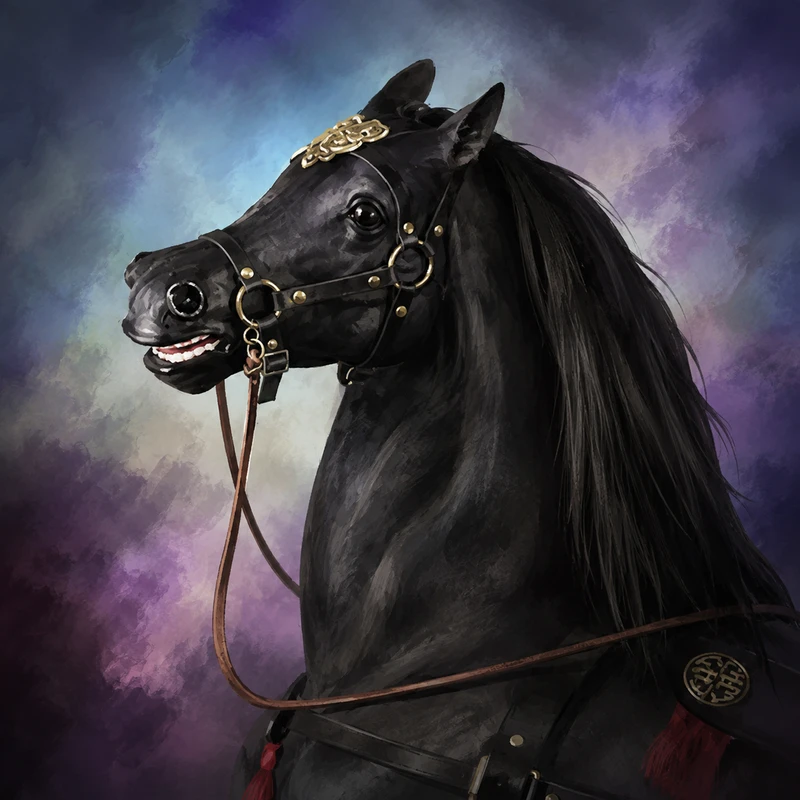
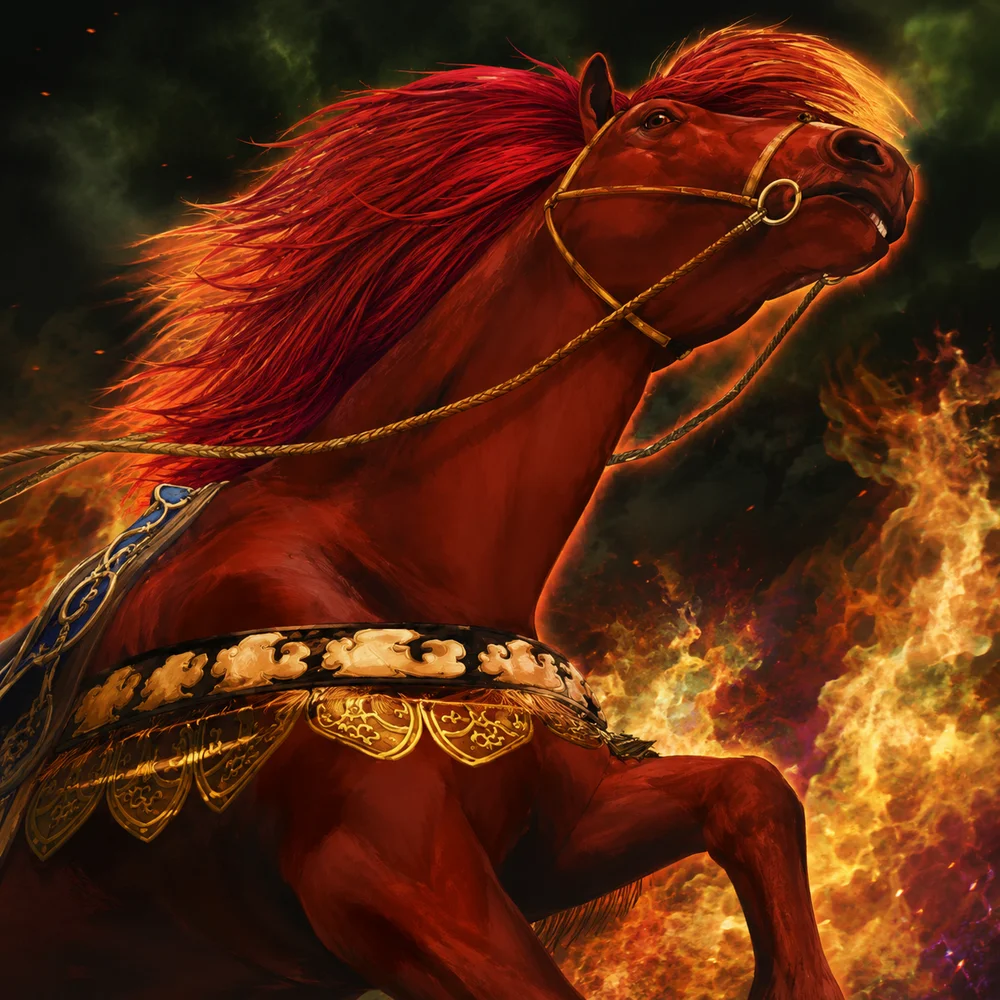
An iconic Chinese proverb immortalizes its status:
“Among men, Lu Bu; among horses, Red Hare.”
(人中吕布,马中赤兔, Rén zhōng Lǚ Bù, mǎ zhōng Chì Tù, Nhân trung Lã Bố, mã trung Xích Thố)
Physical Appearance and Extraordinary Attributes
According to literary descriptions, Red Hare was not merely a fast horse; it was a physical marvel that appeared almost divine or demonic on the battlefield.
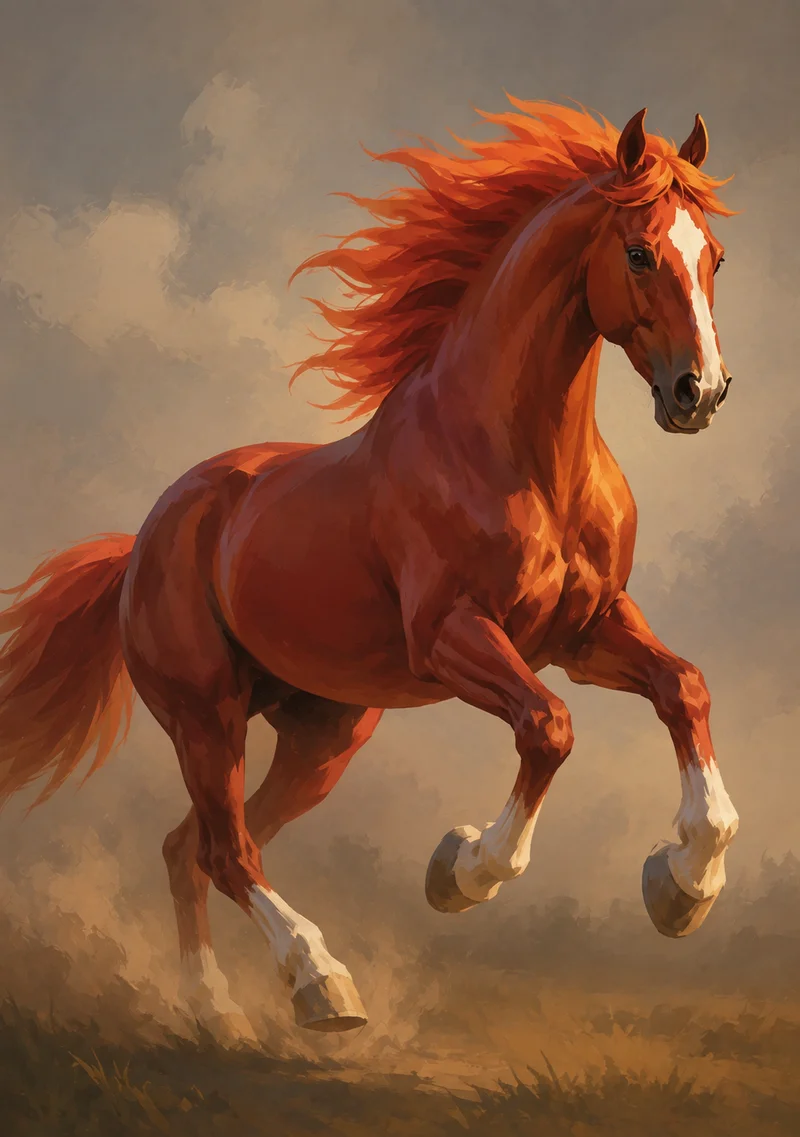
Red Hare – 赤兔马 – Chi Tu Ma – Ngựa Xích Thố
-
Coat and Color: The steed possessed a coat of fiery crimson red, completely devoid of a single hair of any other color. Its hide glowed like burning charcoal or hot blood.
-
Size and Build: Standing at a height of eight chi (尺) and measuring ten chi from head to tail, Red Hare towered over standard military mounts. It was said to have the chest of a dragon and the muscular frame of a tiger.
-
Speed and Endurance: Legendary accounts claim Red Hare could travel 1,000 li (里) in a single day (approximately 400 to 500 kilometers), leaping over steep cliffs, riverbanks, and city trenches with effortless grace.
-
Origin of the Name: The character Chì (赤, Xích) means “crimson” or “red.” The character Tù (兔, Thố) means “rabbit.” In ancient Chinese equine typology, a “rabbit head” (tù tóu) referred to a specific, highly prized equine skull shape characterized by a broad forehead and sharp, alert eyes—traits indicative of supreme intelligence and speed.
The Lineage of Masters: Red Hare’s Historical Journey
Unlike ordinary warhorses, Red Hare belonged only to the most formidable warriors of the era. Its journey through the Three Kingdoms period passes through four key figures.
Dong Zhuo (董卓, Đổng Trác)
     │
     ▼ (GIFT OF SEDUCTION)
Lu Bu (吕布, Lã Bố)
     │
     ▼ (WAR TROPHY AT XIAPI)
Cao Cao (曹操, Tào Tháo)
     │
     ▼ (GIFT OF RESPECT)
Guan Yu (关羽, Quan Vũ)
     │
     ▼ (DEATH & SACRIFICE)
Starved Itself to Death (220 AD)
1. Dong Zhuo (董卓, Đổng Trác)
Red Hare originally came from the Western Regions (西域, Tây Vực) or X Liang (西凉, Tây Lương), a territory famous for breeding superior Ferghana horses (Heavenly Horses / 天马, Thiên Mã). The tyrannical warlord Dong Zhuo (董卓, Đổng Trác) acquired the steed to showcase his supreme power in the imperial capital of Luoyang (洛阳, Lạc Dương).
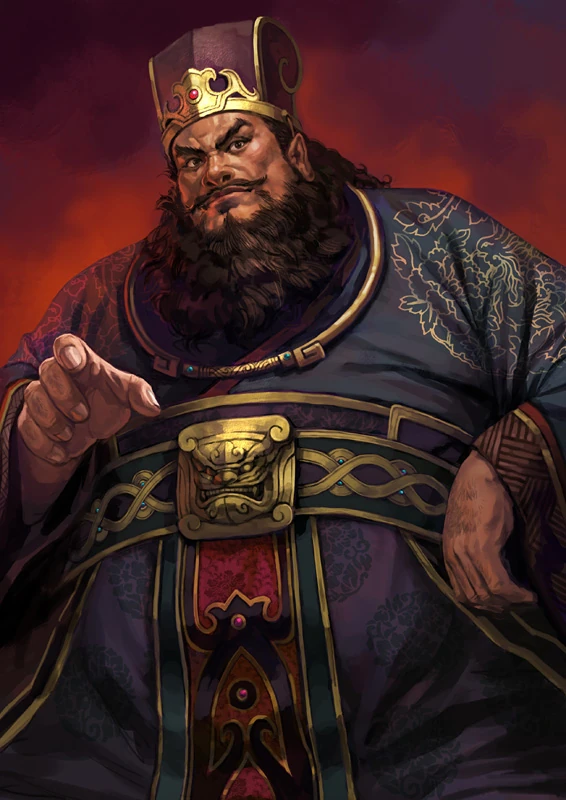
Dong Zhuo – 董卓 – Đổng Trác
2. Lu Bu (吕布, Lã Bố)
Realizing he needed the invincible warrior Lu Bu (吕布, Lã Bố) on his side, Dong Zhuo heeded the advice of his officer Li Su (李肃, Lý Túc). Dong Zhuo gifted Red Hare, along with gold and jewels, to Lu Bu.
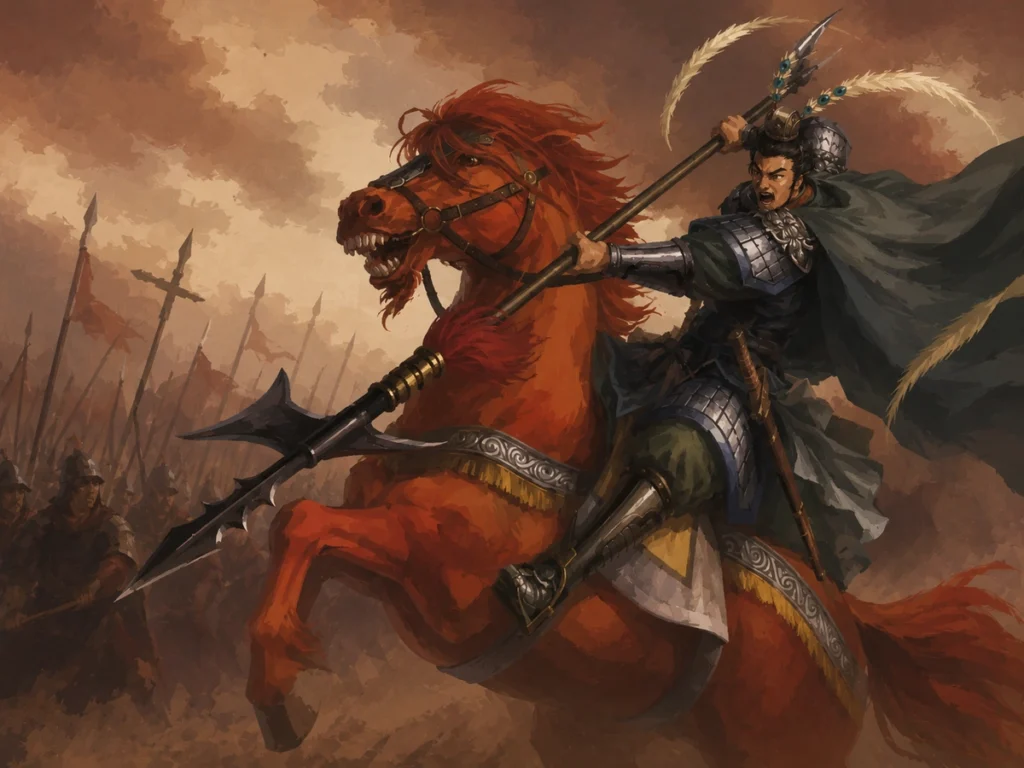
Red Hare & Lubu
Overjoyed by the magnificent horse, Lu Bu betrayed and murdered his adoptive father, Ding Yuan (丁原, Đinh Nguyên), and pledged allegiance to Dong Zhuo. Mounted on Red Hare and wielding the Sky-Piercing Ji (方天画戟, Fāng Tiān Huà Jǐ, Phương Thiên Họa Kích), Lu Bu became virtually unstoppable at crucial engagements such as Hulao Pass (虎牢关, Hổ Lao Quan), where he famously fought off the three sworn brothers—Liu Bei (刘备, Lưu Bị), Guan Yu (关羽, Quan Vũ), and Zhang Fei (张飞, Trương Phi)—simultaneously.
3. Cao Cao (曹操, Tào Tháo)
In 199 AD, after the Battle of Xiapi (下邳之战, Hạ Bì Chi Chiến), Lu Bu was defeated and executed by Cao Cao (曹操, Tào Tháo). Cao Cao claimed Red Hare as a prize of war. Recognizing that no ordinary general possessed the stature to ride such a mount, Cao Cao kept the horse in his royal stables in Xu Capital (许都, Hứa Đô) for over a year, waiting for a warrior worthy of it.
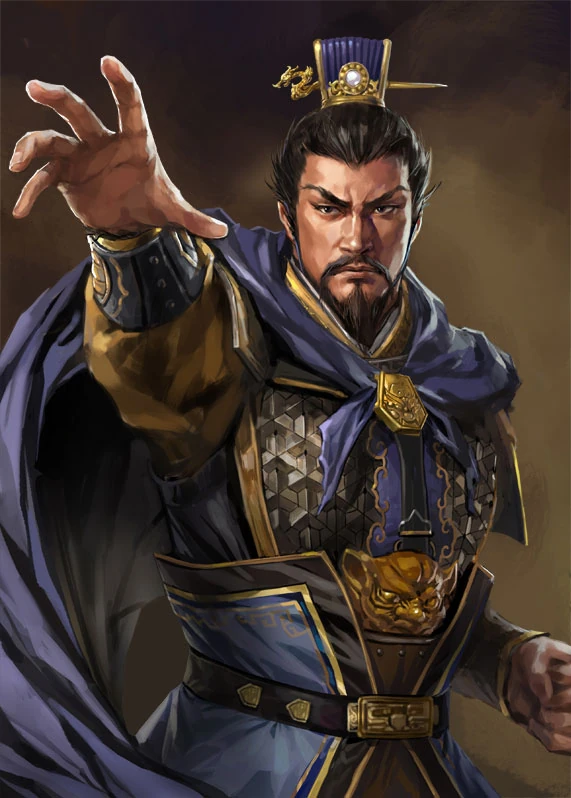
Cao Cao – 曹操 – Tào Tháo
4. Guan Yu (关羽, Quan Vũ)
In 200 AD, when Guan Yu temporarily surrendered to Cao Cao under strict conditions to protect Liu Bei’s wives—Lady Gan (甘夫人, Cam Phụ nhân) and Lady Mi (糜夫人, Mi Phu nhân)—Cao Cao showered Guan Yu with lavish gifts, gold, and titles like Marquis of Hanshou Village (汉寿亭侯, Hán Thọ Đình Hầu). Guan Yu politely declined or stored away all material riches.
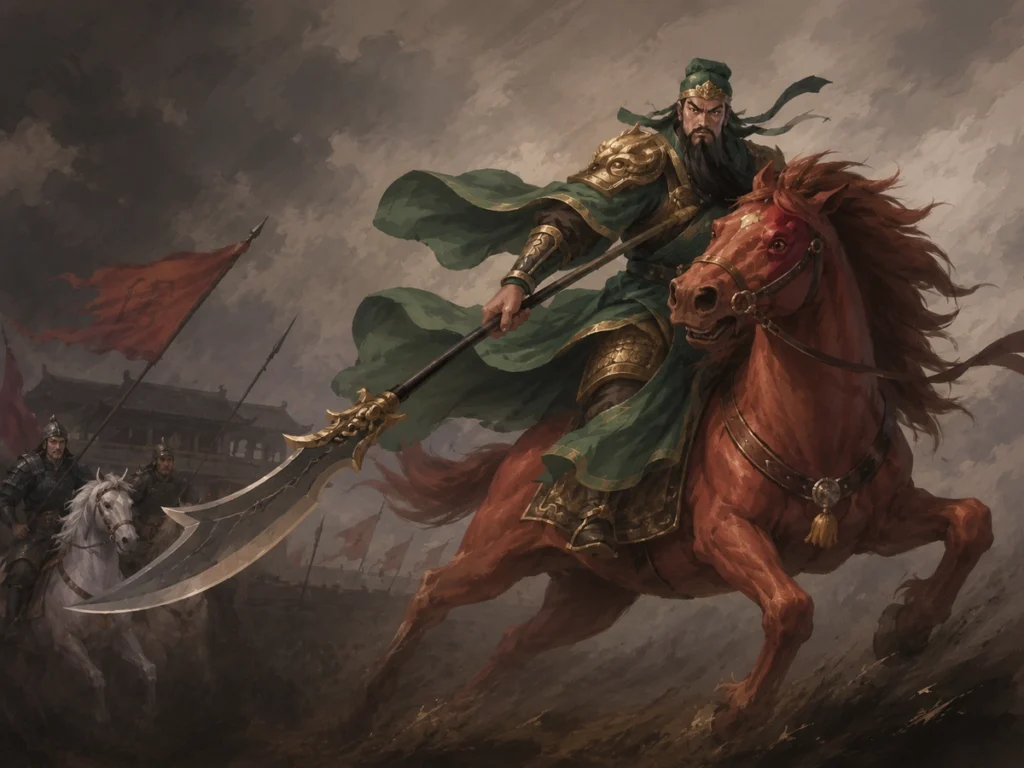
Red Hare & Guan Yu
However, when Cao Cao presented him with Red Hare, Guan Yu bowed deeply to the ground in profound gratitude. Surprised, Cao Cao asked:
“I have given you maidens, silk, and gold, yet you never bowed like this. Why do you value this horse so much?”
Guan Yu replied:
“I know this horse can cover a thousand li in a day. With it, the moment I hear news of my brother Liu Bei, I can reach him in a single day!”
Legendary Exploits Under Guan Yu
Mounted on Red Hare, Guan Yu achieved his most celebrated feats:
-
Slaying Yan Liang and Wen Chou: At the Battle of Baima (白马之战, Bạch Mã Chi Chiến) and Yanjin (延津之战, Diên Tân Chi Chiến), Red Hare’s lightning speed allowed Guan Yu to charge into Yuan Shao’s (袁绍, Viên Thiệu) vanguard and decapitate top generals Yan Liang (颜良, Nhan Lương) and Wen Chou (文丑, Văn Sú) before they could even react.
-
Crossing Five Passes and Slaying Six Generals: During Guan Yu’s famous journey (Guò Wǔ Guān Zhǎn Liù Jiàng, Quá Ngũ Quan Trảm Lục Tướng) to reunite with Liu Bei, Red Hare caught up to fleeing enemy officers in an instant, including Meng Tan (孟坦, Mạnh Thản) at Luoyang Pass (洛阳关, Lạc Dương Quan).
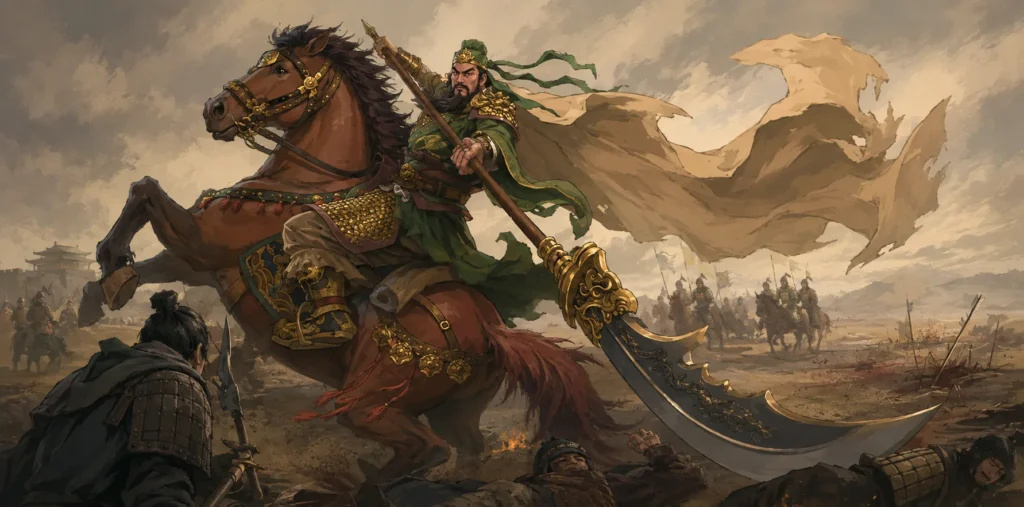
Crossing Five Passes and Slaying Six Generals
The Ultimate Act of Loyalty: The Death of Red Hare
In 220 AD, during the Battle of Fancheng (樊城之战, Phàn Thành Chi Chiến), Guan Yu was trapped by the combined forces of Sun Quan (孙权, Tôn Quyền) and Cao Cao. He was captured at Mai City (麦城, Mạch Thành) and executed alongside his son Guan Ping (关平, Quan Bình).
Sun Quan gifted Red Hare to his general Ma Zhong (马忠, Mã Trung), the commander who had ambushed Guan Yu.
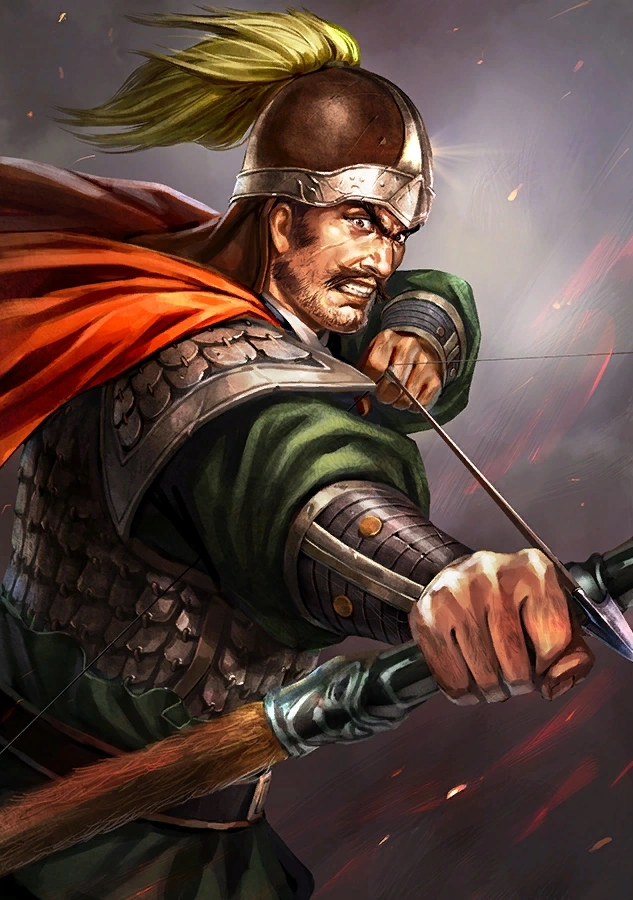
Ma Zhong – 马忠 – Mã Trung
However, Red Hare refused to accept a new master. Expressing grief for Guan Yu, the horse refused all food and water, starving itself to death several days later. This final act elevated Red Hare from a mere weapon of war into an immortal symbol of fidelity (Yì, 义, Nghĩa).
Summary of Key Profile Details
| Aspect | Historical & Literary Details |
| Chinese Name | 赤兔马 (Chì Tù Mǎ) |
| Vietnamese Name | Ngựa Xích Thố |
| Primary Owners | Dong Zhuo -> Lu Bu -> Cao Cao -> Guan Yu -> Ma Zhong |
| Peak Breed Type | Ferghana Horse / “Heavenly Horse” (天马) |
| Key Symbolism | Supreme Speed, Martial Superiority, Absolute Loyalty (Yi) |
| Ultimate Fate | Starved itself to death following Guan Yu’s death (220 AD) |
Historical Reality vs. Literary Myth
-
In History (Records of the Three Kingdoms): Red Hare was indeed a real, extraordinary warhorse owned by Lu Bu. Historical records confirm the famous phrase: “Among men, Lu Bu; among horses, Red Hare.” However, there is no historical record indicating that Red Hare was given to Guan Yu or that it starved itself to death.
-
In Literature (Romance of the Three Kingdoms): Luo Guanzhong brilliantly extended Red Hare’s lifespan and narrative arc. By pairing the horse with Guan Yu, the author created a poetic contrast: while Lu Bu used Red Hare out of personal ambition, Guan Yu used Red Hare out of loyalty to his sworn brother.
For detailed historical records, archives, and official chronicles, explore Red Hare on Wikipedia.
Red Hare (赤兔马) — Historical & Literary Timeline
189 AD
Bribe that kills Ding Yuan
Dong Zhuo gifts Red Hare (with gold) via Li Su; Lu Bu murders Ding Yuan and joins Dong Zhuo.
190–198 AD
Lu Bu’s warhorse
Carries Lu Bu at Hulao and through the northern wars until capture at Xiapi.
200 AD
Gift to Guan Yu
Cao Cao presents Red Hare at Xuchang; Guan Yu bows, intending to race to Liu Bei when news comes.
200 AD
Baima, Yanjin, Five Passes
Speed enables the slaying of Yan Liang and Wen Chou and the pursuit kills on the five-pass road.
220 AD (novel)
Starves after Guan Yu
Given to Ma Zhong after Maicheng; refuses fodder and dies of grief in the novel.
In Novel
Chapter 3
- Red Hare (赤兔马, Ngựa Xích Thố): Dong Zhuo (董卓, Đổng Trác), advised by Li Su (李肃, Lý Túc), gifts the steed with treasure to Lu Bu (吕布, Lã Bố); Lu Bu murders Ding Yuan (丁原, Đinh Nguyên) and defects.
Chapter 25
- Red Hare (赤兔马, Ngựa Xích Thố): Cao Cao (曹操, Tào Tháo) presents the horse to Guan Yu (关羽, Quan Vũ) at Xuchang. Guan Yu bows deeply—unlike for gold or silks—because a thousand-li mount can reach Liu Bei (刘备, Lưu Bị) in a day once news arrives.
Chapter 25–27
- Red Hare (赤兔马, Ngựa Xích Thố): Carries Guan Yu to behead Yan Liang (颜良, Nhan Lương) and Wen Chou (文丑, Văn Sú), then overtakes fleeing officers such as Meng Tan (孟坦, Mạnh Thản) on the five-pass road.
Chapter 77
In History
Summary
- Red Hare (赤兔马, Ngựa Xích Thố) is attested in tradition tied to Lu Bu (吕布, Lã Bố); the proverb “Among men, Lu Bu; among horses, Red Hare” reflects early fame of that pairing.
- Transfer to Guan Yu, the five-pass rides, and the hunger strike after Maicheng are novel elaborations, not secure SGZ narrative.
1 comment
[…] by Li Su with gifts including the Red Hare horse, Lu Bu betrays and murders his adoptive father Ding Yuan, defecting to serve Dong […]