
Contents
Biography & Historical Record
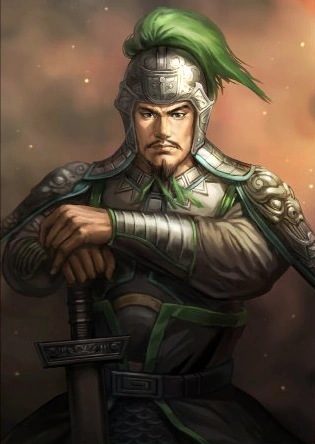
Wang Ji (206–261 AD), courtesy name Bohxing, was a prominent military commander and politician of the Cao Wei state during the Three Kingdoms period. Born in Taiyuan, Jinyang, he was the nephew of the famous Wei statesman Wang Chang. Known for his intelligence, calm demeanor, and exceptional strategic vision from a young age, Wang Ji served in various official capacities, demonstrating remarkable administrative skill and military prowess. He played a crucial role in frontier defense and internal pacification, earning deep trust from the imperial court and contributing significantly to the stability of Cao Wei.
Throughout his career, Wang Ji held several key regional and central commands, notably serving as the Administrator of Xiongnu affairs and managing strategic border regions. His ability to balance military firmness with diplomatic tact helped maintain peace with minority tribes. Later in his career, he participated in military operations and governance under the regency of the Sima clan, maintaining a reputation for incorruptibility and dedication until his passing in 261 AD at the age of fifty-six.
Role in Romance of the Three Kingdoms
In Luo Guanzhong’s historical novel Romance of the Three Kingdoms, Wang Ji is depicted as a capable and loyal military officer who assists Cao Wei in strategic defense and regional campaigns. While not playing a central protagonist role, his character reflects the steady and reliable talent utilized by Wei during the mid-to-late Three Kingdoms period, particularly in supporting major campaigns and maintaining order in contested commanderies.
Notable Quotes & Famous Sayings
- “A true officer serves the state with undivided loyalty, maintaining peace on the borders and discipline within the ranks.” — Wang Ji’s guiding principle in regional administration.
Wang Ji (王基) — Historical & Literary Timeline
238–250 AD
Border Management & Regional Administration
Wang Ji serves in northern commanderies, successfully managing relations with nomadic tribes and establishing a reputation for firm and just governance.
255 AD
Campaign Against Guanqiu Jian
Wang Ji participates in the suppression of Guanqiu Jian and Wen Qin’s rebellion in Huainan, commanding forces to secure strategic positions for Cao Wei.
261 AD
Death of Wang Ji
Wang Ji passes away at the age of fifty-six, leaving behind a legacy of dedicated service and military distinction under the Wei state.
Key Relationships
Family
- Wang Chang (王昶, Vương Sưởng) — His uncle, a prominent Wei statesman and general who provided guidance and influence during Wang Ji’s early career.
Friends
- Sima Yi (司马懿, Tư Mã Ý) — The Wei regent who recognized Wang Ji’s administrative talent and appointed him to significant regional posts.
- Sima Zhao (司马昭, Tư Mã Chiêu) — The regent under whom Wang Ji served during the suppression of the Huainan rebellions, maintaining a close professional alignment.
Enemies
- Guanqiu Jian (毋丘俭, Vô Khâu Kiệm) — A Wei general who led a rebellion in Huainan in 255 AD; Wang Ji played a key role in the military campaign to suppress this uprising.
- Wen Qin (文钦, Văn Khâm) — A rebel leader in the 255 AD Huainan uprising who opposed the Sima clan and was defeated by forces including those commanded by Wang Ji.
- Eastern Wu (东吴, Đông Ngô) — The rival state whose forces frequently clashed with Wang Ji during his tenure managing the border regions and Huainan campaigns.
Other
- No information
In Novel
Chapter 69
- Wang Ji (王基, Vương Cơ): Wang Ji is identified as the Administrator of Anping. Knowing of Guan Lu’s reputation as a remarkable diviner, Wang Ji invites him to his household. Guan Lu is then asked to investigate illnesses affecting the wife and son of the Xindu magistrate, and he explains the supposed supernatural cause. Wang Ji’s appearance is brief, but the novel explicitly names him and identifies his office.
Chapter 110
- Wang Ji (王基, Vương Cơ): Wang Ji serves as a senior Wei commander during the suppression of the Huainan rebellion. Together with Hu Zun and Deng Ai, he advances against the rebel forces after Wen Qin’s position collapses. He helps close the routes around the rebels and contributes to the pressure that drives Wen Qin toward surrender to Wu.
Chapter 111
- Wang Ji (王基, Vương Cơ): When Sima Zhao mobilizes a massive army against Zhuge Dan at Shouchun, Wang Ji is appointed the principal vanguard commander. He leads the forward Wei forces and defeats the Wu relief commanders Zhu Yi and Tang Zi in the opening fighting, establishing the Wei army’s superiority before the siege of Shouchun.
Chapter 112
- Wang Ji (王基, Vương Cơ): Wang Ji continues as a key Wei commander during the siege of Shouchun. He helps defeat Zhuge Dan’s forces when they attempt to break out, maintains the encirclement, and participates in the fighting against the Wu relief army. When the southern side of the siege is threatened, he follows Sima Zhao’s orders and helps restore the blockade, later joining Chen Qian in defeating Wu troops. His actions contribute directly to the fall of Shouchun and the defeat of Zhuge Dan.
In History
Summary
- Wang Ji (王基, Vương Cơ), courtesy name Boyu, was a Wei general and military strategist.
Year: 255 AD
- Wang Ji (王基, Vương Cơ) helped suppress the rebellion of Guanqiu Jian and Wen Qin and played an important role in the campaign.
Historical Record
- Wang Ji (王基, Vương Cơ) was a real historical general whose career included important campaigns against both internal rebellions and Shu.
Gallery