

Contents
Biography & Historical Record
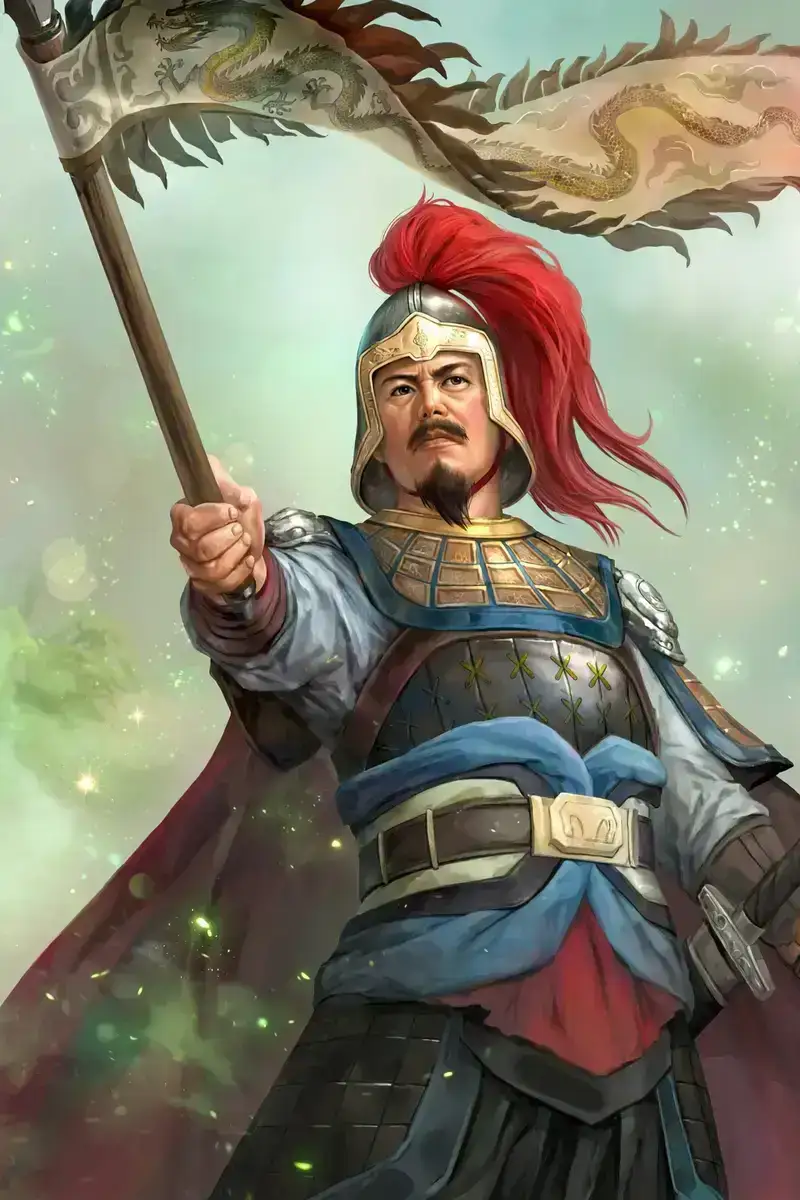
Wang Jun (206–286 AD), courtesy name Shizhi, was a prominent military general and politician of the late Three Kingdoms period and early Western Jin dynasty. Born in Hu County, Hongnong Commandery, he came from a family of government officials and was well-read, ambitious, and known for his striking appearance. Early in his career, he served as an assistant officer in Hedong Commandery. Although officials like Yang Ji considered him unbridled and extravagant, the seasoned general Yang Hu recognized his extraordinary military genius and recommended him.
In 272 AD, Wang Jun was appointed Administrator of Guanghan Commandery and subsequently Inspector of Yi Province. Under the directives of Emperor Wu of Jin, he supervised the massive construction of large multi-tiered warships and battleships equipped with catapults and protected against defense chains to prepare for the final conquest of Eastern Wu. In 279 AD, he submitted a formal memorial urging the invasion. In 280 AD, commanding the formidable Western Jin naval fleet from Sichuan down the Yangtze River, his armada shattered enemy defenses, captured strategic strongholds including Xiling and Wuchang, and sailed directly to the enemy capital of Jianye, forcing the last Wu emperor Sun Hao to surrender and unifying China. Despite initial jealousy and slander from rival generals like Wang Hun, his monumental contributions were eventually recognized through advocacy by officials like Li Mi, leading to high military appointments and the peerage as Marquis of Xiangyang. He passed away in 286 AD at the age of seventy-nine and was posthumously honored as Marquis Wu.
Role in Romance of the Three Kingdoms
In Luo Guanzhong’s historical novel Romance of the Three Kingdoms, Wang Jun is celebrated as the brilliant naval mastermind who engineered the ultimate downfall of Eastern Wu in Chapter 120. Acting upon the grand strategy formulated alongside Yang Hu and Du Yu, Wang Jun constructs gigantic floating fortresses and multi-deck warships equipped with mechanical catapults and fiery armaments at Shu. When the Jin dynasty launches its multi-pronged offensive against Eastern Wu, Wang Jun’s invincible fleet sails downstream from Sichuan, effortlessly breaking through the iron chains and spiked obstacles stretched across the Yangtze River by the Wu defenders.
His fleet strikes terror into the heart of the southern realm, capturing vital river fortifications and arriving at Jianye before other land armies can converge. Faced with Wang Jun’s overwhelming naval might and descending banners, the last ruler of Wu, Sun Hao, ties his own hands and surrenders, bringing an end to the Three Kingdoms era and fulfilling the Mandate of Heaven for reunification under the Jin dynasty.
Notable Quotes & Famous Sayings
- “With these great warships and a united mandate, no barrier on the Yangtze can stop our descent to pacify the south.” — Wang Jun addressing his officers before launching the naval campaign against Eastern Wu.
Wang Jun (王濬) — Historical & Literary Timeline
Appointment as Administrator of Guanghan
Wang Jun begins his prominent regional career in the southwest, later becoming Inspector of Yi Province under the recommendation of general Yang Hu.
Construction of the Great Warships
Under imperial orders, Wang Jun secretly oversees the construction of massive multi-deck warships equipped with catapults and defensive structures along the upper Yangtze in preparation for invading Eastern Wu.
Submitting the Memorial for Invasion
Wang Jun joins Du Yu in presenting formal memorials to Emperor Wu of Jin, advising that all conditions are ripe to launch a decisive naval and land invasion against Eastern Wu.
Sailing Downstream and Breaking the Iron Chains
Commanding the western naval armada, Wang Jun shatters Wu’s defensive chains and floating barriers across the Yangtze, capturing Xiling and driving terror into the southern commanderies.
Accepting the Surrender of Eastern Wu
Wang Jun’s fleet arrives first at the enemy capital of Jianye, where the last Wu emperor Sun Hao surrenders with bound hands, successfully ending the Three Kingdoms period.
Death of Wang Jun
After serving in high military commands and receiving the title of Marquis of Xiangyang, Wang Jun passes away at the age of seventy-nine and is posthumously given the title Marquis Wu.
For detailed historical records, archives, and official chronicles, explore Wang Jun on Wikipedia.
Key Relationships
Family
- Wang Ju (王矩, Vương Củ) — Son of Wang Jun who inherited his father’s peerage as the Marquis of Xiangyang.
- Wang Chang (王畅, Vương Sướng) — Son of Wang Jun who served as a mounted gentleman in the Jin government.
- Xu Miao’s daughter (徐邈之女, Từ Mạc chi nữ) — Wife of Wang Jun.
Friends
- Yang Hu (羊祜, Dương Hỗ) — A seasoned Jin general who recognized Wang Jun’s military genius and recommended him for high command, facilitating his rise to prominence.
- Du Yu (杜预, Đỗ Dự) — A strategic commander who coordinated the northern land offensives in tandem with Wang Jun’s naval campaign against Eastern Wu in 280 AD.
- Li Mi (李密, Lý Mật) — A loyal Jin official who advocated for Wang Jun at court, successfully defending him against the slanders of rival generals.
Enemies
- Sun Hao (孙皓, Tôn Hạo) — The last emperor of Eastern Wu who was forced to surrender to Wang Jun’s naval forces at Jianye in 280 AD, marking the end of the Three Kingdoms period.
- Wang Hun (王浑, Vương Hồn) — A rival Jin general who harbored jealousy toward Wang Jun’s military successes and slandered him to the imperial court.
Other
- Emperor Wu of Jin (司马炎, Tư Mã Viêm) — The founding emperor of the Western Jin dynasty who entrusted Wang Jun with the command of the naval fleet and the mission to conquer Eastern Wu.
In Novel
Chapter 120
- Wang Jun (王濬, Vương Tuấn): Wang Jun is introduced as the Jin Dragon-Cavalry General commanding the naval force in the final invasion of Wu. He advances downstream with a huge fleet and uses specially constructed rafts and burning devices to clear Wu’s iron chains and underwater iron spikes from the river. He captures key river positions, presses toward Stone Head City, and refuses to delay despite rough water. When Wu commander Zhang Xiang offers to surrender, Wang Jun accepts the opportunity and uses the surrender to open the city to Jin troops. Sun Hao, learning that Jin forces have entered the city, eventually comes to Wang Jun’s camp and formally surrenders. Wang Jun accepts Sun Hao with the treatment due to a king, and the conquest of Wu is completed. His victory makes him one of the decisive commanders in the novel’s final reunification of the realm.
In History
Summary
- Wang Jun (王濬, Vương Tuấn), courtesy name Shixia, was a Jin general best known for commanding the naval invasion of Eastern Wu.
Year: 280 AD
- Wang Jun (王濬, Vương Tuấn) led the Jin fleet down the Yangtze and captured Jianye, contributing decisively to the destruction of Eastern Wu.
Historical Record
- Wang Jun (王濬, Vương Tuấn) was a real historical commander. His campaign completed the Jin conquest and the reunification of China.