
Contents
Biography & Historical Record
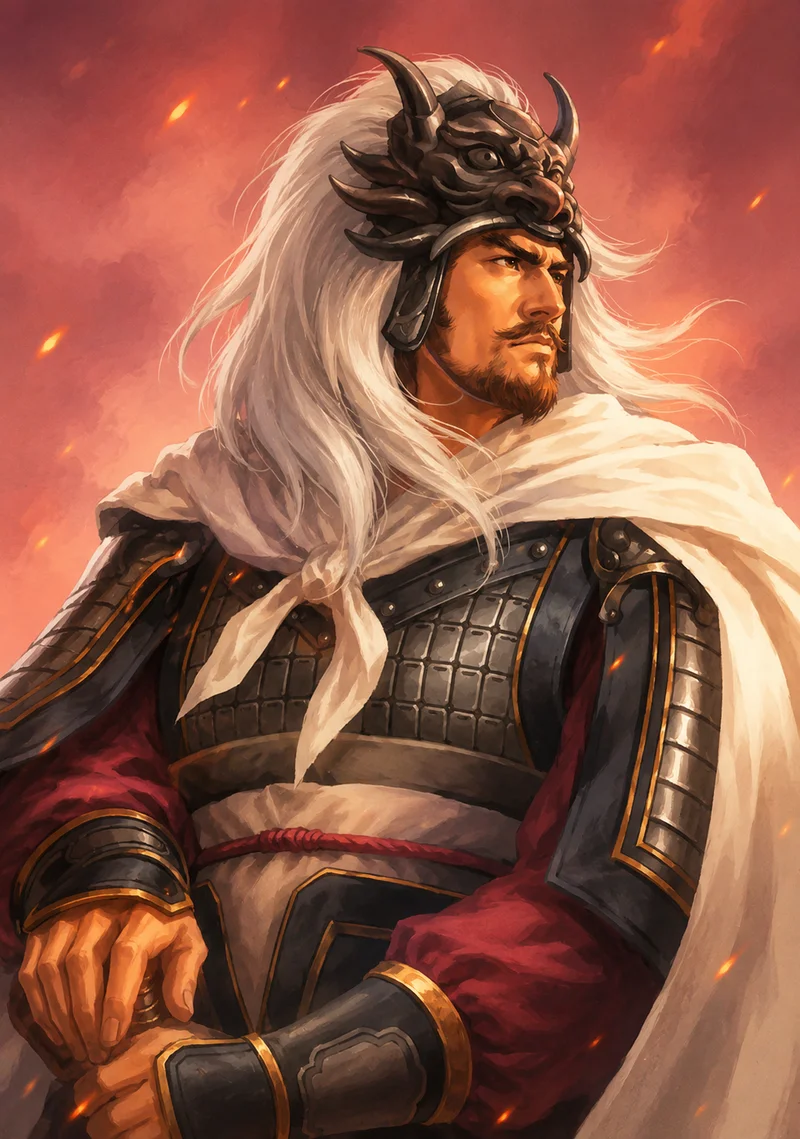
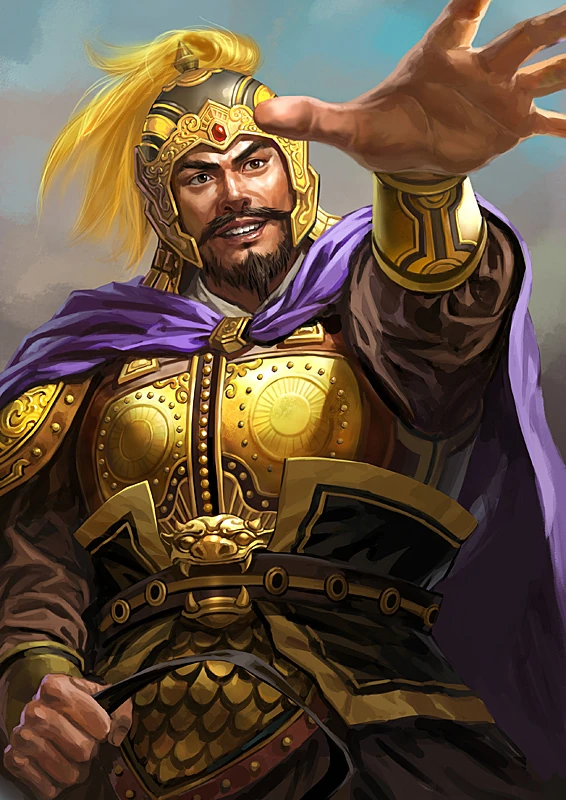
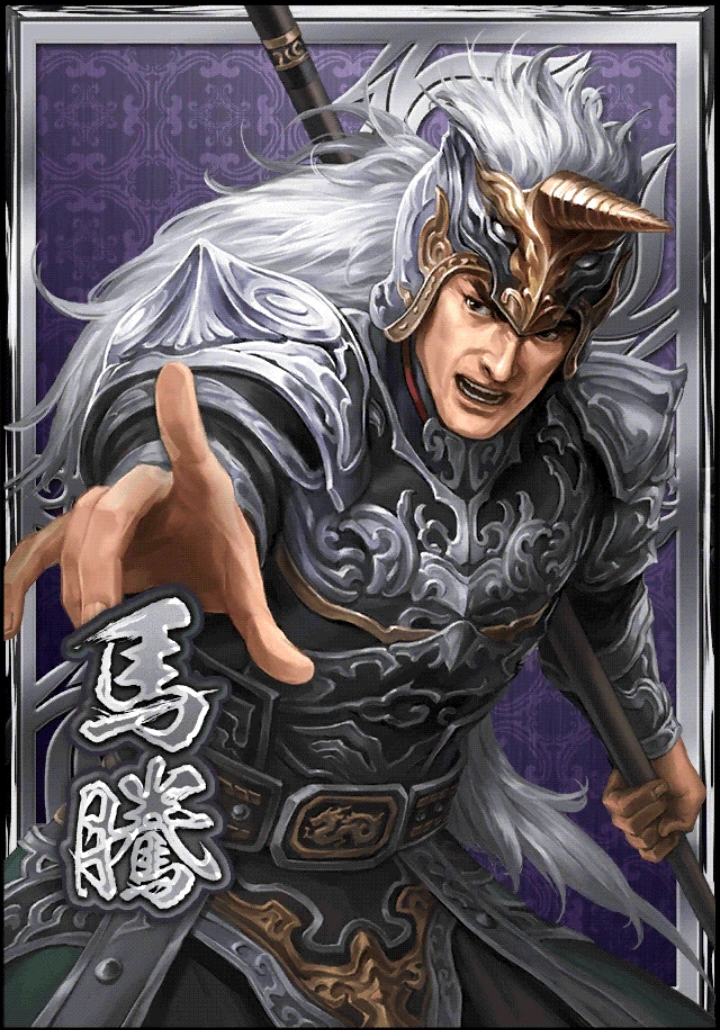
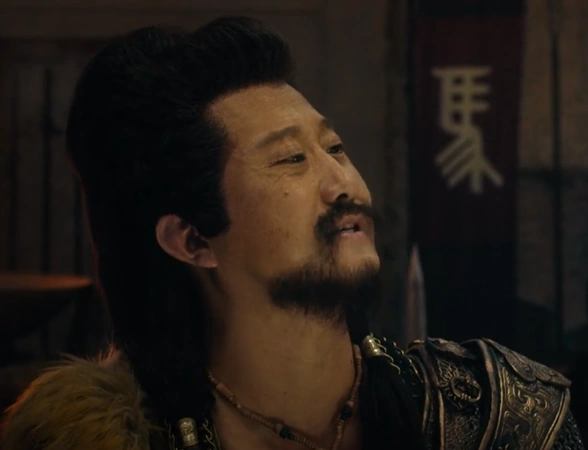
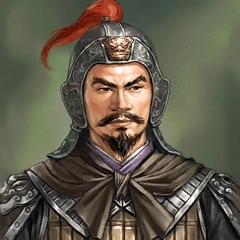
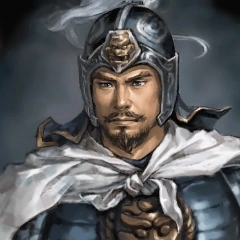
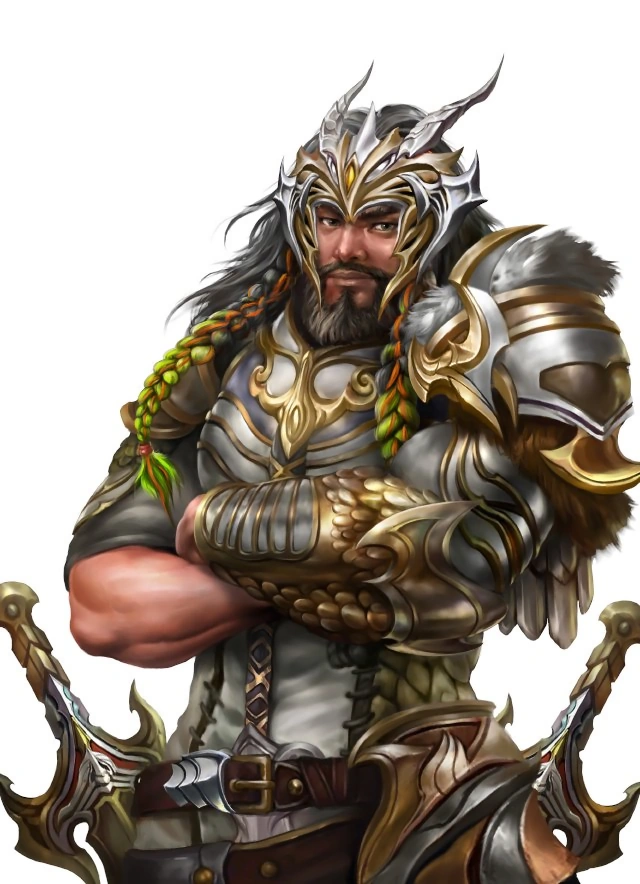
Ma Teng (154–212 AD), courtesy name Shoucheng, was a powerful warlord and prominent military commander who controlled Liang Province (Xiliang) during the late Eastern Han dynasty. Claiming descent from General Ma Yuan of the early Han era, Ma Teng’s family fortunes had declined by the time of his father, Ma Ping, who migrated to live among the Qiang tribes and married a Qiang woman. Consequently, Ma Teng was born of mixed Han and Qiang heritage. Growing up in extreme poverty, he earned a living in his youth by gathering firewood in the mountains to sell in local towns. Historical records describe him as standing over eight chi tall (approx. 185 cm), possessing an imposing posture, a dignified appearance, and a gentle, trustworthy demeanor that earned him immense local respect.
During the Liang Province rebellion in 187 AD under Emperor Ling, Ma Teng volunteered for military service, distinguishing himself in battle and earning a commission as a commander. Following the murder of Liang Province Inspector Geng Bi by rebels, Ma Teng allied with rebel leaders Bian Zhang and Han Sui to establish an autonomous warlord force. After Dong Zhuo’s assassination in 192 AD, the central court controlled by Li Jue appointed Ma Teng as General Who Conquers the West to pacify the western frontier. However, friction quickly arose, leading Ma Teng and Han Sui to launch a failed assault against Chang’an. Despite swearing an oath of blood brotherhood with Han Sui, severe power struggles erupted between them, resulting in violent military clashes during which Han Sui slew Ma Teng’s wife and children.
In 208 AD, seeking to neutralize the Liang Province warlords before campaigning south, Cao Cao dispatched Zhang Ji to persuade Ma Teng to relinquish his military command and move to the capital at Xuchang. Ma Teng accepted, transferring his troops and cavalry to his eldest son Ma Chao, and relocated his extended family of over 200 members to Ye City. In 211 AD, when Cao Cao mobilized forces under the pretext of invading Hanzhong, Ma Chao feared an imminent attack on Liang Province and revolted alongside Han Sui. Outraged by Ma Chao’s open rebellion, Cao Cao executed Ma Teng alongside his sons Ma Xiu and Ma Tie and exterminated his entire clan in Ye City in 212 AD.
Role in Romance of the Three Kingdoms
In Luo Guanzhong’s Romance of the Three Kingdoms, Ma Teng is portrayed as a noble, deeply loyal Han loyalist rather than an opportunistic warlord. Featured prominently from Chapter 5 to Chapter 57, Ma Teng joins the coalition against Dong Zhuo and later signs Dong Cheng’s secret blood pact issued by Emperor Xian to assassinate Cao Cao. To shield Ma Chao from the charge of unfilial conduct, Luo Guanzhong reverses the historical timeline: Ma Teng travels to Xuchang in an attempt to assassinate Cao Cao, but the plot is leaked by Miao Ze. Cao Cao executes Ma Teng, Ma Xiu, and Ma Tie, prompting Ma Chao to launch a righteous campaign of vengeance against Cao Cao.
Ma Teng (馬騰) — Literary Timeline
Campaign Against Dong Zhuo
Rallies Liang Province cavalry to join the eighteen-warlord coalition against Dong Zhuo at Sishui Pass and Hulao Pass.
Assault on Chang’an
Allies with Han Sui and secret court conspirators to attack Li Jue and Guo Si at Chang’an, retreating after running out of grain supplies.
Signing the Girdle Decree
Signs Dong Cheng’s secret blood decree issued by Emperor Xian to plot Cao Cao’s assassination before returning to Liang Province.
Assassination Plot and Martyrdom
Summoned to Xuchang by Cao Cao; attempts a secret assassination attempt which is betrayed by Miao Ze, resulting in his execution alongside Ma Xiu and Ma Tie.
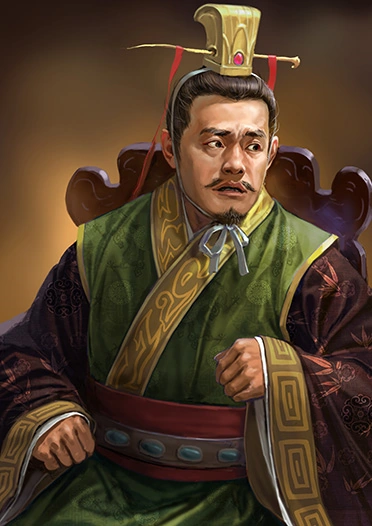
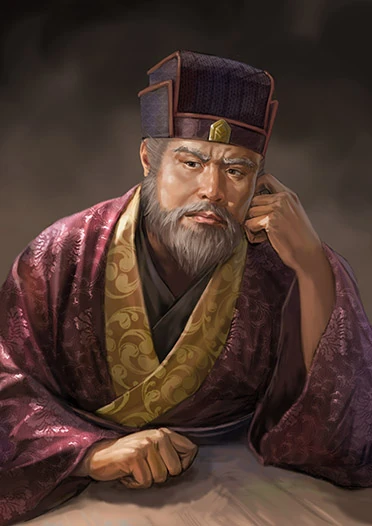
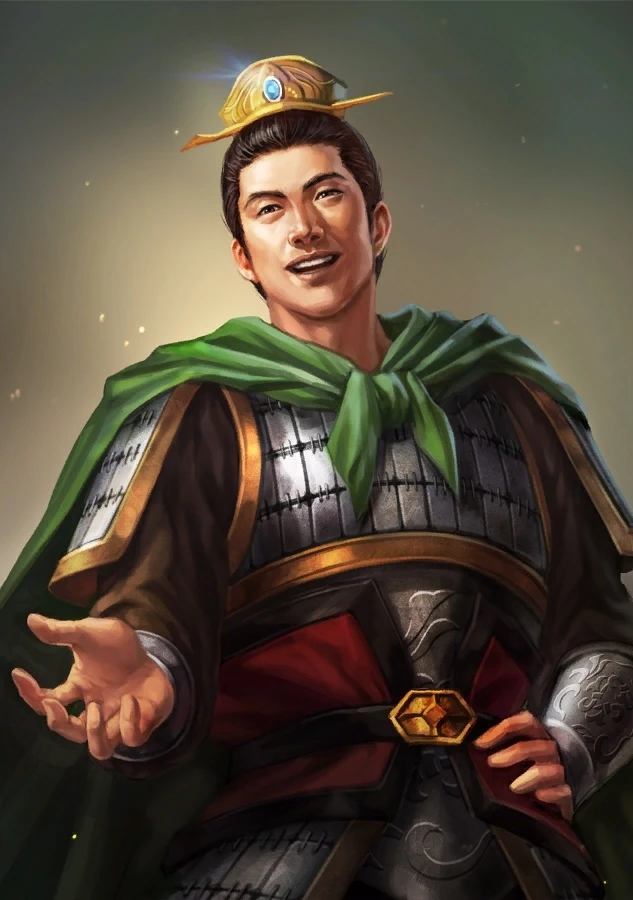
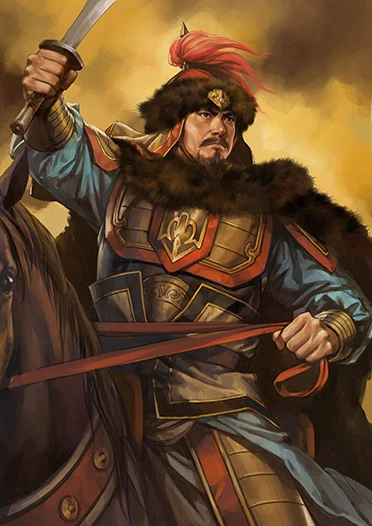
Comrades






Key Relationships
Family
- Ma Ping (马平, Mã Bình) — Father, a former official who migrated to the western frontier and lived among the Qiang tribes.
- Ma Chao (马超, Mã Siêu) — Eldest son, a prominent general who inherited Ma Teng’s command in Liang Province and later served under Liu Bei.
- Ma Xiu (马休, Mã Hưu) — Younger son who accompanied Ma Teng to the capital and was executed by Cao Cao in 212 AD.
- Ma Tie (马铁, Mã Thiết) — Younger son who accompanied Ma Teng to the capital and was executed by Cao Cao in 212 AD.
- Ma Dai (马岱, Mã Đại) — Nephew who escaped the purge in Xuchang and eventually became a high-ranking general for Shu Han.
- Ma Yuan (马援, Mã Viện) — Ancestor, the renowned Eastern Han general known as the “General Who Pacifies the Waves.”
Friends
- Han Sui (韩遂, Hàn Toại) — A fellow Liang Province warlord and sworn brother; despite their initial alliance, they later became bitter rivals and engaged in violent military conflicts.
- Dong Cheng (董承, Đổng Thừa) — An imperial relative who organized the secret girdle decree plot against Cao Cao, which Ma Teng joined in 199 AD.
- Liu Bei (刘备, Lưu Bị) — A fellow Han loyalist and co-signatory of the secret girdle decree aimed at restoring the Han dynasty.
- Huangfu Song (皇甫嵩, Hoàng Phủ Tung) — A prominent Han general under whose command Ma Teng served during the early frontier rebellions.
Enemies
- Cao Cao (曹操, Tào Tháo) — The Prime Minister of Han who summoned Ma Teng to the capital and ordered his execution along with his clan in 212 AD.
- Li Jue (李傕, Lý Thôi) — A successor to Dong Zhuo against whom Ma Teng launched a failed military campaign at Chang’an in 194 AD.
- Guo Si (郭汜, Quách Dĩ) — A warlord and ally of Li Jue who opposed Ma Teng’s forces during the conflict at Chang’an.
- Dong Zhuo (董卓, Đổng Trác) — The tyrannical prime minister whose rise to power prompted Ma Teng to join the eighteen-warlord coalition in 190 AD.
- Miao Ze (苗泽, Miêu Trạch) — A relative whose betrayal of the secret assassination plot in Xuchang led directly to Ma Teng’s capture and execution.
Other
- Emperor Xian (汉献帝, Hán Hiến Đế) — The last emperor of the Eastern Han dynasty who issued the secret girdle decree that Ma Teng pledged to uphold.
In Novel
Chapter 5
- Ma Teng (马腾, Mã Đằng): Governor of Xiliang, courtesy name Shoucheng (寿成), a descendant of the famed General Ma Yuan (马援, Mã Viện); he joined the eighteen-warlord coalition against Dong Zhuo (董卓, Đổng Trác) as the thirteenth commander.
Chapter 10
- Ma Teng (马腾, Mã Đằng): Allied with Han Sui (韩遂, Hàn Toại) to launch a loyalist campaign against Li Jue (李傕, Lý Thôi) and Guo Si (郭汜, Quách Dĩ) in Chang’an, achieving initial victories behind his teenage son Ma Chao (马超, Mã Siêu) before retreating due to grain shortages.
Chapter 20
- Ma Teng (马腾, Mã Đằng): Entered the imperial capital and was invited by Emperor Xian (刘协, Hán Hiến Đế) to participate in court deliberations while observing Cao Cao’s (曹操, Tào Tháo) autocratic conduct.
Chapter 21
- Ma Teng (马腾, Mã Đằng): Joined General Dong Cheng (董承, Đổng Thừa) and signed the secret blood decree (衣带诏) sworn to assassinate Cao Cao (曹操, Tào Tháo), before withdrawing his troops back to Liangzhou to await the call to action.
Chapter 57
- Ma Teng (马腾, Mã Đằng): Summoned to the imperial capital of Xuchang (许昌) by Cao Cao (曹操, Tào Tháo) under the pretext of an imperial promotion; he conspired with Huang Kui (黄奎, Hoàng Khuê) to stage an armed coup against Cao Cao.
Chapter 58
- Ma Teng (马腾, Mã Đằng): Betrayed by Huang Kui’s (黄奎, Hoàng Khuê) concubine and intercepted in an ambush by Cao Cao’s (曹操, Tào Tháo) forces outside Xuchang; Ma Teng fought valiantly but was captured and executed alongside his sons Ma Xiu (马休, Mã Hưu) and Ma Tie (马铁, Mã Thiết), precipitating Ma Chao’s grand uprising.
In History
Period I
- Ma Teng (马腾, Mã Đằng), courtesy name Shoucheng, was a military leader from Liang Province with mixed Han and Qiang family background. He rose during the rebellions in Liang Province and became an important regional commander.
Year: 192 AD
- Ma Teng (马腾, Mã Đằng) was recognized by the Han court and received military titles after participating in the struggles in Liang Province. His rivalry and later reconciliation with Han Sui (韩遂, Hàn Toại) were central to the politics of the northwest.
Year: 202 AD
- Ma Teng (马腾, Mã Đằng) cooperated with the Han government against the forces of Yuan Shao (袁绍, Viên Thiệu). His son Ma Chao (马超, Mã Siêu) led troops in the campaign against Guo Yuan.
Year: 208 AD
- Ma Teng (马腾, Mã Đằng) accepted a summons to the imperial court and moved to Ye. He was appointed Grand Commandant of the Guards, while Ma Chao inherited command of his former troops. His sons Ma Xiu (马休, Mã Hưu) and Ma Tie (马铁, Mã Thiết) received official appointments.
Year: 212 AD
- Ma Teng (马腾, Mã Đằng) and his household were executed by Cao Cao (曹操, Tào Tháo) after Ma Chao rebelled in Guanzhong. The execution extended to more than two hundred members of his family and dependents according to the historical record.
Summary
- Ma Teng (马腾, Mã Đằng) was a real historical warlord. The novel turns his relationship with Ma Chao and Han Sui into a more dramatic family and brotherhood narrative than the surviving histories support.
Gallery

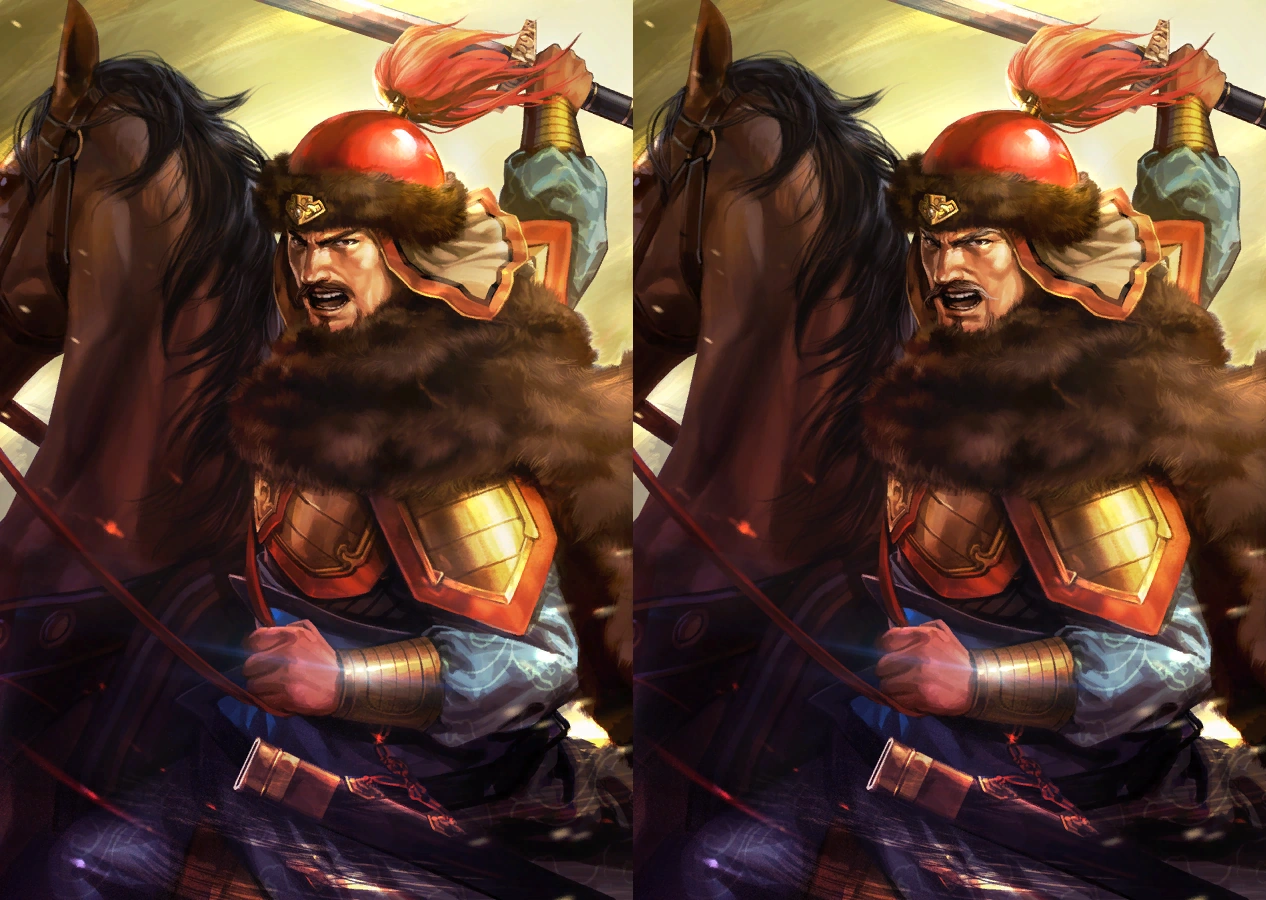
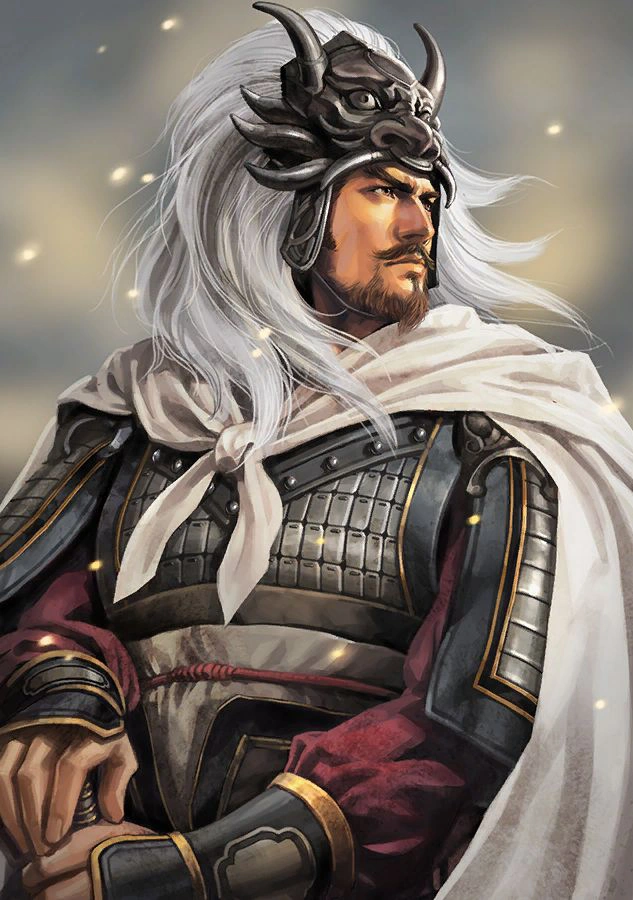


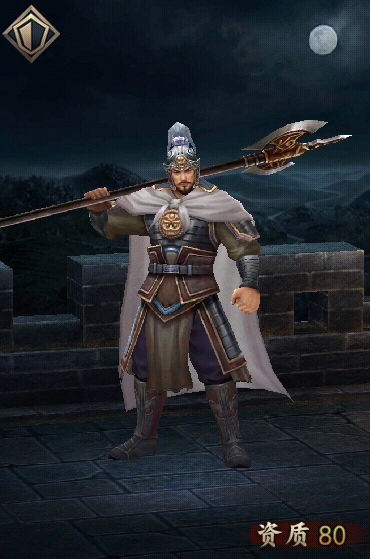
Famous Allusion
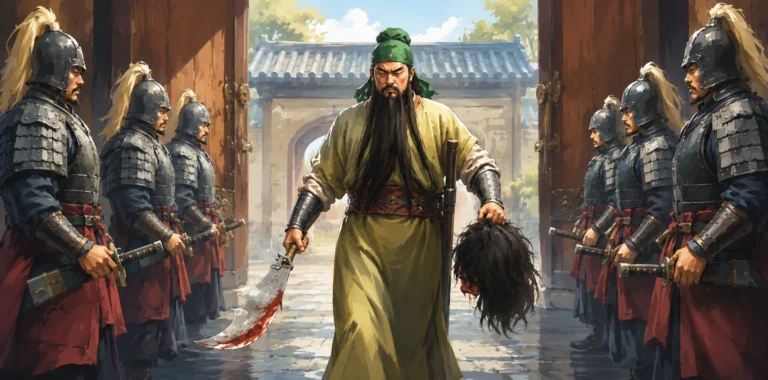
温酒斩华雄, Wēn Jiǔ Zhǎn Huá Xióng, Ôn Tửu Trảm Hoa Hùng
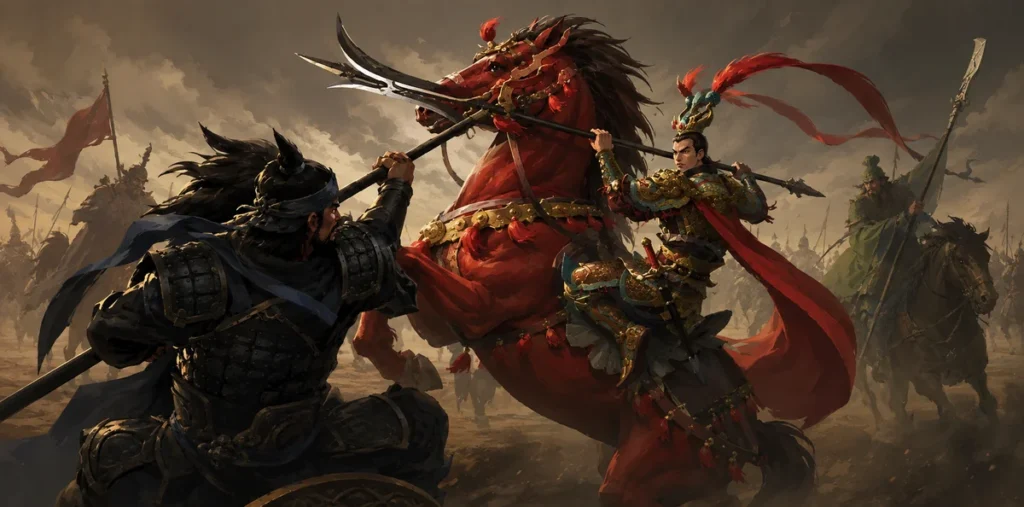
Three Heroes Battle Lu Bu at Hulao Pass - Tam Anh Chiến Lữ Bố