

Contents
Biography & Historical Record
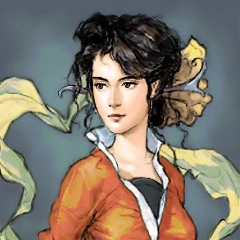
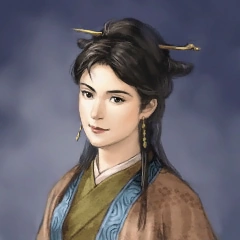
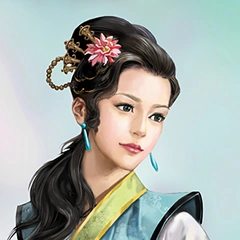
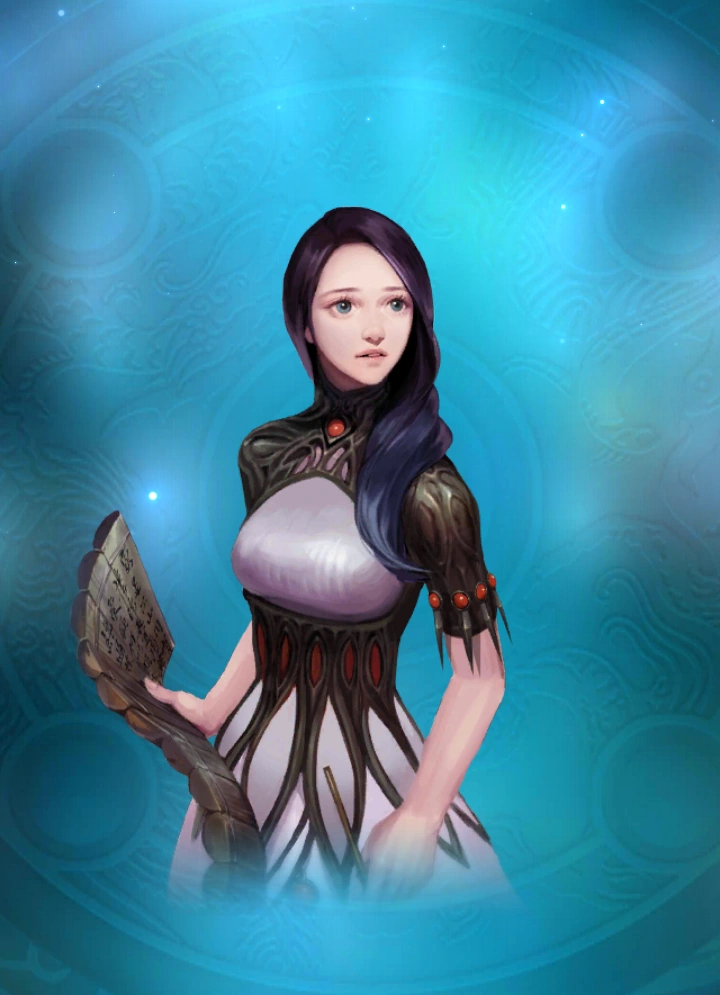
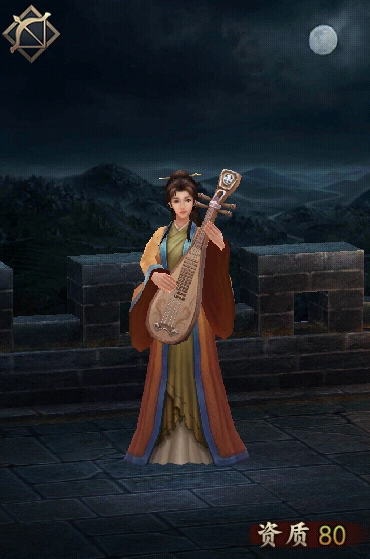
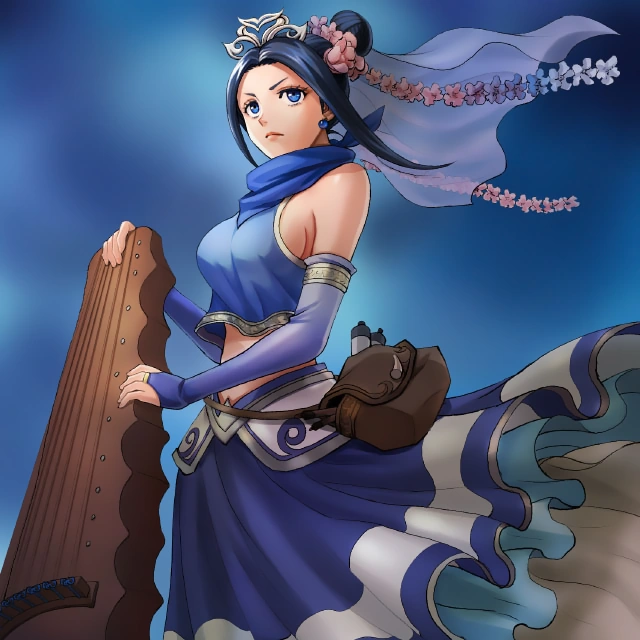
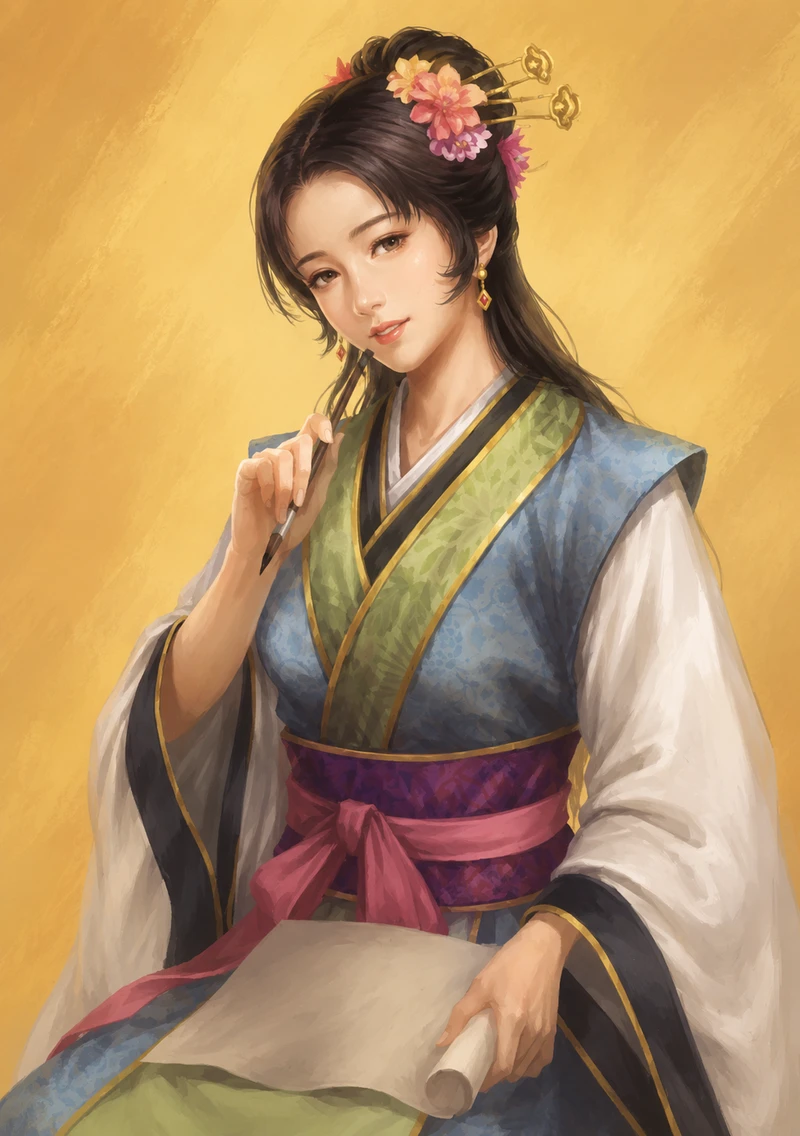
Cai Wenji (177–249 AD), also known by her birth name Cai Yan, courtesy name Wenji (or Zhaoji in some historical texts), was a renowned poet, musician, and scholar of the late Eastern Han dynasty. Born in Yu County of Chenliu Commandery, she was the brilliant daughter of the illustrious statesman, calligrapher, and historian Cai Yong. Gifted with extraordinary intellect from youth, Cai Wenji excelled in literature, poetry, astronomy, mathematics, and music; famously, upon hearing her play the qin from outside a courtyard, her father instantly recognized the direction from which a broken string’s sound emanated. In her youth, she married Wei Zhongdao, but tragically, her husband died prematurely without leaving any children, prompting Cai Wenji to return to her father’s home in Chenliu.
During the chaotic civil wars following the fall of the Han court and the death of her father, northern China was overrun by nomadic tribes. Around 195 AD, during an incursion by the Southern Xiongnu, Cai Wenji was captured by Xiongnu marauders and taken north into the steppe. During her twelve years of captivity among the Xiongnu, she became the wife of the Left Wise King (*Zuo Xianwang*) and bore him two sons. Despite living among the nomads, she never forgot her homeland or her classical education. In 208 AD, Cao Cao, who had risen to power and deeply respected Cai Yong’s literary legacy, paid a massive ransom of gold and jade to the Xiongnu shanyu to purchase Cai Wenji’s freedom and bring her back to the Central Plains so that the Cai family lineage could be preserved. Upon her return, Cao Cao arranged for her to marry Dong Si, an official in his administration.
Though initially distraught at being forced to leave her two children behind in the Xiongnu territory, Cai Wenji channeled her profound grief and harrowing life experiences into immortal literary masterpieces. Most famous among her works are her autobiographical poems, collectively known as *Poem of Sorrow and Anger* (*Beifen Shi*), and her musical composition *Eighteen Beats of a Barbarian Flute* (*Hujia Shibaishi*). Furthermore, when Cao Cao remarked with regret that the extensive library of over 4,000 ancient texts compiled by her father had been completely lost to war, Cai Wenji recited from memory over 400 philosophical and historical texts without a single error, single-handedly rescuing a vast trove of Chinese intellectual heritage from oblivion.
Role in Romance of the Three Kingdoms
While Luo Guanzhong’s novel Romance of the Three Kingdoms focuses primarily on military campaigns and political struggles rather than cultural history, Cai Wenji’s lineage and her father Cai Yong form critical dramatic touchstones in the early chapters. Her father Cai Yong is famously protected and revered by Wang Yun and later executed by Dong Zhuo’s fallout, while Cai Wenji’s later redemption and recovery by Cao Cao stands as a historic testament to Cao Cao’s genuine appreciation for letters, scholarship, and cultural preservation during an era of bloodshed.
Notable Quotes & Famous Sayings
- “My body is torn between two worlds; my heart weeps for the children left behind in the northern sands, yet my soul rejoices to tread once more upon Han soil.” — Cai Wenji reflecting on her bittersweet return from Xiongnu captivity.
- “A dynasty may crumble to dust and steel may rust away, but the true spirit of poetry and music shall outlive the heavens.” — Attributed wisdom reflecting her lifelong dedication to scholarship.
- “Though my father’s physical works were scattered by the fires of war, the ink of his wisdom remains eternal within my memory.” — Cai Wenji reciting over 400 ancient texts to Cao Cao.
Cai Wenji (蔡文姬) — Historical & Literary Timeline
Birth in Chenliu
Born in Yu County of Chenliu Commandery as the daughter of the esteemed scholar and statesman Cai Yong.
First Marriage and Widowhood
Marries Wei Zhongdao; following his early death without issue, she returns to her paternal home in Chenliu.
Capture by Xiongnu Nomads
During the widespread chaos and tribal raids of the collapsing Han dynasty, Cai Wenji is captured by Xiongnu raiders and taken deep into the northern steppes, where she marries the Left Wise King and bears two sons.
Ransomed by Cao Cao
Knowing of Cai Yong’s great scholarship and wishing to preserve the Cai family legacy, Cao Cao pays a massive ransom of gold and jade to the Xiongnu to bring Cai Wenji back to the Central Plains.
Recitation of Ancient Texts & Second Marriage
Marries Dong Si under Cao Cao’s arrangement; successfully recites from memory over 400 classical texts to replenish her father’s lost library.
Passing in Chenliu
Passes away of natural causes at the age of 72, leaving behind an immortal literary legacy including *Beifen Shi* and *Hujia Shibaishi*.
For detailed historical records, archives, and official chronicles, explore Cai Yan on Wikipedia.
Key Relationships
Family
- Cai Yong (蔡邕, Thái Ung): Her father, a renowned scholar and statesman whose literary legacy she preserved by reciting his lost texts from memory.
- Wei Zhongdao (卫仲道, Vệ Trọng Đạo): Her first husband, who died prematurely shortly after their marriage.
- Left Wise King (左贤王, Tả Hiền Vương): Her husband during her twelve-year captivity among the Southern Xiongnu, with whom she had two sons.
- Dong Si (董祀, Đổng Tự): Her second husband, an official in the administration of Cao Cao.
Friends
- Cao Cao (曹操, Tào Tháo): The Chancellor of Wei who deeply respected her family’s scholarship and paid a massive ransom to secure her return from the Xiongnu.
Enemies
- Xiongnu Marauders (匈奴掠夺者, Hung Nô Lược Đoạt Giả): Nomadic tribesmen who captured her during the chaos of 195 AD, leading to her long years of exile in the northern steppes.
Other
- Wang Yun (王允, Vương Doãn): An imperial minister who held her father, Cai Yong, in high regard, reflecting the intellectual circles her family moved within.
In Novel
Chapter 71
- Cai Yan (蔡琰, Thái Diễm): Renowned poetess, calligrapher, and musician of the late Han dynasty, courtesy name Wenji (Văn Cơ), and daughter of scholar Cai Yong; after being abducted by the Southern Xiongnu during the civil wars, she was ransomed by Cao Cao (Tào Tháo) with heavy gold and jade and returned to the Central Plains to compose the Eighteen Songs of a Nomad Flute.
In History
Summary
- Cai Yan (蔡琰, Thái Diễm), also known as Cai Wenji, was a real historical scholar, poet, and musician, and the daughter of Cai Yong (蔡邕, Thái Ung).
Year: 189 AD
- During the collapse of Han authority, Cai Yan (蔡琰, Thái Diễm) was captured by Xiongnu forces and taken into the northern frontier region.
Year: 208 AD
- Cao Cao (曹操, Tào Tháo) paid a large ransom to recover Cai Yan (蔡琰, Thái Diễm) and arranged her return to Han territory.
Historical Record
- Cai Yan (蔡琰, Thái Diễm) was a real historical woman. She was renowned for learning, music, and literary ability. The novel and later folklore expand her story beyond the surviving historical record.
Gallery