

Contents
Biography & Historical Record
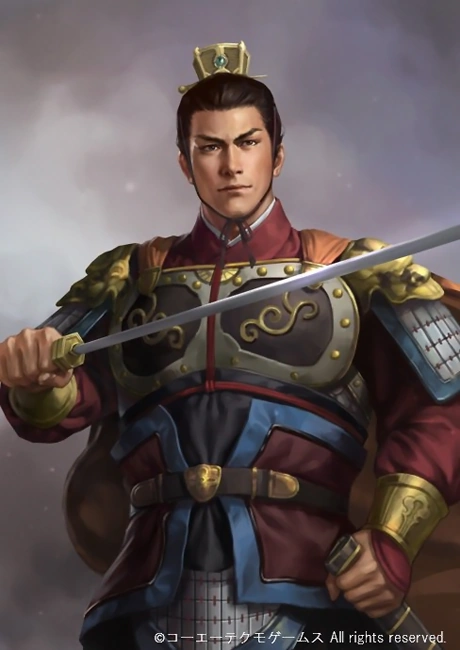
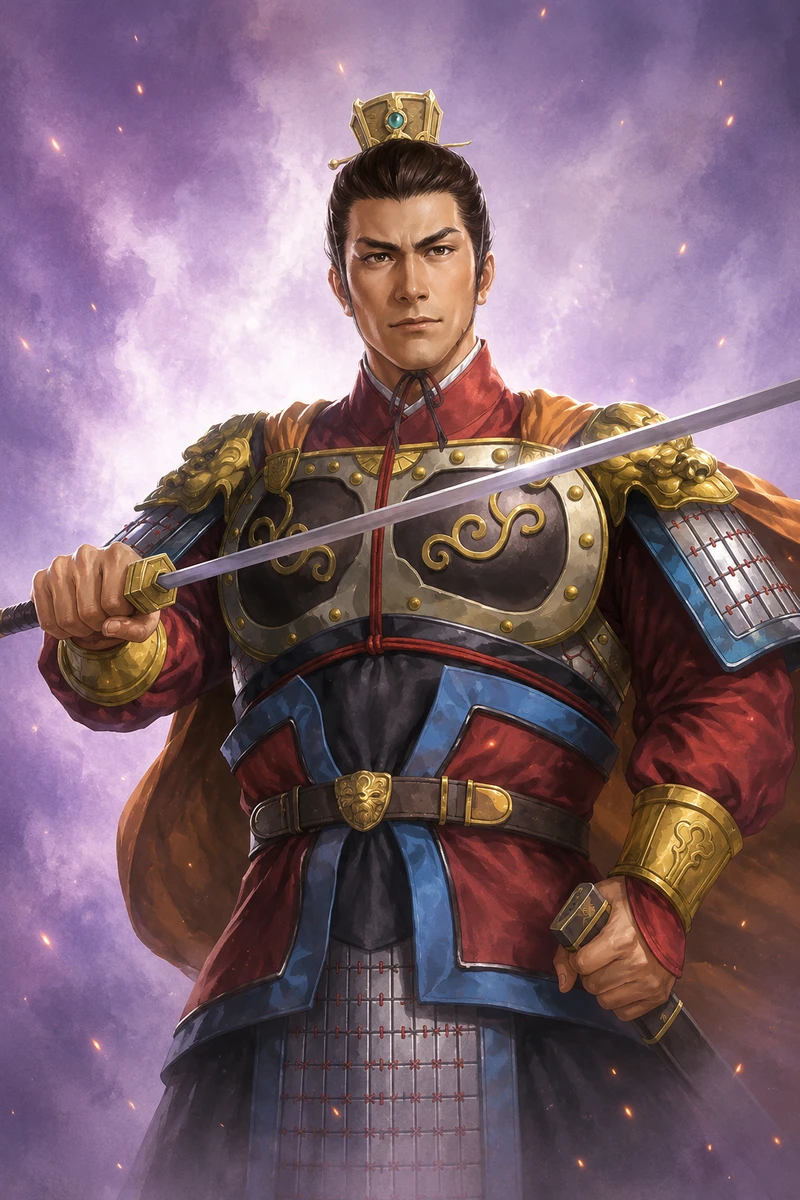
Fei Guan (费观, Phí Quan) was a native of Jianwei Commandery. He was a relative of the Liu family through marriage, having wed the daughter of Liu Yan (刘焉, Lưu Yên), the powerful warlord of Yi Province. This connection made him a brother-in-law to Liu Zhang (刘璋, Lưu Chương). Fei Guan was highly regarded for his character and administrative capability. During the turbulent period when Liu Bei (刘备, Lưu Bị) entered Yi Province, Fei Guan served as an administrator under Liu Zhang. Following Liu Zhang’s surrender to Liu Bei, Fei Guan submitted to the new regime. Under the administration of Shu Han, he served in several important capacities, eventually rising to the rank of General Who Guards the West (安汉将军, Anhan Jiangjun) and serving as the Inspector of Hanjia Commandery. He was known for his steady leadership and was considered a reliable official during the reign of Liu Shan (刘禅, Lưu Thiện). He passed away in 237 AD.
Role in Romance of the Three Kingdoms
While Fei Guan appears briefly in the historical records of the Shu Han administration, his depiction in Luo Guanzhong’s novel emphasizes his transition from a loyalist of the Yi Province lordship to a capable servant of the state of Shu, highlighting the pragmatic choices made by the literati of the era.
Notable Quotes & Famous Sayings
Records do not preserve specific philosophical or rhetorical quotes from Fei Guan; his reputation was built upon his deeds and administrative tenure rather than eloquence.
Fei Guan — Historical & Literary Timeline
Submission to Liu Bei
Following the collapse of Liu Zhang’s rule in Yi Province, Fei Guan pledges his service to Liu Bei, transitioning into the official ranks of the newly formed Shu administration.
Death
Fei Guan dies while in service to the Shu Han government under the reign of Liu Shan.
For detailed historical records, archives, and official chronicles, explore Fei Guan on Wikipedia.
Key Relationships
Family
- Liu Yan (刘焉, Lưu Yên): Father-in-law. Fei Guan married the daughter of Liu Yan, the warlord of Yi Province, securing a high-status connection within the regional ruling family.
- Liu Zhang (刘璋, Lưu Chương): Brother-in-law. As the son of Liu Yan, Liu Zhang was Fei Guan’s brother-in-law. Fei Guan served as a trusted administrator under his administration in Yi Province until 214 AD.
Friends
- Li Yan (李严, Lý Nghiêm): Military colleague and campaign partner. During Liu Bei’s invasion of Yi Province in 213 AD, Fei Guan and Li Yan were co-commanders sent to defend Mianzhu, where they ultimately decided to surrender together to Liu Bei’s forces.
Enemies
- No information
Other
- Liu Bei (刘备, Lưu Bị): Sovereign. After surrendering at Mianzhu, Fei Guan submitted to Liu Bei’s authority and transitioned into a capable administrator for the newly established Shu Han regime.
- Liu Shan (刘禅, Lưu Thiện): Sovereign. Fei Guan continued his loyal service under Liu Shan’s reign, rising to the rank of General Who Guards the West and Inspector of Hanjia Commandery before his death in 237 AD.
In Novel
Chapter 64
- Fei Guan (费观, Phí Quán): In-law and general under Liu Zhang (刘璋, Lưu Chương) sent alongside Li Yan (李严, Lý Nghiêm) to defend Mianzhu Pass; following Li Yan’s capture and defection, Fei Guan surrendered Mianzhu Pass and persuaded neighboring counties to submit to Liu Bei (刘备, Lưu Bị).
Chapter 65
- Fei Guan (费观, Phí Quán): Formally entered Shu Han service upon the pacification of Yizhou and was appointed Deputy Military Commander and Administrator of Ba Commandery.
In History
Year: 214 AD
- Fei Guan (费观, Phí Quán) served Liu Zhang (刘璋, Lưu Chương) and, together with Li Yan (李严, Lý Nghiêm), opposed Liu Bei (刘备, Lưu Bị) at Mianzhu. After Li Yan surrendered, Fei Guan also submitted to Liu Bei.
Period I
- Fei Guan (费观, Phí Quán) was appointed a military officer under Liu Bei and later served as Administrator of Ba Commandery and Commander of Jiangzhou. He was known for his ability to maintain good personal relationships with other officials, including Li Yan.
Year: 223 AD
- Fei Guan (费观, Phí Quán) was enfeoffed as Marquis of Du Village and promoted to General Who Inspires Might under Liu Shan (刘禅, Lưu Thiện). He died at the age of 37. His biography is preserved in the Sanguozhi tradition despite its brevity.
Gallery