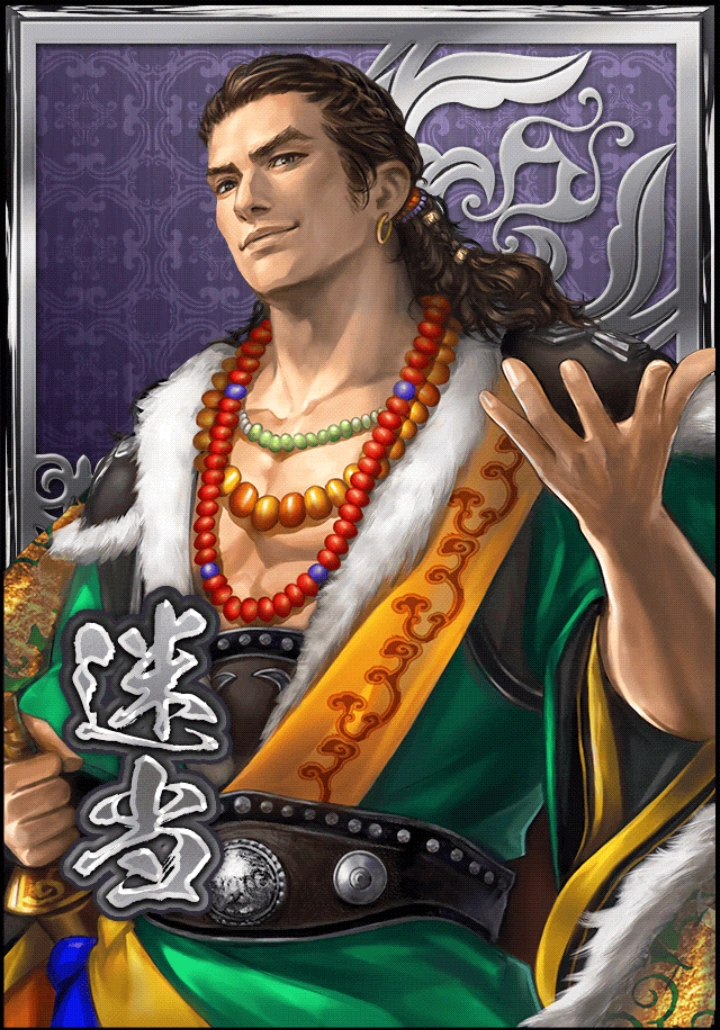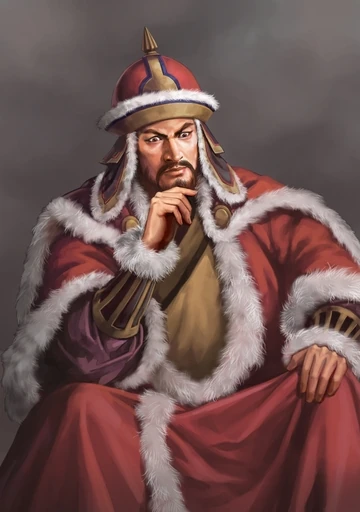
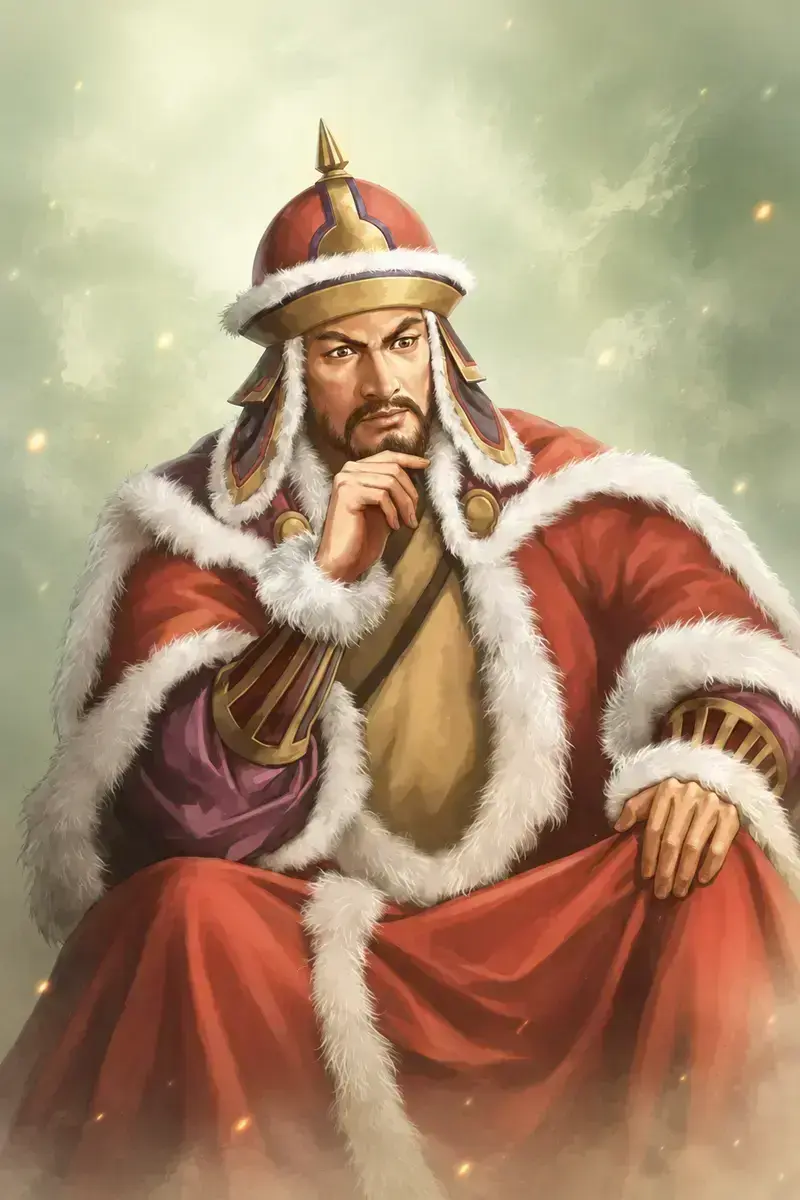
Here is the exhaustive biography of King Midang (迷当大王 / 迷當大王, Mê Đương Đại Vương) (? – historically last noted 240; novel death c. 253), a Qiang tribal chieftain on Wei’s northwestern frontier who briefly supported Jiang Wei (姜维, Khương Duy)’s Longxi push, incorporating historical notices and the narrative of Romance of the Three Kingdoms.
Contents
Historical Career
Midang (迷当, Mê Đương) was a Qiang leader active on the Longxi frontier. In 240 (Zhengshi 1), when Jiang Wei of Shu advanced into Longxi, Midang and other Qiang chiefs raided Wei territory in tandem. Guo Huai (郭淮, Quách Hoài) first drove Jiang Wei back, then turned on Midang, defeated him, and pacified (and in some cases relocated) Qiang groups. The historical notice in the Sanguozhi (Wei 26, Guo Huai materials) is extremely brief: it does not record a formal “king” investiture narrative, Xi Zheng’s gifts, Chen Tai’s false surrender, Midang’s guided ambush of Jiang Wei’s camp, or Midang’s death at Wei hands. After 240 Midang simply vanishes from the chronicle.
Role in Romance of the Three Kingdoms
Ch. 109: During a northern expedition, Jiang Wei sends Xi Zheng (郤正, Khích Chính) with gold, pearls, and Xichuan silk to win Midang. Midang accepts and dispatches ~50,000 Qiang under Ehe Shaoge (饿何烧戈, Ngạ Hà Thiêu Qua) toward Nan’an. Chen Tai (陈泰, Trần Thái) of Wei feigns surrender, lures Ehe Shaoge into a night attack on an empty camp, and wrecks the Qiang van; Ehe Shaoge dies (novel). Midang is then captured. Guo Huai loosens his bonds, soothes him, and persuades him to raise the siege / turn against Shu. Midang agrees to guide Wei troops to Jiang Wei’s camp at Iron Cage Mountain. Jiang Wei and Xiahou Ba (夏侯霸, Hạ Hầu Bá) ride out to welcome him; Wei captains spring from the mixed column and attack. Jiang Wei flees; Midang is killed by the Wei officers he has just led in. The novel places the drama around 253.
History vs novel: Only the 240 rising and Guo Huai’s suppression are historical. The “King” pageantry, Xi Zheng embassy, Chen Tai ruse, defection speech, guided ambush, and death at the Shu tent are novelistic elaboration.
King Midang (迷当大王, Mê Đương Đại Vương) — Historical & Literary Timeline
240 AD — Longxi rising
Support for Jiang Wei’s advance
History: Midang’s Qiang join the disturbance while Jiang Wei enters Longxi; Guo Huai defeats Jiang Wei then suppresses Midang (SGZ Wei 26). Historical record ends here.
Novel Ch. 109 — Alliance bought with gifts
Xi Zheng wins Midang
Jiang Wei’s envoy Xi Zheng presents gifts; Midang sends Ehe Shaoge with a large Qiang host toward Nan’an (novel only).
Novel Ch. 109 — False surrender
Chen Tai wrecks the Qiang van
Chen Tai’s feigned desertion draws Ehe Shaoge into a trap; Qiang routed; Midang captured and turned by Guo Huai (novel).
Novel Ch. 109 — Death at Jiang Wei’s camp
Guided ambush backfires
Midang leads mixed Wei–Qiang force to Iron Cage Mountain; Wei captains attack as Jiang Wei welcomes him; Midang is slain. No historical counterpart.
Historical Note
A historical Qiang chieftain named Midang did rise with Jiang Wei’s 240 Longxi campaign and was suppressed by Guo Huai. The novel’s “King Midang” arc in Ch. 109 expands that single notice into a full story of bought alliance, tribal disaster, coerced defection, and ironic death—underscoring how fragile Shu–Qiang coalitions could be when Wei officers such as Chen Tai and Guo Huai controlled the deception war.
For detailed historical records, archives, and official chronicles, explore King Midang on Wikipedia.
Key Relationships
Family
- No father, mother, spouse, or children are named in the Sanguozhi notice or in Romance Ch. 109. Treat kin as unrecorded (not invented).
Friends
- Jiang Wei (姜维, Khương Duy): Temporary Shu ally. History: Midang’s 240 rising coincides with Jiang Wei’s Longxi advance. Novel Ch.109: Midang joins after Xi Zheng’s gifts, then betrays the camp and dies in the ambush Jiang Wei rides out to greet.
- Ehe Shaoge (饿何烧戈, Ngạ Hà Thiêu Qua): Senior Qiang general under Midang (novel). Leads the Nan’an strike; dies in Chen Tai’s night-trap. Not attested as a separate historical biography beside Midang’s brief rising.
Enemies
- Guo Huai (郭淮, Quách Hoài): Wei frontier commander. History: suppresses Midang after defeating Jiang Wei (240). Novel: captures Midang, persuades his defection, then benefits from the ambush that kills him.
- Chen Tai (陈泰, Trần Thái): Wei officer (novel Ch.109). Authors the false-surrender ploy that destroys Ehe Shaoge and opens Midang’s capture. Keep distinct from Midang’s historical suppressor Guo Huai.
Other
- Xi Zheng (郤正, Khích Chính): Shu envoy (novel) who buys Midang’s alliance with gold, pearls, and silk. Not part of the historical 240 notice.
- Xiahou Ba (夏侯霸, Hạ Hầu Bá): Shu-side companion who, with Jiang Wei, rides out to welcome Midang before the Wei ambush (novel Ch.109).
- Iron Cage Mountain / Nan’an theatre: Novel geography of the Qiang–Wei clash; do not conflate with Zhuge Liang’s earlier northern expeditions or with Guan Xing / Cao Zhen arcs.
- Qiang tribal coalition: Midang is one named chief among frontier Qiang who could swing between Shu pressure and Wei pacification; loyalty is transactional in both history (brief rising) and novel (gift → defection).
In Novel
Chapter 109
- King Midang (迷当大王, Mê Đương Đại Vương): Accepts Xi Zheng’s (郤正, Khích Chính) gifts from Jiang Wei (姜维, Khương Duy); sends Ehe Shaoge (饿何烧戈, Ngạ Hà Thiêu Qua) with a large Qiang host; after Chen Tai’s (陈泰, Trần Thái) false surrender wrecks that van, Midang is captured, turned by Guo Huai (郭淮, Quách Hoài), guides Wei troops to Jiang Wei’s camp, and is killed when Wei captains spring the ambush as Jiang Wei and Xiahou Ba (夏侯霸, Hạ Hầu Bá) welcome him. History: only the 240 rising and Guo Huai’s suppression are attested—no Ch.109 betrayal death.
In History
Summary
- Midang (迷当, Mê Đương) was a Qiang chieftain who rose while Jiang Wei (姜维, Khương Duy) entered Longxi in 240 and was suppressed by Guo Huai (郭淮, Quách Hoài); later novel fate is not in the chronicle.
Year: 240 AD
- Jiang Wei advances into Longxi; Midang’s Qiang raid Wei. Guo Huai repels Jiang Wei, then defeats and pacifies Midang’s groups (some relocation). Midang disappears from subsequent notices.
Historical Record
Gallery