
Contents
Biography & Historical Record
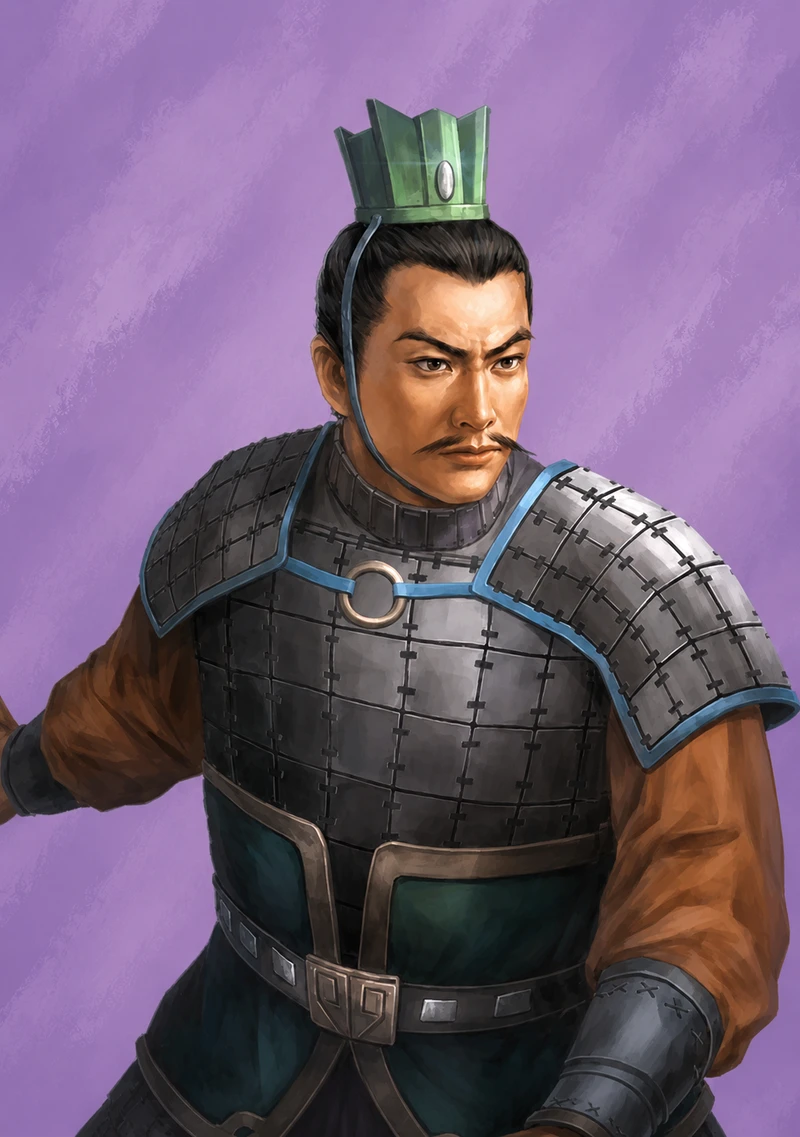
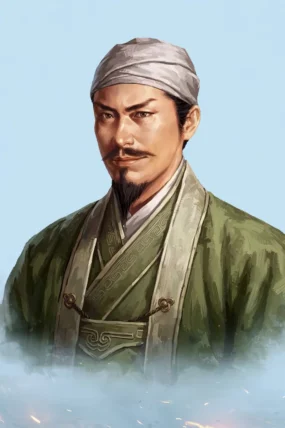
Liu Shao, courtesy name Kongcai, was an eminent statesman, profound legal theorist, military strategist, and master philosopher of human talent who served the Cao Wei state across the reigns of Emperor Wen (Cao Pi), Emperor Ming (Cao Rui), and the young Emperor Cao Fang. Hailing from Handan in Guangping Commandery, Liu Shao was an eleventh-generation descendant of Liu Cang, Marquis Si of Yincheng (son of King Jingsu of Zhao, Liu Pengzu of the Western Han dynasty). Documented extensively in Chen Shou’s official dynastic history Records of the Three Kingdoms (Sanguozhi – Book of Wei, Biography of Liu Shao) and Sima Guang’s Zizhi Tongjian, Liu Shao achieved monumental stature not only through high administrative and military council—holding offices such as Regular Mounted Attendant (Sanqi Changshi), Cavalry Commandant (Qiduwei), and Grand Administrator of Chenliu—but also as one of the finest intellectual luminaries of the entire Three Kingdoms period, authoring the immortal treatise on personnel psychology and character analysis, Renwuzhi (A Study of Human Characters).
Liu Shao entered public office during the late Eastern Han under Emperor Xian, serving as an official in Guangping before being recruited into the central bureaucracy as an Attendant to the Crown Prince (Taizi Sheren) and Secretariat Gentleman (Mishu Lang). Following the establishment of the Cao Wei dynasty in 220 AD, Liu Shao’s vast erudition and deep understanding of institutional governance brought him to the forefront of statecraft. Alongside senior jurists, Liu Shao played a foundational role in drafting the ‘New Wei Code’ (Xin Lü), modernizing imperial statutes and reforming criminal penalties. In addition, under Cao Pi’s imperial commission, he compiled the monumental state encyclopedia Huanglan (Imperial Compendium), synthesizing classical literature and administrative precedents.
During the reign of Emperor Ming (Cao Rui), Liu Shao was elevated to Regular Mounted Attendant and Grand Administrator of Chenliu, frequently providing critical strategic advice during military crises. In 234 AD, during Zhuge Liang’s fifth Northern Expedition, Eastern Wu launched a massive three-pronged offensive in coordination with Shu Han, with Sun Quan personally leading a 100,000-strong army to besiege Hefei Xincheng while Lu Xun and Zhuge Jin advanced on Jiangxia and Xiangyang. When the Wei court debated whether to divide forces and engage Sun Quan in direct pitched combat, Liu Shao submitted a masterclass strategic memorial to Cao Rui, advising: ‘Sun Quan relies heavily on his river fleets and fortified positions; if we clash directly, our victory will not be absolute. Instead, Your Majesty should deploy veteran cavalry to cut off their water retreat routes and sever their supply convoys while advancing with the main imperial host. Facing encirclement and the loss of their logistical lines, the Wu forces will collapse and retreat without a fight.’ Cao Rui adopted this strategy, personally leading the relief force; as predicted by Liu Shao, Sun Quan burned his siege engines and retreated before the armies engaged. Throughout his life, Liu Shao penned numerous classical rhapsodies, essays on music (Yuelun), and legal administration, passing away peacefully during the Zhengshi era (240–249 AD) and being posthumously honored with the prestigious rank of Minister of the Household (Guangluxun).
Role in Romance of the Three Kingdoms
In Chapter 105 of Luo Guanzhong’s classic 14th-century historical novel Romance of the Three Kingdoms, Liu Shao is depicted as an insightful and loyal court minister who advises Emperor Cao Rui during the intense multi-front confrontations between Cao Wei, Shu Han, and Eastern Wu.
In Chapter 105, as Zhuge Liang wages his northern campaign in the west and Eastern Wu mobilizes massive river forces to invade the southern borders of Wei at Hefei and Jiangxia, the imperial court at Luoyang is thrown into severe alarm. When Emperor Cao Rui gathers his senior ministers to discuss defense preparations, Liu Shao steps forward to provide calm, incisive counsel. He analyzes the strategic vulnerabilities of Eastern Wu’s amphibious supply lines and urges the emperor to take personal command of the Central Army to bolster frontline morale while dispatching mobile cavalry to sever enemy retreat channels. Cao Rui accepts the counsel, successfully compelling Sun Quan to lift the siege and withdraw his troops. Luo Guanzhong showcases Liu Shao as a representative figure of Cao Wei’s elite scholarly and administrative class whose strategic foresight safeguarded the northern empire during critical moments of geopolitical danger.
Liu Shao (劉劭) — Historical & Literary Timeline
Drafting the New Wei Code & Compiling Huanglan
Serves as Secretariat Gentleman and Master of Writing under Cao Pi; plays a central role in authoring the foundational ‘New Wei Code’ (Xin Lü) and editing the monumental encyclopedia Huanglan.
Authoring Renwuzhi & Governance of Chenliu
Appointed Grand Administrator of Chenliu and Regular Mounted Attendant; pens the groundbreaking psychological and personnel treatise Renwuzhi (A Study of Human Characters).
Masterminding Counter-Strategy Against Sun Quan at Hefei
Advises Emperor Cao Rui to sever Sun Quan’s supply and naval retreat routes during the simultaneous Shu-Wu invasion, forcing the retreat of Eastern Wu’s 100,000-strong army.
Passing Away in Office & Posthumous Honors
Passes away peacefully during the Zhengshi era (240–249 AD); honored with the posthumous title of Minister of the Household (Guangluxun) for his profound contributions to law and statecraft.
Key Relationships
Family
- Liu Cang (刘仓, Lưu Thương) – Distant ancestor; Liu Shao was an eleventh‑generation descendant of this Western Han marquis.
- Liu Lin (刘林, Lưu Lâm) – Son; inherited Liu Shao’s secondary marquis title (关内侯) after his death.
Friends
- Cao Pi (曹丕, Tào Phi) – Founding emperor of Cao Wei who appointed Liu Shao as Secretariat Gentleman and tasked him with compiling the Huanglan and drafting the New Wei Code.
- Cao Rui (曹叡, Tào Duệ) – Second Wei emperor who regularly consulted Liu Shao for military strategy, notably during Sun Quan’s 234 AD campaign against Hefei.
- Tian Yu (田豫, Điền Dũ) – Frontier general; collaborated with Liu Shao on defensive planning for the northern and eastern borders.
- Sima Yi (司马懿, Tư Mã Ỷ) – Supreme commander of Wei’s western front; coordinated with Liu Shao’s court counsel while confronting Zhuge Liang’s northern expeditions.
Enemies
- Sun Quan (孙权, Tôn Quyền) – Eastern Wu emperor whose 100,000‑strong invasion of Hefei in 234 AD was repelled by Liu Shao’s strategic advice.
- Lu Xun (陆逊, Lục Tốn) – Wu commander who led the southern thrust on Jiangxia; opposed Wei forces during the same 234 AD campaign.
- Zhuge Jin (诸葛瑾, Chúc Cát Cân) – Wu general operating alongside Lu Xun; faced Liu Shao’s defensive recommendations.
- Zhuge Liang (诸葛亮, Chúc Cát Lượng) – Shu Han chancellor whose fifth northern expedition prompted the coordinated Wu attack that Liu Shao helped to defeat.
Other
- Emperor Xian (献帝, Hiến Đế) – Late Eastern Han emperor under whom Liu Shao first entered public office in Guangping.
- Cao Fang (曹芳, Tào Phương) – Young Wei emperor later in Liu Shao’s career; Liu served as Regular Mounted Attendant during his reign.
In Novel
Chapter 68
- Liu Shao (刘劭, Lưu Thiệu): Liu Shao serves Wei during Cao Cao’s later campaigns. His appearance is connected with the military and administrative officials surrounding Cao Cao’s court rather than a major independent battle narrative.
History
Summary
- Liu Shao (刘劭, Lưu Thiệu), courtesy name Kongcai, was a scholar and official of Cao Wei known for his work on political institutions, ritual and official standards.
Service under Wei
- Liu Shao served the Wei court in several official positions and participated in the development of administrative regulations.
- He was respected for his scholarship and knowledge of government institutions.
Scholarship
- He was associated with works concerning the selection and evaluation of officials and the proper conduct of government.
- His writings contributed to the intellectual and administrative culture of the early Wei state.
Classification
- Historical.
