
Contents
Life and Legacy of Zhang Hua
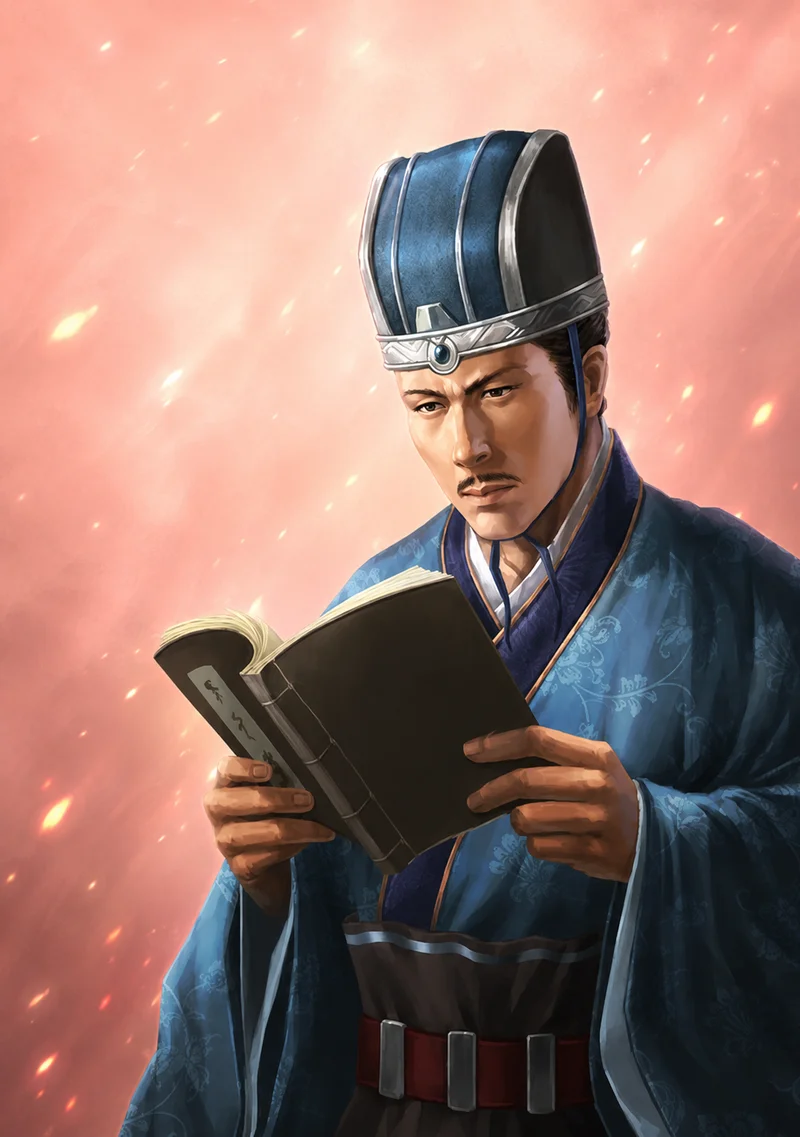
Zhang Hua (232–300 AD), courtesy name Maoxian, was an eminent statesman, polymath, and poet of the Western Jin Dynasty. Born into modest circumstances in Fanyang, he rose through the imperial hierarchy on account of his prodigious intellect and erudition. He compiled the renowned encyclopedia Bowu Zhi (Record of Vast Knowledge) and served as a master strategist under Emperor Wu (Sima Yan), playing an indispensable role in orchestrating the grand campaign that successfully unified China.
Role in the Three Kingdoms Transition
Within the historical narrative of the Three Kingdoms transition, he stands as a paragon of civil governance, wisdom, and strategic foresight, bridging the late warlord conflicts with the emerging Jin imperial order.
Key Historical Milestones
Early Life
Born in Zhuo Commandery, establishing a reputation as a brilliant scholar and writer.
Conquest of Wu
Advised Emperor Wu on military logistics, leading to the capitulation of Eastern Wu and the reunification of the realm as documented in historical annals like the Book of Jin.
Tragic Demise
Executed during the brutal political purges instigated by Sima Lun during the catastrophic War of the Eight Princes.
Key Relationships
Family
- Zhang Ping (张平): Father; Han dynasty official who served diligently as Grand Administrator of Yuyang.
- Zhang Yi (张祎): Eldest son; official serving in the Imperial Secretariat who shared his father’s tragic fate in 300 AD.
- Zhang Wei (张韪): Second son; talented scholar-official who perished alongside his kin during the Sima Lun coup.
Allies and Associates
- Sima Yan (Emperor Wu): Valued Zhang Hua’s immense erudition and adopted his operational blueprint for the 280 AD southern expedition, elevating him to Minister of Works.
- Du Yu: Commander-in-Chief of Jin forces who strongly allied with the court scholar to advocate for the decisive invasion of Wu against conservative factions.
- Lu Ji & Lu Yun: Famous southern literary brothers whom the minister warmly mentored and introduced to northern aristocratic circles.
- Pei Wei: Eminent philosopher and Chancellor who collaborated with him to preserve administrative stability amid palace turmoil.
Rivals and Adversaries
- Sima Lun: Prince of Zhao who seized power in 300 AD; when Zhang Hua refused to endorse regicide, Sima Lun ordered his summary execution.
- Sun Xiu: Sima Lun’s vengeful advisor who held personal grudges and orchestrated the minister’s downfall.
- Jia Nanfeng: Ruthless empress whose destabilizing machinations eroded the court despite wise efforts to restrain her excesses.
- Jia Chong & Xun Xu: Conservative courtiers who bitterly opposed the southern military campaign and sought to isolate him from imperial favor.
In Novel
Chapter 120
- Zhang Hua (张华, Trương Hoa): Zhang Hua is a Jin court official who strongly supports the final conquest of Wu. When Emperor Sima Yan hesitates after hearing Wang Hun’s argument for delaying the invasion, Zhang Hua interrupts the court discussion and argues that Wu is weakened by Sun Hao’s tyranny while Jin is militarily strong. He urges Sima Yan not to lose the opportunity. Sima Yan accepts his argument and orders the enormous multi-front invasion that ultimately destroys Eastern Wu.
History
Summary
- Zhang Hua (张华, Trương Hoa) was a prominent scholar, poet and official of the Western Jin dynasty.
Literary Career
- Zhang Hua was celebrated for his literary talent and scholarly knowledge.
- He served in important offices and participated in the intellectual life of the Jin court.
Political Career
- Zhang Hua supported the Jin regime and became a senior statesman.
- He was eventually killed during the political upheaval associated with the War of the Eight Princes.
Classification
- Historical.