




Contents
Biography & Historical Record
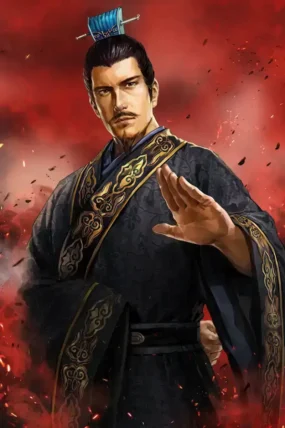
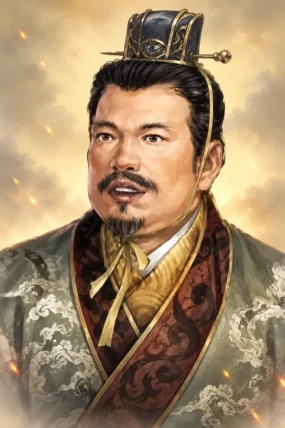
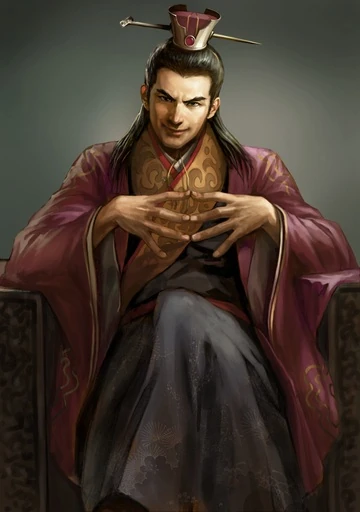
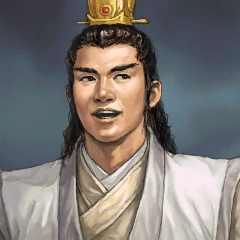
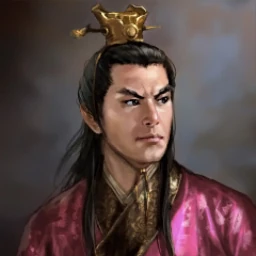
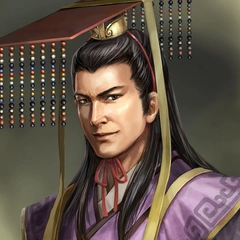
Sima Yan (236–290 AD), courtesy name Anshi, formally known as Emperor Wu of Jin, was the founding emperor of the Jin dynasty during the Three Kingdoms and early Jin periods. Born into the illustrious Sima clan, he was the son of Sima Zhao and Wang Yuanji, and the grandson of Sima Yi. Leveraging the overwhelming political and military dominance that his grandfather, father, and uncle had established within the state of Cao Wei, Sima Yan succeeded his father as the King of Jin in 265 AD. Shortly after assuming power, he pressured the last ruler of Cao Wei, Cao Huan, to abdicate the throne, thereby officially establishing the Jin dynasty.
During his reign, Sima Yan initiated comprehensive administrative and economic reforms, culminating in the historic conquest of Eastern Wu in 280 AD, which finally reunited China after decades of division. However, his later years were marked by imperial extravagance and a deeply flawed succession arrangement involving his intellectually disabled son, Sima Zhong, which sowed the seeds for catastrophic internal turmoil. Sima Yan passed away in 290 AD at the age of fifty-four and was interred in the Junguan Mausoleum.
Role in Romance of the Three Kingdoms
In Luo Guanzhong’s epic novel Romance of the Three Kingdoms, Sima Yan represents the ultimate fulfillment of the Sima clan’s grand ambition to unify the realm. Though making minor appearances during the twilight years of Wei, his defining narrative role unfolds in the closing chapters as he inherits his father Sima Zhao’s regency, accepts the abdication of the Wei emperor, and establishes the Jin dynasty. In the concluding chapters, Sima Yan orchestrates the definitive military campaigns against Eastern Wu, culminating in the surrender of Sun Hao and bringing a decisive, sweeping conclusion to the legendary Three Kingdoms era.
Notable Quotes & Famous Sayings
- “The mandate of heaven has returned to our house, and the division of the realm must now be brought to an end.” — Sima Yan’s proclamation upon establishing the Jin dynasty.
- “To unify the land under a single banner is the ultimate duty entrusted to me by my forebears.” — Sima Yan reflecting on the final campaign against Eastern Wu.
Sima Yan (司馬炎) — Historical & Literary Timeline
Founding the Jin Dynasty
Following Sima Zhao’s passing, Sima Yan succeeds as King of Jin. He forces Cao Huan to abdicate the Wei throne, formally establishing the Jin dynasty and proclaiming himself as Emperor Wu.
Conquest of Wu & Reunification of China
Sima Yan dispatches armies to conquer Eastern Wu. Sun Hao surrenders, marking the total reunification of China and concluding the era of the Three Kingdoms.
Death of Emperor Wu
Emperor Sima Yan passes away at age fifty-four, leaving the throne to his son Sima Zhong amidst growing political fragility.
For detailed historical records, archives, and official chronicles, explore Sima Yan on Wikipedia.
Key Relationships
Family
- Sima Yi (司马懿, Tư Mã Ý) — Grandfather and foundational architect of the Sima clan’s political dominance in Cao Wei.
- Sima Zhao (司马昭, Tư Mã Chiêu) — Father and regent of Cao Wei whose consolidation of power allowed Sima Yan to claim the throne.
- Wang Yuanji (王元姬, Vương Nguyên Cơ) — Mother and esteemed advisor who provided counsel during his rise to power.
- Sima Shi (司马师, Tư Mã Sư) — Uncle and former regent whose political maneuvers solidified the family’s control over the state.
- Sima Zhong (司马衷, Tư Mã Trung) — Son and successor who ascended as Emperor Hui of Jin following Sima Yan’s death in 290 AD.
Friends
- Jia Chong (贾充, Giả Sung) — Key official and advisor who played a critical role in the transition of power from Cao Wei to the Jin dynasty.
- Du Yu (杜预, Đỗ Dự) — Renowned military strategist who led the successful Jin campaigns that resulted in the conquest of Eastern Wu in 280 AD.
Enemies
- Cao Huan (曹奂, Tào Hoán) — The final emperor of Cao Wei whom Sima Yan pressured to abdicate the throne in 265 AD.
- Sun Hao (孙皓, Tôn Hạo) — The last ruler of Eastern Wu who surrendered to Sima Yan’s forces in 280 AD, ending the Three Kingdoms era.
Other
- No information
In Novel
Chapter 119
- Sima Yan (司马炎, Tư Mã Viêm): Eldest son of Sima Zhao (司马昭, Tư Mã Chiêu), courtesy name Anshi (An Thế); inherited the kingship of Jin, forced Emperor Cao Huan of Cao Wei to abdicate the imperial throne, and established the Jin dynasty in Luoyang in 265 AD.
Chapter 120
In History
Summary
- Sima Yan (司马炎, Tư Mã Viêm), courtesy name Anshi, was the founder and first emperor of the Western Jin dynasty.
Year: 265 AD
- Sima Yan (司马炎, Tư Mã Viêm) forced the abdication of Cao Huan (曹奂, Tào Hoán) and established the Jin dynasty.
Year: 280 AD
- Sima Yan (司马炎, Tư Mã Viêm) completed the conquest of Eastern Wu, reunifying China under Jin.
Historical Record
- Sima Yan (司马炎, Tư Mã Viêm) was a real historical emperor whose reign ended the Three Kingdoms period.
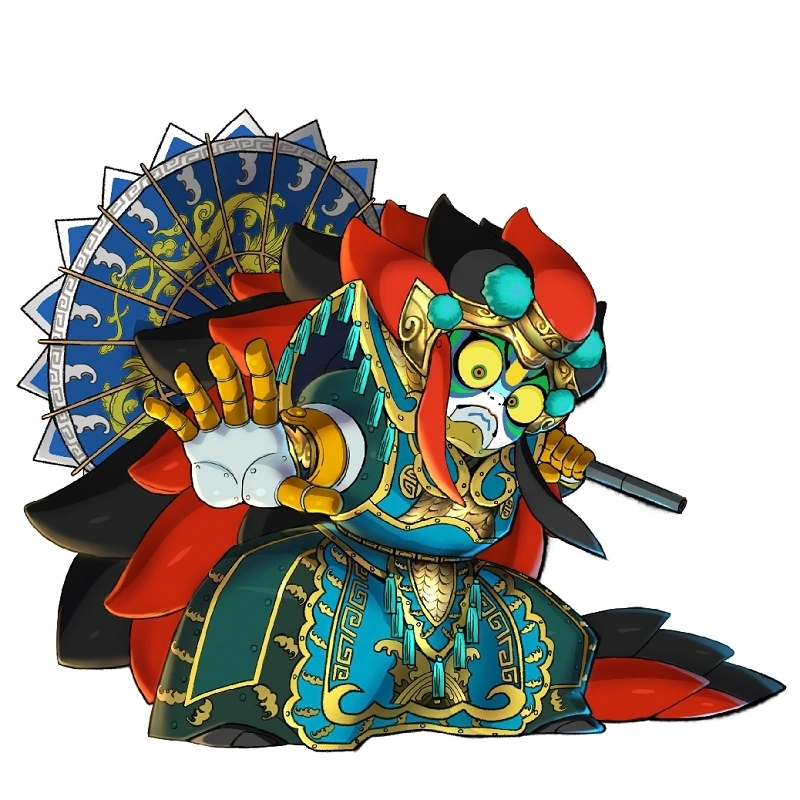
Gallery






1 comment
[…] an impenetrable defensive shield. When Sima Zhao sought to arrange a royal marriage between his son Sima Yan (the future founding Emperor Wu of Jin) and Ruan Ji’s young daughter to bind Ruan Ji to the […]