
Contents
Biography and Career of Zhang Wen
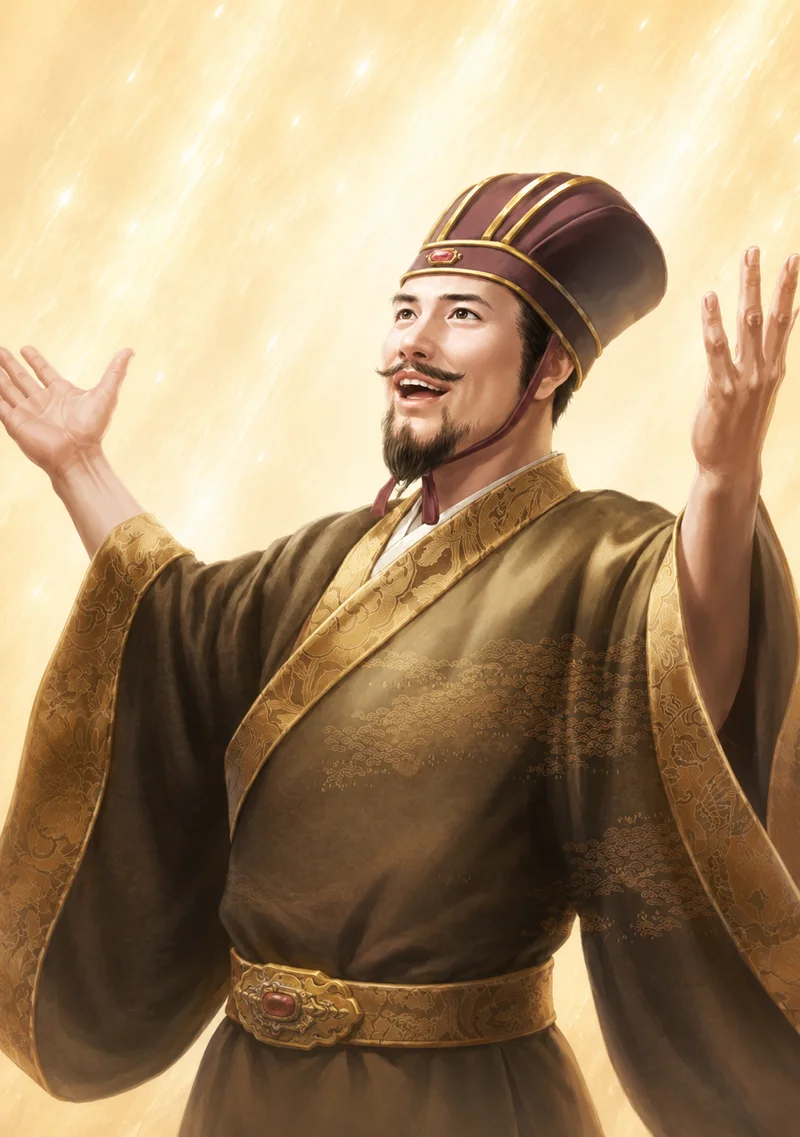
Zhang Wen (193–230), courtesy name Huishu, was an esteemed statesman, orator, and imperial ambassador of Eastern Wu during the turbulent Three Kingdoms period. Hailing from Wu Commandery, he earned widespread renown for his profound classical erudition, magnetic public charisma, and refined demeanor. His talents quickly caught the attention of Sun Quan, who appointed him General Who Assists the State and entrusted him with sensitive foreign diplomacy.
In 224 AD, he traveled to the Shu Han capital of Chengdu to repair and reaffirm the bilateral alliance against Cao Wei following the conflict at Yiling. His remarkable wit deeply impressed Chancellor Zhuge Liang. However, his rising prestige aroused fierce court jealousy in Wu. Following the political scandal surrounding his ally Ji Yan, political rivals orchestrated his demotion and banishment to the southern frontier, where he spent his final years in scholarly seclusion until his death in 230 AD.
Role in Romance of the Three Kingdoms
In Luo Guanzhong’s epic narrative, Zhang Wen is depicted as a brilliant diplomat whose intelligence and eloquence reflect the sophisticated culture of the Wu court. He plays an essential role in stabilizing regional diplomacy between the allied southern regimes.
Key Historical Timeline
Diplomatic Mission to Shu Han
Sun Quan sends Zhang Wen to Shu Han to congratulate Emperor Liu Shan and solidify their mutual coalition.
Demise in Exile
After enduring severe political persecution and internal factional strife, he passes away in southern exile.
Key Relationships
Family
- Zhang Yun (张纭 / 张允): Father. Esteemed scholar-official of Wu who served as Grand Administrator of Changsha.
- Zhang Zhi (张白): Younger brother. Intellectual who was implicated in his elder brother’s downfall and banished.
- Zhang Yan (张延): Younger brother. Wu official demoted alongside his siblings.
Friends and Allies
- Sun Quan (孙权): Founding Emperor Da of Eastern Wu. Initially elevated his position before turning against him due to court slander.
- Zhuge Liang (诸葛亮): Chancellor of Shu Han. Warmly welcomed the Wu ambassador in Chengdu and admired his statesmanship.
- Ji Yan (暨艳): Close associate whose strict anti-corruption reforms triggered intense factional retaliation that ruined their careers.
- Gu Shao (顾邵): Grand Administrator of Yuzhang and close intellectual companion in the Jiangdong aristocracy.
- Zhu Ju (朱据): Senior general and imperial son-in-law who steadfastly defended his integrity.
Rivals and Adversaries
- Qin Mi (秦宓): Shu Han master scholar who famously engaged the Wu envoy in an impromptu philosophical debate during the Chengdu banquet.
- Quan Cong (全琮): Grand Commander of Eastern Wu who harbored bitter political jealousy and contributed to his exile.
- Lu Xun (陆逊): Senior military leader who urged judicial restraint when Sun Quan investigated the gentry faction.
In Novel
Chapter 43
- Zhang Wen (张温, Trương Ôn): Zhang Wen is one of the Wu scholars who debates whether Sun Quan should resist Cao Cao. He is part of the group of officials who discuss the strategic situation as Cao Cao’s enormous army approaches the Yangtze. His presence reflects the intellectual debate at the Wu court before the decision to fight.
Chapter 86
- Zhang Wen (张温, Trương Ôn): After Liu Bei’s death, Shu sends Deng Zhi to renew friendly relations with Wu. Sun Quan sends Zhang Wen as an envoy to Shu in return. Zhang Wen arrives at Chengdu with Deng Zhi and is received by Liu Shan and Zhuge Liang. At a banquet he displays confidence and some arrogance, then attempts to test the Shu scholar Qin Mi with difficult questions about Heaven. Qin Mi answers every question through quotations and reasoning, leaving Zhang Wen impressed and defeated in the debate. Zhang Wen returns to Wu after the diplomatic exchange.
In History
Early Career
- Zhang Wen (张温, Trương Ôn), courtesy name Huishu, was a prominent Eastern Wu official from Wu Commandery. He was praised for integrity, learning, eloquence, and dignified appearance.
224 AD
- Zhang Wen was appointed General of the Household Who Upholds Righteousness and sent as a diplomatic envoy to Shu Han. He performed successfully and was highly regarded by the Shu court.
224 AD
- After returning, Zhang Wen became politically vulnerable because Sun Quan (孙权, Tôn Quyền) resented his praise of Shu and his growing reputation. He was also implicated through his association with Ji Yan (暨艳) and Xu Biao (徐彪).
230 AD
- Zhang Wen was removed from office and returned to Wu Commandery. He died of illness about six years after his political downfall.