
Contents
The Legend of Lei Heng: Biography and Origin
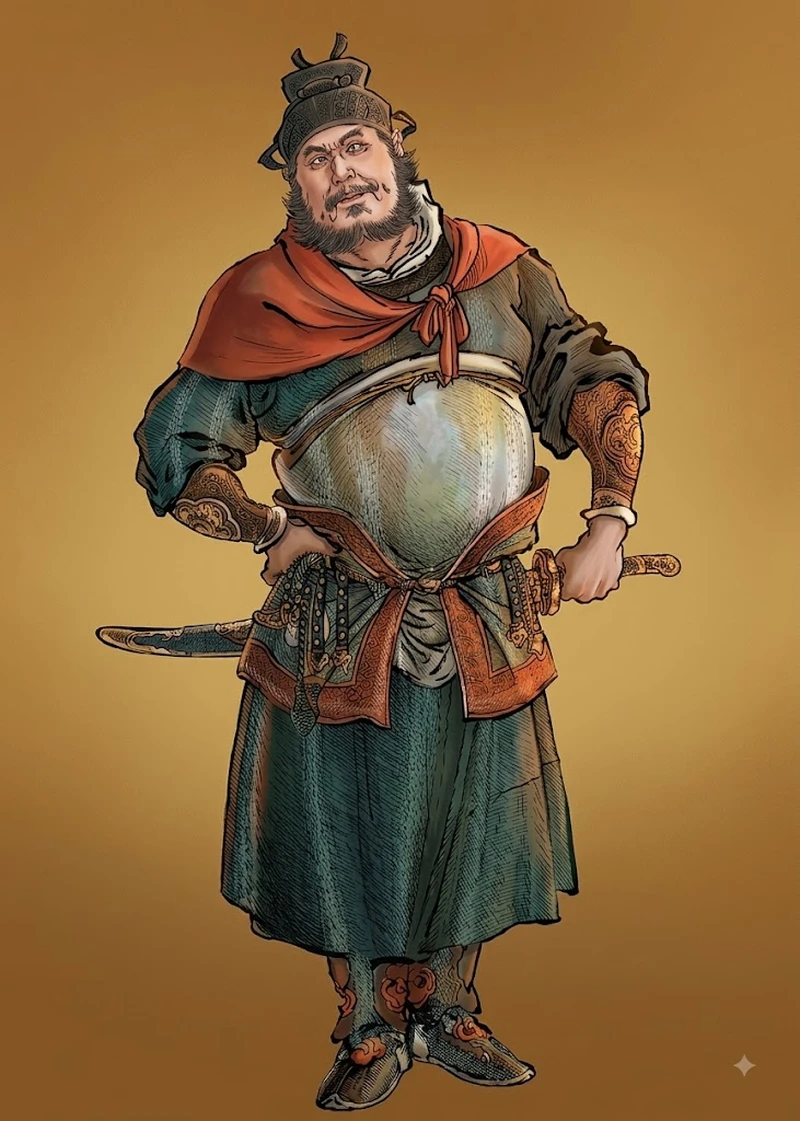
Lei Heng (雷横), famously known by his moniker the “Winged Tiger,” is an iconic martial hero in the classic Chinese literary masterpiece Water Margin. Set against the backdrop of the declining Northern Song Dynasty, his narrative vividly captures the dramatic transformation of a dedicated law enforcer into a righteous rebel. Originally working as a humble village blacksmith, he achieved widespread renown for his immense physical strength and astonishing agility, reputedly leaping over wide chasms and high defensive walls with effortless grace.
Following his transition from ironworking to public service, he became a chief constable in Yuncheng County alongside his sworn brother Zhu Tong. Although bound by duty to uphold the imperial legal code, Lei Heng possessed an uncompromising moral compass. He consistently shielded virtuous outlaws from extortionate officials and corrupt magistrates, forging early bonds of brotherhood with notable leaders like Chao Gai and Song Jiang before ever setting foot in the marshes.
Literary Timeline and Major Milestones
The Constable of Yuncheng
Serving as an officer of the law, the Winged Tiger patrols Yuncheng County, testing his martial prowess in a dramatic duel against the exile warrior Yang Zhi.
Flight to Mount Liang
When an arrogant singer named Bai Xiuying insults and assaults his mother, filial piety drives him to strike her down. Aided by Zhu Tong, he escapes imprisonment and flees to Liangshan Marsh.
The Final Stand
During the grueling imperial campaign to suppress Fang La’s rebellion, the brave warrior perishes in a fierce melee against enemy general Si Xingfang at Deqing.
Key Relationships and Lasting Legacy
Ranked 25th among the 108 Liangshan Heroes and designated the Winged Tiger of the Heavenly Spirits, Lei Heng served as a formidable cavalry commander during numerous defensive campaigns and imperial expeditions. His enduring friendship with Zhu Tong epitomizes the paramount importance of chivalric loyalty, as both men repeatedly risked their lives and careers for each other. Today, his rich literary arc remains a timeless exploration of filial honor, martial integrity, and resistance against administrative oppression.


