Contents
Biography & Historical Record
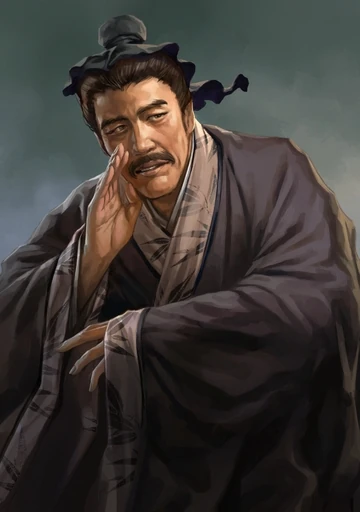
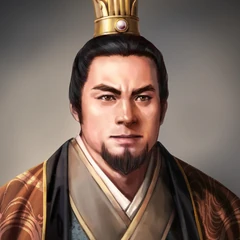
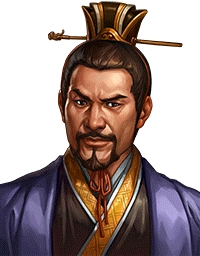
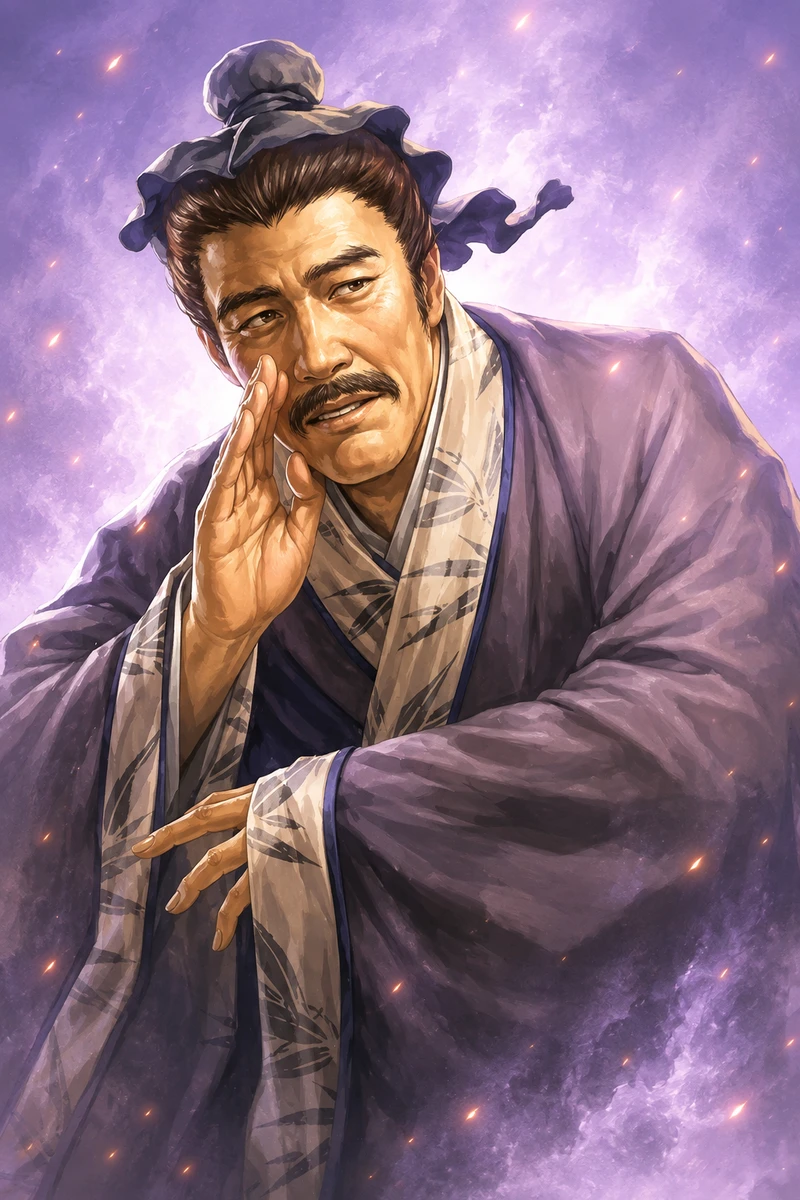
Dong Zhao (董昭, Đổng Chiêu) was a prominent strategist and statesman who served the Cao Wei regime. Born in Jiyin, he began his career during the chaos of the late Eastern Han dynasty. He initially served Yuan Shao (袁绍, Viên Thiệu) and Zhang Yang (张杨, Trương Dương) before identifying Cao Cao (曹操, Tào Tháo) as the true visionary leader. Dong Zhao was renowned for his exceptional foresight, political maneuvering, and diplomatic skill. He played a crucial role in advising Cao Cao to move the Han Emperor Xian (汉献帝, Hán Hiến Đế) to Xuchang, effectively securing the ‘mandate’ for Cao Cao to control the central government. Throughout his career, he held high-ranking positions, including Minister of Works, and was instrumental in the promotion of Cao Pi (曹丕, Tào Phi) as the heir apparent, ensuring the stability of the Cao lineage.
Role in Romance of the Three Kingdoms
“Dong Zhao is a man of deep schemes and high intelligence; he sees the tides of power before others even sense the breeze.”
In the novel, Dong Zhao is portrayed as a shrewd advisor who frequently operates in the background to consolidate power for the Cao family. He is best remembered for his role in advising Cao Cao to adopt the ‘Nine Ranks’ system (though historically complex) and for his unwavering support of the Wei state’s legitimacy. He is often depicted providing tactical wisdom during the consolidation of the North, ensuring that Cao Cao’s political legitimacy remained unchallenged by rivals like Yuan Shao or the southern warlords.
Dong Zhao — Historical & Literary Timeline
Supporting the Emperor
Dong Zhao advises Cao Cao (曹操, Tào Tháo) to relocate Emperor Xian (汉献帝, Hán Hiến Đế) to Xuchang, securing the administrative center of the empire.
Battle of Guandu
Serves as a strategic advisor during the conflict against Yuan Shao (袁绍, Viên Thiệu), providing counsel on diplomatic maneuvers.
The Rise of Wei
Plays a key political role in facilitating the transition of power from the Han Dynasty to the Cao Wei state.
Key Relationships
Family
- No information
Friends
- Cao Cao (曹操, Tào Tháo): Served as a trusted strategist and political advisor. In 196 AD, Dong Zhao urged him to move the imperial capital to Xuchang to secure political legitimacy, and later provided counsel during the Battle of Guandu in 200 AD.
- Cao Pi (曹丕, Tào Phi): Actively supported his succession as the heir apparent of Wei, helping secure his position and facilitating the transition of power to the Cao Wei dynasty in 220 AD.
Enemies
- Yuan Shao (袁绍, Viên Thiệu): Originally served under him but defected after realizing his lack of strategic vision. Dong Zhao later assisted Cao Cao in defeating his forces during the Battle of Guandu in 200 AD.
Other
- Emperor Xian of Han (汉献帝, Hán Hiến Đế): The Han sovereign whom Dong Zhao advised Cao Cao to relocate to Xuchang in 196 AD, effectively using the imperial court to centralize state power.
- Zhang Yang (张杨, Trương Dương): A warlord whom Dong Zhao briefly served after leaving Yuan Shao, using this position to help bridge connections between Cao Cao and the imperial court.
In Novel
Chapter 14
- Dong Zhao (董昭, Đổng Chiêu): Han consultant, courtesy name Gongren (公仁), who met Cao Cao (曹操, Tào Tháo) in Luoyang and strategically advised him to relocate Emperor Xian (刘协, Hán Hiến Đế) and the imperial court to Xuchang to control the empire.
Chapter 61
- Dong Zhao (董昭, Đổng Chiêu): Instigated the official petition urging Emperor Xian (刘协, Hán Hiến Đế) to bestow the Nine Bestowals upon Cao Cao (曹操, Tào Tháo) and advance his title to Duke of Wei, overcoming Xun Yu’s (荀彧, Tuân Úc) objections.
Chapter 68
- Dong Zhao (董昭, Đổng Chiêu): Led the civil court officials in memorializing Emperor Xian (刘协, Hán Hiến Đế) to elevate Cao Cao (曹操, Tào Tháo) from Duke of Wei to King of Wei.
Chapter 73
- Dong Zhao (董昭, Đổng Chiêu): Advised Cao Cao (曹操, Tào Tháo) during Guan Yu’s (关羽, Quan Vũ) siege of Fan City to secretly notify Guan Yu of Sun Quan’s (孙权, Tôn Quyền) surprise rear attack to compel Guan Yu to withdraw.
Chapter 86
- Dong Zhao (董昭, Đổng Chiêu): Served as Minister of Justice under Cao Pi (曹丕, Tào Phi) and astutely predicted that Wu general Lu Xun (陆逊, Lục Tốn) would successfully defend against Wei’s three-pronged invasion.
In History
Year: 190 AD
- Dong Zhao (董昭, Đổng Chiêu, Đổng Công Nhân) entered the political world of the late Eastern Han as a local official and later became associated with the warlord Yuan Shao (袁绍, Viên Thiệu). He gained a reputation for administrative ability and political judgment.
Year: 196 AD
- Dong Zhao (董昭, Đổng Chiêu, Đổng Công Nhân) came into the service of Cao Cao (曹操, Tào Tháo) after Emperor Xian was brought to Xu. He became one of Cao Cao’s trusted political advisers and officials.
Year: 216 AD
- Dong Zhao (董昭, Đổng Chiêu, Đổng Công Nhân) helped advance Cao Cao’s political position by supporting the elevation of Cao Cao to King of Wei. His advice contributed to the gradual transformation of Cao Cao’s authority within the Han political system.
Year: 219 AD
- Dong Zhao (董昭, Đổng Chiêu, Đổng Công Nhân) proposed using messages attached to arrows to inform Cao Ren’s besieged forces that Sun Quan (孙权, Tôn Quyền) had agreed to assist them against Guan Yu (关羽, Quan Vũ). The measure strengthened the morale of the defenders during the campaign around Fancheng.
Year: 220 AD
- Dong Zhao (董昭, Đổng Chiêu, Đổng Công Nhân) continued serving after Cao Pi (曹丕, Tào Phi) established Wei. He became a senior court official and remained involved in state policy.
Year: 226 AD
- Dong Zhao (董昭, Đổng Chiêu, Đổng Công Nhân) held senior ministerial offices under Emperor Ming of Wei, including Minister of the Guards and later Minister Coachman.
Year: 230 AD
- Dong Zhao (董昭, Đổng Chiêu, Đổng Công Nhân) became Minister over the Masses, one of the highest offices in the Wei government.
Year: 236 AD
- Dong Zhao (董昭, Đổng Chiêu, Đổng Công Nhân) died at the age of 81 by traditional East Asian reckoning and received the posthumous title Marquis Ding.
Gallery