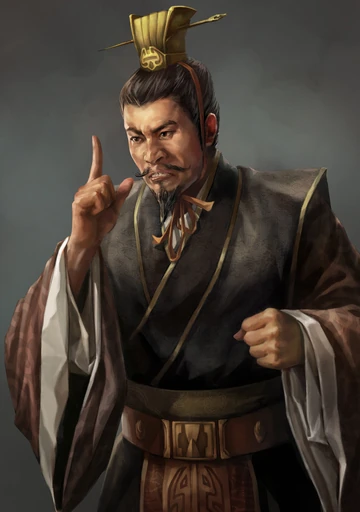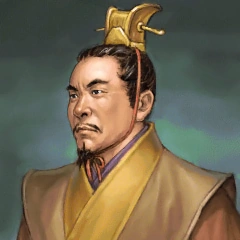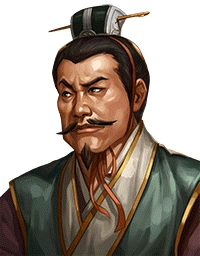
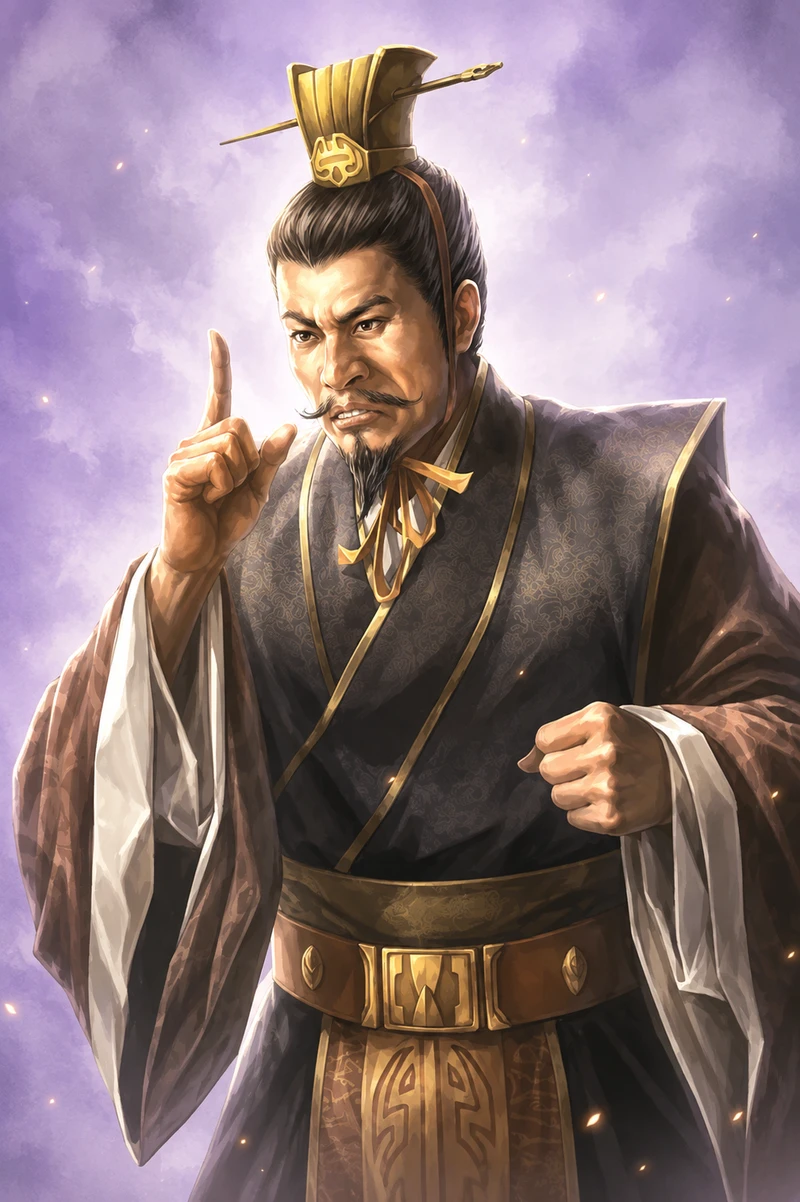
Here is the exhaustive biography of Han Xuan (韓玄 / 韩玄) (c. 163 – ?; novel death 209), Governor of Changsha under Liu Biao and briefly independent ruler, whose historical surrender to Liu Bei contrasts sharply with his tyrannical depiction and violent death in Romance of the Three Kingdoms.
Contents
Historical Career
Han Xuan served under Liu Biao, Governor of Jing Province, and was appointed Administrator (太守) of Changsha sometime before the Battle of Chibi. After Liu Biao’s death and Liu Cong’s surrender of Jing to Cao Cao, Han Xuan retained his post. When Cao Cao was defeated at Chibi and Liu Bei advanced into southern Jing in 209, Han Xuan—advised by his veteran general Huang Zhong—surrendered Changsha without major resistance. Historically he was well regarded by the people of Changsha, who later built a hall in his memory; there is no record of tyranny or of his being killed by Wei Yan. He continued in Liu Bei’s service for a time; his exact death date is unknown. The novel’s claim that he was the brother of Han Hao is also fictional.
Romance of the Three Kingdoms Portrayal
In the novel Han Xuan is transformed into a cruel, arrogant, and unpopular governor who neither observes auspicious rites nor performs sacrifices and is hated by his subjects. Liu Biao appoints him only because capable men are scarce. After Liu Biao’s death he remains neutral between Liu Cong and Liu Qi, then declares himself independent ruler of Changsha.
When Guan Yu is sent to take the city, Han Xuan first dispatches Yang Ling, who is slain. He then relies on the veteran Huang Zhong. On the first day of combat Huang Zhong’s horse collapses; Guan Yu, out of chivalry, refuses to strike a fallen foe and withdraws. The next day Han Xuan provides a fresh horse and urges Huang Zhong to use his famous archery. Mindful of Guan Yu’s mercy, Huang Zhong deliberately shoots only the helmet plume. Han Xuan, seeing the missed opportunities, concludes that Huang Zhong has secretly allied with the enemy and orders his immediate execution.
As the executioners raise their blades, Wei Yan bursts through the guards, cuts them down, and rescues Huang Zhong. He rallies the townsmen with the cry that Han Xuan is a tyrant whose death will save the people, then storms the yamen and beheads Han Xuan, presenting the head to Guan Yu. Huang Zhong and Wei Yan both submit to Liu Bei; Huang Zhong later requests that his former lord be given proper burial east of the city. The novel also links Han Xuan to Han Hao, who later seeks vengeance at Mount Dingjun and is killed by Huang Zhong.
Han Xuan (韓玄) — Historical & Literary Timeline
Before 208 AD — Governor of Changsha under Liu Biao
Service in Jing Province
Appointed Administrator of Changsha by Liu Biao. Retained the post after Liu Biao’s death and Liu Cong’s surrender to Cao Cao. Historically a competent official later remembered favourably by the people of Changsha.
209 AD — Defence of Changsha against Guan Yu (Novel)
Huang Zhong vs Guan Yu
Liu Bei sends Guan Yu to take Changsha. Han Xuan’s vanguard Yang Ling is killed. Huang Zhong duels Guan Yu; his horse falls and Guan Yu spares him. The next day Huang Zhong, remembering the mercy shown, only shoots Guan Yu’s helmet. Han Xuan suspects treachery and orders Huang Zhong’s execution.
209 AD — Death at the hands of Wei Yan (Novel)
Uprising and Beheading
Wei Yan interrupts the execution, rescues Huang Zhong, rallies the populace against the “tyrant,” storms the yamen and cleaves Han Xuan’s head. The city surrenders to Guan Yu. Huang Zhong requests proper burial for his former lord.
209 AD — Peaceful Surrender to Liu Bei
Historical Fate
Historically Han Xuan, counselled by Huang Zhong, simply surrendered Changsha to Liu Bei along with the other southern commanderies. He was not killed by Wei Yan; Wei Yan was already a retainer of Liu Bei and had no connection with the Changsha administration. Han Xuan continued in service for a time; his later life and death are unrecorded.
Historical Note
The historical Han Xuan was a local administrator who prudently surrendered to Liu Bei in 209 and was remembered kindly enough by the people of Changsha to receive a commemorative hall. The novel completely inverts this portrait: it makes him a hated tyrant, invents the dramatic duel between Huang Zhong and Guan Yu, the near-execution, Wei Yan’s uprising, and the beheading, and even fabricates a fraternal link with Han Hao. The transformation serves the narrative purpose of introducing two future pillars of Shu—Huang Zhong and Wei Yan—through a single colourful episode of loyalty, mercy, and popular revolt, while erasing the quieter historical reality of a competent official who chose survival over futile resistance.
Key Relationships
Family
- Han Hao (韩浩, Hàn Hạo): Younger brother in the novel; general serving under Cao Cao.
Friends
- Yang Ling (杨龄, Dương Linh): Subordinate general in Changsha slayed by Guan Yu in the novel.
Enemies
- Huang Zhong (黄忠, Hoàng Trung): Veteran general serving under Han Xuan in Changsha; Han Xuan suspected him of treason when Huang Zhong spared Guan Yu in duel and ordered Huang Zhong’s execution in the novel.
- Wei Yan (魏延, Ngụy Diên): Military officer in Changsha who rebelled against Han Xuan’s tyrannical cruelty, slayed Han Xuan on the execution grounds, and surrendered the city to Liu Bei in 209 AD.
- Guan Yu (关羽, Quan Vũ): Vanguard general of Liu Bei who conquered Changsha in 209 AD.
- Liu Bei (刘备, Lưu Bị): Sovereign who pacified Changsha commandery.
Others
- No information
In Novel
Chapter 52
- Han Xuan (韩玄, Hàn Huyền): The tyrannical Administrator of Changsha (长沙太守) who governed through cruelty and suspicion during Shu Han’s southern Jingzhou campaign.
Chapter 53
- Han Xuan (韩玄, Hàn Huyền): Suspected veteran general Huang Zhong (黄忠, Hoàng Trung) of treason after Huang Zhong spared Guan Yu (关羽, Quan Vũ) in combat and ordered Huang Zhong’s execution, provoking Wei Yan (魏延, Ngụy Diên) to lead a mutiny that slew Han Xuan and surrendered Changsha to Liu Bei (刘备, Lưu Bị).
In History
Year: 208 AD
- Han Xuan (韩玄, Hàn Huyền) served as Administrator of Changsha Commandery in southern Jing Province. After the death of Liu Biao (刘表, Lưu Biểu), he remained in control of Changsha while the region was divided among local administrators.
Year: 209 AD
- Han Xuan (韩玄, Hàn Huyền) surrendered Changsha to Liu Bei (刘备, Lưu Bị) when Liu Bei’s forces campaigned against the four southern commanderies of Jing Province. The historical record does not support the novel’s dramatic execution of Han Xuan by Wei Yan (魏延, Ngụy Diên).
Historical Status
- Han Xuan (韩玄, Hàn Huyền) was a real historical official. His role in the historical record is brief, and many details surrounding his death in Romance of the Three Kingdoms are literary additions.
Gallery