

Contents
Biography & Historical Record
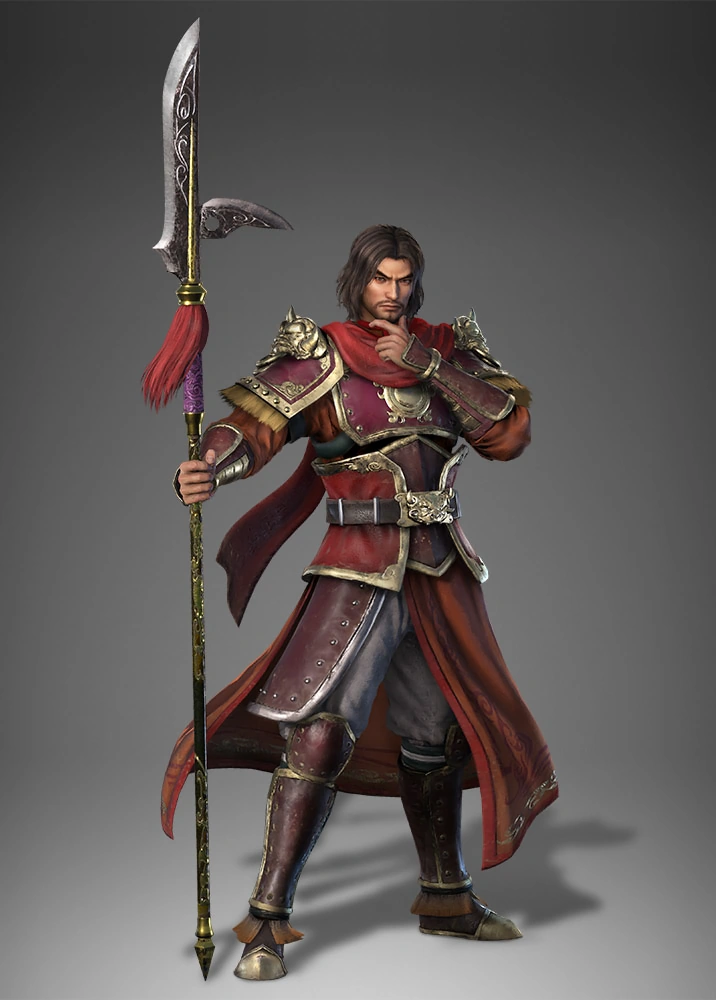
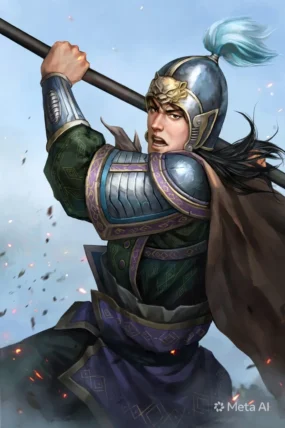
Lu Meng (吕蒙, Lã Mông), courtesy name Ziming (子明, Tử Minh), was one of Eastern Wu’s greatest generals — a man who transformed from an illiterate warrior into a learned strategist. Born in Runan, he secretly joined his brother-in-law Deng Dang (邓当, Đặng Đương)’s unit at sixteen and rose under Sun Ce (孙策, Tôn Sách) and Sun Quan (孙权, Tôn Quyền) through battlefield courage.
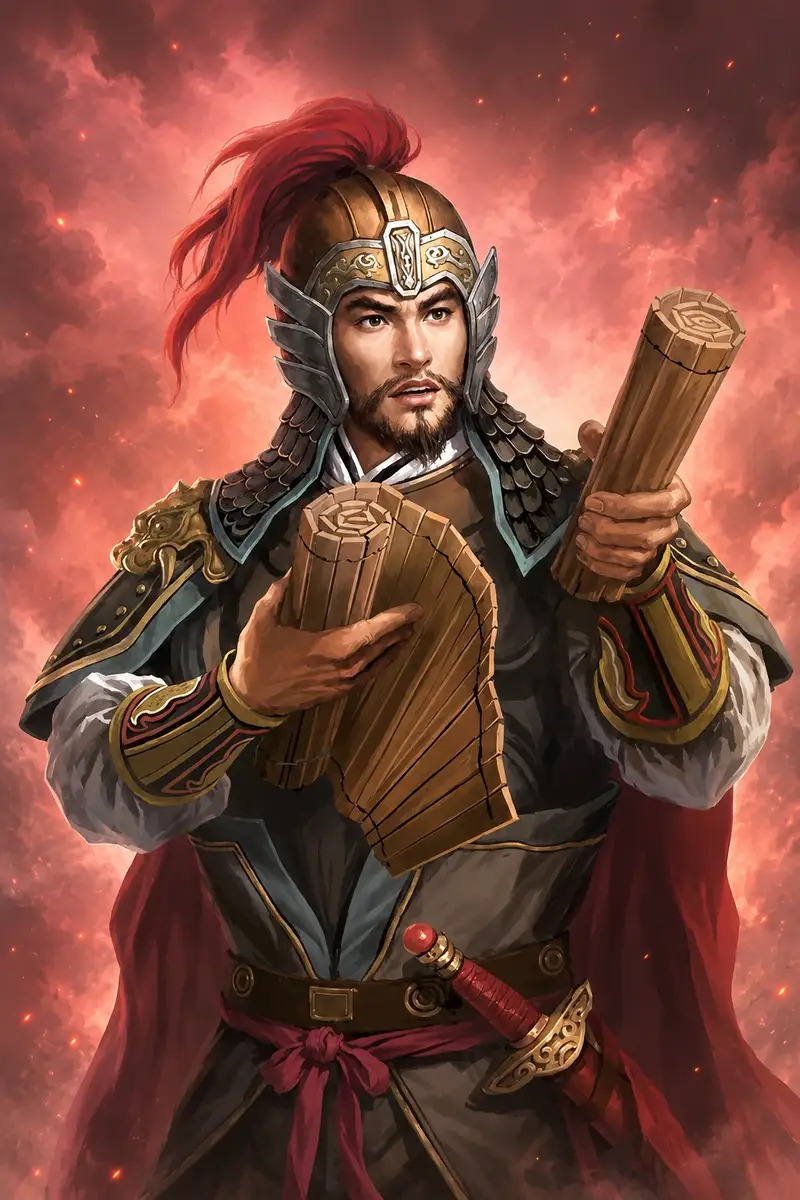
Early in his service Lu Meng was known as a fierce but uncouth fighter — he once killed a superior’s orderly in a dispute and was saved only by Sun Quan’s indulgence. At Sun Quan’s urging he studied classics and military texts under diligent tutors, inspiring the idiom When scholars part three days, regard each other with fresh eyes (士别三日,即更刮目相待) after Lu Su (鲁肃, Lỗ Túc) praised his transformation at a meeting in 210 AD. He fought at Red Cliffs under Zhou Yu (周瑜, Chu Du), slayed Chen Jiu (陈就, Trần Tựu) at Xiakou, captured southern Jing commanderies in 215 AD, and held Ruxu against Cao Cao’s repeated invasions — including the terrifying cavalry charges of Zhang Liao (张辽, Trương Liêu) at Xiaoyao Ford. He succeeded Lu Su as commander at Lukou in 217 AD, facing Guan Yu (关羽, Quan Vũ) across the Yangtze.
His masterpiece came in 219 AD: feigning illness, he installed the young Lu Xun (陆逊, Lục Tốn) as his replacement to lull Guan Yu (关羽, Quan Vũ), then executed the White Clothing Crossing (白衣渡江) — disguising troops as merchants to seize Jing Province and trap Guan Yu. He died of illness shortly after (220 AD historically). The novel dramatizes his death as possession by Guan Yu’s vengeful ghost at Sun Quan’s victory banquet.
Role in Romance of the Three Kingdoms
Chapters 38 & 44–51 (From Jiangxia to Nanjun): Lu Meng serves in the Jiangxia campaign slaying Chen Jiu; fights at Red Cliffs under Zhou Yu; then assists the prolonged siege of Nanjun against Cao Ren (曹仁, Tào Nhân) after Cao Cao’s retreat from Chibi.
Chapter 60 (Ruxu Defenses): Devises river fortifications and stone barriers at Ruxukou that repel Cao Cao’s grand southern invasion, securing Wu’s northern frontier along the Yangtze.
Chapter 67 (Lu Meng Applies Himself to Books): Sun Quan urges Lu Meng to study; Lu Su declares he is no longer the crude warrior of old — the source of the three days’ separation proverb.
Chapters 73–77 (White Clothing Crossing): Feigns illness; Lu Xun replaces him; crosses the Yangtze in white robes; captures Jiangling; treats civilians benevolently so Guan Yu’s army deserts; Guan Yu captured and executed; Lu Meng possessed by Guan Yu’s ghost at the victory feast and dies.
Lu Meng (吕蒙) — Historical & Literary Timeline
178 AD
Birth in Runan
Born in Fuyang, Runan Commandery; joins Deng Dang’s unit at sixteen.
Ch. 38 / 208 AD
Slaying Chen Jiu
Vanguard in Sun Quan’s campaign against Huang Zu; personally kills Chen Jiu at Xiakou.
Ch. 44–49 / 208 AD
Battle of Red Cliffs
Naval officer under Zhou Yu in the allied victory over Cao Cao.
Ch. 67 / 210 AD
Scholar’s transformation
Sun Quan urges study; Lu Su praises his intellectual growth — 士别三日 proverb.
Ch. 60 / 215 AD
Ruxu defenses
River fortifications repel Cao Cao’s southern invasion at Ruxukou.
217 AD
Commander at Lukou
Succeeds Lu Su as Wu’s front-line commander facing Guan Yu in Jing Province.
Ch. 75–77 / 219 AD
Capture of Jingzhou
White Clothing Crossing; Guan Yu trapped and executed; Lu Meng dies (illness / ghost possession).
For detailed historical records, archives, and official chronicles, explore Lu Meng on Wikipedia.
Key Relationships
Family
- Deng Dang (邓当, Đặng Đương): Brother-in-law who brought him into Sun Ce’s army.
- Sons Lu Ba (吕霸, Lã Bá), Lu Cong (吕琮, Lã Tông), Lu Mu (吕睦, Lã Mục): Recorded heirs.
Friends
- Lu Su (鲁肃, Lỗ Túc): Predecessor at Lukou; praised Lu Meng’s scholarly transformation.
- Lu Xun (陆逊, Lục Tốn): Partner in the illness deception; succeeded him in command.
- Zhou Yu (周瑜, Chu Du): Superior at Red Cliffs and early Wu campaigns.
- Sun Quan (孙权, Tôn Quyền): Lord who urged his education and mourned his death.
Enemies
- Guan Yu (关羽, Quan Vũ): Primary target of the 219 Jing Province campaign; captured and executed after White Clothing Crossing.
- Chen Jiu (陈就, Trần Tựu): Huang Zu’s officer slain by Lu Meng at Xiakou.
- Huang Zu (黄祖, Hoàng Tổ): Warlord defeated in Sun Quan’s Xiakou campaign.
- Zhang Liao (张辽, Trương Liêu): Fought at the Battle of Xiaoyao Ford (215 AD).
Other
- Sun Ce (孙策, Tôn Sách): First lord who appointed Lu Meng commander after Deng Dang’s death.
- Cao Cao (曹操, Tào Tháo): Opponent at Red Cliffs and Ruxukou.
Appearance

In Novel
Chapter 38
- Lu Meng (吕蒙, Lã Mông): Wu commander, courtesy Ziming (子明, Tử Minh); participates in the pacification of Jiangxia and slays enemy commander Chen Jiu (陈就, Trần Tựu).
Chapter 44
- Lu Meng (吕蒙, Lã Mông): Serves as a naval division officer under Zhou Yu (周瑜, Chu Du) during preparations for the Battle of Red Cliffs against Cao Cao (曹操, Tào Tháo).
Chapter 49
- Lu Meng (吕蒙, Lã Mông): Fights in the allied fleet at Red Cliffs as Huang Gai’s fire-ships destroy Cao Cao’s linked armada.
Chapter 51
- Lu Meng (吕蒙, Lã Mông): Assists Zhou Yu in the siege and capture of Nanjun from Cao Ren (曹仁, Tào Nhân).
Chapter 60
- Lu Meng (吕蒙, Lã Mông): Devises river defenses and stone fortifications at Ruxu, repelling Cao Cao’s grand southern invasion.
Chapter 67
- Lu Meng (吕蒙, Lã Mông): Urged by Sun Quan (孙权, Tôn Quyền) to study the classics; earns Lu Su’s (鲁肃, Lỗ Túc) praise that he is no longer the simple soldier of Wu — origin of the 士别三日 proverb.
Chapter 68
- Lu Meng (吕蒙, Lã Mông): Fights at the Battle of Xiaoyao Ford alongside Sun Quan against Zhang Liao (张辽, Trương Liêu)’s devastating cavalry charges.
Chapter 73
- Lu Meng (吕蒙, Lã Mông): Feigns severe illness and recommends the young Lu Xun (陆逊, Lục Tốn) as replacement commander, disarming Guan Yu’s (关羽, Quan Vũ) vigilance in northern Jingzhou.
Chapter 75
- Lu Meng (吕蒙, Lã Mông): Executes the White Clothing Crossing (白衣渡江) — elite troops disguised as merchants capture beacon towers and seize Jiangling with minimal resistance.
Chapter 76
- Lu Meng (吕蒙, Lã Mông): Treats Jingzhou civilians with strict discipline and benevolence; Guan Yu’s army dissolves through widespread desertion as cities surrender to Wu.
Chapter 77
- Lu Meng (吕蒙, Lã Mông): Honored at Sun Quan’s victory banquet after Guan Yu’s capture and execution; suddenly possessed by Guan Yu’s vengeful spirit, seizes Sun Quan, and collapses dead bleeding from every orifice.
Chapter 79
- Lu Meng (吕蒙, Lã Mông): Sun Quan (孙权, Tôn Quyền) posthumously honors him; the narrative treats his ghost-possession death as karmic retribution for Guan Yu’s execution.
Appearance
In History
Summary
- Lu Meng (吕蒙, Lã Mông), courtesy name Ziming, was an Eastern Wu general who rose from a rough soldier to one of Sun Quan (孙权, Tôn Quyền)‘s most important commanders. His biography emphasizes both battlefield courage and self-improvement through study.
Year: 208 AD
- Lu Meng (吕蒙, Lã Mông) served in Sun Quan’s Xiakou campaign against Huang Zu, personally killing Chen Jiu, and fought at the Battle of Red Cliffs under Zhou Yu.
Year: 210 AD
- Lu Meng (吕蒙, Lã Mông) undertook serious study at Sun Quan’s encouragement; Lu Su noted his remarkable intellectual growth.
Year: 217 AD
- Lu Meng (吕蒙, Lã Mông) succeeded Lu Su as commander at Lukou and urged Sun Quan to seize Jing Province while Guan Yu was away campaigning in the north.
Year: 219 AD
- Lu Meng (吕蒙, Lã Mông) carried out the surprise campaign down the Yangtze that seized Jing Province from Guan Yu, using disguised troops in merchant clothing.
Year: 220 AD
- Lu Meng (吕蒙, Lã Mông) died of illness shortly after the Jing Province victory despite Sun Quan’s efforts to save him; the novel replaces this with Guan Yu’s ghost possession.
Historical Record
- Biography in Sanguozhi, vol. 54 (吕蒙传). Chen Shou highlights his transformation from an unlettered warrior to a capable strategist and his decisive role in the 219 Jing Province campaign.
Appearance
Gallery