


Contents
Biography & Historical Record
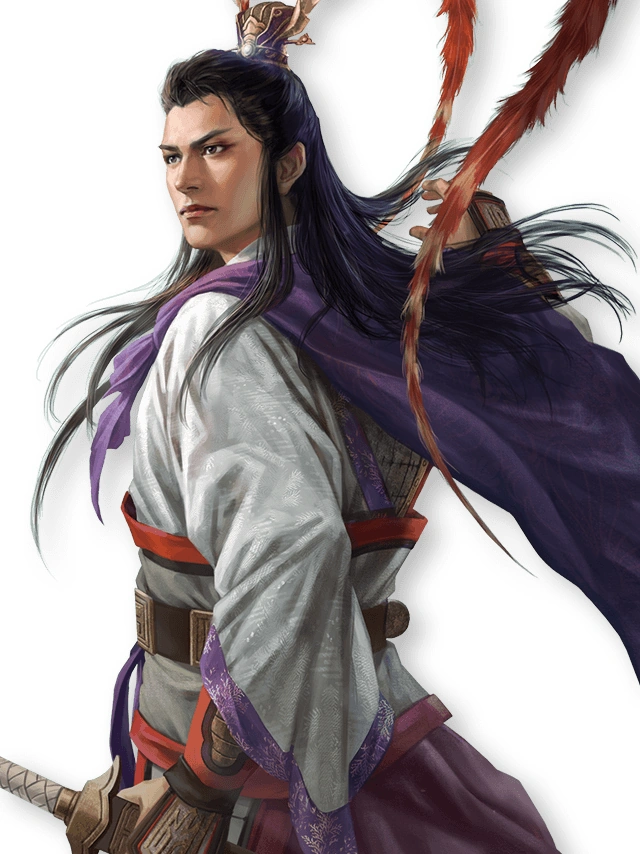
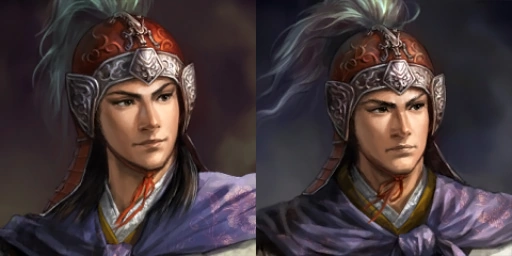
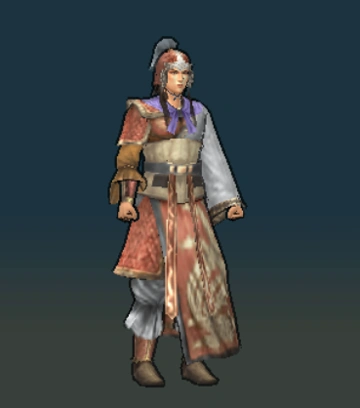
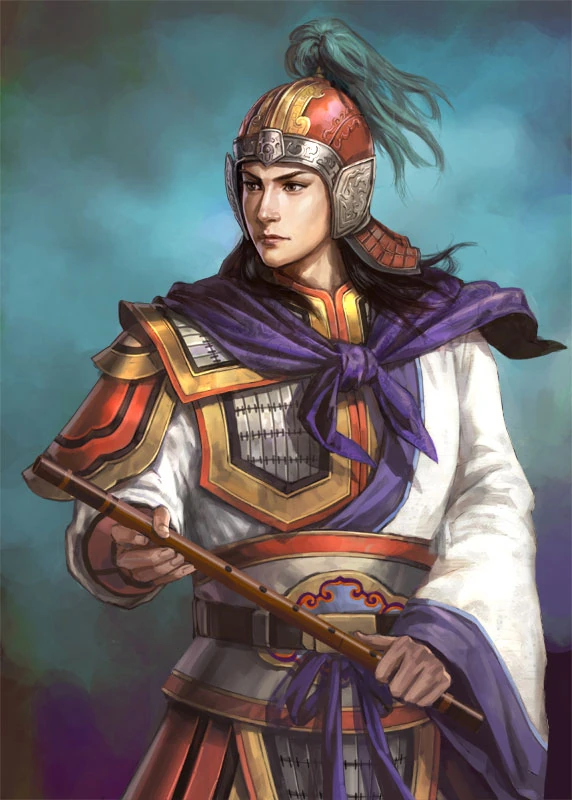
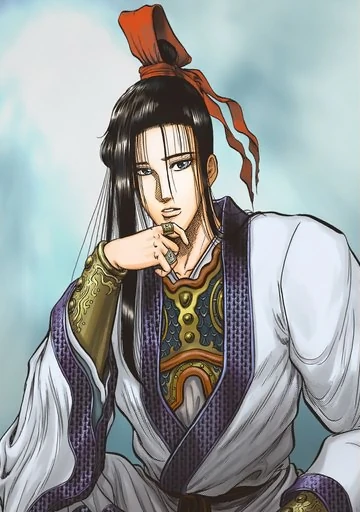
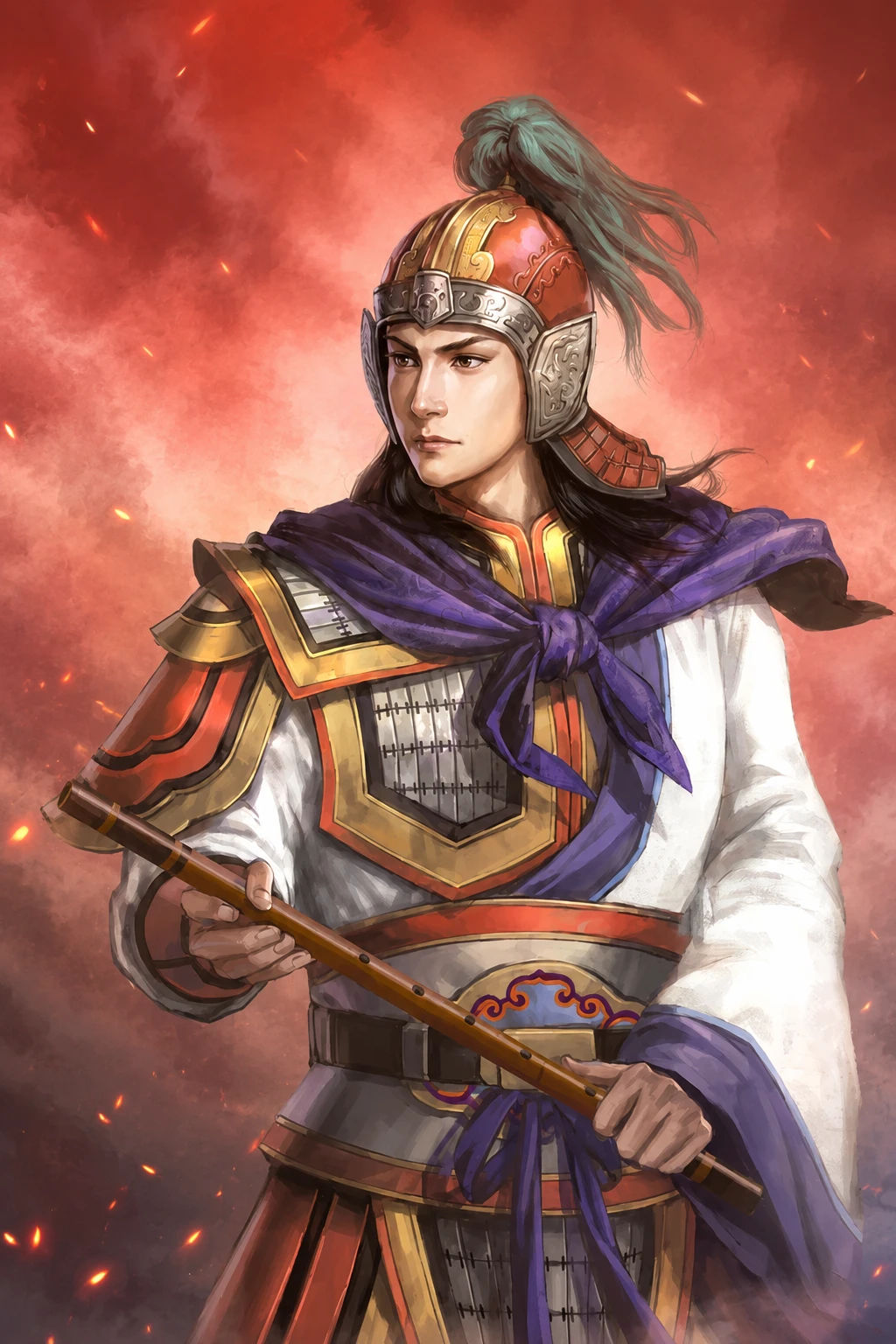
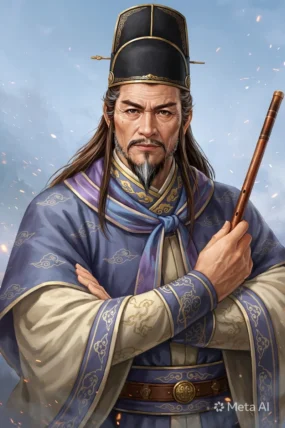
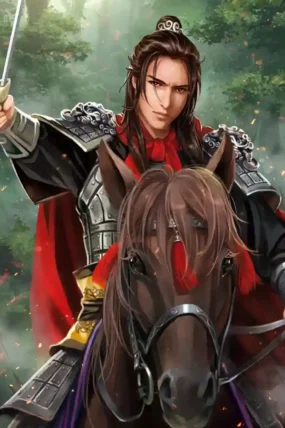
Zhou Yu (周瑜, Chu Du), courtesy name Gongjin (公瑾, Công Cẩn), was the supreme military commander of early Eastern Wu (东吴, Đông Ngô) — a statesman, naval strategist, and celebrated musician from Lujiang. His grandfather Zhou Jing (周景, Chu Cảnh) and uncle Zhou Zhong (周忠, Chu Trung) both reached the rank of Grand Excellency in the Han court. Folk tradition held that if a performer struck a wrong note, Zhou Yu would glance back — giving rise to the saying When the tune errs, Zhou Lang turns (曲有误,周郎顾).
Around 190 AD, when Sun Ce (孙策, Tôn Sách) moved his household to Shu County, Zhou Yu opened his family estate to the Suns and became sworn brothers with Sun Ce. From 195 AD he led troops in the Jiangdong conquest, was styled Zhou Lang (Young Lord Zhou) at twenty-four, and in 199 AD married Xiao Qiao (小乔, Tiểu Kiều), one of the Two Qiaos. After Sun Ce’s death in 200 AD, Zhou Yu returned to support the young Sun Quan (孙权, Tôn Quyền) alongside Zhang Zhao (张昭, Trương Chiêu).
Historically, Zhou Yu rejected surrender to Cao Cao (曹操, Tào Tháo) in 208 AD, allied with Liu Bei (刘备, Lưu Bị), and commanded the allied fleet at Red Cliffs with Huang Gai (黄盖, Hoàng Cái)’s fire attack. He then besieged Cao Ren (曹仁, Tào Nhân) at Jiangling, took Nan Commandery despite an arrow wound, and planned a western drive toward Yizhou before dying of illness at Baqiu in 210 AD at age thirty-six. Sanguozhi praises his magnanimity; the novel later casts him as jealous of Zhuge Liang (诸葛亮, Gia Cát Lượng).
Role in Romance of the Three Kingdoms
Chapters 15 & 29 (Sun Ce Conquers Jiangdong; Zhou Yu Supports Sun Quan): Sworn brother to Sun Ce, Zhou Yu marries Xiao Qiao during the Jiangdong campaigns and, after Sun Ce’s death, rushes back to recommend Lu Su (鲁肃, Lỗ Túc) and pledge loyalty to Sun Quan.
Chapters 44–50 (Red Cliffs): Appointed supreme commander, Zhou Yu resolves for war after Zhuge Liang recites Cao Cao’s Bronze Sparrow Terrace ode; defeats Cao’s vanguard at Sanjiang; traps Jiang Gan (蒋干, Tưởng Cán); stages Huang Gai’s feigned defection and fire-ship assault; and annihilates Cao Cao’s linked fleet at Chibi.
Chapters 51 & 54–56: Wounded besieging Nanjun, Zhou Yu loses the city to Zhuge Liang’s stratagem; later devises the Ganlu Temple marriage trap against Liu Bei, is outwitted on the Yangtze (Ch. 55), and dies at Baqiu crying Since Heaven bore Yu, why did it also bear Liang? (Ch. 57).
Zhou Yu (周瑜) — Historical & Literary Timeline
Ch. 15 / 195 AD
Jiangdong conquest
Joins Sun Ce’s campaign; marries Xiao Qiao; styled Zhou Lang.
Ch. 29 / 200 AD
Sun Ce’s death
Returns to Wu; recommends Lu Su; co-governs with Zhang Zhao under Sun Quan.
Ch. 38 / 208 AD
Jiangxia & Huang Zu
Naval campaign eliminates Huang Zu, clearing Wu’s upstream flank before Red Cliffs.
Ch. 44–49 / 208 AD
Red Cliffs victory
Supreme commander; Jiang Gan ruse; Huang Gai fire attack; Cao Cao’s fleet destroyed.
Ch. 51 / 209 AD
Siege of Nanjun
Arrow wound from Cao Ren’s archers; Nan Commandery captured but lost to Zhuge Liang.
Ch. 54–55
Marriage stratagem
Ganlu Temple trap on Liu Bei fails; Zhuge Liang’s ambushes humiliate Zhou Yu on the Yangtze.
Ch. 57 / 210 AD
Death at Baqiu
Western-expansion plan countered by Zhuge Liang; dies at thirty-six; recommends Lu Su as successor.
For detailed historical records, archives, and official chronicles, explore Zhou Yu on Wikipedia.
Key Relationships
Family
- Wife Xiao Qiao (小乔, Tiểu Kiều): One of the Two Qiaos; married during the Wan campaign (199 AD).
- Sons Zhou Xun (周循, Chu Tuần) and Zhou Yin (周胤, Chu Nận): Heirs recorded in Wu histories.
- Grandfather Zhou Jing (周景, Chu Cảnh) and uncle Zhou Zhong (周忠, Chu Trung): Han Grand Excellencies.
Friends
- Sun Ce (孙策, Tôn Sách): Sworn brother; shared estates and conquered Jiangdong together.
- Lu Su (鲁肃, Lỗ Túc): Ally and recommended successor; provided grain in early Wu campaigns.
- Cheng Pu (程普, Trình Phổ): Senior Wu general won over by Zhou Yu’s magnanimity.
- Huang Gai (黄盖, Hoàng Cái): Co-architect of the Red Cliffs fire attack.
Enemies
- Cao Cao (曹操, Tào Tháo): Primary foe at Red Cliffs; fleet burned in 208 AD.
- Cao Ren (曹仁, Tào Nhân): Defended Jiangling; his archers wounded Zhou Yu during the siege.
- Zhuge Liang (诸葛亮, Gia Cát Lượng): Literary rival whose stratagems repeatedly foil and enrage Zhou Yu in the novel.
Other
- Sun Quan (孙权, Tôn Quyền): Lord and sovereign; lamented he could not have worn imperial robes without Zhou Yu.
- Liu Bei (刘备, Lưu Bị): Red Cliffs ally; later rival for Jing Province and marriage politics.
- Zhang Zhao (张昭, Trương Chiêu): Civil minister who shared governance after Sun Ce’s death.
- Jiang Gan (蒋干, Tưởng Cán): Cao Cao’s envoy deceived in the forged-letter stratagem (Ch. 45).
Appearance
In Novel
Chapter 15
- Zhou Yu (周瑜, Chu Du): Lujiang commander, courtesy Gongjin (公瑾, Công Cẩn); sworn brother to Sun Ce (孙策, Tôn Sách); leads Jiangdong conquest and marries Xiao Qiao (小乔, Tiểu Kiều).
Chapter 29
- Zhou Yu (周瑜, Chu Du): Rushes back on Sun Ce’s death; recommends Lu Su (鲁肃, Lỗ Túc) to Sun Quan (孙权, Tôn Quyền) and pledges absolute loyalty to the young heir.
Chapter 38
- Zhou Yu (周瑜, Chu Du): Directs the naval conquest of Jiangxia and slays Huang Zu (黄祖, Hoàng Tổ), clearing Wu’s upstream position before Cao Cao’s southern drive.
Chapter 44
- Zhou Yu (周瑜, Chu Du): Appointed Supreme Commander-in-Chief to confront Cao Cao (曹操, Tào Tháo); resolves for war after Zhuge Liang (诸葛亮, Gia Cát Lượng) recites the Bronze Sparrow Terrace ode at Sun Quan’s war council.
Chapter 45
- Zhou Yu (周瑜, Chu Du): Defeats Cao Cao’s naval vanguard at Sanjiang; hosts childhood friend Jiang Gan (蒋干, Tưởng Cán) in a staged banquet, planting a forged letter that causes Cao Cao to execute naval commanders Cai Mao (蔡瑁, Sái Mạo) and Zhang Yun (张允, Trương Doãn).
Chapter 46
- Zhou Yu (周瑜, Chu Du): Collaborates with Huang Gai (黄盖, Hoàng Cái) on the Infliction of Injury stratagem; attempts to kill Zhuge Liang over the straw-boat arrow loan but is outmaneuvered.
Chapter 47
- Zhou Yu (周瑜, Chu Du): Accepts Pang Tong (庞统, Bàng Thống)’s linked-chains advice to trap Cao Cao’s fleet; again fails to eliminate Zhuge Liang.
Chapter 48
- Zhou Yu (周瑜, Chu Du): Inspects Yangtze defenses and coordinates the allied fleet before the fire assault on Cao Cao’s anchored armada.
Chapter 49
- Zhou Yu (周瑜, Chu Du): Commands the allied fleet at Red Cliffs; launches Huang Gai’s fire-ships in a historic inferno that destroys Cao Cao’s navy.
Chapter 51
- Zhou Yu (周瑜, Chu Du): Besieges Nanjun; takes a poisoned arrow wound from Cao Ren’s (曹仁, Tào Nhân) archers; loses the city when Zhuge Liang seizes it first.
Chapter 54
- Zhou Yu (周瑜, Chu Du): Devises the Ganlu Temple marriage lure to detain Liu Bei (刘备, Lưu Bị) in Eastern Wu under Sun Quan’s sister.
Chapter 55
- Zhou Yu (周瑜, Chu Du): Pursues Liu Bei and Lady Sun along the Yangtze; outwitted by Zhuge Liang’s ambushes; collapses as Shu troops mock Zhou Yu’s clever plan cost his master both sister and soldiers!
Chapter 56
- Zhou Yu (周瑜, Chu Du): Proposes a deceptive Riverlands campaign for Liu Bei; at Baqiu finds every move anticipated by Zhuge Liang, reopening his arrow wound.
Chapter 57
- Zhou Yu (周瑜, Chu Du): Dies at Baqiu at age thirty-six, crying Since Heaven bore Yu, why did it also bear Liang? (既生瑜,何生亮); recommends Lu Su as successor.
Appearance
In History
Summary
- Zhou Yu (周瑜, Chu Du), courtesy name Gongjin, was the principal military commander of early Eastern Wu and intimate associate of Sun Ce (孙策, Tôn Sách) and Sun Quan (孙权, Tôn Quyền). Historians record him as handsome, musical, magnanimous, and decisive in war.
Year: 195 AD
- Zhou Yu (周瑜, Chu Du) joined Sun Ce’s Jiangdong campaigns with troops and supplies, helping establish the Sun family’s territorial base south of the Yangtze.
Year: 208 AD
- Zhou Yu (周瑜, Chu Du) commanded Wu forces against Cao Cao (曹操, Tào Tháo) and played the central military role in the allied victory at Red Cliffs; afterward besieged Cao Ren at Jiangling.
Year: 209 AD
- Zhou Yu (周瑜, Chu Du) captured Nan Commandery but was wounded during the campaign; he proposed expanding westward toward Ba Shu and Hanzhong.
Year: 210 AD
- Zhou Yu (周瑜, Chu Du) died at Baqiu while preparing the western campaign; on his deathbed he recommended Lu Su (鲁肃, Lỗ Túc) to succeed him.
Historical Record
- Biography in Sanguozhi, vol. 54 (周瑜传). Chen Shou praises Zhou Yu’s generosity and strategic vision; Romance of the Three Kingdoms invents the jealous rivalry with Zhuge Liang and the famous deathbed lament.
Appearance
Gallery