


Contents
Life and Legacy of Han Ji
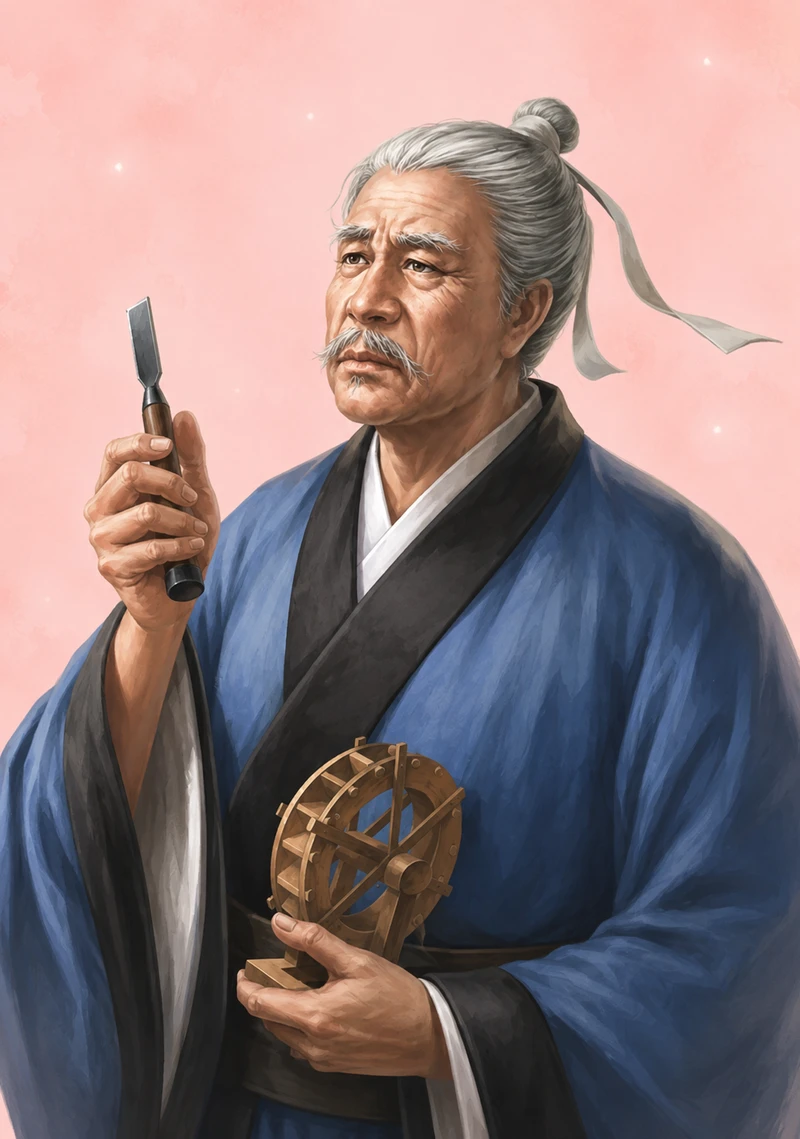
Han Ji (韩暨), courtesy name Gongzhi, was an eminent civil administrator and pioneering metallurgical engineer of the Cao Wei state during the tumultuous Three Kingdoms era. Born in Nanyang Commandery, he gained early acclaim through his steadfast filial devotion and unwavering resolve after avenging his falsely executed family members.
Following Cao Cao’s takeover of Jingzhou in 208 AD, he entered public service and was appointed Superintendent of Metallurgical Operations. In this critical capacity, Han Ji revolutionized imperial weapons production by developing and popularizing water-powered blast furnace bellows (Shuipai). This mechanical innovation tripled the efficiency of iron smelting compared to manual or horse-driven labor, vastly expanding the state’s military arsenal while lessening public servitude.
Administrative Rise and Honors
Under the successive reigns of Cao Pi and Cao Rui, his unimpeachable integrity and frugality earned him consistent promotions. He served honorably as Grand Master of Ceremonies and was later elevated to Minister of Works (Sikong) in 238 AD before passing away at an advanced age.
In classical literature, particularly the Romance of the Three Kingdoms, Han Ji appears primarily in court rosters during major dynastic ceremonies. While fictionalized narratives prioritize battlefield heroics, historical records commemorate his crucial contributions to early Chinese industrial engineering and governance.
Historical & Literary Timeline
Filial Vengeance & Seclusion
Executes vengeance against Chen Mao for his family’s wrongful death before relocating to Jingzhou.
Service Under Cao Cao
Enters governmental service as Superintendent of Metallurgical Operations.
Hydraulic Metallurgy
Implements water-powered bellows, boosting military equipment manufacturing threefold.
Minister of Works & Passing
Appointed Minister of Works by Emperor Cao Rui; passes away and receives the posthumous title Marquis Gong.
Key Relationships
- Han Zhao: Son who inherited the title Marquis of Yishou.
- Cao Cao: Imperial Chancellor who recruited him to modernize state iron production.
- Cao Pi & Cao Rui: Wei emperors who honored him with top ministerial appointments.
- Sima Yi: Prominent statesman who commended his frugal administration.
In History
Early Career
- Han Ji (韩暨, Hàn Ký), courtesy name Gongye, was a prominent official and technical administrator who served under Cao Cao (曹操, Tào Tháo) and later the Cao Wei emperors.
Engineering and Agriculture
- Han Ji was known for his ability in hydraulic engineering and agricultural administration. He helped develop irrigation works and was valued for improving practical state administration.
Wei Government
- After the establishment of Wei, Han Ji continued to receive senior offices. His career demonstrates the importance of technical expertise in the development of the Wei state.
Later Career
- He eventually held high ministerial office and was granted noble rank. Han Ji died during the reign of Cao Rui (曹叡, Tào Duệ).
Legacy
- Han Ji was remembered as a capable administrator whose expertise in agriculture and hydraulic works contributed to the material foundations of the Wei government.