
Contents
Biography & Historical Record
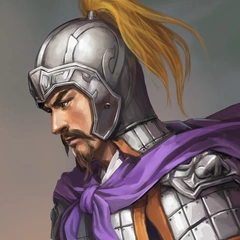
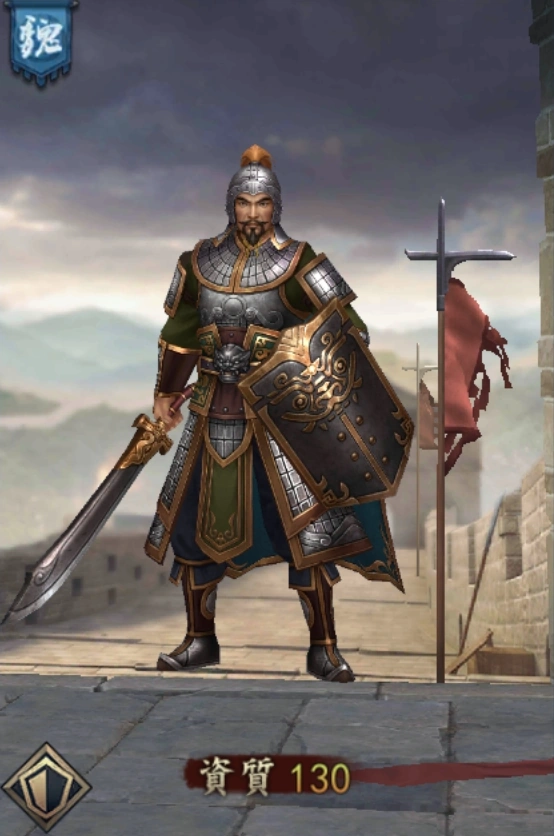
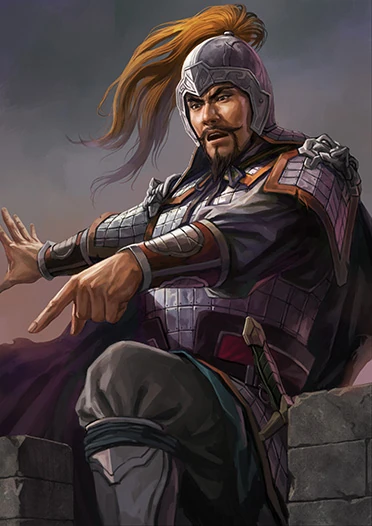
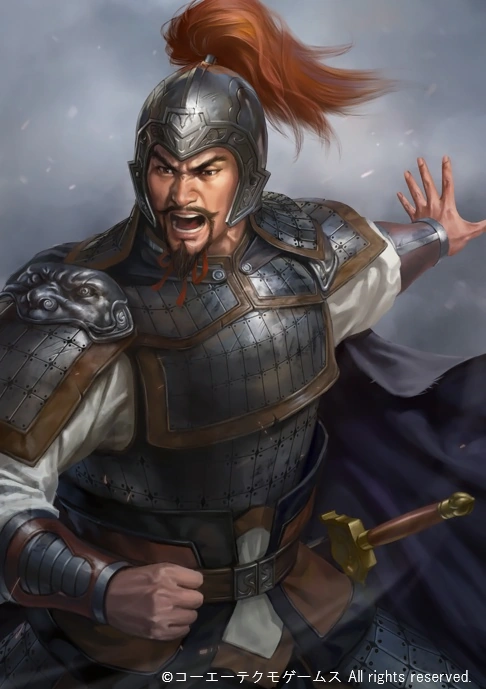
Hao Zhao (courtesy name Badao) was a celebrated military general of Cao Wei during the Three Kingdoms period. Born in Taiyuan Commandery (present-day Taiyuan, Shanxi Province), he was physically imposing, brave, and exceptionally skilled in military strategy and defensive engineering. In his early military career, he joined the army as a young commander and achieved distinction through numerous frontier skirmishes, steadily earning promotion for his steadfast discipline and tactical cleverness.
Prior to his famous stand at Chencang, Hao Zhao served in the western garrisons of Hexi for over ten years, maintaining peace and suppressing local rebellions with strict authority and fairness, earning high praise from both the imperial court and local border populations. Following the defeat of Ma Su at Jieting during Shu Han’s First Northern Expedition, the grand strategist Sima Yi and general Cao Zhen anticipated that Zhuge Liang would change his invasion route and target Chencang in his next campaign. On Sima Yi’s recommendation, Hao Zhao was posted to Chencang and task-managed with heavily fortifying the castle pass.
In late 228 AD, Zhuge Liang led a massive Shu army of over 100,000 soldiers to besiege Chencang, expecting a swift victory over its modest garrison of barely 1,000 men. Knowing Hao Zhao’s old friend Jin Xiang was in the Shu camp, Zhuge Liang sent Jin Xiang twice to persuade Hao Zhao to surrender. Standing atop the battlements, Hao Zhao resolute rejected the pleas, declaring that the law of Wei was absolute, his oath of loyalty unshakable, and that he would fight to the death.
Over twenty consecutive days, Zhuge Liang deployed an extraordinary array of siege engines, including siege ladders (Yunren), battering rams (Chongche), multi-story archer towers (Jinglan), and subterranean tunnels. Demonstrating genius level counter-engineering, Hao Zhao countered every wave: he used fire arrows to incinerate the siege ladders, bound heavy stone grinding wheels with iron chains to crush battering rams, erected inner brick walls to block archer towers, and dug deep trenches to intersect enemy tunnels. Unable to breach the citadel and running critically low on rations, Zhuge Liang was forced to lift the siege and retreat. For his heroic defense against overwhelming odds, Emperor Cao Pi and Cao Rui honored Hao Zhao with the title of Marquis of Guannei and promoted him to General Who Asserts Might. Shortly thereafter in 229 AD, Hao Zhao fell gravely ill and passed away in Chencang, giving final instructions to his family for a simple, frugal burial without elaborate tomb mounds.
Role in Romance of the Three Kingdoms
In Luo Guanzhong’s Romance of the Three Kingdoms, Hao Zhao’s legendary stubborn defense is immortalized in Chapters 97 and 98. Appointed by Sima Yi to guard Chencang, Hao Zhao faces Zhuge Liang’s 100,000-strong expeditionary force with a tiny garrison. Refusing two emotional surrender appeals from his friend Jin Xiang, Hao Zhao proclaims: ‘The imperial law of Wei permits no treason; my defense is absolute. Go tell Zhuge Liang to assault with all he has!’ Over twenty days, Hao Zhao brilliantly foils every siege tactic of the Shu commander—burning ladders with flaming arrows, smashing rams with hanging stones, building inner ramparts against siege towers, and flooding tunnels. In Chapter 98, after falling critically ill, Hao Zhao sees mysterious fire lights in Chencang; as Shu forces launch a surprise night raid, the shock worsens his fever, leading to his heroic death while defending his post to the last breath.
Hao Zhao (郝昭) — Literary Timeline
228 AD
Fortification of Chencang
Recommended by Sima Yi to rebuild and command the defense of Chencang, anticipating Zhuge Liang’s second northern campaign.
228 AD
Rejection of Jin Xiang’s Surrender Appeal
Refuses to yield when his friend Jin Xiang is sent by Zhuge Liang to negotiate; swears to defend Chencang to his last breath.
228 AD
The Legend of Chencang Defense
Defeats twenty days of continuous siege assaults; neutralizes siege ladders, rams, towers, and tunnels, forcing Zhuge Liang to retreat.
229 AD
Illness and Death in Battle
Falls gravely ill during the third Shu expedition; collapses and passes away as Shu forces stage a surprise night infiltration at Chencang.
Key Relationships
Family
- Hao Kai (郝凯, Hách Khải) — Son of Hao Zhao who inherited his father’s title of Marquis of Guannei following his death in 229 AD.
Friends
- Jin Xiang (靳祥, Cận Tường) — A childhood friend of Hao Zhao who served as an official under Shu Han; he was sent by Zhuge Liang to persuade Hao Zhao to surrender during the siege of Chencang in 228 AD.
Enemies
- Zhuge Liang (诸葛亮, Gia Cát Lượng) — Prime Minister of Shu Han who led the 100,000-strong invasion force against Chencang in 228 AD and was successfully repelled by Hao Zhao’s defensive strategies.
- Wei Yan (魏延, Ngụy Diên) — A vanguard general of Shu Han who participated in the direct assaults against the fortifications at Chencang during the 228 AD campaign.
- Jiang Wei (姜维, Khương Duy) — A Shu Han commander who took part in the siege operations against Hao Zhao at Chencang.
Other
- Sima Yi (司马懿, Tư Mã Ý) — A high-ranking strategist of Cao Wei who recognized Hao Zhao’s defensive capabilities and recommended him for the critical command of Chencang.
- Cao Zhen (曹真, Tào Chân) — A prominent Cao Wei general who collaborated with Sima Yi to appoint Hao Zhao and provided the necessary resources to fortify Chencang.
- Cao Pi (曹丕, Tào Phi) — The Emperor of Cao Wei who honored Hao Zhao with the title of Marquis of Guannei for his military service.
- Cao Rui (曹叡, Tào Duệ) — The Emperor of Cao Wei who promoted Hao Zhao to General Who Asserts Might following the successful defense of Chencang.
In Novel
Chapter 97
- Hao Zhao (郝昭, Hác Chiêu): Hao Zhao is appointed to defend Chencang against Zhuge Liang. Zhuge Liang brings a large Shu army and expects the city to fall quickly, but Hao Zhao has already strengthened the walls, dug defensive trenches and prepared the garrison for a prolonged siege.
Chapter 98
- Hao Zhao (郝昭, Hác Chiêu): Zhuge Liang attacks Chencang repeatedly using ladders, earthworks and siege engines. Hao Zhao personally directs the defense, moving troops to threatened sections of the wall and countering each Shu method. When Shu troops attempt to climb the walls, Wei defenders burn and destroy the ladders; when they try to fill the moat, Hao Zhao orders countermeasures. The city survives until Zhuge Liang is forced to withdraw because the siege has consumed too much time.
In History
Summary
- Hao Zhao (郝昭, Hảo Chiêu), courtesy name Bodao (伯道), was a Wei military commander famous for his defense of Chencang against Shu.
Year: 228 AD — Defense of Chencang
- When Zhuge Liang launched a northern expedition, Hao Zhao was responsible for defending Chencang, a strategically important fortified city.
- Although Shu forces greatly outnumbered his defenders, Hao Zhao organized the city’s defenses and resisted repeated attacks.
- The siege ultimately failed, and Zhuge Liang withdrew.
Death
- Hao Zhao later became seriously ill and died not long after the Chencang campaign.
Historical Record
- Hao Zhao was a historical figure. His defense of Chencang is recorded in the Wei and Shu campaign accounts.
Gallery