

Contents
Biography & Historical Record
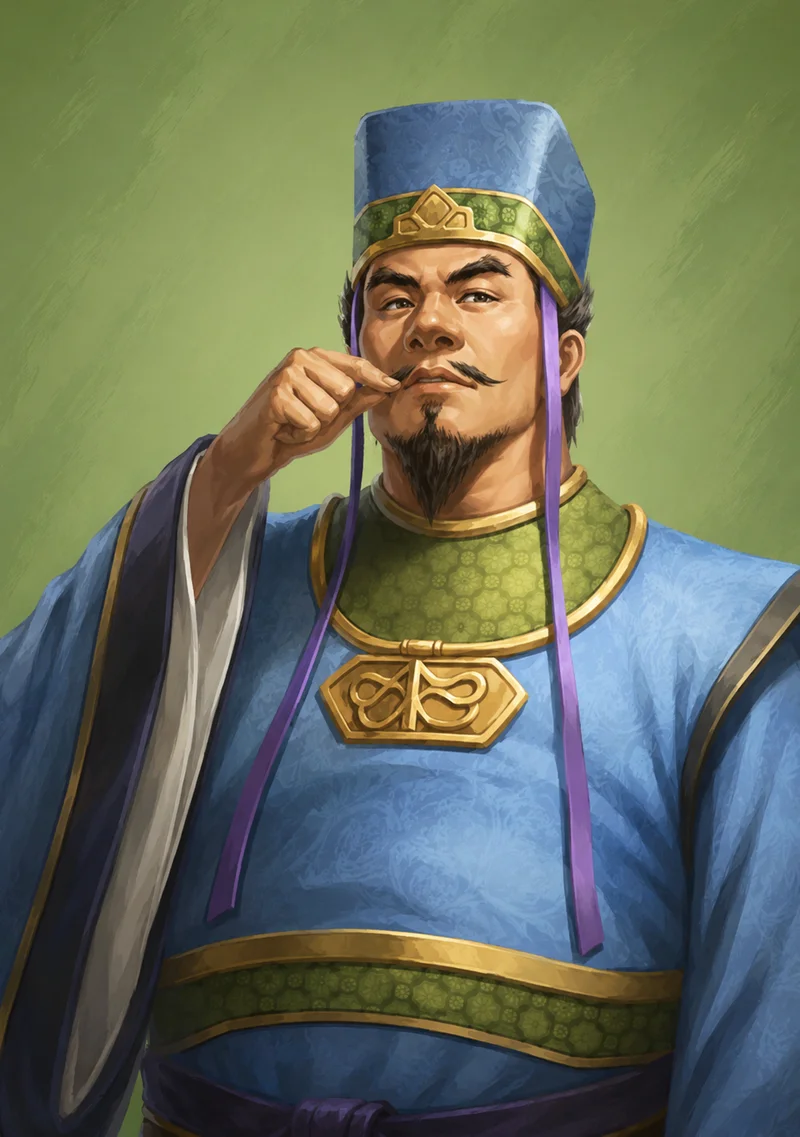
He Ceng, courtesy name Yingkao, was a prominent statesman, scholar, and senior minister who served both the Cao Wei state and the Western Jin dynasty during the Three Kingdoms and Jin periods. Hailing from Yangxia County in Chen Commandery (modern-day Taikang County, Henan Province), he was the son of He Kui, a respected and upright Grand Tutor of Cao Wei. Documented in Chen Shou’s Records of the Three Kingdoms (Sanguozhi – Book of Wei, Biography of He Kui) and Fang Xuanling’s Book of Jin (Jin Shu – Biography of He Ceng), He Ceng lived a remarkably long, influential, and controversial life spanning eighty years (199–279 AD). He played a crucial role as a core political strategist for the Sima family during their usurpation of Cao Wei and was elevated to the highest civilian offices of the Western Jin dynasty, serving as Minister over the Masses (Sidu), Imperial Tutor (Taifu), and Grand Tutor (Taizai). Simultaneously, he became historically notorious as the ultimate symbol of extreme luxury, extravagance, and lavish dining in ancient Chinese history.
In his youth during the reign of Emperor Ming of Wei (Cao Rui), He Ceng entered imperial service due to his noble family lineage and deep Confucian erudition, holding civil appointments such as Literary Assistant to the Marquis of Pingyuan and Yellow Gate Attendant. He was widely recognized for his administrative philosophy that the root of good governance lies in selecting righteous and capable talent. Following the Gaoping Tombs Incident in 249 AD, when real power in Cao Wei shifted to Sima Yi and his sons Sima Shi and Sima Zhao, He Ceng astutely pledged his absolute allegiance to the Sima clan. He became an indispensable confidant to Sima Shi and Sima Zhao, assisting them in purging pro-Cao royalist factions and consolidating political control over the court. For his monumental political contributions, he was promoted to General Who Conquers the North (Zhengbai Jiangjun) and created Marquis of Langling.
In 264 AD, a decisive political juncture occurred when Sima Zhao, holding the title King of Jin, hesitated between naming his eldest son Sima Yan or his talented younger son Sima You as heir to the throne. Sima Zhao secretly summoned He Ceng to consult on the succession. He Ceng firmly advised Sima Zhao to follow traditional agnatic primogeniture by nominating Sima Yan, arguing that establishing the eldest son was essential to prevent devastating succession wars and internal court strife. Moved by He Ceng’s unequivocal counsel, Sima Zhao named Sima Yan his heir, establishing the political foundation for the upcoming imperial dynasty. Following Sima Zhao’s death, He Ceng served as Imperial Chancellor and Palace Attendant of the Kingdom of Jin.
In 265 AD, Sima Yan forced the last Cao Wei emperor to abdicate, founding the Western Jin dynasty as Emperor Wu of Jin. Remembering He Ceng’s crucial endorsement during the succession debate, Emperor Wu lavished immense honors upon him, elevating him to Grand Marshal (Taiwei), Duke of Langling, and eventually Grand Tutor (Taizai), granting him the extraordinary imperial privilege of wearing shoes and carrying a sword onto the court floor. In his later years, He Ceng’s immense wealth turned into legendary extravagance. Historical chronicles record that his household spent over ten thousand coins per day on food (ri fei wan qian). During imperial state banquets, He Ceng found palace food unpalatable, prompting Emperor Wu to grant him special permission to bring his own personal chefs and home-cooked delicacies into the imperial palace. Despite his luxurious lifestyle, He Ceng possessed remarkable political foresight, famously predicting to his sons that Emperor Wu’s neglect of long-term governance and obsession with pleasure would cause the Jin dynasty to collapse in catastrophic civil war during the generation of his grandchildren—a prophecy fulfilled decades later during the War of the Eight Princes and the Five Barbarians invasion.
Role in Romance of the Three Kingdoms
In Luo Guanzhong’s classic novel Romance of the Three Kingdoms, He Ceng appears in Chapter 119 and Chapter 120 as a high-ranking court minister and key political advisor to the Sima clan during the final chapters of the Three Kingdoms era. Serving Sima Zhao and Sima Yan, He Ceng plays an instrumental role in advising Sima Zhao on naming Sima Yan as heir and subsequently assisting in the formal abdication of Cao Huan and the establishment of the Western Jin dynasty in 265 AD. Representing the elite gentry ministers whose pragmatic political foresight facilitated the rise of the Jin dynasty, He Ceng stands in historical chronicles and literary lore as both an indispensable founding minister of Jin and a legendary figure of imperial luxury and prophetic wisdom.
He Ceng (何曾) — Historical & Literary Timeline
Early Service in Cao Wei
Enters officialdom under Cao Wei as Yellow Gate Attendant and Literary Assistant to the Marquis of Pingyuan, advocating for merit-based administrative selection.
Confidant to Sima Shi & Sima Zhao
Allies with Sima Shi and Sima Zhao following the Gaoping Tombs Incident, assisting in consolidating Sima control over Wei; promoted to General Who Conquers the North and Marquis of Langling.
Recommending Sima Yan as Imperial Heir
Counsels Sima Zhao during a secret consultation to nominate his eldest son Sima Yan as heir according to primogeniture, securing Sima Yan’s succession.
Appointed Grand Marshal & Duke of Langling
Assists Sima Yan’s ascension as Emperor Wu of Jin; created Duke of Langling and appointed Grand Marshal, Minister over the Masses, and Grand Tutor.
Legendary Luxury & Prophecy of Jin’s Downfall
Spends over ten thousand coins daily on food; accurately predicts to his sons that Emperor Wu’s governance would lead to the collapse of the Jin dynasty in his grandchildren’s generation.
Passing Away at Age Eighty
Passes away peacefully of natural causes at the age of eighty; posthumously honored by the Jin imperial court.
For detailed historical records, archives, and official chronicles, explore He Ceng on Wikipedia.
Key Relationships
Family
- He Kui (何夔, Hà Quỳ): Father; an upright and respected Grand Tutor of Cao Wei whose prominent lineage and reputation facilitated He Ceng’s entry into imperial civil service.
- He Shao (何劭, Hà Thiệu): Eldest son; inherited He Ceng’s titles in Western Jin and became famous for continuing his father’s lavish lifestyle, spending twenty thousand coins daily on meals.
- He Zun (何遵, Hà Tuân): Son; served as a senior official in the Western Jin administration and was among the sons He Ceng warned regarding the eventual catastrophic collapse of the Jin dynasty.
Friends
- Sima Shi (司马师, Tư Mã Sư): Political ally and regent of Cao Wei whom He Ceng supported following the Gaoping Tombs Incident in 249 AD, assisting him in consolidating political control and purging royalist opposition.
- Sima Zhao (司马昭, Tư Mã Chiêu): Close political confidant and King of Jin; secretly consulted He Ceng in 264 AD on succession, accepting his advice to designate Sima Yan as the legitimate heir.
- Jia Chong (贾充, Giả Sung): Fellow core founding statesman of the Western Jin dynasty who collaborated closely with He Ceng in the imperial court during the transition from Cao Wei to Jin rule.
Enemies
- No information
Other
- Sima Yan (司马炎, Tư Mã Viêm): Sovereign (Emperor Wu of Jin); secured the throne largely due to He Ceng’s endorsement of primogeniture in 264 AD, subsequently rewarding He Ceng with supreme ministerial posts and the imperial privilege to bring private chefs into state banquets.
- Cao Rui (曹叡, Tào Duệ): Sovereign (Emperor Ming of Wei); the Cao Wei monarch under whose reign He Ceng first gained prominent court appointments, including Yellow Gate Attendant.
- Cao Huan (曹奂, Tào Hoán): Sovereign (Emperor Yuan of Wei); the last ruler of Cao Wei whose formal abdication in 265 AD He Ceng assisted in organizing to establish the Western Jin dynasty.
- Sima You (司马攸, Tư Mã Du): Prince of Jin; Sima Zhao’s talented younger son whose candidacy for heir was successfully opposed by He Ceng in 264 AD in favor of the eldest son Sima Yan.
In Novel
He Ceng (何曾, Hé Céng) does not have a securely verified named appearance in the supplied edition under the exact Chinese name 何曾. He is a historical Jin official, but his later historical career should not be imported into the novel’s In Novel section without an exact textual occurrence.
In History
Summary
- He Ceng (何曾, Hồ Tăng), courtesy name Yingkao (颖考), was a prominent official who served Cao Wei and later the Western Jin dynasty.
Career under Wei
- He Ceng rose to high office during the later Wei period and became one of the senior officials associated with the Sima family’s political ascendancy.
- He supported the transition from Cao Wei to the Western Jin regime established by Sima Yan.
Career under Jin
- After the establishment of Jin, He Ceng continued to occupy senior positions at court.
- He became famous in later histories for his enormous wealth and extravagant lifestyle, contrasting with the political prestige of his official career.
Historical Record
- Classification: Historical. He belongs to the transition from the Three Kingdoms to the Western Jin.