Contents
Biography & Historical Record
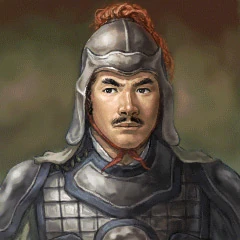
Li Fu (died 263 AD), career military officer and administrator of Cao Wei during the Three Kingdoms period, served faithfully through the late Wei era. Born in Longxi Commandery (present-day Lintao County, Gansu), Li Fu built a reputation for diligence, administrative competence, and unyielding loyalty to the state. Throughout his career, he managed critical logistics, regional garrisons, and supply lines, earning the trust of regional commanders and the imperial court in Luoyang.
In 263 AD, when Sima Zhao launched the massive two-pronged invasion of Shu Han led by Deng Ai and Zhong Hui, Li Fu actively contributed to the strategic preparations and logistical sustainment of the northern armies. Following the successful conquest of Shu Han and the surrender of Liu Shan, Li Fu participated in the administrative reorganization of the newly acquired southwestern territories. However, political instabilities following the transition of power soon affected regional commands, and Li Fu passed away amid the shifting military and political landscape of the era.
Role in Romance of the Three Kingdoms
In Luo Guanzhong’s epic novel Romance of the Three Kingdoms, Li Fu is depicted as a dependable mid-level official and military officer who supports the northern campaigns of Cao Wei. While primarily operating behind the scenes, his logistical duties and administrative backing underscore the meticulous preparation required for the massive military undertakings orchestrated by the Sima clan. His presence reflects the extensive network of officers who ensured the operational readiness of Wei’s armed forces during the final conquest of Shu.
Notable Quotes & Famous Sayings
- “A successful campaign is won before the armies ever cross the border; logistics and provisions are our greatest shield.” — Literary sentiment reflecting Li Fu’s administrative philosophy.
- “We serve the state with unwavering devotion, ensuring that every soldier is equipped for victory.” — Li Fu addressing provincial supply units.
Li Fu (李輔) — Historical & Literary Timeline
Supporting the Invasion of Shu
Li Fu assists in managing military provisions and logistical support as Sima Zhao initiates the grand campaign to conquer Shu Han under Deng Ai and Zhong Hui.
Post-Conquest Administration
Following Liu Shan’s surrender and the collapse of Shu Han, Li Fu aids in stabilizing regional administration in the southwest.
For detailed historical records, archives, and official chronicles, explore Li Fu (Jin) on Wikipedia.
Key Relationships
Family
- No information
Friends
- Deng Ai (邓艾, Đặng Ngải): A senior general under whom Li Fu served during the 263 AD invasion of Shu, managing the critical logistical support necessary for the campaign’s success.
- Zhong Hui (钟会, Chung Hội): A primary commander of the Wei forces during the 263 AD conquest of Shu, whom Li Fu supported through administrative and supply line management.
Enemies
- Jiang Wei (姜维, Khương Duy): The regent of Shu Han who served as the primary strategic opponent against the Wei northern incursions that Li Fu helped sustain.
- Liu Shan (刘禅, Lưu Thiện): The final ruler of Shu Han whose surrender in 263 AD marked the collapse of the state Li Fu helped dismantle.
Other
- Sima Zhao (司马昭, Tư Mã Chiêu): The regent of Cao Wei who orchestrated the grand campaign to conquer Shu; Li Fu served as a loyal administrator under his regime.
In Novel
Chapter 104
- Li Fu (Jin) (李福, Lý Phúc): Imperial Secretary of Shu Han dispatched by Emperor Liu Shan (刘禅, Lưu Thiện) to Wuzhang Plains to inquire about state governance and succession; received Zhuge Liang’s (诸葛亮, Gia Cát Lượng) dying recommendations to appoint Jiang Wan (蒋琬, Tưởng Uyển) and Fei Yi (费祎, Phí Y) as his successors.
In History
Summary
- Li Fu (李福, Lý Phụ) was a Shu Han official who served as an adviser and administrator during the final years of Liu Bei’s reign and the government of Liu Shan (刘禅, Lưu Thiện).
Year: 234 AD
- Li Fu (李福, Lý Phụ) was among the officials involved in the political arrangements surrounding the death of Zhuge Liang (诸葛亮, Gia Cát Lượng).
Historical Record
- Li Fu (李福, Lý Phụ) was a real historical Shu official recorded in the Sanguozhi and related sources.