
Contents
Life and Legacy of Lu Yu
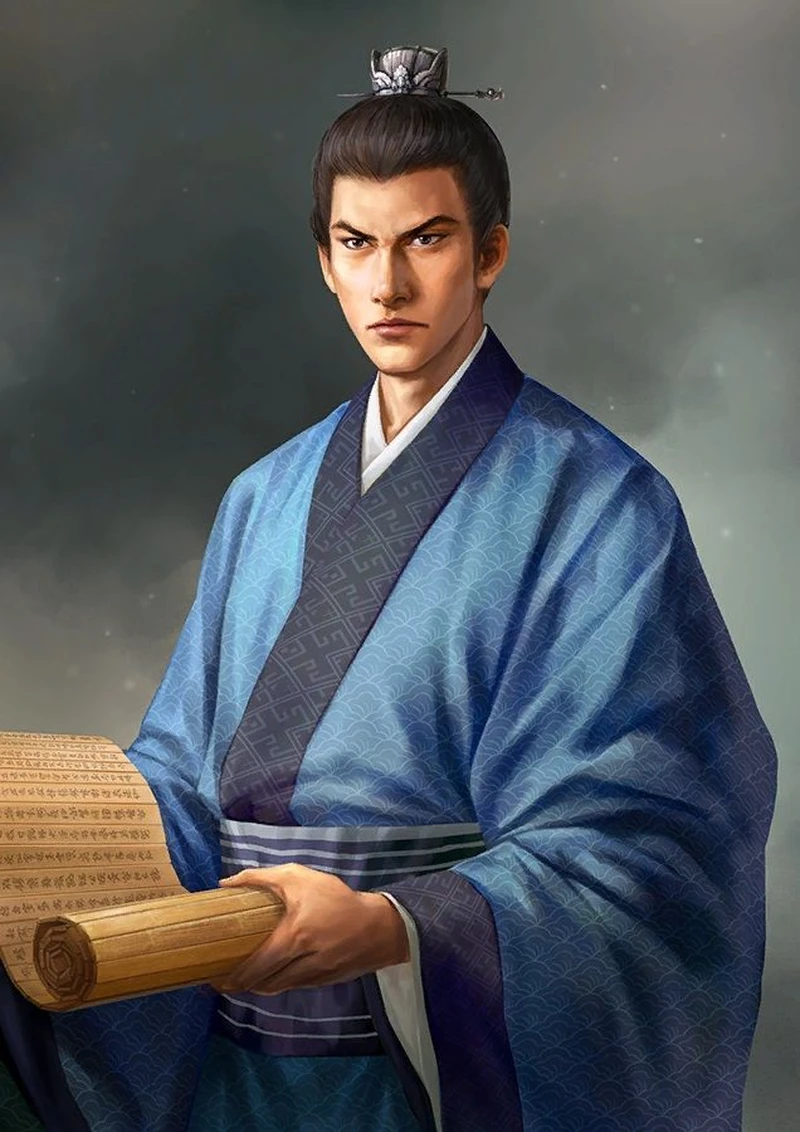
Lu Yu (183–257 AD), courtesy name Zijia, was an influential minister and statesman of the Cao Wei state during the Three Kingdoms era. The youngest son of the renowned Han scholar-general Lu Zhi, he displayed profound filial devotion and resilience from a young age following his father’s early passing amidst imperial turmoil.
After entering civil governance under Cao Pi, he rose through the administrative ranks, achieving prominence during the reign of Cao Rui (Emperor Ming). As Minister of Personnel, he championed strict meritocracy over superficial vanity. He famously cautioned the throne against appointing officials based merely on widespread fame, coining the timeless proverb: “Reputation is like a painted cake; it cannot satisfy hunger.” He later served as Minister of Justice and Excellency of Works, earning widespread reverence for his incorruptibility.
Historical Impact and Administration
During the political crisis of the Gaoping Tombs incident in 249 AD, Grand Commander Sima Yi entrusted him with command of the Palace Guards to secure stability across the imperial capital of Luoyang. According to historical records, his unyielding moral authority helped maintain civil order during moments of regime transition. He passed away in 257 AD and received the posthumous title Marquis Cheng.
Literary Depiction and Cultural Legacy
In Luo Guanzhong’s historical novel Romance of the Three Kingdoms, the minister is portrayed as a venerable, upright figure navigating the delicate shift in authority toward the Sima clan. His renowned analogy of the “painted cake” remains one of the most enduring idioms in classical literature, symbolizing the hazard of hollow vanity in public office.
Key Historical Relationships
- Lu Zhi: Father. Legendary Eastern Han scholar-general and esteemed educator of Liu Bei.
- Cao Rui: Emperor Ming of Wei, who deeply valued his merit-based selection methods.
- Sima Yi: Senior Wei commander who relied on his steadfast integrity during major capital transitions.
- Lu Qin & Lu Ting: Sons who continued the family legacy as high-ranking civil officials in the Western Jin dynasty.
Throughout ancient Chinese historiography, Lu Yu represents the quintessential incorruptible official whose dedication to substance over vanity shaped governance across generations.
In Novel
Lu Yu (陆纡, Lư Dục) does not have a securely verified named appearance under the exact Chinese name 陆纡 in the supplied novel text. No chapter is assigned without exact textual evidence.
In History
Eastern Han
- Lu Yu (陆纡, Lư Dục) was a scholar and official of the late Eastern Han. He came from the prominent Lu family of Wu commandery.
Family
- He was the father of Lu Kang (陆康, Lục Khang) and grandfather of the famous Wu commander Lu Xun. His family became one of the most important aristocratic lineages in Jiangdong.
Public Service
- Lu Yu served the Han government and was respected for his learning and integrity. His career helped establish the reputation of the Lu family before the rise of Sun Quan’s state.
Legacy
- Through his descendants, Lu Yu became part of one of the most influential scholarly and military families in Eastern Wu.