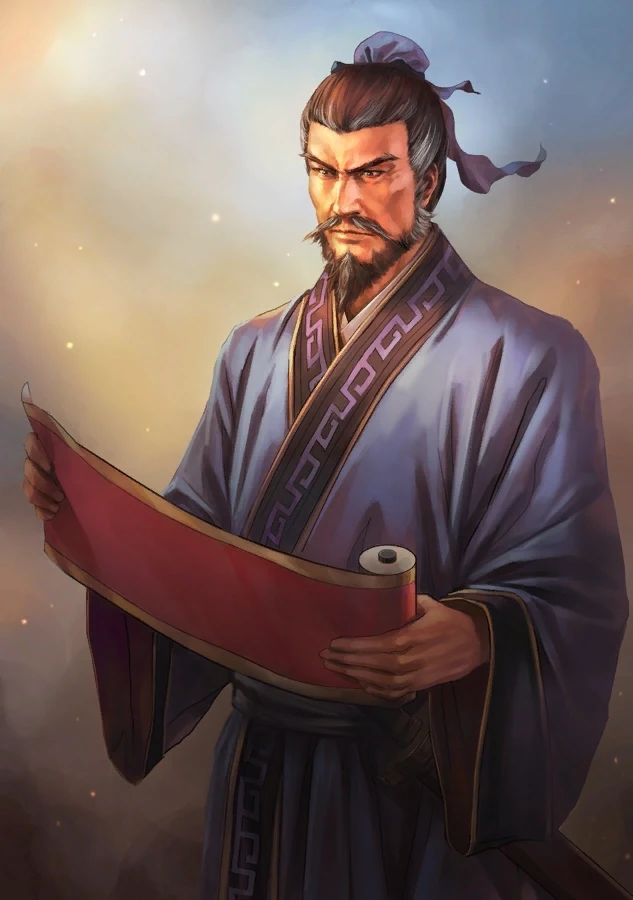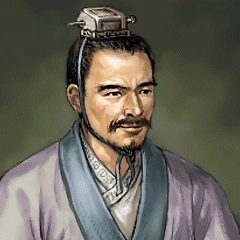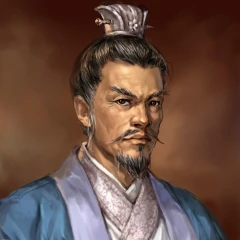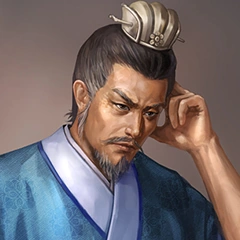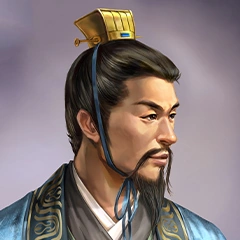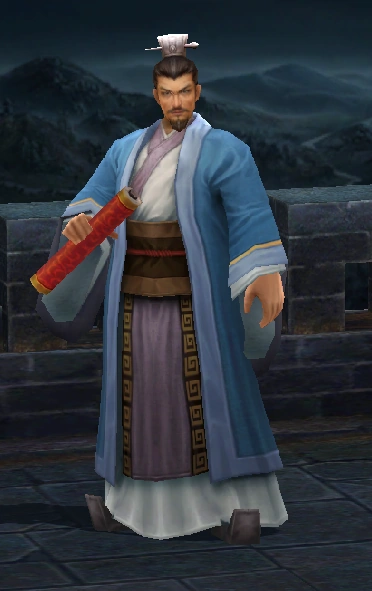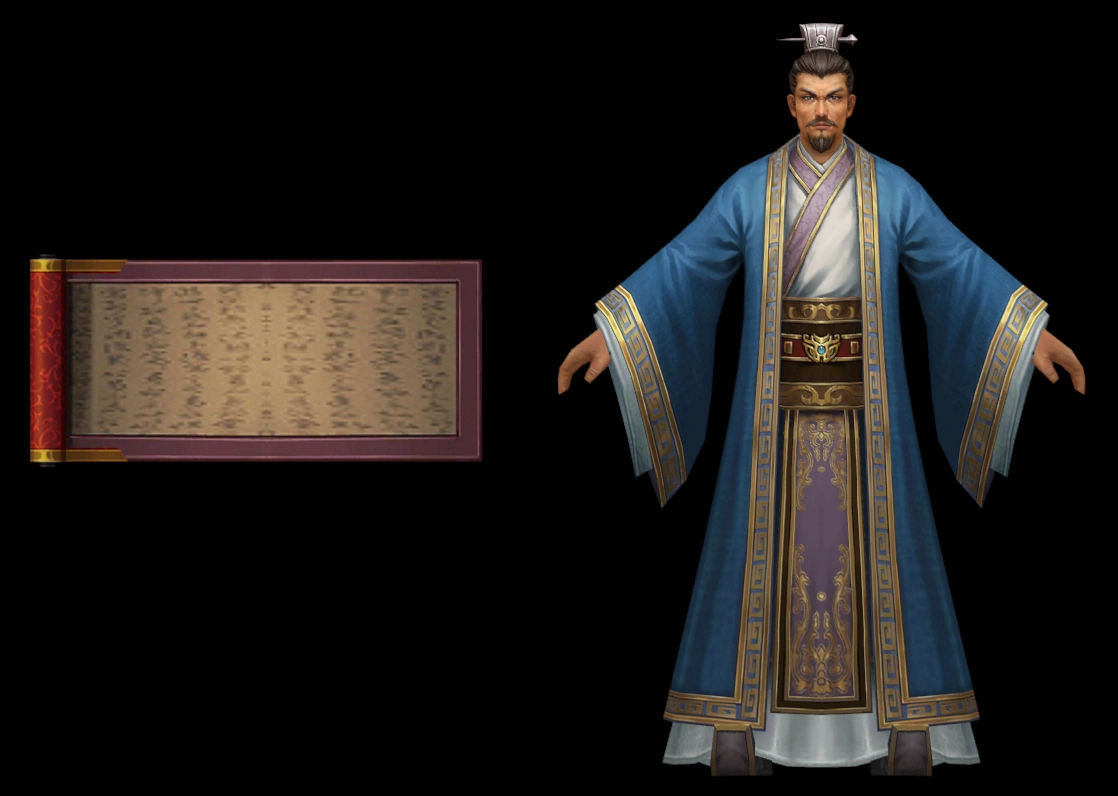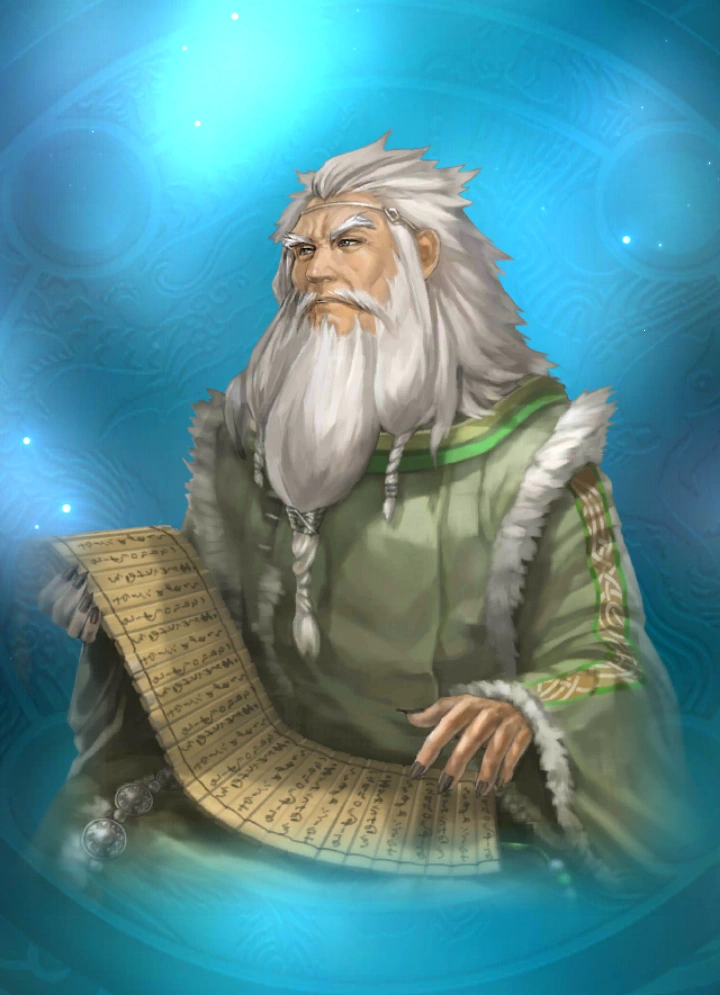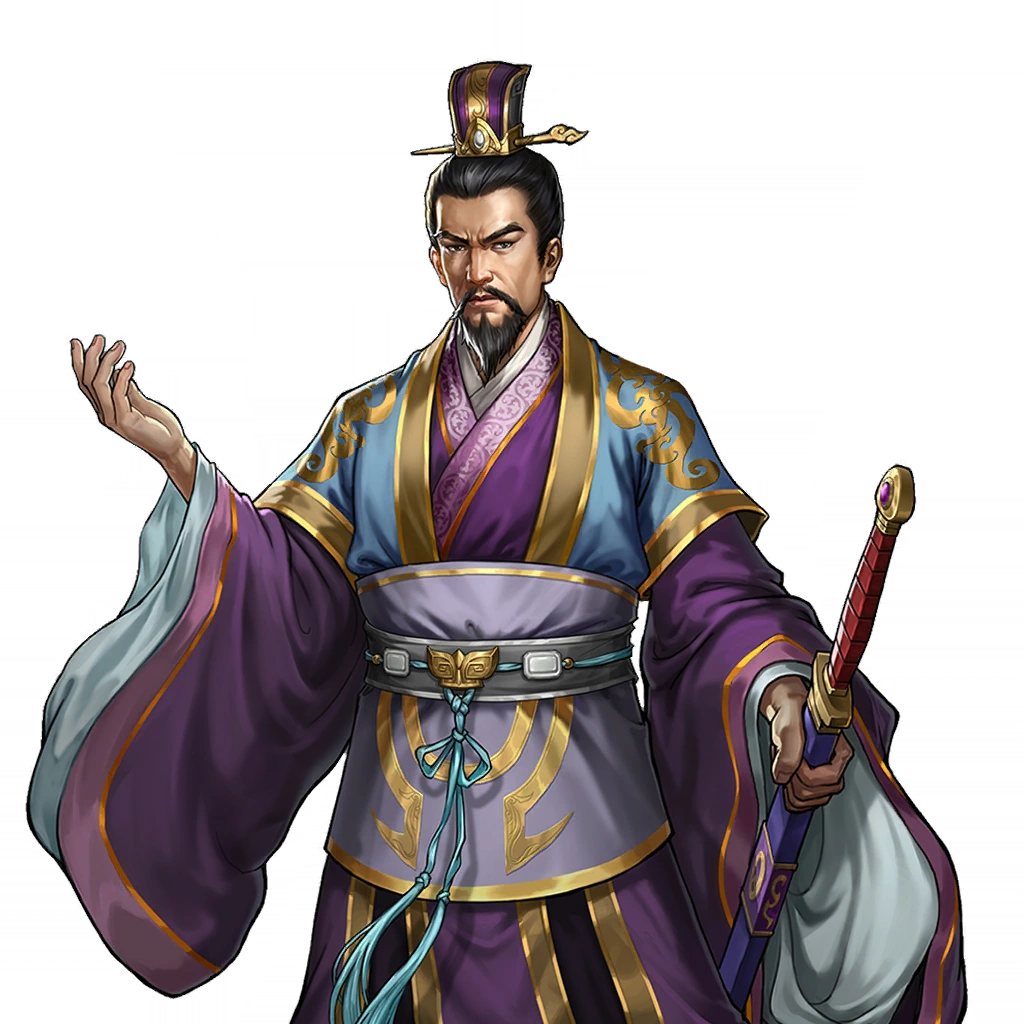
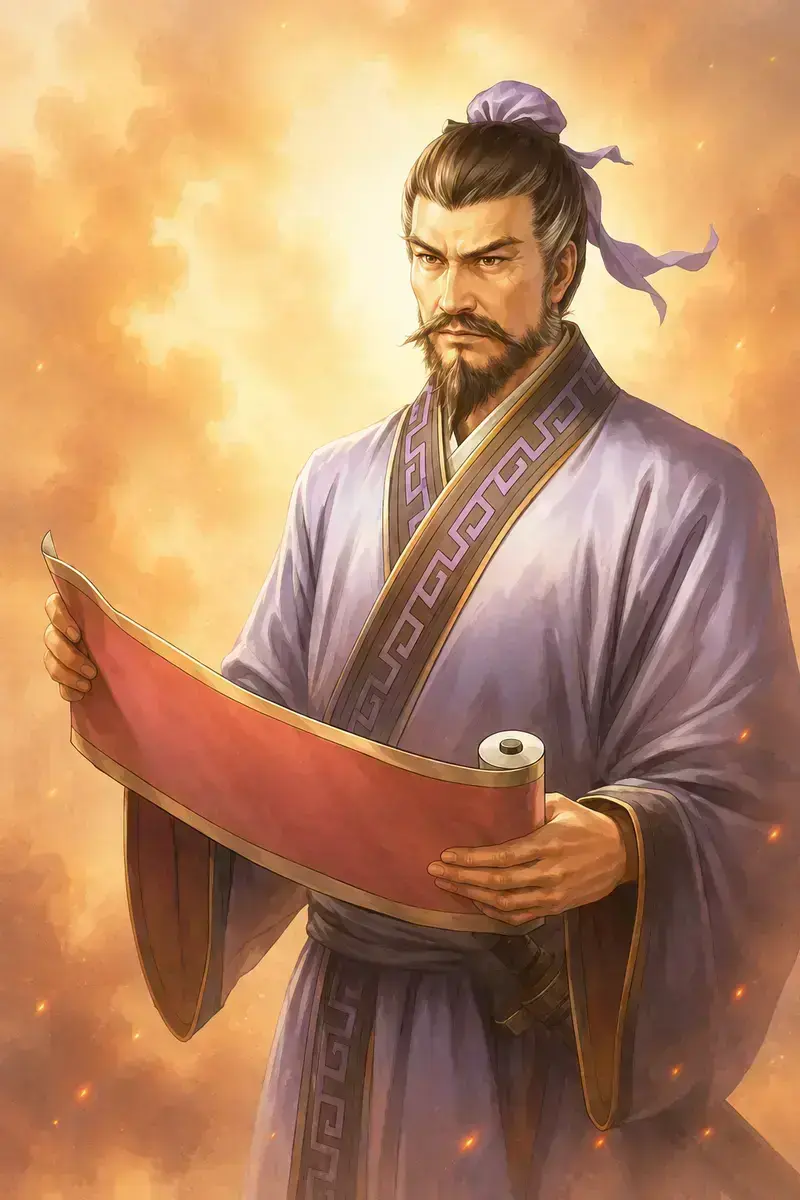
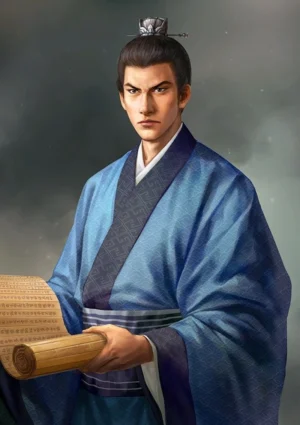
Here is the exhaustive biography of Lu Zhi (卢植, Lư Thực), courtesy name Zigan (子干, Tử Cán) (? – 192), distinguished Eastern Han scholar-official, general against the Yellow Turbans, and teacher of Liu Bei (刘备, Lưu Bị) and Gongsun Zan (公孙瓒, Công Tôn Toản), incorporating historical records and Romance of the Three Kingdoms.
Contents
Biography & Historical Record
A native of Zhuo Commandery (present-day Zhuozhou, Hebei), Lu Zhi was remembered as tall, with a powerful voice. He studied under the great classicist Ma Rong (马融, Mã Dung) and stood in the same scholarly generation as Zheng Xuan (郑玄, Trịnh Huyền). He worked on ritual texts and contributed to the compilation of the Han records of the Eastern Lodge (东观), placing him among the leading Confucian scholars of late Eastern Han. He served as Administrator of Jiujiang (c. 175) and later of Lujiang, suppressing local disorders. Between posts he taught privately; his students included Liu Bei, Gongsun Zan, and the later commentator Gao You (高诱, Cao Dụ).
In 184, as Northern General of the Household, he repeatedly defeated Yellow Turban forces and besieged Zhang Jiao (张角, Trương Giác) at Guangzong with siege works and ladders. The inspecting eunuch Zuo Feng (左丰, Tả Phong) demanded a bribe; Lu Zhi refused, was slandered as inactive, recalled, imprisoned, and stripped of command. Huangfu Song (皇甫嵩, Hoàng Phủ Tung) later memorialised on his behalf and he was restored as Master of Writing (Shangshu). Fellow loyalist commander Zhu Jun (朱儁, Chu Tuấn) fought the Turbans in the same war.
In 189, after He Jin (何进, Hà Tiến)’s assassination, Lu Zhi took part in the massacre of the eunuchs. When Dong Zhuo (董卓, Đổng Trác) proposed deposing Emperor Shao (刘辩, Lưu Biện), Lu Zhi alone among the high ministers strongly opposed the plan. Dong Zhuo wished to kill him; Cai Yong (蔡邕, Sái Ung) and others interceded and his life was spared. After Emperor Xian was installed, Lu Zhi left Chang’an on the pretext of illness. Yuan Shao (袁绍, Viên Thiệu) later invited him as a military adviser in Ji Province; he travelled north but died of illness in 192 before taking up the post. His son Lu Yu (卢毓, Lư Dục) became a high official under Cao Wei.
Role in Romance of the Three Kingdoms
Ch. 1–2 (Yellow Turbans): Liu Bei recalls studying under Lu Zhi and leads Guan Yu and Zhang Fei to Guangzong. Lu Zhi gladly receives them and detaches Liu Bei to reinforce Huangfu Song and Zhu Jun in Yingchuan. When Zuo Feng demands a bribe, Lu Zhi refuses and is carted to the capital; Zhang Fei would rescue him by force, but Liu Bei restrains him. After Zhang Jiao’s death Huangfu Song wins Lu Zhi’s pardon.
Ch. 3–4 (Dong Zhuo): Lu Zhi condemns Dong Zhuo’s plan to depose Emperor Shao and withdraws from court. The novel omits his Eastern Lodge scholarship, Ma Rong school formation, Gao You pupil line, and the 192 Yuan Shao invitation that ends in illness.
Lu Zhi (卢植, Lư Thực) — Historical & Literary Timeline
c. 160s–170s — Ma Rong school
Classicist formation
Studies under Ma Rong (马融, Mã Dung); scholarly peer circle includes Zheng Xuan (郑玄, Trịnh Huyền). Contributes to Eastern Lodge Han records and ritual learning.
c. 175 AD — Administrator & teacher
Jiujiang / Lujiang; private instruction
Administers Jiujiang then Lujiang. Between posts teaches Liu Bei, Gongsun Zan, and Gao You (高诱, Cao Dụ) in Zhuo.
184 AD — Yellow Turban campaign
Guangzong siege; framed by Zuo Feng
Northern General of the Household; besieges Zhang Jiao. Refuses bribe; imprisoned; later restored through Huangfu Song.
189 AD — Opposition to Dong Zhuo
Defence of Emperor Shao
After He Jin’s death, opposes deposition of Emperor Shao; nearly executed; saved by Cai Yong and others; withdraws.
192 AD — Death
Yuan Shao invite; dies of illness
Invited as Ji adviser by Yuan Shao; dies of illness while travelling north—historical end omitted from the novel’s early chapters.
Historical Note
Lu Zhi combined Confucian authority with field command. The novel keeps the teacher–Liu Bei bond, Guangzong, Zuo Feng’s frame, and the Dong Zhuo confrontation, while thinning the Ma Rong school, Eastern Lodge work, Gao You pupil line, and the Yuan Shao invitation that closes his life in 192.
For detailed historical records, archives, and official chronicles, explore Lu Zhi on Wikipedia.
Key Relationships
Family
- Lu Yu (卢毓, Lư Dục): Son. Later Minister of Personnel under Cao Wei (no dedicated site post—plain text).
- Lu Ting (卢珽, Lư Đĩnh): Grandson. Western Jin statesman (tradition in clan notices).
Friends
- Liu Bei (刘备, Lưu Bị): Most famous pupil; studies under Lu Zhi in Zhuo; novel Ch. 1–2 aid at Guangzong.
- Gongsun Zan (公孙瓒, Công Tôn Toản): Fellow pupil under Lu Zhi; later Youzhou warlord.
- Huangfu Song (皇甫嵩, Hoàng Phủ Tung): Secures Lu Zhi’s pardon after the Zuo Feng frame.
- Zhu Jun (朱儁, Chu Tuấn): Fellow Han commander against the Yellow Turbans (184).
- Cai Yong (蔡邕, Sái Ung): Scholarly ally; intercedes when Dong Zhuo would kill Lu Zhi; Eastern Lodge / Stone Classics circle.
Enemies
- Zhang Jiao (张角, Trương Giác): Yellow Turban leader besieged by Lu Zhi at Guangzong.
- Zuo Feng (左丰, Tả Phong): Eunuch inspector who frames Lu Zhi after a refused bribe.
- Dong Zhuo (董卓, Đổng Trác): Regent whom Lu Zhi alone denounces over deposing Emperor Shao.
Other
- Ma Rong (马融, Mã Dung): Confucian master of Lu Zhi’s school (no dedicated /ma-rong/ post—plain text).
- Zheng Xuan (郑玄, Trịnh Huyền): Fellow classicist of the Ma Rong generation (no dedicated /zheng-xuan/ post—plain text).
- Eastern Lodge (东观): Lu Zhi’s scholarly work on Han records and ritual texts that made him a leading late-Han erudite beyond the novel’s war scenes.
- Gao You (高诱, Cao Dụ): Student of Lu Zhi; later famous commentator (Huainanzi and other classics)—historical pupil line the novel omits.
- Yuan Shao (袁绍, Viên Thiệu): Invites Lu Zhi as Ji adviser; Lu Zhi dies of illness in 192 before serving.
- He Jin (何进, Hà Tiến): General-in-Chief whose assassination precedes Lu Zhi’s role in the eunuch purge.
- Emperor Shao (刘辩, Lưu Biện): Young emperor Lu Zhi defends against Dong Zhuo’s deposition plan.
In Novel
Chapter 1–2
- Lu Zhi (卢植, Lư Thực): Former teacher of Liu Bei (刘备, Lưu Bị) and Gongsun Zan (公孙瓒, Công Tôn Toản). As Northern General of the Household he besieges Zhang Jiao (张角, Trương Giác) at Guangzong. Liu Bei leads Guan Yu and Zhang Fei to offer help; Lu Zhi receives them and later detaches Liu Bei to reinforce Huangfu Song (皇甫嵩, Hoàng Phủ Tung) and Zhu Jun (朱儁, Chu Tuấn) in Yingchuan.
- Lu Zhi (卢植, Lư Thực): Eunuch Zuo Feng (左丰, Tả Phong) demands a bribe at the front; Lu Zhi refuses. Zuo Feng slanders him; Lu Zhi is arrested and carted toward the capital. Zhang Fei wants to free him by force; Liu Bei restrains him. After Zhang Jiao’s death Huangfu Song petitions successfully for Lu Zhi’s rehabilitation.
Chapter 3–4
- Lu Zhi (卢植, Lư Thực): When Dong Zhuo (董卓, Đổng Trác) seizes power and moves to depose Emperor Shao (刘辩, Lưu Biện), Lu Zhi alone among high ministers denounces the plan. He later resigns / withdraws; the novel does not follow his 192 illness death under Yuan Shao (袁绍, Viên Thiệu)’s invitation.
In History
Summary
- Lu Zhi (卢植, Lư Thực), courtesy name Zigan (子干, Tử Cán), was a major Eastern Han classicist from Zhuo Commandery: student of Ma Rong (马融, Mã Dung), colleague-circle with Zheng Xuan (郑玄, Trịnh Huyền), contributor to the Eastern Lodge Han records, administrator, Yellow Turban commander, and the minister who openly opposed Dong Zhuo’s deposition of Emperor Shao.
Year: c. 175 AD
- Administrator of Jiujiang, later Lujiang; between posts taught students including Liu Bei, Gongsun Zan, and Gao You (高诱, Cao Dụ). Scholarly work connected to ritual texts and Eastern Lodge historiography; associated with the Xiping Stone Classics circle alongside Cai Yong (蔡邕, Sái Ung).
Year: 184 AD
- Northern General of the Household against Zhang Jiao; besieges Guangzong. Refuses bribe to Zuo Feng; framed, recalled, imprisoned. Huangfu Song later memorialises; restored as Master of Writing (Shangshu).
Year: 189 AD
- After He Jin (何进, Hà Tiến)’s assassination, joins the eunuch purge. Alone opposes Dong Zhuo’s plan to depose Emperor Shao; nearly killed; Cai Yong and others intercede. Withdraws on illness pretext after Emperor Xian is installed.
Year: 192 AD
- Yuan Shao invites him as military adviser in Ji; dies of illness en route / before taking the post. Son Lu Yu (卢毓, Lư Dục) later rises under Cao Wei.
Historical Record
- Hou Hanshu biography of Lu Zhi; Yellow Turban and Dong Zhuo narratives in Hou Hanshu / Zizhi Tongjian; Pei notes and novel Ch. 1–4 dramatize Guangzong and the court confrontation.
Gallery