
Contents
Biography & Historical Record
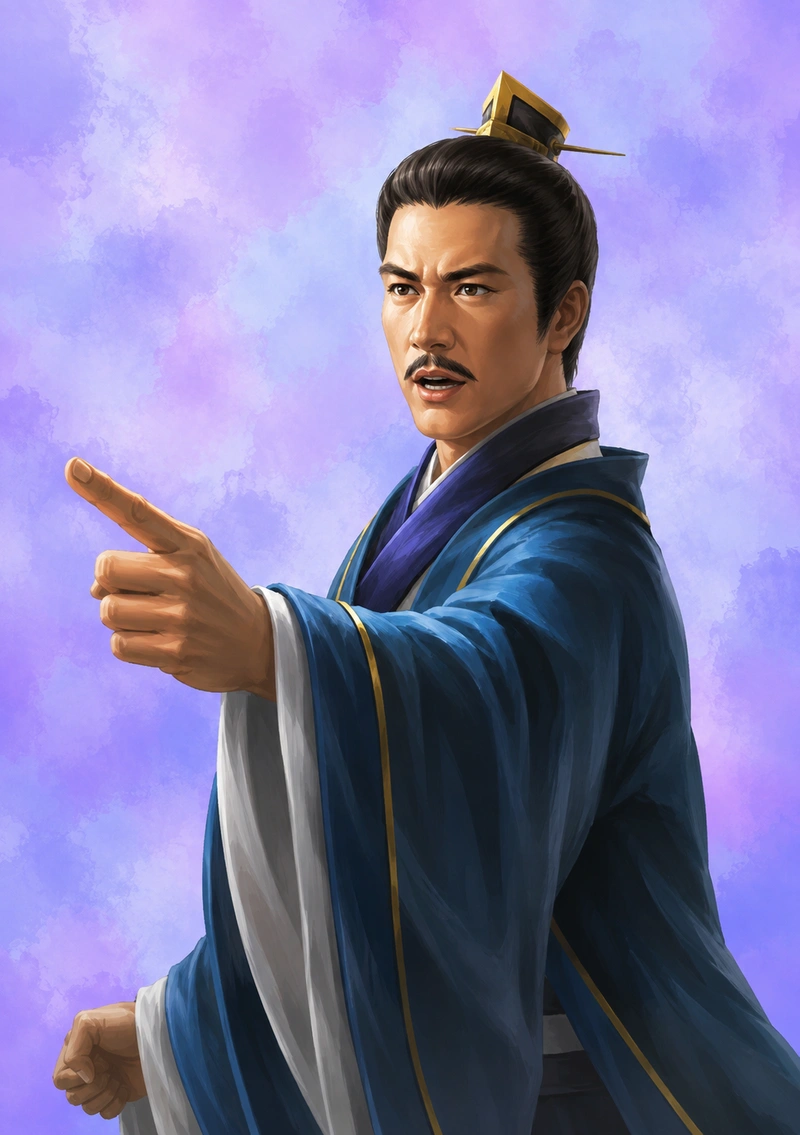
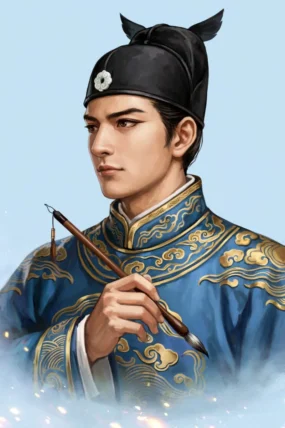
Wang Shen, courtesy name Chudao, was an eminent Cao Wei and Western Jin Dynasty scholar, senior statesman, historian, and court official who served as Palace Attendant (Shizhong), Director of the Imperial Secretariat (Shangshu Zuo Pushe), and was ennobled as the Duke of Boling Commandery. Hailing from Jinyang County in Taiyuan Commandery (modern-day Shanxi Province), Wang Shen was orphaned at a young age and raised by his uncle, the famous Cao Wei statesman Wang Chang. Documented in Chen Shou’s Records of the Three Kingdoms (Sanguozhi) and Fang Xuanling’s Book of Jin (Jin Shu), Wang Shen was historically celebrated for his literary brilliance and his role as chief compiler of the dynastic history “Wei Shu” (History of Wei). However, his political legacy remains deeply controversial due to his betrayal of the young Emperor Cao Mao, choosing to leak the imperial coup to Sima Zhao to secure personal and familial advancement.
During the reign of the young and intellectually gifted Wei ruler Cao Mao, Wang Shen, alongside Pei Xiu, Zhong Hui, and Sima Wang, gained immense imperial favor. Cao Mao frequently summoned Wang Shen into the inner palace to share banquets, discuss poetry and classical literature, and affectionately addressed him as “Master Wenji,” treating him as an indispensable confidant. Despite this profound imperial patronage, Wang Shen’s political loyalties ultimately rested with the rising power of the Sima clan, who held absolute military and administrative control over the state.
In May 260 AD, driven to desperation by the tyrannical usurpation of Sima Zhao, Emperor Cao Mao summoned three senior officials—Palace Attendant Wang Shen, Imperial Secretary Wang Jing, and Cavalier Attendant Wang Ye—into a nocturnal audience. Drawing his sword in righteous indignation, Cao Mao declared: ‘The whole world knows of Sima Zhao’s rebellious ambition! I cannot sit idly by and suffer this disgrace; I am resolved to lead the palace guards personally to suppress the traitor.’ While Wang Jing passionately defended his sovereign duty and urged the Emperor to remain steadfast, Wang Shen and Wang Ye were gripped by sheer terror. Believing that a direct clash with Sima Zhao’s formidable military apparatus was suicidal, Wang Shen persuaded Wang Ye that they must immediately report the plot to Sima Zhao to save their families from execution. Leaving Wang Jing behind, Wang Shen and Wang Ye rushed to Sima Zhao’s mansion to leak every detail of the impending palace uprising.
Armed with Wang Shen’s advance intelligence, Sima Zhao mobilized elite armored troops and stationed them around the palace. The following day, when Cao Mao led his meager imperial escort out of the palace gates, he was intercepted and brutally assassinated by troops under the command of the officer Jia Chong. This bloody regicide permanently shattered the legitimacy of the Cao Wei throne. As a reward for his timely betrayal and espionage, Sima Zhao richly rewarded Wang Shen, elevating his noble rank and securing his political survival. Following the establishment of the Western Jin Dynasty by Sima Yan in 265 AD, Wang Shen was appointed Left Director of the Imperial Secretariat and advanced to the grand title of Duke of Boling. He passed away peacefully in luxury in 266 AD, leaving behind an influential historical legacy shadowed by his notorious act of treason.
Famous Quotes & Historical Sayings
In historical critiques, such as Liu Zhiji’s “Shitong” (Historiography), historians severely condemned Wang Shen’s betrayal despite his exceptional literary talents: ‘Wang Shen Chudao possessed vast erudition and enjoyed the profound grace and personal intimacy of Emperor Cao Mao, who treated him as a palace master. Yet faced with crisis, he chose to sell out his sovereign to buy glory, using the life of his emperor as a stepping stone for his family’s wealth. Even the ducal rank bestowed by Jin could never wash away the eternal stain of his treacherous betrayal.’
Wang Shen (王沈) — Historical & Literary Timeline
Confidant of Emperor Cao Mao
Gains the deep personal favor of the young Wei ruler Cao Mao through literary brilliance; frequently summoned to inner palace banquets and honored as “Master Wenji.”
Leaking Cao Mao’s Uprising to Sima Zhao
Summoned alongside Wang Jing and Wang Ye to hear Cao Mao’s desperate plan to overthrow Sima Zhao. Panics and rushes to Sima Zhao’s mansion with Wang Ye to leak the imperial plot in exchange for personal protection.
Establishment of Western Jin & Enfeoffment
Serves as a founding official under Sima Yan following the formal establishment of the Western Jin Dynasty; appointed Left Director of the Imperial Secretariat and ennobled as Duke of Boling.
Passing Away in Luxury
Passes away peacefully in office in 266 AD, leaving behind the officially compiled “Wei Shu” history text, with his son Wang Xuan inheriting his noble lineage.
For detailed historical records, archives, and official chronicles, explore Wang Shen on Wikipedia.
Key Relationships
Family
- Wang Chang (王昶, Vương Xưởng): Uncle and prominent Cao Wei statesman who raised and educated Wang Shen following the early death of his parents.
- Wang Xuan (王玄, Vương Huyền): Son who inherited Wang Shen’s aristocratic status and official lineage in the Western Jin Dynasty.
Friends
- Wang Ye (王业, Vương Nghiệp): Fellow court attendant who conspired with Wang Shen during the secret audience in May 260 AD, fleeing the palace alongside him to report Emperor Cao Mao’s coup to Sima Zhao.
- Pei Xiu (裴秀, Bùi Tú): Intellectual peer and court official who enjoyed close imperial favor alongside Wang Shen as a frequent literary companion of Cao Mao.
- Zhong Hui (钟会, Chung Hội): Distinguished scholar and court contemporary who was regularly summoned alongside Wang Shen to inner palace banquets and scholarly debates.
Enemies
- Wang Jing (王经, Vương Kinh): Loyal Imperial Secretary who opposed Wang Shen’s plan to leak the imperial coup during the secret audience in May 260 AD, choosing imperial loyalty over survival, which resulted in his execution after Wang Shen exposed the plot.
Other
- Cao Mao (曹髦, Tào Mao): Fourth Emperor of Cao Wei who deeply trusted Wang Shen as a personal confidant and honored him as “Master Wenji,” only to be betrayed when Wang Shen leaked his May 260 AD palace uprising, leading to the Emperor’s interception and assassination.
- Sima Zhao (司马昭, Tư Mã Chiêu): Cao Wei regent and de facto ruler whom Wang Shen chose to serve by exposing Cao Mao’s uprising in May 260 AD, earning high noble titles and political protection in return.
- Sima Yan (司马炎, Tư Mã Viêm): Founding Emperor Wu of Western Jin, who appointed Wang Shen as Left Director of the Imperial Secretariat and ennobled him as the Duke of Boling in 265 AD.
In Novel
Chapter 120
- Wang Shen (王沈, Wáng Shěn): Wang Shen is a Wei statesman associated with the political transition from Wei to Jin. He joins the officials supporting Sima Yan’s accession and participates in the court politics surrounding the replacement of the Cao Wei regime by the Sima-led Jin dynasty.
In History
Summary
- Wang Shen (王沈, Vương Thẩm) was a Cao Wei official and historian associated with the political world of the late Wei period.
Political Career
- Wang Shen served at the Wei court and became connected with the Sima family’s rise to political dominance.
- He held important offices and participated in the court politics that preceded the establishment of the Western Jin dynasty.
Historical Writing
- Wang Shen was associated with historical writing and was one of the figures whose works contributed to the preservation of records concerning the Wei state.
Historical Record
- Classification: Historical.