


Contents
Biography of Wei Zhao & Historical Record
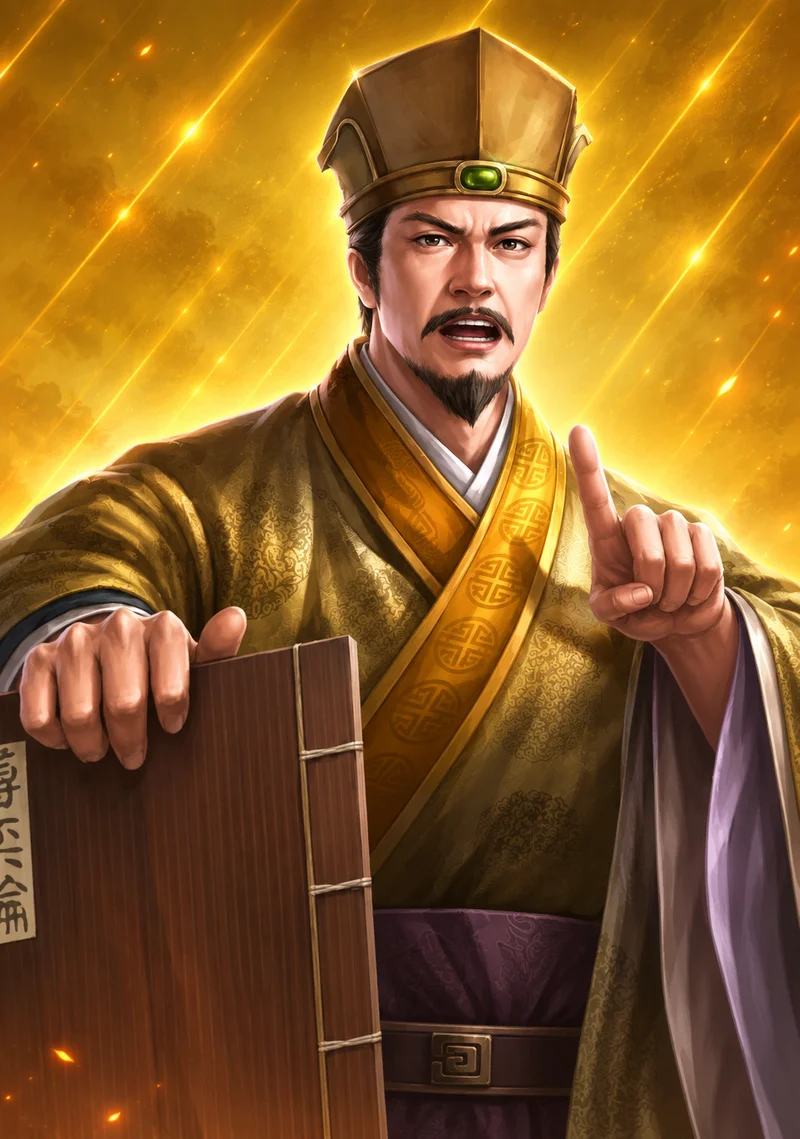
Wei Zhao (204–273), originally named Wei Yao, was an esteemed scholar, court historian, and minister of Eastern Wu during China’s turbulent Three Kingdoms era. Celebrated for his classical erudition and moral fortitude, he held major leadership positions across multiple imperial reigns.
Under Emperor Sun Liang, he served as Grand Historian and spearheaded the official compilation of the Book of Wu, a foundational text later cited extensively in the Records of the Three Kingdoms. Later, Emperor Sun Xiu appointed him Imperial Tutor to educate princes and refine administrative protocols.
His illustrious career darkened under Eastern Wu’s despotic final ruler, Sun Hao. The tyrant demanded that the historian write falsified ancestral records elevating Sun Hao’s deceased father, Sun He, to imperial rank. Upholding unbending integrity, the scholar refused to fabricate history. Sun Hao also grew furious when his advisor resisted drunken palace banquets, famously using tea as a quiet substitute for wine. In 273, Sun Hao ordered his imprisonment and execution at age seventy.
Legacy and Literary Depiction
In Luo Guanzhong’s epic novel Romance of the Three Kingdoms, Wei Zhao is depicted as a martyr of conscience whose tragic execution signaled the inevitable ruin of Eastern Wu.
Wei Zhao — Key Historical Timeline
Birth in Danyang
Born in Yunyang, Danyang Commandery, dedicating his early years to profound classical scholarship.
Compiling the Book of Wu
Commissioned by Emperor Sun Liang as Grand Historian to write the dynastic records of Eastern Wu.
Imperial Tutor
Promoted under Sun Xiu to mentor the crown prince and organize state educational policy.
Tragic Execution
Sentenced to death by Sun Hao for defending historical authenticity and resisting corrupt court excess.
Key Relationships
Family
- Wei Xiu: Eldest son; preserved his father’s academic manuscripts and later served Western Jin.
- Wei Jie & Wei Kuan: Younger sons who maintained their lineage’s classical scholarship.
Allies & Associates
- Hua He: Fellow scholar-official who vigorously submitted memorials to Sun Hao attempting to save the historian’s life.
- Sun Liang & Sun Xiu: Early Wu emperors who valued his scholarly governance and integrity.
Adversaries
- Sun Hao: Tyrannical final emperor of Eastern Wu who executed the venerable Grand Historian.
- Cen Hun: Corrupt imperial sycophant who deepened court hostility toward upright Confucian scholars.
In Novel
Chapter 120
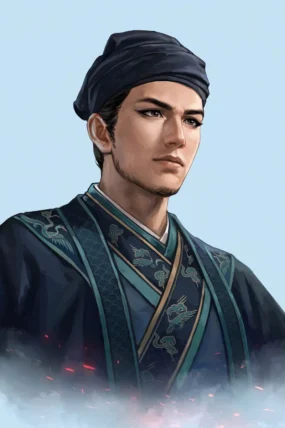
- Wei Zhao (韦昭, Vi Chiêu): Wei Zhao is a scholar and official of Wu during the later years of the kingdom. He is associated with the intellectual and administrative life of the Wu court. His appearance belongs to the period of Sun Hao’s increasingly oppressive rule, when learned officials are placed under pressure.
History
Summary
- Wei Zhao (韦昭, Vi Chiêu) was a prominent historian, scholar and official of Eastern Wu.
Scholarly Career
- Wei Zhao served the Wu court and became one of its leading historians and classical scholars.
- He worked on historical and scholarly texts and contributed to the intellectual culture of Wu.
Conflict with Sun Hao
- Wei Zhao’s scholarly independence and conduct brought him into conflict with Emperor Sun Hao.
- He was eventually executed during Sun Hao’s reign.
Legacy
- Wei Zhao is remembered as an important historian of the Three Kingdoms era.
Classification
- Historical.