
Contents
Biography & Historical Record
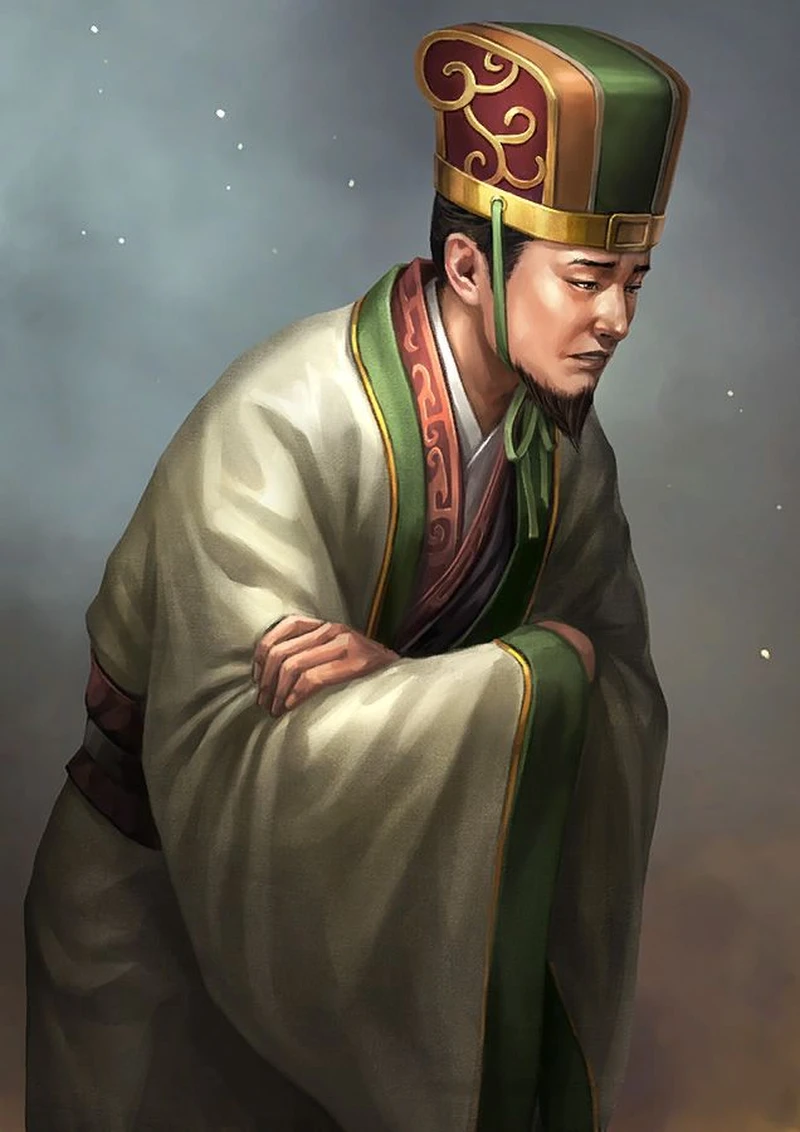
Xun Yun was the eldest son of the renowned strategist Xun Yu. He inherited his father’s peerage, the Marquis of Wanling. Historical records describe him as a man of great talent and reputation, much like his father. He maintained a close relationship with Cao Zhi during his youth and served as a high-ranking official within the Cao Wei administration, holding the position of Huben Zhonglang Jiang (Commander of the Palace Guards). He was known for his elegant demeanor and his marriage to a daughter of Cao Cao, which solidified the bond between the Xun family and the ruling Cao clan.
Role in Romance of the Three Kingdoms
In the narrative of the Romance of the Three Kingdoms, Xun Yun appears briefly as a scion of the influential Yingchuan Xun family, representing the political continuity of his father’s legacy under the Cao Wei state.
Xun Yun — Historical & Literary Timeline
212 AD
Succession of Family Status
Following the death of his father Xun Yu, Xun Yun becomes the primary successor to the family’s social and political standing in the court of Cao Cao.
Key Relationships
- Family
- Xun Yu: Father and legendary strategist for Cao Cao.
- Princess Anding: Spouse and daughter of Cao Cao.
- Xun Can: Younger brother, known for his philosophical contributions.
- Associates
- Cao Zhi: A close friend and companion during their youth in the imperial court.
In Novel
Xun Yun (荀恽, Tuân Vận) does not have a securely verified named appearance under the exact Chinese name 荀恽 in the supplied novel text. No chapter is assigned without exact textual evidence.
In History
Member of the Xun Family
- Xun Yun (荀恽, Tuân Vận) was a member of the distinguished Xun family of Yingchuan and the son of Xun Yu (荀彧, Tuân Úc).
Connection with the Cao Family
- Xun Yun married into the Cao family, strengthening the close political and marital relationship between the Xun clan and the ruling house of Wei.
Career
- He held offices under Cao Wei, although his historical reputation remained closely connected to his family background and his father’s legacy.
Historical Significance
- His life demonstrates how elite families maintained political influence through both official service and marriage alliances during the formation of Cao Wei.