
Contents
Biography & Historical Record
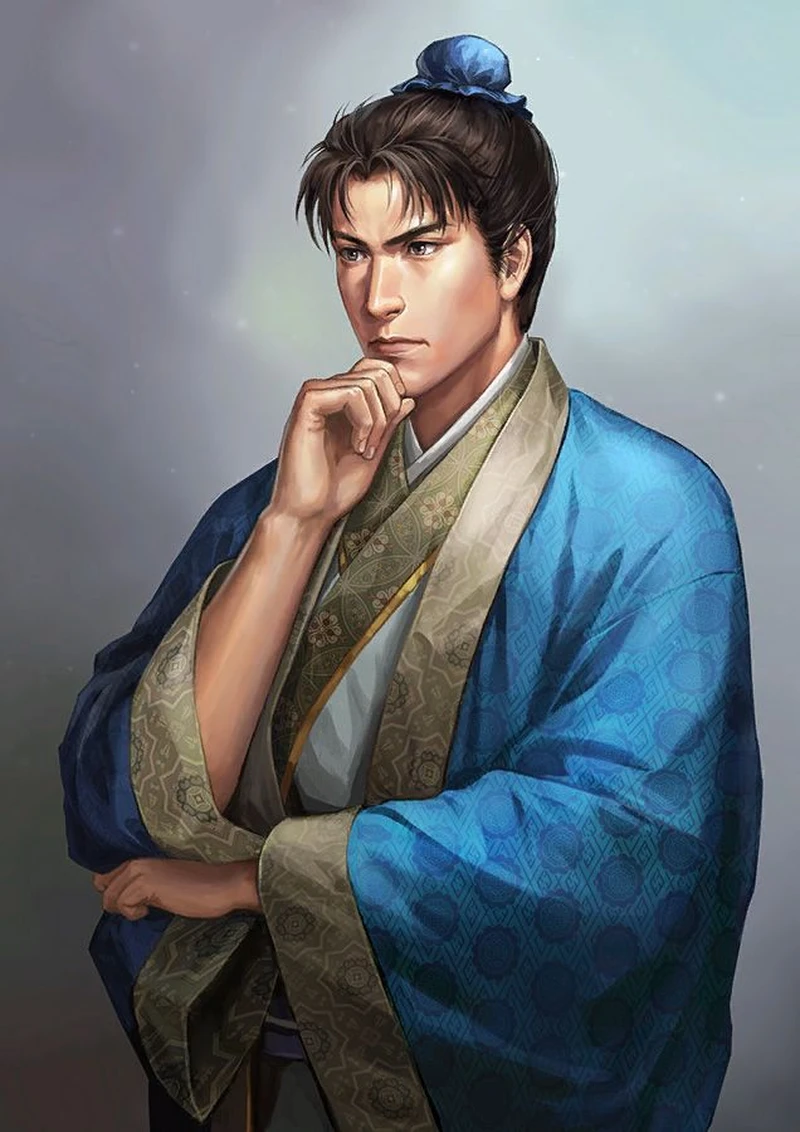
Xun Can (209–237), courtesy name Fengqian, was a philosopher and scholar of the Cao Wei state. He was the youngest son of the famed strategist Xun Yu. Known for his profound intellect and adherence to the philosophy of ‘Essentialism’ (ben-wu), he was a prominent figure in the ‘Xuanxue’ (Dark Learning) movement. Unlike his brothers, he showed little interest in political office, preferring deep philosophical inquiry. He famously married the daughter of Cao Hong; her death caused him such intense grief that he died shortly thereafter at the age of 29.
Role in Romance of the Three Kingdoms
While Xun Can is a historical figure noted in the Records of the Three Kingdoms (Sanguozhi), he does not play an active role in the narrative of Luo Guanzhong’s Romance of the Three Kingdoms, as the novel focuses primarily on military and political machinations rather than philosophical developments of the post-Three Kingdoms transition.
Xun Can — Historical & Literary Timeline
209 AD
Birth
Born in the Yingchuan commandery as the youngest son of Xun Yu.
237 AD
Passing
Following the passing of his beloved wife, Xun Can succumbed to illness brought on by overwhelming grief.
Key Relationships
- Family
- Xun Yu: His father, the legendary counselor to Cao Cao.
- Cao Hong: His father-in-law, a prominent general of the Cao Wei state.
- Associates
- Fu Gu: A fellow philosopher and contemporary who frequently engaged in debates with Xun Can regarding the nature of the Dao.
In Novel
Xun Can (荀粲, Tuân Xán) does not have a securely verified named appearance under the exact Chinese name 荀粲 in the supplied novel text. No chapter is assigned without exact textual evidence.
In History
Scholar of the Xun Family
- Xun Can (荀粲, Tuân Xán) was a scholar and member of the distinguished Xun family of Yingchuan.
Intellectual Reputation
- Unlike many members of his family who pursued high office, Xun Can became known for his intellectual interests, philosophical discussions, and unconventional personality.
Marriage
- He married a daughter of Cao Hong (曹洪, Tào Hồng), connecting the Xun family with the Cao clan of Wei.
Early Death
- Xun Can died at a relatively young age, limiting his political career but contributing to his later reputation as an independent-minded scholar.
Legacy
- His life is particularly valuable for understanding the intellectual culture and elite family networks of the Wei period.