





Contents
Biography & Historical Record
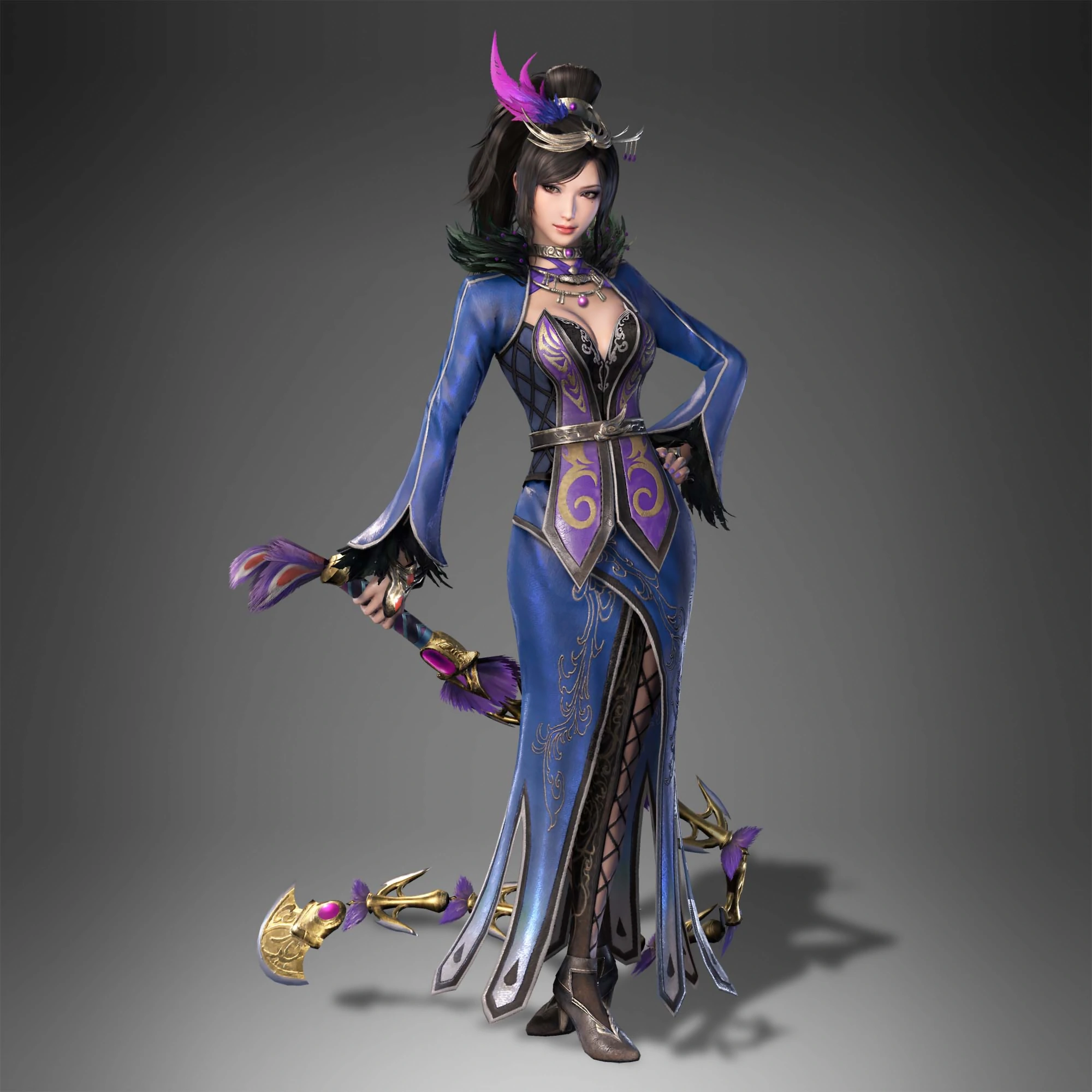
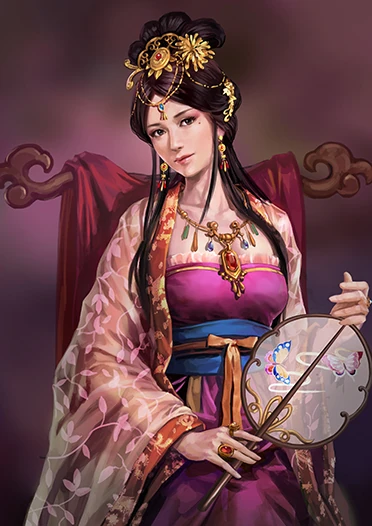
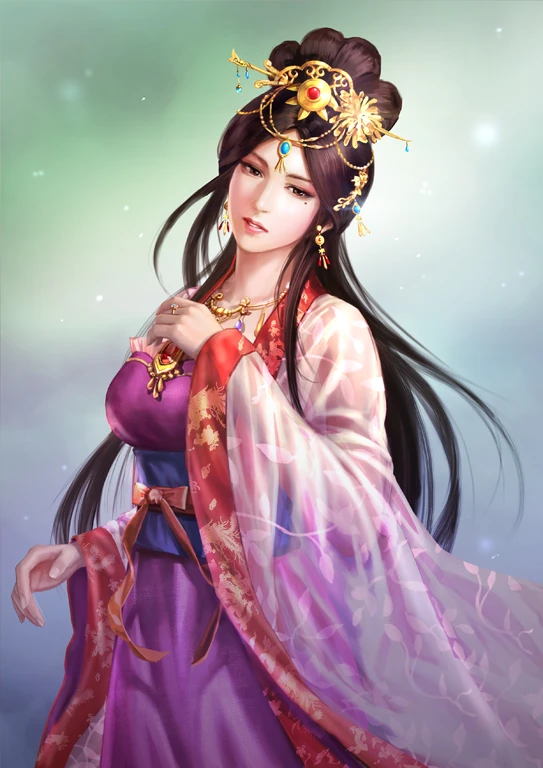
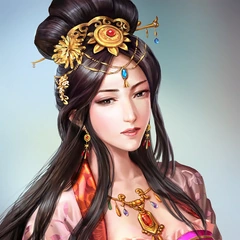
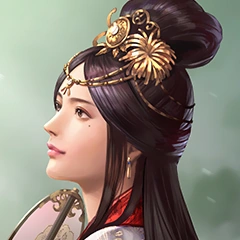
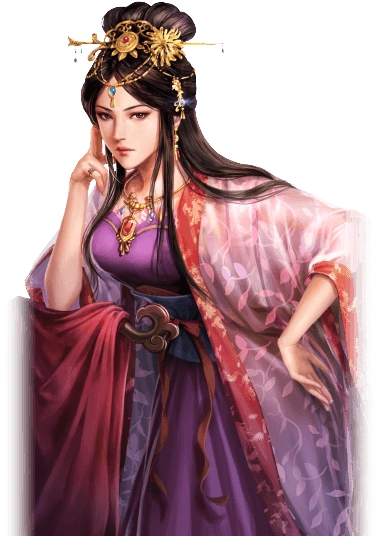
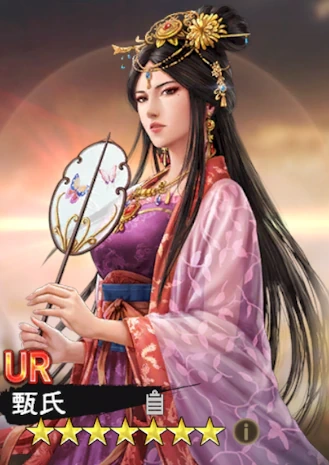
Zhenji (183–221 AD), often referred to as Lady Zhen, was a noblewoman of the late Eastern Han dynasty and a consort of the Cao Wei state. Born into a prominent family in Zhongshan, she was celebrated for her legendary beauty and refined character. Initially, she was married to Yuan Xi, the second son of the powerful warlord Yuan Shao. Following the fall of the Yuan clan to Cao Cao’s forces in 204 AD, Cao Pi, the son of Cao Cao, took her as his wife.
Zhenji rose to become a favored consort of Cao Pi, bearing him a son, Cao Rui (the future Emperor Ming of Wei), and a daughter, Princess Dongxiang. Despite her influence, she eventually fell out of favor as Cao Pi’s affections shifted toward other concubines, notably Lady Guo. In 221 AD, after Cao Pi ascended to the throne, he ordered Zhenji to commit suicide, reportedly due to jealousy and internal court intrigues. She was posthumously honored as Empress Wenzhao by her son, Cao Rui, after he succeeded to the throne.
Role in Romance of the Three Kingdoms
In Luo Guanzhong’s epic novel Romance of the Three Kingdoms, Zhenji is featured as a figure of extraordinary beauty whose grace and tragedy captivate the figures of the era. Her presence is most prominent in Chapters 33 through 79. The novel emphasizes her capture by Cao Cao’s forces and Cao Pi’s infatuation with her, which serves as a catalyst for political rivalries within the Cao family. Her tragic end and the subsequent rise of her son are depicted as significant moral and dynastic turning points in the consolidation of the Wei state.
Notable Quotes & Famous Sayings
- “The beauty of a woman is often her burden, for it attracts both power and jealousy.” — Reflected sentiments regarding her fate.
- “In the dance of empires, even the most graceful are but shadows in the shifting winds of power.” — A poetic reflection on her life.
Zhenji (甄姬) — Historical & Literary Timeline
Capture by Cao Cao
During the fall of Ye, Cao Pi finds Lady Zhen and takes her as his wife, despite the protests of others.
Tragic End
Following accusations of jealousy and court intrigue, Cao Pi orders Lady Zhen to end her own life; she dies shortly thereafter.
For detailed historical records, archives, and official chronicles, explore Zhenji on Wikipedia.
Key Relationships
Family
- Zhen Yi (甄逸, Chân Dật): Her father, a prominent official who belonged to a prestigious family in Zhongshan.
- Yuan Xi (袁熙, Viên Hy): Her first husband, the second son of the warlord Yuan Shao, to whom she was married before the fall of the Yuan clan.
- Cao Pi (曹丕, Tào Phi): Her second husband, the son of Cao Cao and the first emperor of the Cao Wei state, who eventually ordered her death.
- Cao Rui (曹叡, Tào Duệ): Her son who succeeded Cao Pi as the Emperor Ming of Wei and posthumously honored her as Empress Wenzhao.
- Princess Dongxiang (东乡公主, Đông Hương Công chúa): Her daughter with Cao Pi.
Friends
- No information
Enemies
- Lady Guo (郭女王, Quách Nữ Vương): A favored concubine of Cao Pi whose rise in influence and court intrigue contributed to the decline of Zhenji’s status and her eventual downfall.
Other
- Cao Cao (曹操, Tào Tháo): Her father-in-law who, upon the fall of Ye in 204 AD, facilitated her integration into the Cao family by allowing Cao Pi to take her as his wife.
In Novel
Chapter 33
- Zhenji (甄宓, Chân Mật): Famed beauty and wife of Yuan Xi (Viên Hi, Viên Hi), daughter of Zhen Yi; when Cao Pi (Tào Phi, Tào Phi) entered Yuan Shang’s mansion in Jizhou following the fall of the city, he was captivated by her peerless grace, took her under his protection, and married her, later installing her as Empress Zhen of Cao Wei.
In History
Summary
- Zhenji (甄宓, Chân Mật), also known as Lady Zhen, was a real historical woman who became the wife of Cao Pi (曹丕, Tào Phi).
Year: 204 AD
- After Cao Cao captured Ye, Zhenji (甄宓, Chân Mật), who had been married to Yuan Shao’s son Yuan Xi (袁熙, Viên Hi), was taken into Cao Pi’s household and later became his wife.
Year: 221 AD
- Zhenji (甄宓, Chân Mật) was removed from Cao Pi’s favor after he became emperor.
Year: 221 AD
- Zhenji (甄宓, Chân Mật) died by imperial order. The historical sources and later literary traditions differ considerably in their presentation of her final years.
Historical Record
- Zhenji (甄宓, Chân Mật) was a real historical woman. Her beauty, virtue, and tragic death became the subject of extensive later literary embellishment.
Gallery