
Contents
Biography & Historical Record
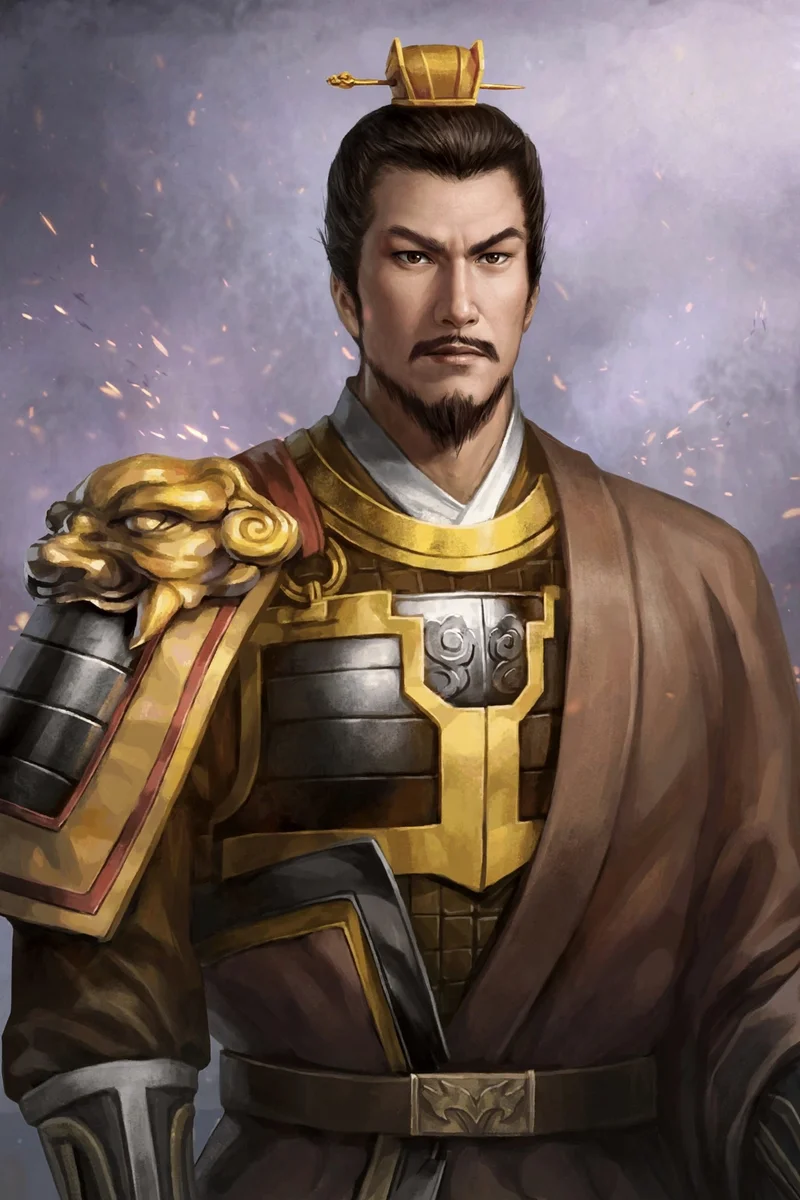
Jia Kui (174–228 AD), original name Jia Qu, courtesy name Liangdao, was a distinguished military general, civil administrator, and senior statesman of the state of Cao Wei during the Three Kingdoms period. Hailing from Xiangling County, Hedong Commandery, he was born into a respected scholarly lineage as the grandson of the Han official Jia Yan. Recognized from youth for his sharp administrative mind, strict sense of law, and military foresight, Jia Kui served in various local governance roles before joining Cao Cao’s administration. As County Magistrate of Linfen and later Administrator of Hongnong, his rigorous anti-corruption policies and effective civil governance won wide acclaim.
During his tenure under Cao Cao, Jia Kui played pivotal roles in maintaining stability across key western and central territories. In 220 AD, following Cao Cao’s death in Luoyang, Jia Kui managed the delicate funeral arrangements and political transition, ensuring smooth succession for Cao Pi against potential court factionalism. Emperor Cao Pi deeply valued Jia Kui’s integrity, appointing him Inspector of Yu Province and General Who Pacifies the East. In Yu Province, Jia Kui undertook massive civil engineering projects, constructing a vital 200-li defensive water canal system known as ‘Inspector Jia’s Canal’ (賈侯渠) that greatly boosted agricultural productivity and troop logistics. In 228 AD, during the Battle of Shiting, when Zhou Fang tricked the Wei general Cao Xiu into a deep ambush, Jia Kui brilliantly anticipated the trap, forced a rapid march to reinforce Cao Xiu, and saved the entire Wei army from utter annihilation. However, Cao Xiu resented Jia Kui’s blunt warnings and slandered him to the court. Returning to his post, Jia Kui fell ill and passed away in 228 AD at the age of 55, posthumously honored as Marquis Su. His son Jia Chong later became a paramount founding statesman of the Western Jin Dynasty.
Role in Romance of the Three Kingdoms
In Luo Guanzhong’s historical novel Romance of the Three Kingdoms, Jia Kui appears as a loyal, incorruptible, and farsighted strategist of Cao Wei. He is introduced in Chapter 78 following Cao Cao’s passing, where he takes charge of imperial funeral arrangements and fearlessly rebukes Cao Zhang when the prince arrives with an armed force seeking royal seals, upholding proper court succession for Cao Pi. His defining battlefield narrative occurs in Chapter 96 during the Battle of Shiting. When the Wu general Zhou Fang pretends to cut his hair to feign surrender, Jia Kui sees through the deception and explicitly warns Cao Xiu not to advance. When Cao Xiu stubbornly ignores his advice and falls into Zhou Fang and Lu Xun’s deadly trap, Jia Kui refuses to harbor personal resentment, leading a desperate relief force that checks Wu’s pursuit and covers Cao Xiu’s frantic retreat, saving the army from complete destruction.
Jia Kui (賈逵) — Historical & Literary Timeline
Defense of Yuanliang and Entry under Cao Cao
Defends Yuanliang against Guo Yuan’s rebels; demonstrates unyielding loyalty and is recruited into Cao Cao’s administrative staff.
Managing Imperial Succession
Oversees Cao Cao’s funeral arrangements in Luoyang; confronts Cao Zhang to secure imperial seals and guarantees Cao Pi’s peaceful ascension.
Governance of Yu Province and Canal Construction
Serves as Inspector of Yu Province; fortifies border defenses against Eastern Wu and constructs ‘Inspector Jia’s Canal’ to enhance military logistics and farming.
Battle of Shiting and Rescuing Cao Xiu
Exposes Zhou Fang’s fake surrender stratagem; when Cao Xiu is trapped in Lu Xun’s ambush at Shiting, Jia Kui leads a timely relief force that repels Wu pursuing units and saves the Wei army.
Death
Passes away from severe illness shortly after the Shiting Campaign at the age of 55, posthumously honored as Marquis Su.
For detailed historical records, archives, and official chronicles, explore Jia Kui on Wikipedia.
Key Relationships
Family
- Jia Yan (贾演, Giả Diễn) — Grandfather and a respected Han Dynasty official whose scholarly lineage influenced Jia Kui’s early career.
- Jia Chong (贾充, Giả Sung) — Son who rose to become a paramount founding statesman of the Western Jin Dynasty.
- Jia Hun (贾混, Giả Hỗn) — Son who served as an official during the Western Jin period.
- Jia Nanfeng (贾南风, Giả Nam Phong) — Granddaughter who became the Empress to Emperor Hui of Jin.
Friends
- Cao Pi (曹丕, Tào Phi) — Emperor Wen of Wei who deeply valued Jia Kui’s integrity and administrative skill, relying on him to secure the imperial succession in 220 AD.
Enemies
- Zhou Fang (周鲂, Chu Phường) — Eastern Wu officer whose fake surrender stratagem in 228 AD was correctly identified by Jia Kui as a trap.
- Lu Xun (陆逊, Lục Tốn) — Grand Commander of Eastern Wu who orchestrated the ambush at the Battle of Shiting in 228 AD.
- Cao Xiu (曹休, Tào Hưu) — Wei general whose pride led him to ignore Jia Kui’s warnings at Shiting; he later slandered Jia Kui to the court out of resentment.
Other
- Cao Cao (曹操, Tào Tháo) — The warlord and founder of Cao Wei who recruited Jia Kui and appointed him to various administrative and military posts.
- Cao Zhang (曹彰, Tào Chương) — Prince of Wei whom Jia Kui fearlessly confronted in 220 AD to prevent him from seizing the imperial seals after Cao Cao’s death.
- Sima Yi (司马懿, Tư Mã Ý) — A senior statesman and commander who recognized Jia Kui’s tactical foresight and administrative competence.
In Novel
Chapter 107
- Jia Kui (贾逵, Giả Quỳ): Jia Kui serves Wei during the later internal crisis of Cao Shuang’s regency and the rise of Sima Yi. He is a capable administrator and military official who supports the Wei court as Sima Yi consolidates control.
Chapter 108
- Jia Kui (贾逵, Giả Quỳ): Jia Kui remains associated with the Wei military and administrative establishment during the transition from Cao Fang’s early reign to the later struggles for control of the state.
In History
Summary
- Jia Kui (贾逵, Giả Quỳ), courtesy name Liangdao (梁道), was a prominent Wei administrator and military commander.
- He was especially respected for his ability to maintain order in frontier territories and for his loyalty to the Cao Wei government.
Early Career
- Jia Kui first served as a local official and gained a reputation for decisiveness during the disorder of the late Han.
- His administrative work in the northeastern and central regions brought him to the attention of Cao Cao’s government.
Military and Administrative Career
- Jia Kui held important commanderies and was responsible for maintaining frontier defenses. He combined military authority with civil administration, a characteristic requirement for senior Wei governors.
- He became especially prominent under Cao Pi and Cao Rui.
Political Position
- Jia Kui was known for defending the authority of the Wei ruler and for resisting attempts by powerful commanders to bypass established government procedures.
- His career therefore illustrates the continuing tension between central authority and powerful military families in Wei.
Death
- Jia Kui died in 228 AD. His descendants remained associated with the Wei political establishment.
Historical Record
- Jia Kui was a securely documented historical figure. His biography appears in Wei Book 15 of the Records of the Three Kingdoms.