
Contents
The Pinnacle of Martial Arts and Heroic Valor in the Three Kingdoms Era
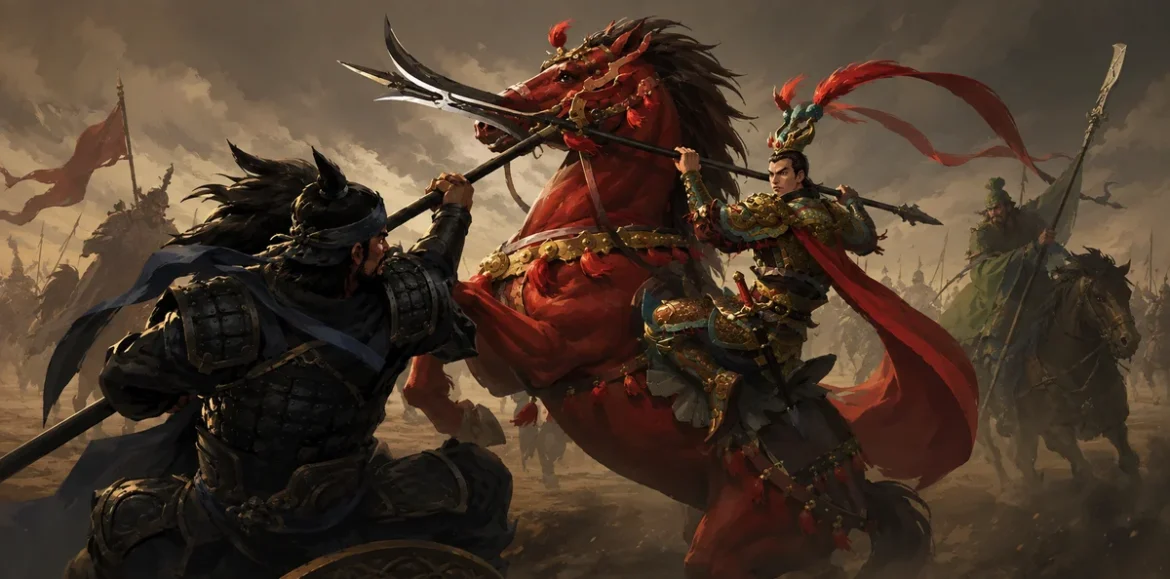
In Luo Guanzhong’s (罗贯中, La Quán Trung) epic novel Romance of the Three Kingdoms (三国演义, Sān Guó Yǎn Yì, Tam Quốc Diễn Nghĩa), the legendary duel “Three Heroes Battle Lu Bu” (三英战吕布, Sān Yīng Zhàn Lǚ Bù, Tam Anh Chiến Lữ Bố) takes center stage in Chapter 5: “Warlords Rally to Attack Dong Zhuo; The Three Brothers Battle Lu Bu at Hulao Pass.”
This breathtaking confrontation represents the ultimate fictional duel in classic Chinese literature, where the unbeatable “God of War,” Lu Bu, clashes with the combined strength of the three sworn brothers of the Peach Garden: Liu Bei, Guan Yu, and Zhang Fei.
1. Historical Context, Time, and Location
-
Time of Event: Early 190 AD (1st year of Jian’an / Chuping during the Eastern Han Dynasty).
-
Location: Hulao Pass (虎牢关, Hǔláo Guān, Hổ Lao Quan—also known as Sishui Pass / 汜水关), situated east of the imperial capital of Luoyang (洛阳, Lạc Dương). This event occurred shortly after Guan Yu decapitated Hua Xiong at Sishui Pass.
-
Background: Following the death of his vanguard commander Hua Xiong, the tyrannical warlord Dong Zhuo panicked. He decided to personally lead a massive army of 150,000 Xiliang troops along with his top warriors to defend Hulao Pass, dividing his forces into two routes to halt the advance of the Eighteen Coalition Warlords.
2. Order of Battle and Key Historical Figures
Dong Zhuo’s Faction (Xiliang Army)
-
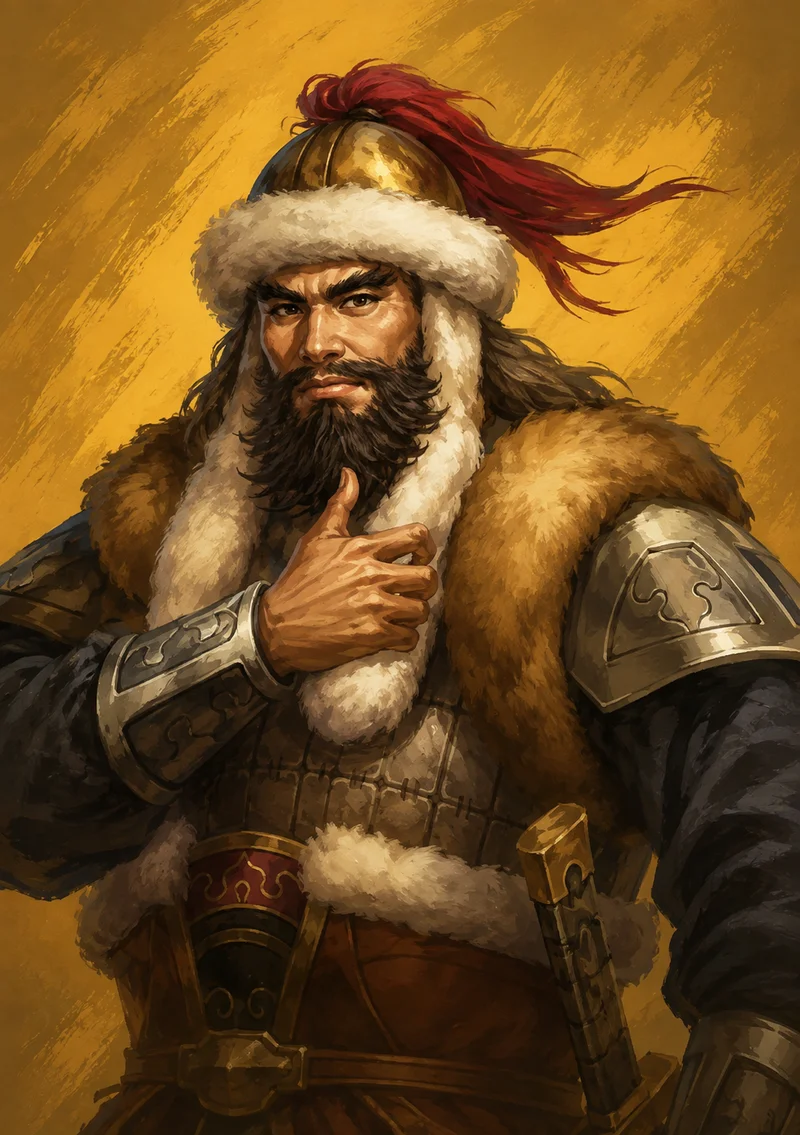
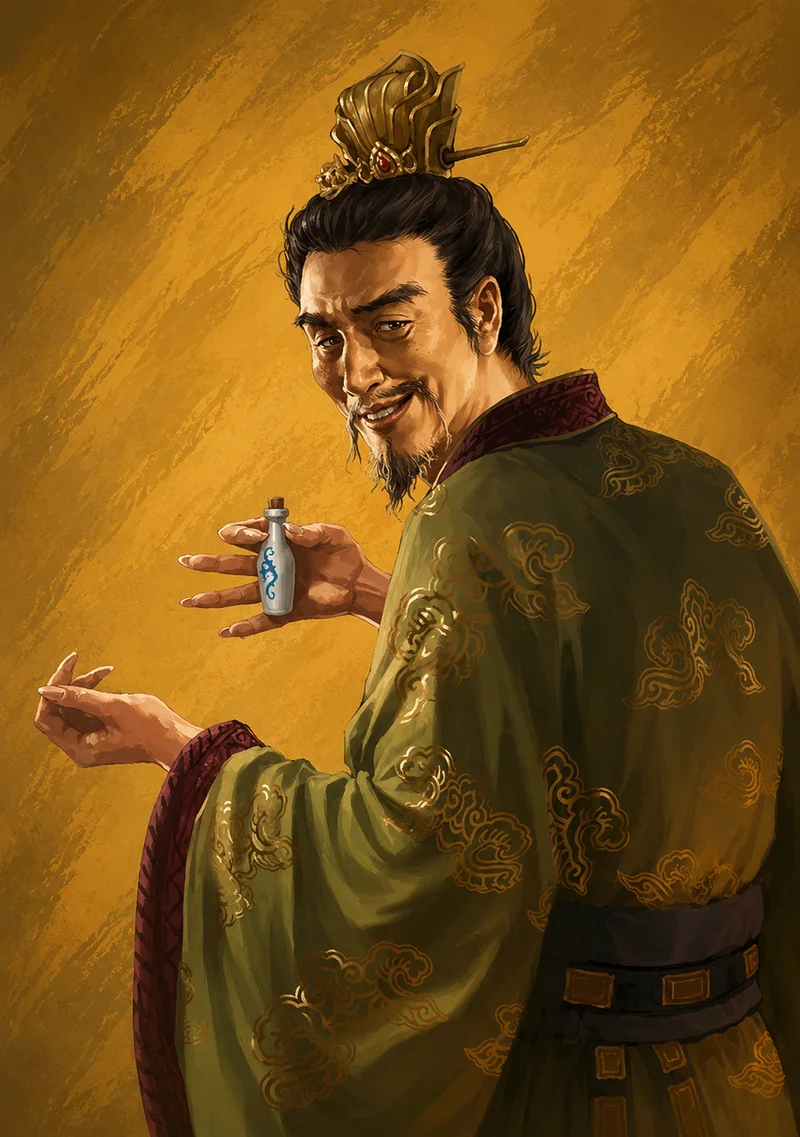
Dong Zhuo (董卓, Đổng Trác): The tyrannical warlord controlling the imperial court; Supreme Commander.
-
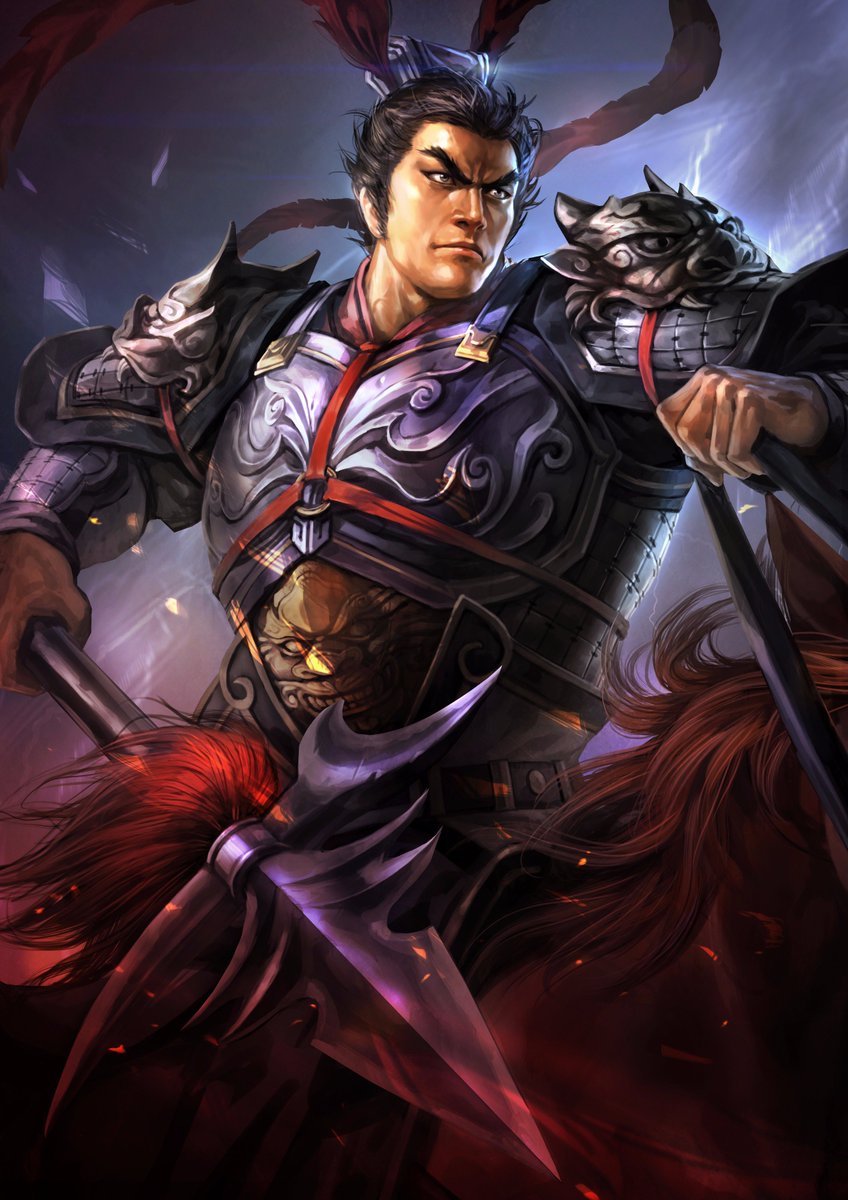
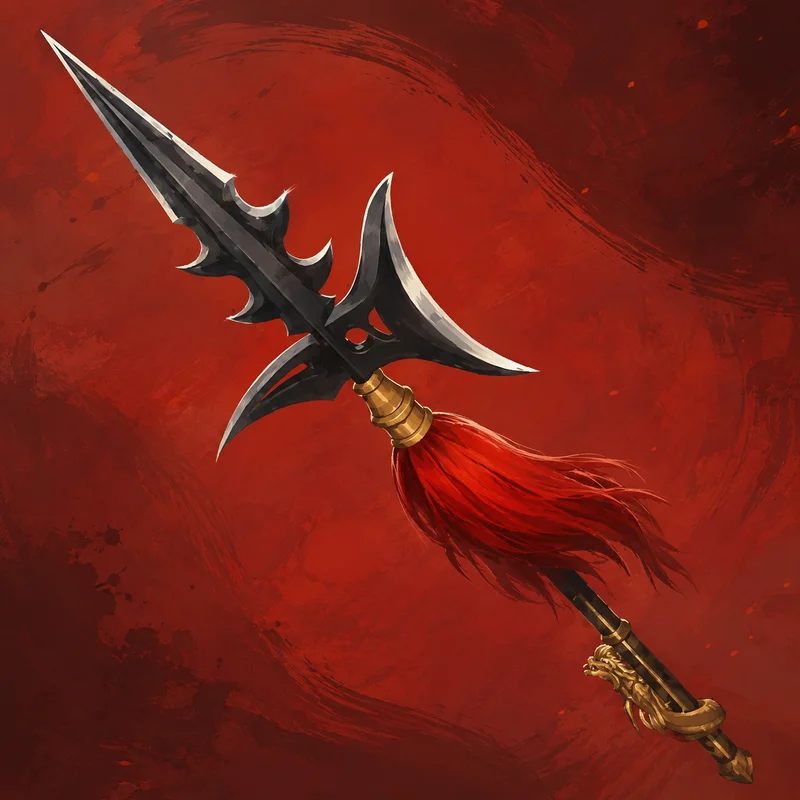
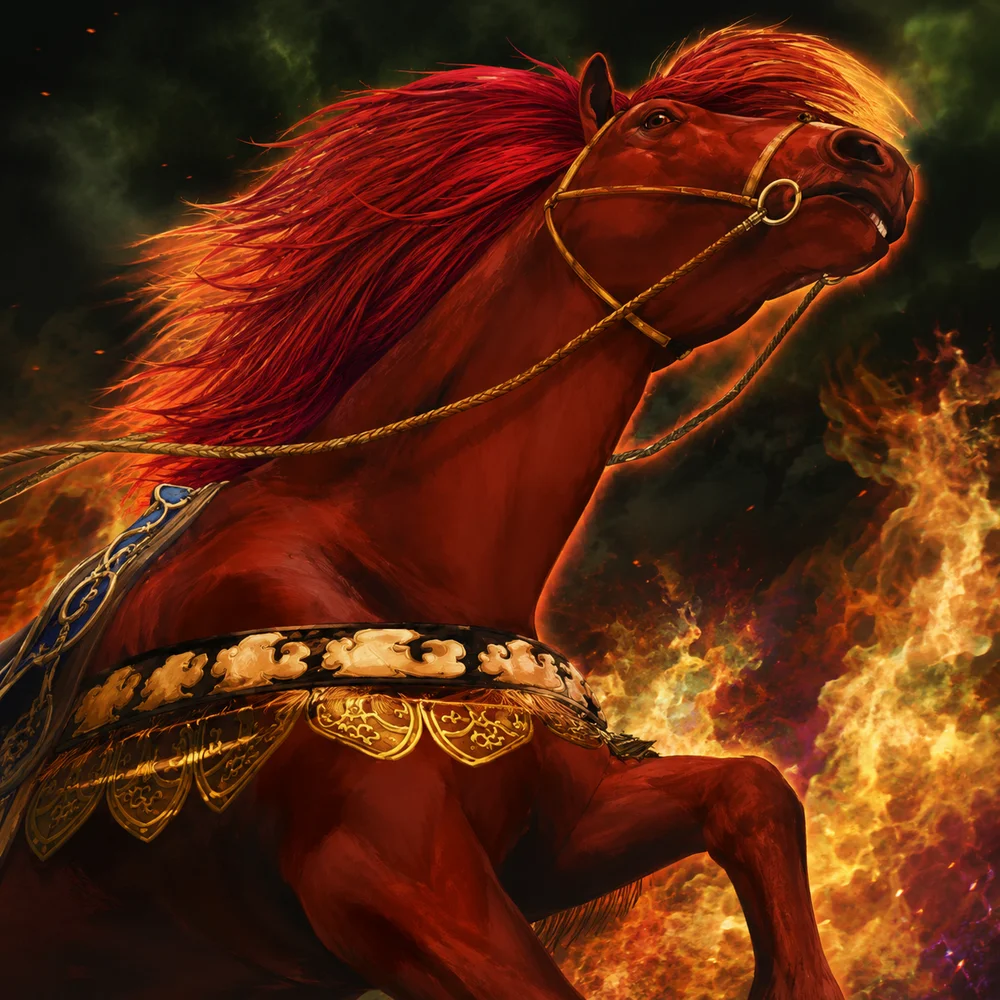
Lu Bu (吕布, Lữ Bố / courtesy name: Fengxian, 奉先, Phụng Tiên): The invincible warrior of the realm, adoptive son of Dong Zhuo. Mounted on Red Hare (赤兔马, Ngựa Xích Thố) and wielding the Sky-Piercing Ji (方天画戟, Phương Thiên Họa Kích).

-
Li Ru (李儒, Lý Nho): Dong Zhuo’s chief strategist.
-
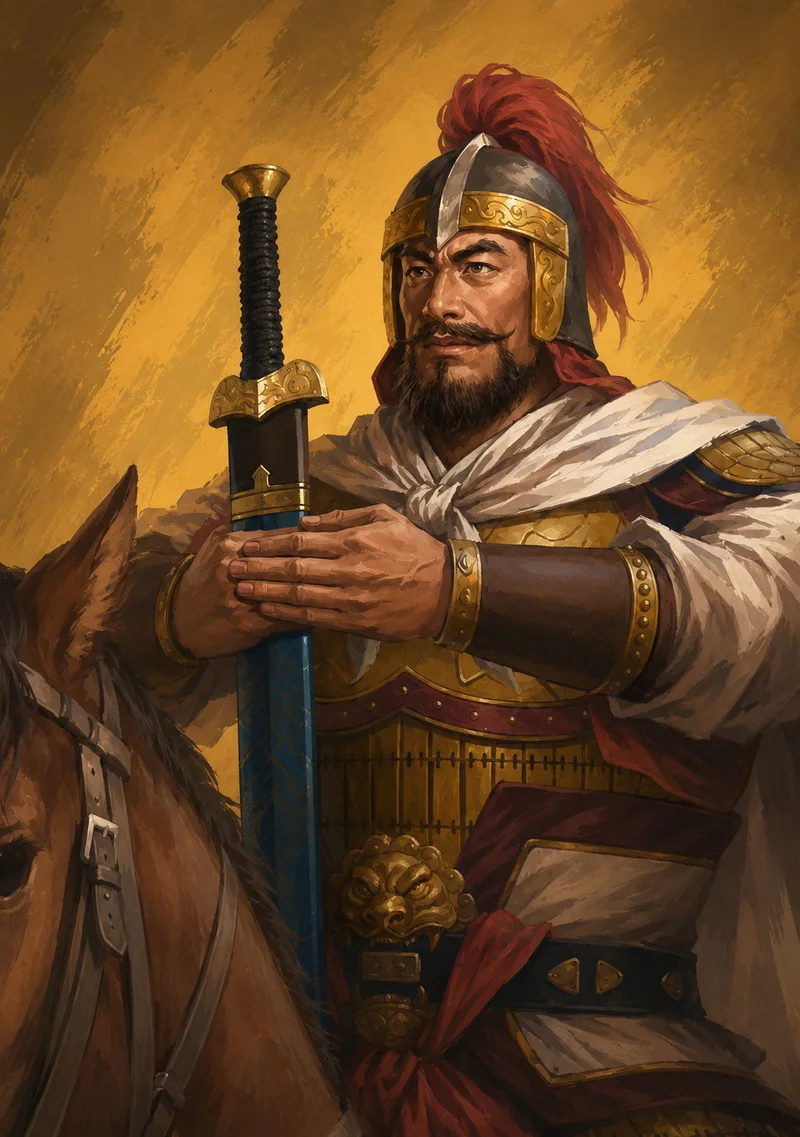
Fan Chou (樊稠, Phàn Trù) & Zhang Ji (张济, Trương Tế): Two vice-generals leading 50,000 troops to hold the outer encampment in support of Lu Bu.
The Eighteen Coalition Warlords (Eastern Alliance)
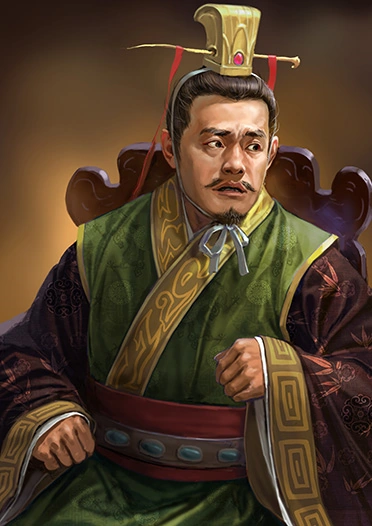
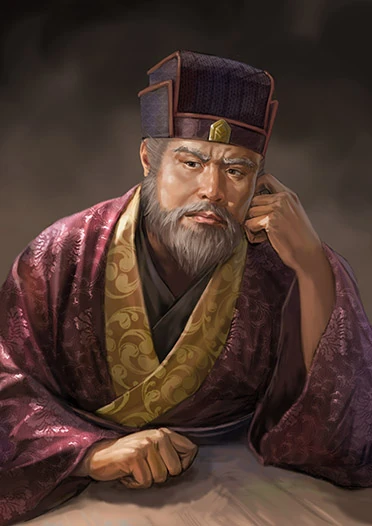
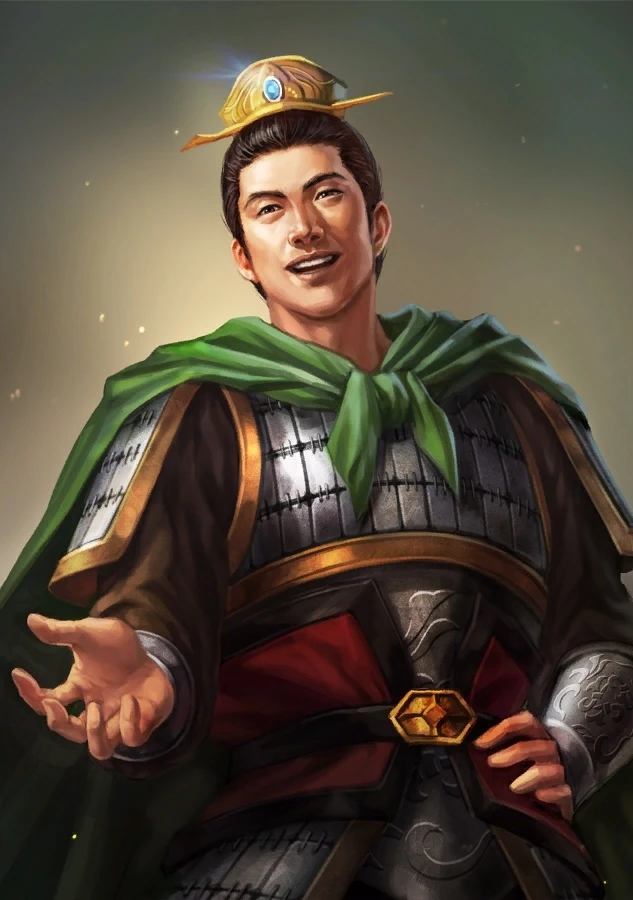
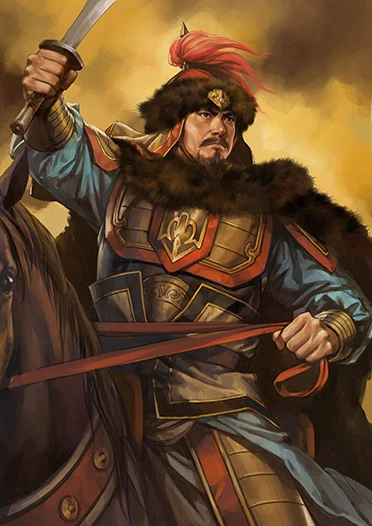
The coalition elected Yuan Shao (袁绍, Viên Thiệu) as their Supreme Commander. The 18 alliance commanders were:
- Yuan Shao (袁绍, Viên Thiệu) – Supreme Commander / Governor of Bohai
- Yuan Shu (袁术, Viên Thuật) – Quartermaster / General of the Rear
- Cao Cao (曹操, Tào Tháo) – Coalition Organizer / Cavalry Commander
- Sun Jian (孙坚, Tôn Kiên) – Vanguard / Governor of Changsha
- Gongsun Zan (公孙瓒, Công Tôn Toản) – Governor of Youbeiping (Accompanied by Liu Bei, Guan Yu, and Zhang Fei)
- Bao Xin (鲍信, Bào Tín) – Chancellor of Jibei
- Han Fu (韩馥, Hàn Phức) – Inspector of Jizhou
- Kong Zhou (孔伷, Khổng Trụ) – Inspector of Yuzhou
- Liu Dai (刘岱, Lưu Đới) – Inspector of Yanzhou
- Wang Kuang (王匡, Vương Khuông) – Governor of Henei
- Zhang Miao (张邈, Trương Mạc) – Governor of Chenliu
- Qiao Mao (桥瑁, Kiều Mạo) – Governor of Dongjun
- Yuan Yi (袁遗, Viên Di) – Governor of Shanyang
- Kong Rong (孔融, Khổng Dung) – Governor of Beihai
- Tao Qian (陶谦, Đào Khiêm) – Inspector of Xizhou
- Zhang Chao (张超, Trương Siêu) – Governor of Guangling
- Zhang Yang (张杨, Trương Dương) – Governor of Shangdang
- Ma Teng (马腾, Mã Đằng) – Governor of Xiliang






3. The Rampage of the “God of War” Lu Bu
Lu Bu led 30,000 elite troops to set up camp before Hulao Pass. Dressed in silver armor and a red silk robe, wearing a golden pheasant-tail helmet, wielding his Sky-Piercing Ji, and riding the lightning-fast Red Hare, Lu Bu rode out to unleash a nightmare upon the alliance forces.
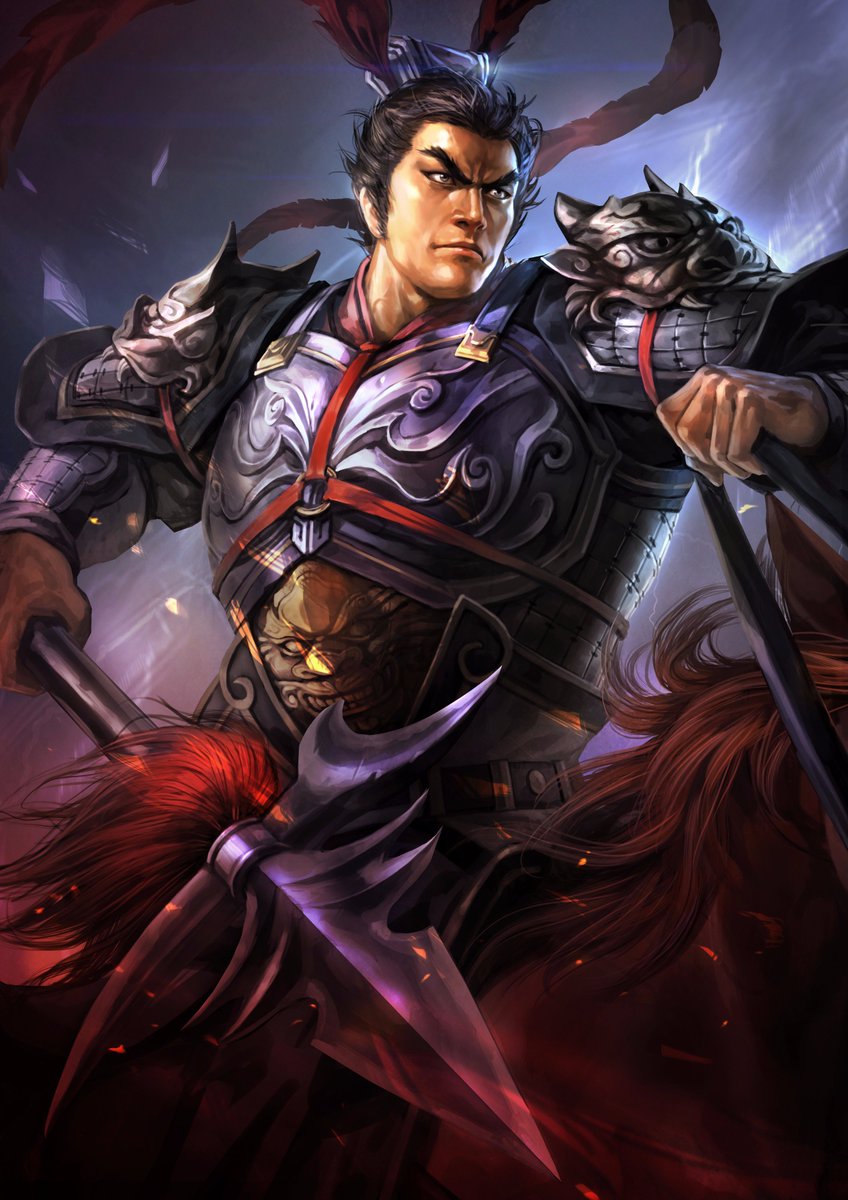
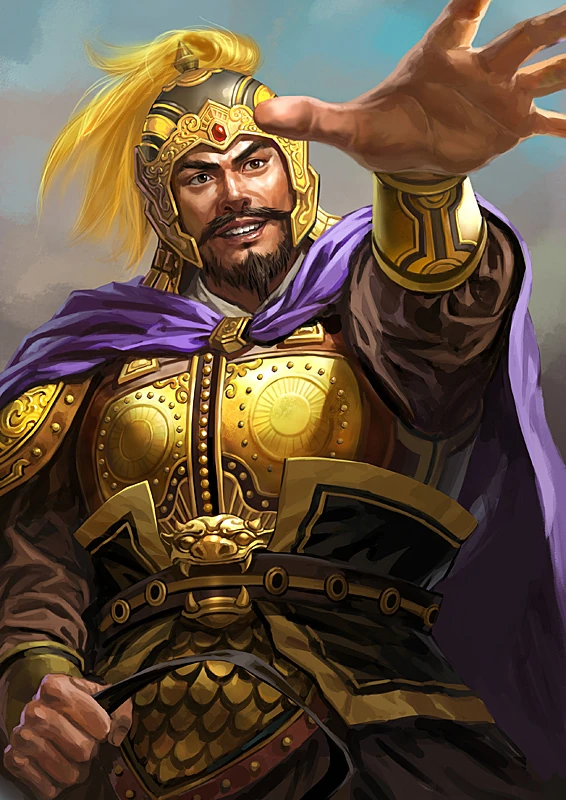
Lu Bu – 吕布- Lữ Bố
-
The Defeat of Wang Kuang: Wang Kuang’s forces arrived first. Lu Bu charged forth on Red Hare. Wang Kuang’s general, Fang Yue (方悦, Phương Duệ), rode out to engage him.
In less than 5 bouts, Fang Yue was pierced by Lu Bu’s ji and fell dead off his horse.
Lu Bu capitalized on the momentum, routing Wang Kuang’s army.

-
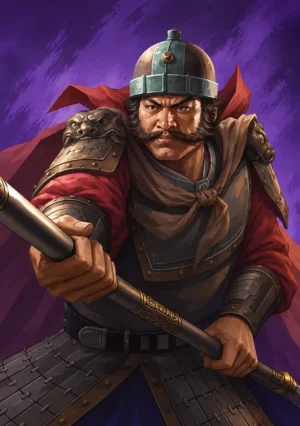
Slaying Mu Shun (穆顺, Mục Thuận): Governor Zhang Yang ordered his top general Mu Shun to charge with his spear. Lu Bu thrust his ji straight through the top of Mu Shun’s helmet, killing him instantly.
-
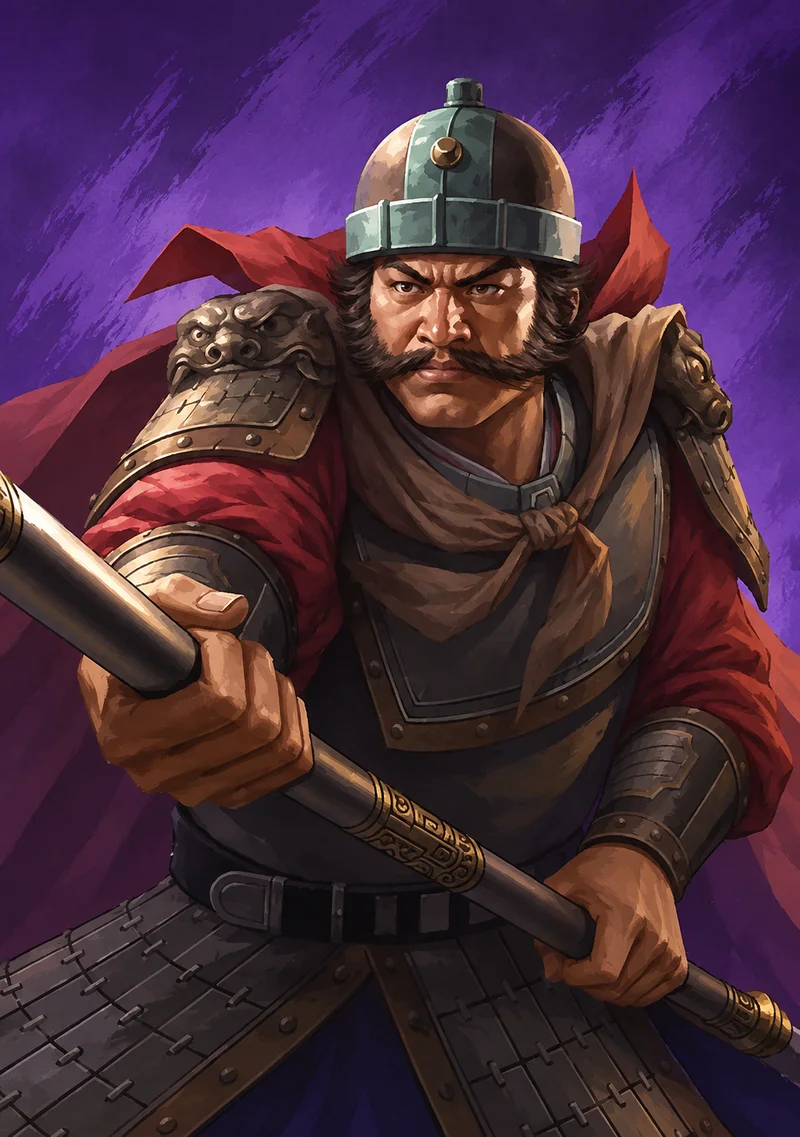
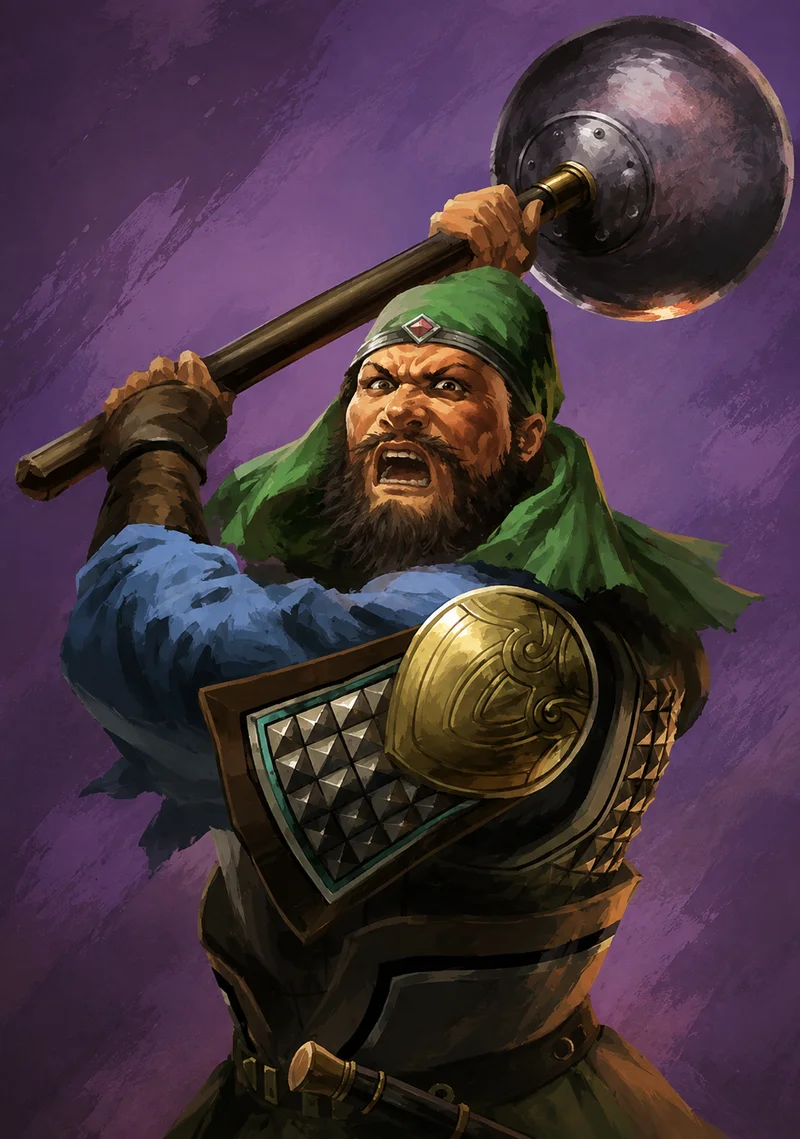
Maiming Wu Anguo (武安国, Vũ An Quốc): General Wu Anguo (serving under Tao Qian / Kong Zhou) swung his 50-catty iron mace into battle. After 10 bouts, Lu Bu used the side blade of his ji to sever Wu Anguo’s left wrist, forcing him to drop his weapon and flee in agony.


-
Overpowering Gongsun Zan: Governor Gongsun Zan personally rode out with his spear to engage Lu Bu. After only a few bouts, Gongsun Zan could no longer withstand Lu Bu’s strikes and turned his horse to flee. Lu Bu spurred Red Hare in pursuit. Capable of covering a thousand li a day, Red Hare closed the distance in an instant; Lu Bu raised his Sky-Piercing Ji, aiming directly at Gongsun Zan’s back!
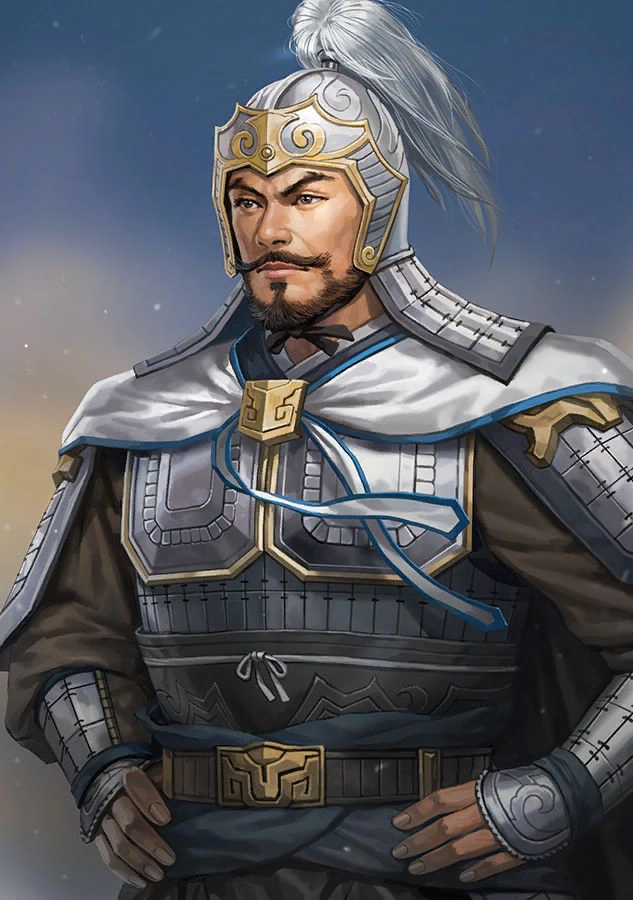
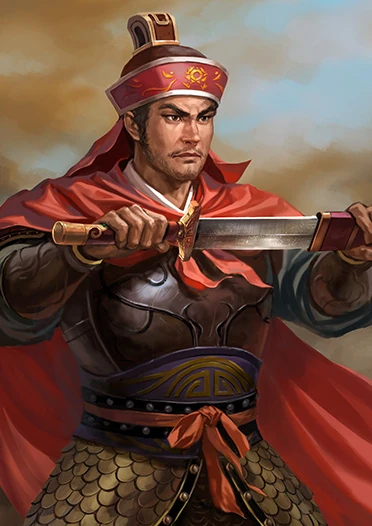
Gongsun Zan – 公孙瓒 – Công Tôn Toản
4. The Legendary Climax: Three Heroes Battle Lu Bu
At the critical moment when Gongsun Zan’s life hung by a thread, a thunderous roar echoed from the edge of the formation, shaking the mountainside:
Zhang Fei bellowed:
“You slave of three surnames, stay your hand! Zhang Fei of Yan is here!”
(三姓家奴休走!燕人张飞在此!)
(Zhang Fei’s insult, “Slave of three surnames,” struck at Lu Bu’s deepest shame: born with the surname Lu, he adopted Ding Yuan as his father before murdering him, and subsequently adopted Dong Zhuo as his second adoptive father).
Round 1: Zhang Fei Duels Lu Bu Alone
Glowering with rage, Lu Bu abandoned Gongsun Zan and turned Red Hare toward Zhang Fei.
-
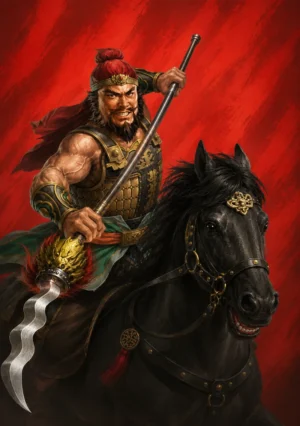
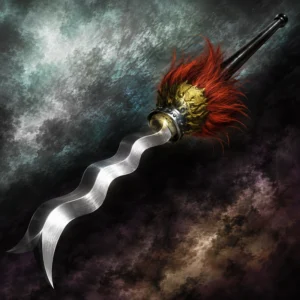
Zhang Fei thrust his Eight-Foot Serpent Spear (丈八蛇矛, Trượng Bát Xà Mâu) with fury.
-
Lu Bu parried with his Crescent Halberd (方天画戟, Phương Thiên Họa Kích).
-
The two engaged in a fierce duel for over 50 bouts without a clear victor. The thunderous clashing of their weapons stunned the onlookers of both armies.
Round 2: Guan Yu Joins the Fray
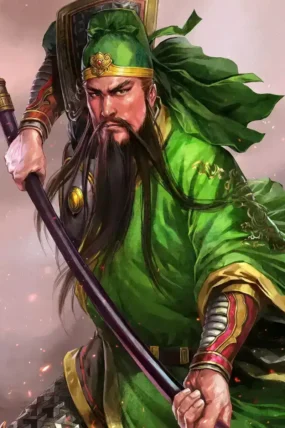
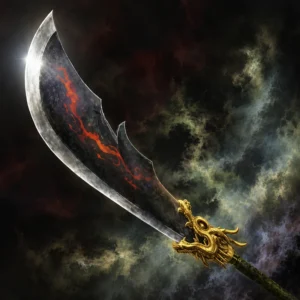
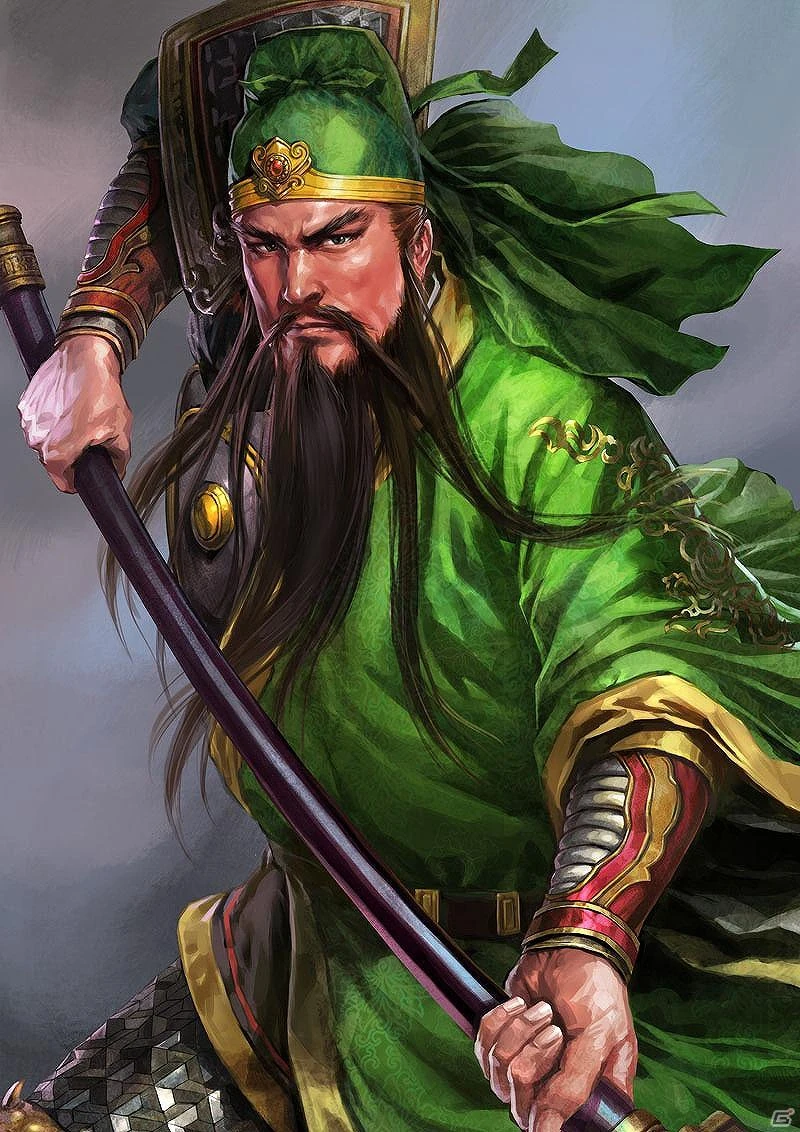
Seeing that Zhang Fei could not subdue Lu Bu after a prolonged battle, Guan Yu (关羽) stroked his long beard, raised his 82-catty Green Dragon Crescent Blade (青龙偃月刀, Thanh Long Yển Nguyệt Đao), and charged into battle.
-
The two brothers, Guan Yu and Zhang Fei, pincered Lu Bu, sweeping with the crescent blade from one side and thrusting with the serpent spear from the other.
-
Lu Bu remained composed, fluidly executing offensive and defensive maneuvers with his Sky-Piercing Ji to hold off both master warriors for another 30 bouts.
Round 3: Liu Bei Enters (The Three Heroes Formation)
Recognizing that his brothers were still deadlocked, Liu Bei (刘备) spurred his steed forward, drew his gleaming Dual Swords (双股剑, Song Cổ Kiếm), and joined the fray.
-
The Triangular / T-Shape Formation: Liu, Guan, and Zhang encircled Lu Bu from three sides. The combat was described as “swirling like snowflakes and rolling like storm clouds.”
-
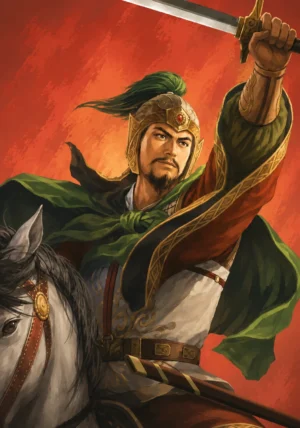
Lu Bu began to tire under the relentless, synchronized onslaught of three top-tier warriors. Identifying Liu Bei as the link with the least formidable martial power, Lu Bu feinted a thrust straight at Liu Bei’s face.

-
As Liu Bei leaned back to parry, Lu Bu swiftly withdrew his ji, spurred Red Hare through the gap in their formation, and broke out of the circle, galloping at full speed toward Hulao Pass.


The Pursuit to the Pass
The three brothers gave chase immediately. The troops of the 8 coalition armies cheered like thunder and launched a full-scale assault. Lu Bu fled into the fortress, raising the drawbridge and locking the heavy iron gates behind him.
Zhang Fei rode his horse up to the base of the wall, bellowing taunts, but Lu Bu refused to step out to fight again.
5. Summary of Key Event Figures
| Character | Chinese & Vietnamese Names | Faction / Weapon & Mount | Role & Outcome in Event |
| Lu Bu | 吕布 (Lữ Bố) | Dong Zhuo / Sky-Piercing Ji / Red Hare | Slew Fang Yue and Mu Shun; maimed Wu Anguo; retreated after dueling the Three Heroes. |
| Zhang Fei | 张飞 (Trương Phi) | Liu Bei (under Gongsun Zan) / Serpent Spear | Rescued Gongsun Zan; dueled Lu Bu single-handedly for 50 bouts. |
| Guan Yu | 关羽 (Quan Vũ) | Liu Bei (under Gongsun Zan) / Green Dragon Blade | Joined Zhang Fei in battle, fighting Lu Bu for another 30 bouts. |
| Liu Bei | 刘备 (Lưu Bị) | Independent (under Gongsun Zan) / Dual Swords | Joined his brothers to form the Three Heroes circle, forcing Lu Bu to flee. |
| Fang Yue | 方悦 (Phương Duệ) | Wang Kuang / Spear | Slain by Lu Bu in under 5 bouts. |
| Mu Shun | 穆顺 (Mục Thuận) | Zhang Yang / Broadsword | Slain instantly by Lu Bu. |
| Wu Anguo | 武安国 (Vũ An Quốc) | Kong Zhou / 50-Catty Iron Mace | Left wrist severed by Lu Bu; barely survived. |
| Gongsun Zan | 公孙瓒 (Công Tôn Toản) | Coalition Leader / Spear | Fought Lu Bu briefly before fleeing; rescued just in time by Zhang Fei. |
6. Cultural Significance and Historical Reality
Historical Fact vs. Literary Fiction
-
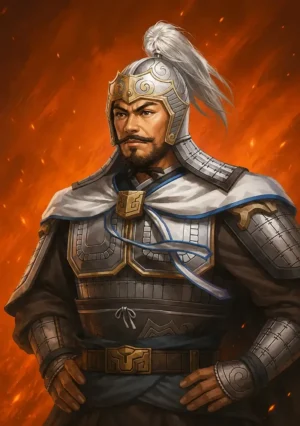
Official History (Records of the Three Kingdoms by Chen Shou): The duel “Three Heroes Battle Lu Bu” never actually happened. Historically, Lu Bu was defeated by Sun Jian (The Tiger of Jiangdong) when Sun Jian marched on Luoyang. At that time, Liu Bei, Guan Yu, and Zhang Fei were stationed under Gongsun Zan in the north and had no major involvement in the campaign against Dong Zhuo at Hulao Pass.
-
Literary Artistry: Luo Guanzhong created this iconic duel for two specific narrative reasons:
-
To establish Lu Bu’s unmatched martial prowess: It cemented Lu Bu as the “Number One Warrior” of the Three Kingdoms era, as it required the combined strength of all three legendary brothers to force his retreat.
-
To introduce the Three Brothers to the national stage: It announced to the 18 coalition warlords (who had previously dismissed the three common-born brothers) the immense strength, courage, and spirit of the future leaders of Shu Han.
-
7. Idioms and Popular Culture
-
“Three Heroes Battle Lu Bu” (三英战吕布): This phrase became a classic Chinese idiom and cultural metaphor representing teamwork, synergy, and joining forces to overcome a formidable opponent.
-
Lu Bu’s Iconography: The popular saying “Among men, Lu Bu; among horses, Red Hare” (人中吕布,马中赤兔, Rén zhōng Lǚ Bù, mǎ zhōng Chì Tù) was permanently solidified in East Asian folklore through this epic clash at Hulao Pass.