
Contents
Biography & Historical Record
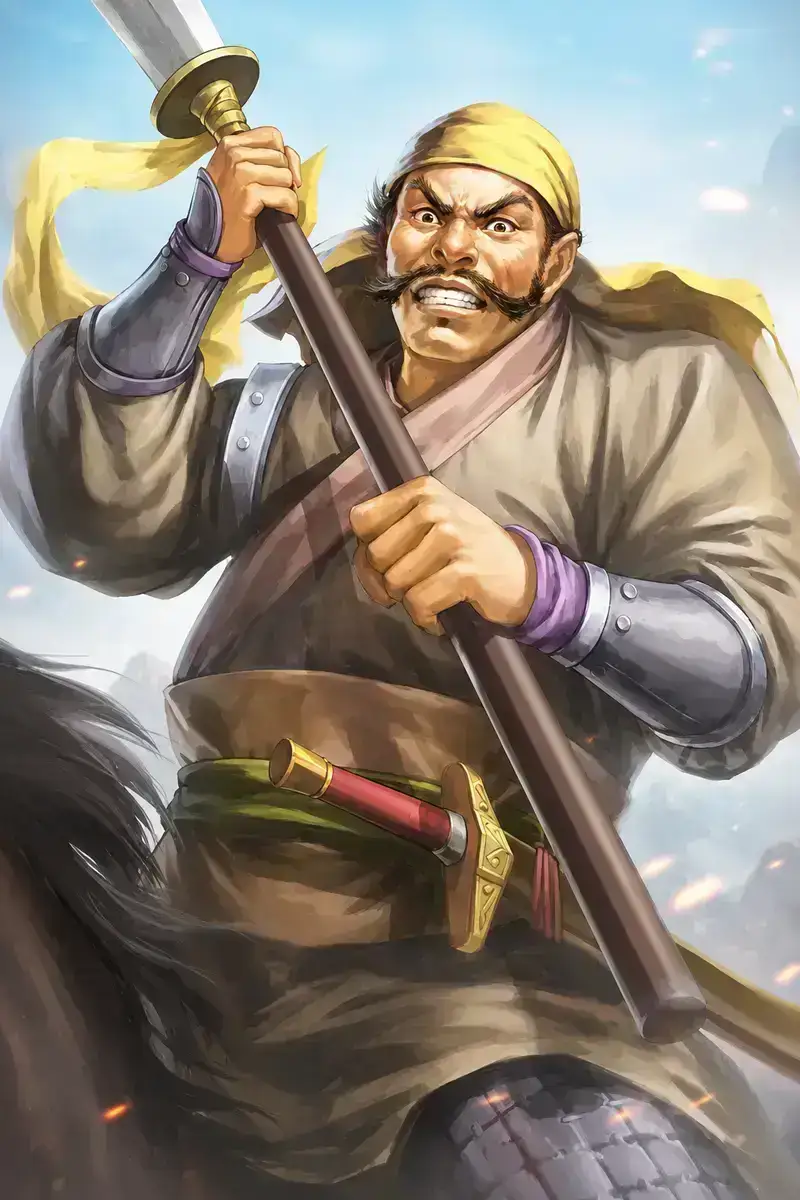
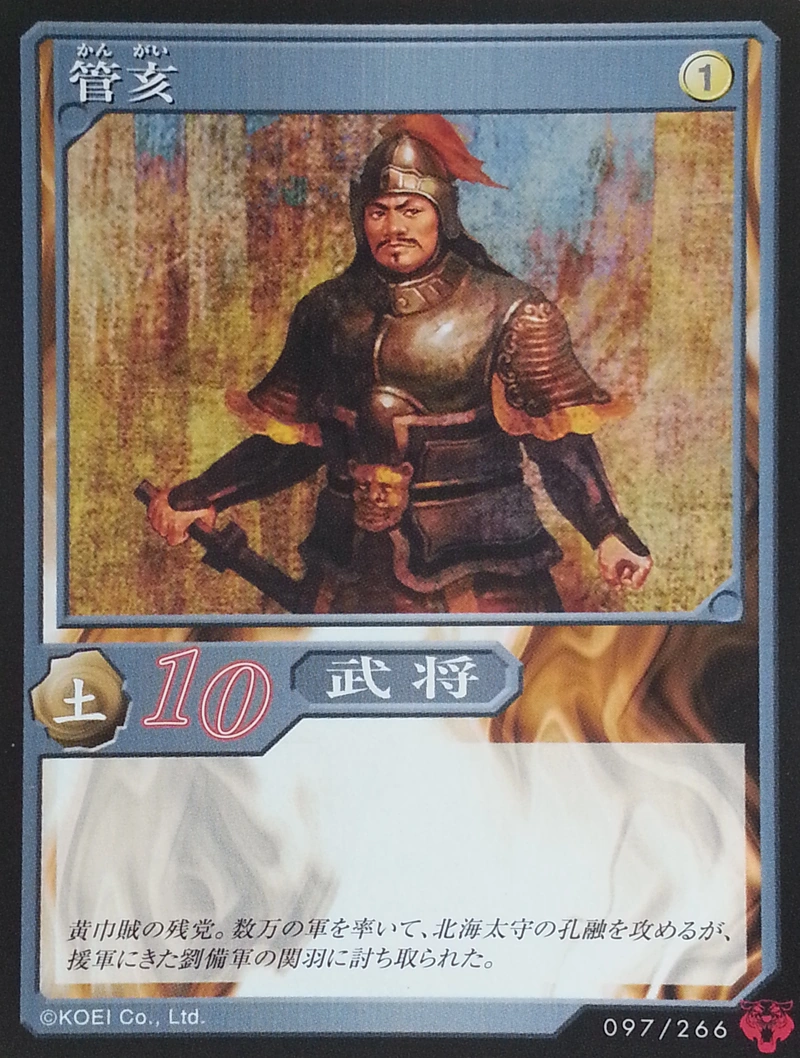
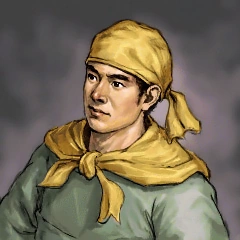
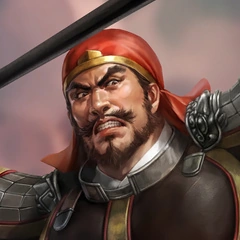
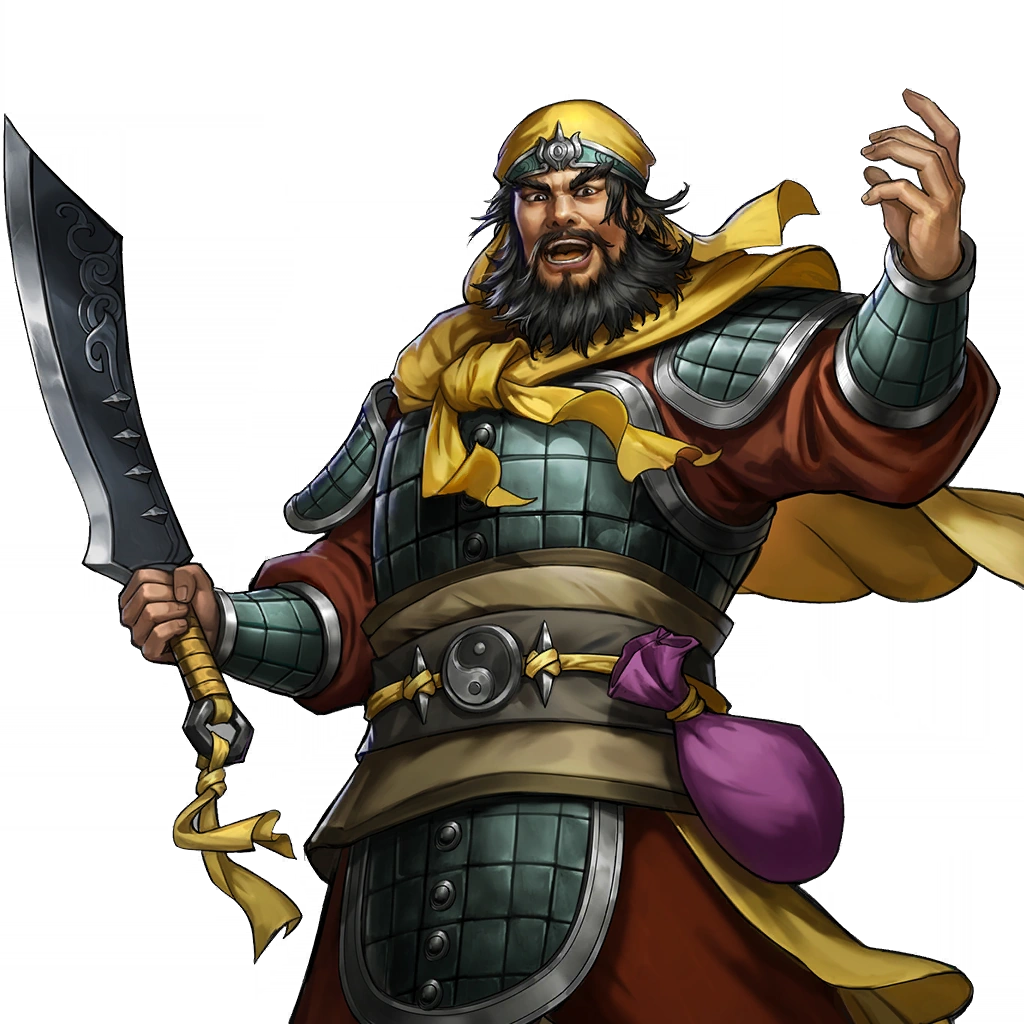
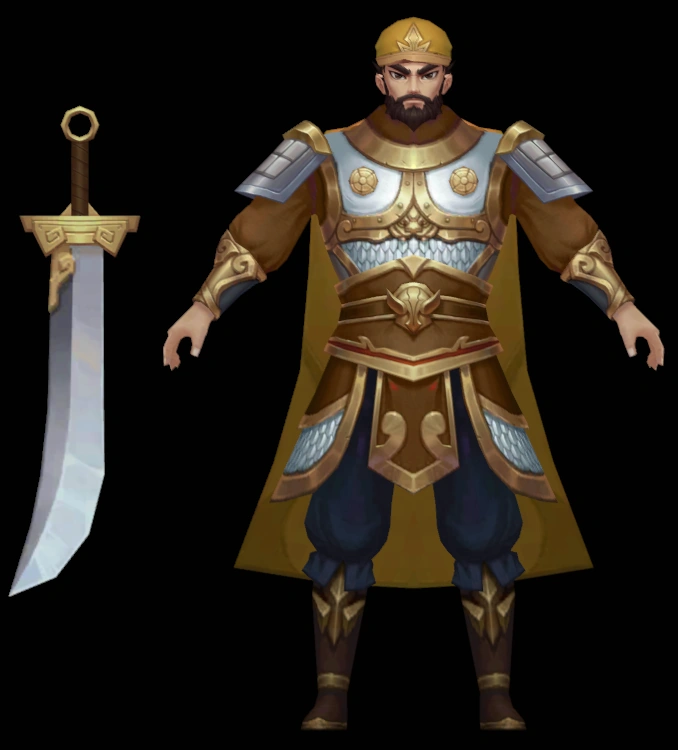
Guan Hai (管亥, Quản Hợi) was a Yellow Turban remnant commander active in Qing Province (青州; Thanh Châu) after the main 184 AD uprising had been broken. He is remembered chiefly for surrounding Kong Rong (孔融, Khổng Dung) at Duchang in Beihai. In Luo Guanzhong’s Romance of the Three Kingdoms Chapter 11 he is cast as a giant of “the strength of ten men,” kills Kong Rong’s general Zong Bao (宗宝, Tông Bảo), and dies in single combat under Guan Yu (关羽, Quan Vũ)’s blade when Liu Bei (刘备, Lưu Bị) arrives with relief. Official history records the siege and the relief, but not the duel: when Liu Bei’s troops approached, Guan Hai’s force withdrew, and his later fate is obscure.
He did not serve Zhang Jiao (张角, Trương Giác) in the original Julu rising; he claimed the Yellow Turban banner among residual bands that still plundered Shandong after Huangfu Song and Zhu Jun had crushed the first wave. By the early 190s Kong Rong, as Chancellor of Beihai, was trying to restore local order and grain stores. Guan Hai’s host—tens of thousands in the novel—demanded grain. Refusal brought siege, and the literary arc turns on whether Beihai can hold until Taishi Ci’s courier mission and Liu Bei’s volunteer column break the ring.
Historically the crisis is dated about 193 AD (some notices place related Qing unrest slightly earlier). Taishi Ci (太史慈, Thái Sử Từ) forced his way out of the encirclement, reached Liu Bei at Pingyuan, and brought back a few thousand men. The appearance of that relief column ended the blockade. The Romance invents Guan Hai’s personal challenge and death so that Guan Yu’s early reputation receives a clean martial climax; readers should keep novel death and historical withdrawal on separate tracks.
Role in Romance of the Three Kingdoms
Chapter 11 (Liu Bei Rescues Kong Rong at Beihai; Lü Bu Defeats Cao Cao at Puyang): Guan Hai (管亥, Quản Hợi) leads Yellow Turban remnants against Beihai, demands grain from Kong Rong (孔融, Khổng Dung), and when refused kills the sortie leader Zong Bao (宗宝, Tông Bảo). Kong Rong is hard-pressed until Taishi Ci (太史慈, Thái Sử Từ) breaks out alone, finds Liu Bei (刘备, Lưu Bị), and returns with Guan Yu (关羽, Quan Vũ) and Zhang Fei (张飞, Trương Phi). Guan Hai rides out to meet the newcomers, duels Guan Yu for several dozen bouts, and is cut down; the siege collapses. The same chapter’s later Puyang fighting belongs to Lü Bu and Cao Cao—Guan Hai’s story ends at Beihai.
The episode binds three early reputations: Kong Rong’s civil courage under siege, Taishi Ci’s courier valor, and Guan Yu’s invincibility in the first long look after the Peach Garden years. Guan Hai is the named antagonist who makes that triad visible.
Guan Hai (管亥) — Historical & Literary Timeline
Qing Province remnant chief
Rises among Yellow Turban leftovers in Qing Province, claiming the movement’s banner while living by plunder after the main rebellion is suppressed.
Siege of Duchang / Beihai
Surrounds Kong Rong; in the novel demands grain, kills Zong Bao, and presses the city until Taishi Ci escapes for help.
Liu Bei’s column
Taishi Ci brings Liu Bei, Guan Yu, and Zhang Fei with roughly three thousand men from Pingyuan to break the ring.
Death or withdrawal
Romance: slain by Guan Yu in single combat. History: force withdraws when relief appears; Guan Hai’s later career is not securely documented.
Historical frame: notices tied to Kong Rong / Taishi Ci / Liu Bei in the Beihai relief; novel duel is literary.
Key Relationships
Family
- No father, mother, spouse, or children recorded.
Friends
- Zhang Jiao (张角, Trương Giác) — Ideological banner of the Yellow Turbans; Guan Hai claims the legacy rather than serving in the 184 Julu command.
Enemies
- Kong Rong (孔融, Khổng Dung) — Chancellor of Beihai whom Guan Hai besieges at Duchang.
- Taishi Ci (太史慈, Thái Sử Từ) — Breaks the siege lines and fetches Liu Bei’s relief.
- Guan Yu (关羽, Quan Vũ) — Novel killer in single combat outside Beihai.
- Liu Bei (刘备, Lưu Bị) — Pingyuan commander whose three thousand end the blockade.
- Zhang Fei (张飞, Trương Phi) — Rides with the relief column in Chapter 11.
Other
- Zong Bao (宗宝, Tông Bảo) — Kong Rong’s general slain in the novel when Guan Hai’s demand for grain is refused.


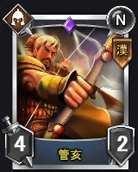
In Novel
Chapter 11
- Guan Hai (管亥, Quản Hợi): Commands residual Yellow Turban forces in Qing Province and marches on Beihai, surrounding Kong Rong (孔融, Khổng Dung) at Duchang and demanding grain for his host.
- Guan Hai (管亥, Quản Hợi): When Kong Rong refuses, Guan Hai’s army presses the siege; Kong Rong’s general Zong Bao (宗宝, Tông Bảo) rides out and is slain, leaving Beihai desperate and the walls under continuous assault.
- Guan Hai (管亥, Quản Hợi): Holds the encirclement while Taishi Ci (太史慈, Thái Sử Từ) alone breaks through the rebel lines, reaches Liu Bei (刘备, Lưu Bị) at Pingyuan, and returns with about three thousand volunteers including Guan Yu (关羽, Quan Vũ) and Zhang Fei (张飞, Trương Phi).
- Guan Hai (管亥, Quản Hợi): Rides out to challenge the newcomers, described as having the strength of ten men; he engages Guan Yu in single combat for several dozen bouts before Guan Yu cuts him down, breaking Yellow Turban morale and ending the siege of Beihai.
In History
Summary
- Guan Hai (管亥, Quản Hợi) was a real Yellow Turban remnant leader in Qing Province. His securely recorded action is the attack on Kong Rong (孔融, Khổng Dung) at Duchang in Beihai.
- He is not documented as a Julu lieutenant of Zhang Jiao in 184; treat him as a later residual commander.
Year: c. 193 AD
- Guan Hai leads thousands of rebels against Kong Rong’s Beihai administration. Taishi Ci (太史慈, Thái Sử Từ) escapes the siege and seeks help from Liu Bei (刘备, Lưu Bị).
- Liu Bei sends a relief force; Guan Hai’s army withdraws when the reinforcements arrive. Primary notices do not preserve a personal duel with Guan Yu or a documented death date.
Historical Record
- Tradition connected to Kong Rong’s Beihai tenure and Taishi Ci’s biography (SGZ / Pei notes on Taishi Ci and related late-Han Qing Province fighting).
- Do not treat the novel’s grain ultimatum, the killing of Zong Bao, or Guan Yu’s duel as official-history facts.
- Honest silence: Guan Hai’s birth year, offices, and final fate after the withdrawal are not securely established in Chen Shou’s main biographies.
Gallery