Contents
Biography & Historical Record
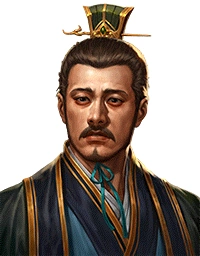
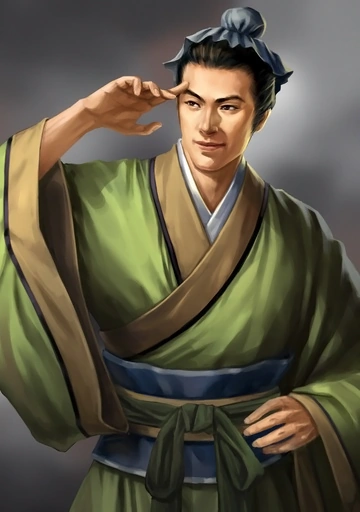
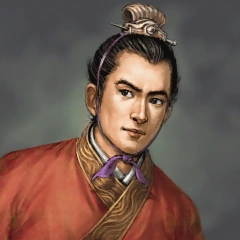
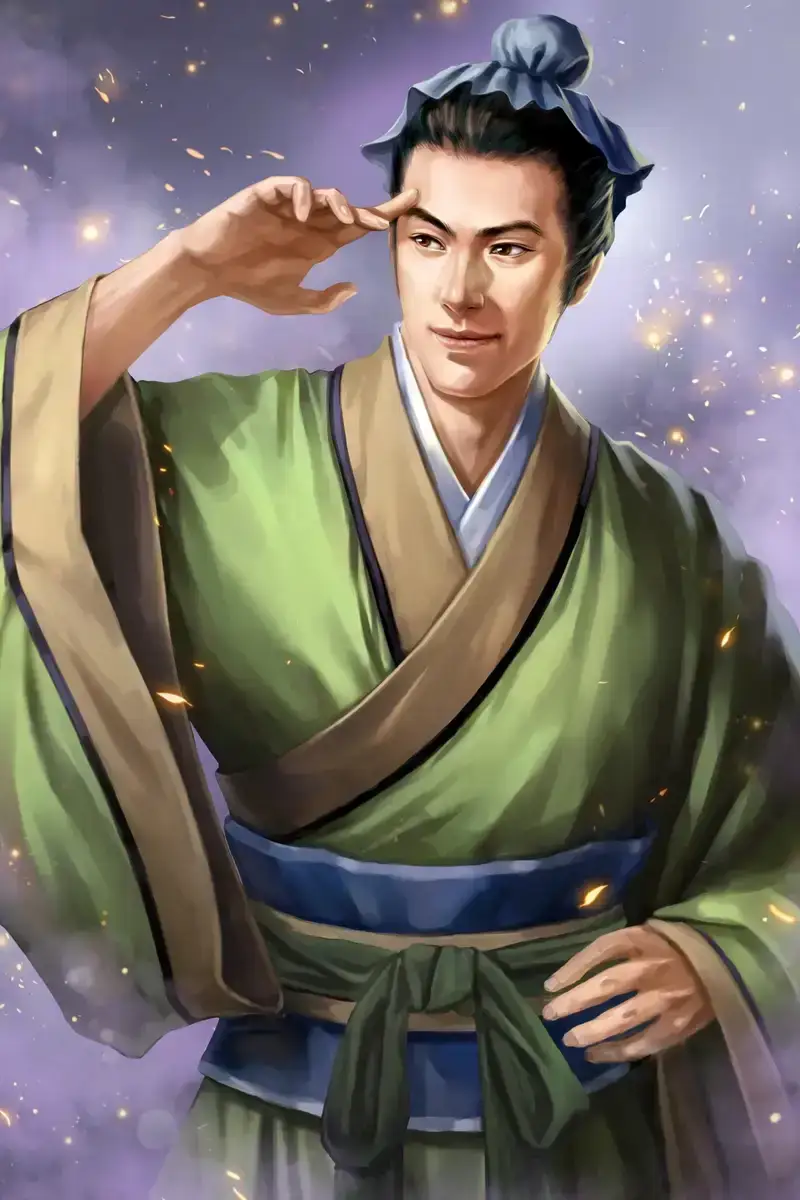
He Yan (died 249 AD), courtesy name Pingshu, was an influential scholar, philosopher, politician, and high-ranking minister of the state of Cao Wei during the Three Kingdoms period. Hailing from Nanyang Commandery, he was the grandson of Grand General He Jin, the powerful military leader during the reign of Emperor Ling of Han. Following the downfall of the He clan, He Yan’s mother, Lady Yin, was taken by the warlord Cao Cao as a concubine, and He Yan was raised directly within Cao Cao’s household alongside the imperial princes. Celebrated from his youth for his extraordinary physical beauty, pale complexion, intellectual brilliance, and sharp wit, He Yan married Princess Jinxiang, a daughter of Cao Cao.
He Yan was one of the founding fathers of the Xuanxue (Neo-Daoism or ‘Dark Learning’) philosophical movement alongside Wang Bi. He authored profound commentaries on classical Confucian and Daoist texts, including the Lunyu Jijie (Collected Commentaries on the Analects) and Daode Lun (Discourse on the Dao and Virtue), which profoundly shaped Chinese intellectual thought for centuries. Despite his scholarly renown, He Yan was widely criticized for his hedonistic lifestyle, extravagant sartorial taste, and excessive consumption of the hallucinogenic drug Wushisan (Five Minerals Powder).
Politically, He Yan aligned himself closely with Cao Shuang, the Regent of Cao Wei, during the reign of the young Emperor Cao Fang. Rising to the vital post of Minister of Personnel (吏部尚書), He Yan appointed his philosophical associates—such as Deng Yang, Ding Mi, and Bi Gui—to dominant positions in court, monopolizing administrative appointments and marginalizing veteran statesmen like Sima Yi. In 249 AD, Sima Yi executed the historic Incident at the Gaoping Tombs, seizing control of the imperial capital Luoyang while Cao Shuang was visiting the imperial tombs. Tricked by Sima Yi into compiling the formal list of charges and names of Cao Shuang’s faction under the belief that his life would be spared, He Yan meticulously documented the inner circle, including his own name. Sima Yi promptly ordered the summary arrest and execution of He Yan, Cao Shuang, and all members of their factions along with their extended families, exterminating their lineages to the third generation.
Role in Romance of the Three Kingdoms
In Luo Guanzhong’s historical novel Romance of the Three Kingdoms, He Yan appears in Chapter 106 and Chapter 107 as a key advisor and sycophant under the Regent Cao Shuang. Depicted as a vain, arrogant, and superficial minister who abuses his authority to pack the imperial administration with his corrupt cronies, He Yan continuously encourages Cao Shuang to usurp state power and marginalize Sima Yi. During the Incident at the Gaoping Tombs in Chapter 107, following Cao Shuang’s surrender, Sima Yi orders He Yan to personally draft the court indictment against Cao Shuang’s faction. Hoping to curry favor and preserve his life, He Yan completes the document and asks Sima Yi if he will be pardoned. Sima Yi coldly responds that He Yan’s own name is the primary traitor listed on the indictment. He Yan is dragged out to the execution ground in Luoyang and beheaded alongside Cao Shuang, Deng Yang, Ding Mi, Bi Gui, and Huan Fan, with his entire clan exterminated.
He Yan (何晏) — Historical & Literary Timeline
Ascension to Minister of Personnel
Aligns with Regent Cao Shuang, gaining appointment as Minister of Personnel; monopolizes court recruitment and promotes his philosophical allies to key state posts.
Incident at Gaoping Tombs
Sima Yi launches a surprise coup in Luoyang while Cao Shuang visits the imperial tombs; He Yan is arrested following Cao Shuang’s capitulation.
Drafting the Indictment and Execution
Duped by Sima Yi into drafting the treason indictment against Cao Shuang’s inner circle; condemned by his own charges and executed alongside his entire family at Luoyang’s market.
Key Relationships
Family
- He Jin (何进, Hà Tiến): Paternal grandfather and powerful Grand General of the late Han Dynasty.
- Lady Yin (尹夫人, Doãn phu nhân): Mother, who became a concubine of Cao Cao following the fall of the He clan.
- Cao Cao (曹操, Tào Tháo): Step-father and father-in-law who raised He Yan in the Wei household.
- Princess Jinxiang (金乡公主, Kim Hương công chúa): Wife and daughter of Cao Cao.
Friends
- Cao Shuang (曹爽, Tào Sảng): Regent of Cao Wei and primary political ally; He Yan served as his key advisor and Minister of Personnel.
- Deng Yang (邓飏, Đặng Dương): Close political associate and philosophical companion promoted by He Yan within the Cao Wei administration.
- Ding Mi (丁谧, Đinh Mật): Political ally and member of the Cao Shuang faction, appointed to high office by He Yan.
- Bi Gui (毕轨, Tất Quỹ): Associate and fellow official within the Cao Shuang clique.
- Wang Bi (王弼, Vương Bật): Fellow scholar and co-founder of the Xuanxue (Neo-Daoism) philosophical movement.
Enemies
- Sima Yi (司马懿, Tư Mã Ý): Grand Commander who orchestrated the Incident at the Gaoping Tombs in 249 AD, tricked He Yan into drafting his own indictment, and ordered his execution.
- Sima Shi (司马师, Tư Mã Sư): Son of Sima Yi who assisted in the 249 AD purge of the Cao Shuang faction.
- Sima Zhao (司马昭, Tư Mã Chiêu): Son of Sima Yi who participated in the suppression and execution of He Yan’s faction.
Other
- Cao Fang (曹芳, Tào Phương): The third Emperor of Cao Wei, under whose reign He Yan served as a high-ranking minister.
- Huan Fan (桓范, Hoàn Phạm): A fellow official executed alongside He Yan following the failure of the Cao Shuang faction in 249 AD.
In Novel
Chapter 105
- He Yan (何晏, Hà Yến): He Yan appears in the Wei court during the later succession and regency struggles. He is associated with the Cao family and the political faction that eventually surrounds Cao Shuang.
Chapter 106
- He Yan (何晏, Hà Yến): He Yan becomes one of Cao Shuang’s influential advisers. His political confidence contributes to the faction’s belief that Sima Yi can be marginalized, a judgment that proves disastrous when Sima Yi prepares his coup.
Chapter 107
- He Yan (何晏, Hà Yến): When Sima Yi seizes Luoyang and strips Cao Shuang of power, He Yan is arrested as one of Cao Shuang’s principal associates. Sima Yi interrogates him to obtain the names of the faction. He Yan and the other conspirators are executed together with their families, ending his political career in the purge.
In History
Summary
- He Yan (何晏, Hà Yến), courtesy name Pingshu (平叔), was a prominent Wei scholar, court official, and philosopher.
- He was the son of He Xian and was later adopted by Cao Cao after Cao Cao took He Yan’s mother, Lady Yin, as a consort.
Period I — Cao Wei Court
- He Yan became known for his learning, elegant appearance, literary talent, and intellectual association with the Pure Conversation movement.
- He was closely associated with Cao Shuang and became an important figure at court during the regency of Emperor Cao Fang.
Period II — 249 AD
- When Sima Yi seized control of the government in the Incident at Gaoping Tombs, He Yan was arrested along with Cao Shuang and his political allies.
- He was executed with Cao Shuang’s faction, and his family was also punished.
Historical Record
- He Yan was a historical figure. His biography is preserved in Wei Book 9 of the Records of the Three Kingdoms and in later histories of Wei.
Gallery