
Contents
Biography & Historical Record
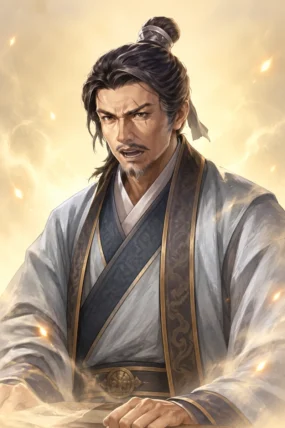
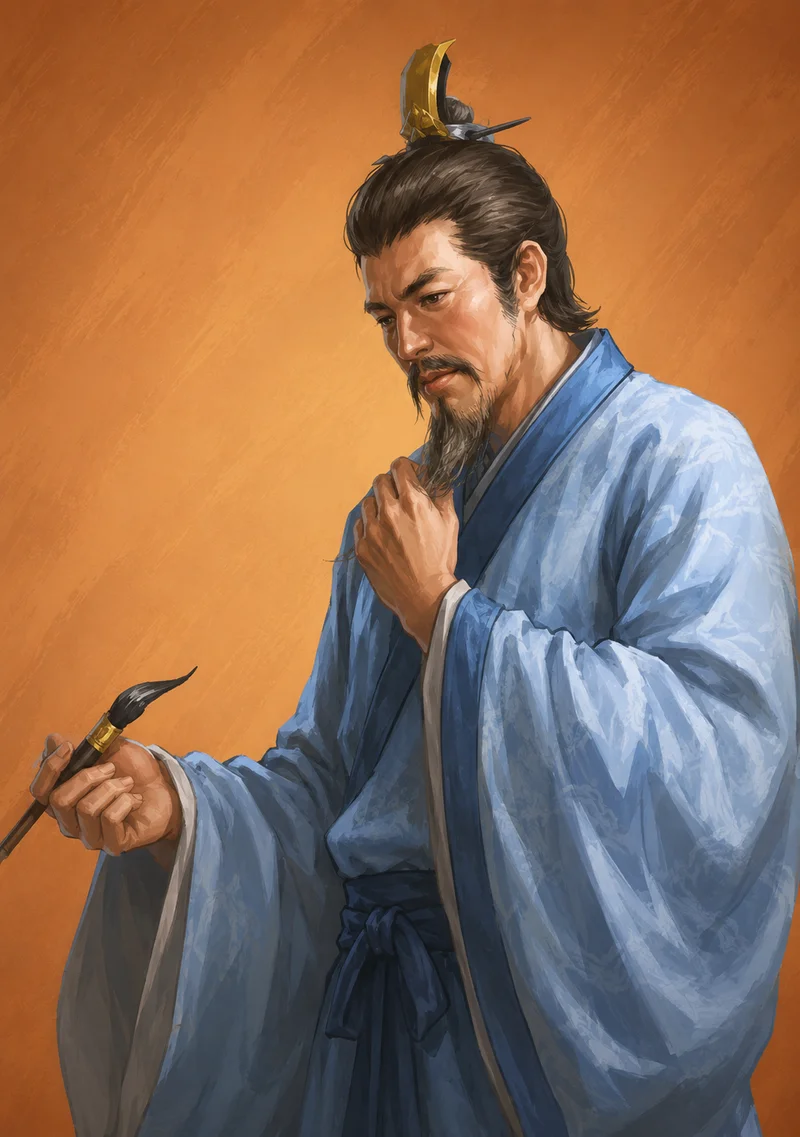
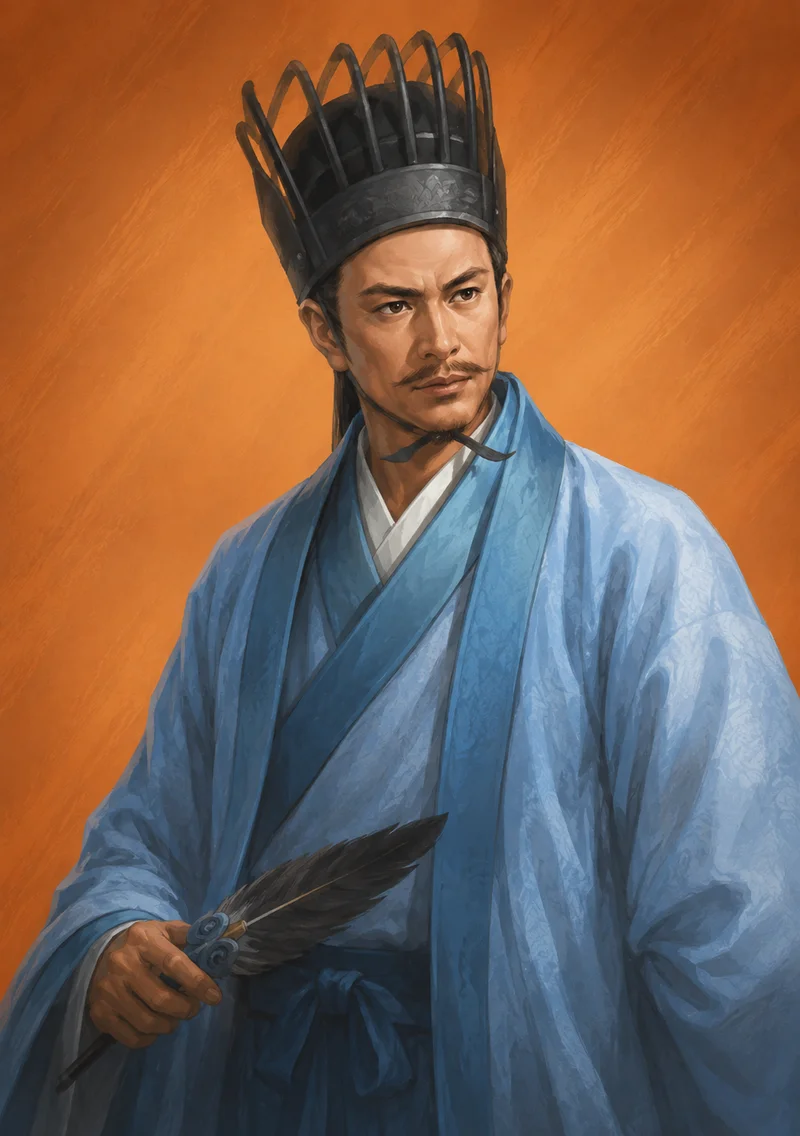
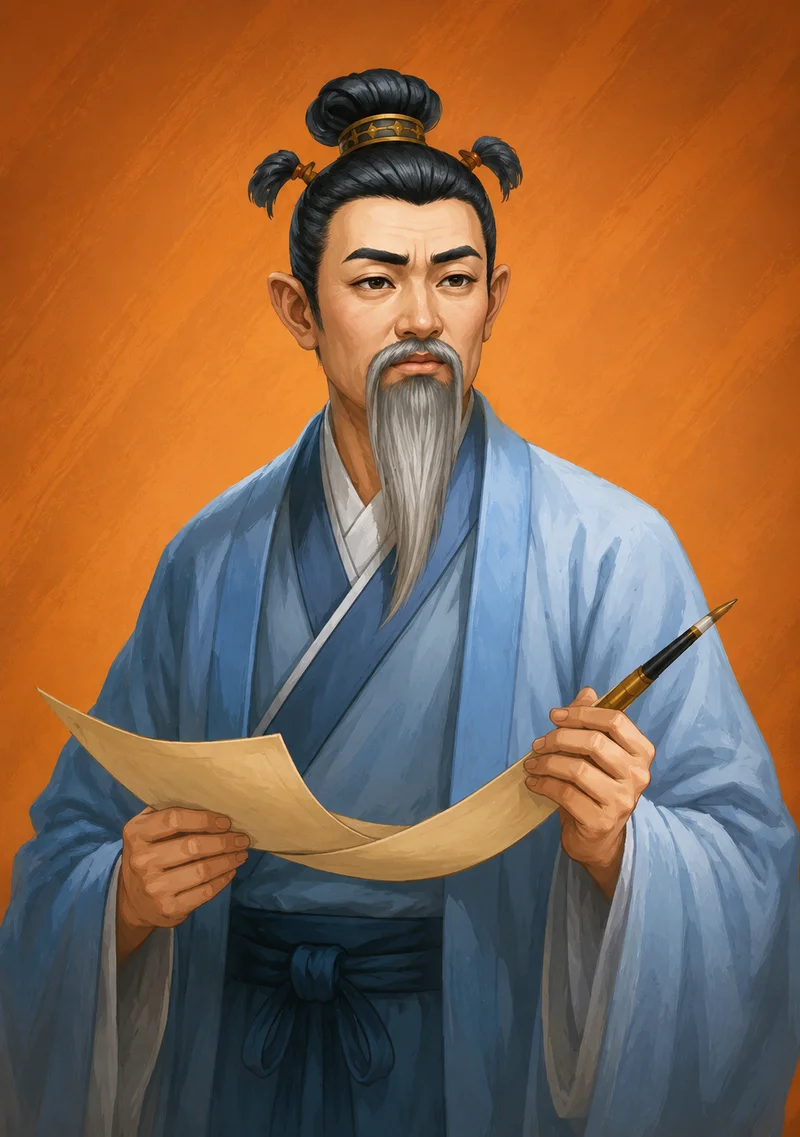
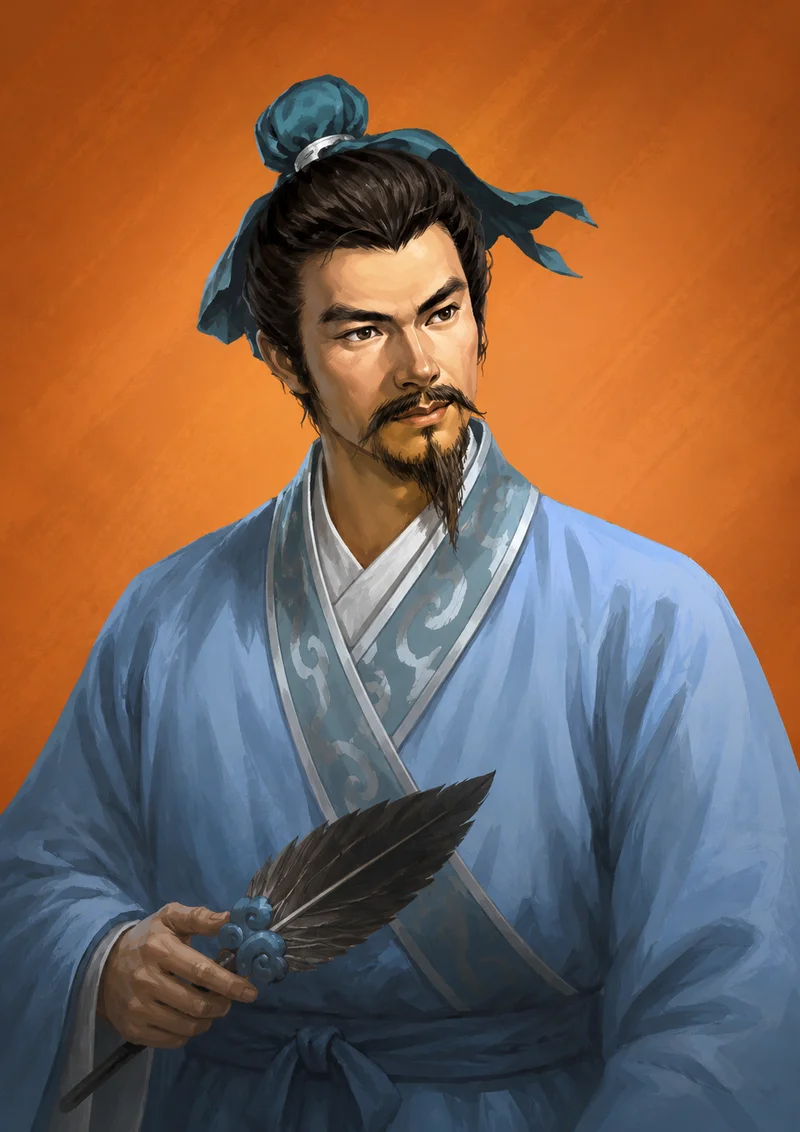
Liu Zhen, courtesy name Gonggan, was a celebrated Eastern Han dynasty poet, scholar, calligrapher, and high-ranking secretarial advisor serving the warlord and Han Chancellor Cao Cao and his heir Cao Pi. Hailing from Dongping County in Dongping Kingdom (modern-day Dongping County, Shandong Province), Liu Zhen was the nephew of Liu Kuan, the Grand Tutor of the Eastern Han dynasty. Acclaimed across China as one of the Seven Scholars of Jian’an (Jian’an Qizi), Liu Zhen was widely revered for his fierce, unyielding pride, his fiery literary passion, and his immortal five-character poetry that embodied the peak of the Jian’an Style. Documented in Chen Shou’s Records of the Three Kingdoms (Sanguozhi – Book of Wei, Biography of Wang Can) and Fan Ye’s Book of Later Han (Hou Han Shu), Liu Zhen is historically famous for his proud demeanor, his intimate intellectual companionship with Cao Pi and Cao Zhi, his legendary punishment of hard labor for daring to gaze directly at Lady Zhen, and his tragic passing during the great plague of 217 AD.
Possessing an innate poetic genius and lofty family heritage, Liu Zhen was recruited into Cao Cao’s imperial administration in the early 200s AD, serving as a secretarial officer in the Chancellor’s Secretariat. When Cao Pi was appointed Five Guan General of the Household (Wuguan Zhonglang Jiang) in preparation for succession, Liu Zhen and Ying Chang were assigned to his household as Literary Officers (Wenbiao). Liu Zhen quickly became Cao Pi’s closest confidant, spending nights feasting, debating philosophy, and composing poetry. Cao Pi held Liu Zhen’s literary talent in immense reverence, famously declaring in his private correspondence that Liu Zhen’s five-character poetry was unrivaled throughout the entire empire under heaven (wuyan shi tianxia dubo), possessing a raw vigor and unyielding spirit that approached the literary heights of Cao Cao and Cao Zhi.
In 211 AD, a dramatic court scandal occurred that nearly cost Liu Zhen his life. During a grand banquet hosted at Cao Pi’s ducal residence, an intoxicated Cao Pi wished to show off his beloved wife, the legendary beauty Lady Zhen (Zhen Ji), before his literary circle. Cao Pi commanded Lady Zhen to step out and greet the assembled scholars and court officials. Overawed by her captivating beauty, all court officials and scholars lowered their heads and prostrated themselves reverently on the floor, not daring to lift their eyes. However, Liu Zhen, filled with haughty pride and literary defiance, brazenly raised his head and stared directly into Lady Zhen’s face without flinching. Outraged by such insolent disrespect toward his daughter-in-law, Chancellor Cao Cao sentenced Liu Zhen to public execution in the marketplace. Owing to desperate pleas and tears from Cao Pi and senior ministers, Cao Cao commuted the death sentence to hard labor, forcing Liu Zhen to break rocks at the mountain quarries outside Ye. Even while enduring harsh penal labor, Liu Zhen maintained an unyielding composure, wielding his hammer and chisel while reciting heroic poetry that echoed through the hills. Moved by his talent and unbending spirit, Cao Cao eventually pardoned him and restored him to a minor secretarial post.
In the twenty-second year of Jian’an (217 AD), a catastrophic plague swept across northern China. Liu Zhen, along with fellow Seven Scholars of Jian’an members Chen Lin, Wang Can, and Ying Chang, contracted the contagion and died in the same tragic year. His untimely passing at the peak of his creative powers left Cao Pi in deep, lifelong grief. Upon ascending the imperial throne as Emperor Wen of Cao Wei, Cao Pi personally compiled Liu Zhen’s surviving poems into the anthology Liu Gonggan Ji, writing a moving imperial preface to honor his late friend’s memory. Liu Zhen’s masterpiece, Gifting My Cousin (Zang Tong Di), which used the mountain pine braving winter blizzards as a metaphor for unyielding moral integrity, remains one of the pinnacle achievements of ancient Chinese poetry, earning his works the highest ‘Upper Grade’ ranking in Zhong Rong’s classic literary critique Shipin.
Role in Romance of the Three Kingdoms
In Luo Guanzhong’s classic historical novel Romance of the Three Kingdoms, Liu Zhen is featured as a revered member of the Seven Scholars of Jian’an serving as a high-ranking secretarial advisor and literary companion to Cao Pi and Cao Cao. Celebrated for his fierce, uncompromising intellect and brilliant poetic style, Liu Zhen represents the proud, erudite gentry scholars whose cultural prestige and literary genius elevated the Cao family’s court at Ye. While the novel focuses heavily on grand military campaigns and political struggles, Liu Zhen’s presence highlights the flowering of classical poetry and the vibrant intellectual circle that surrounded Cao Cao, Cao Pi, and Cao Zhi, standing in literary tradition as a paragon of unyielding artistic integrity.
Liu Zhen (劉楨) — Historical & Literary Timeline
Entry into Imperial Service & Literary Alliance with Cao Pi
Recruited into Cao Cao’s administration as a secretarial officer; appointed Literary Officer under Cao Pi, becoming Cao Pi’s closest literary confidant and praised for his five-character poetry.
Defying Court Etiquette & Pardoned from Execution
Brazenly stares directly at Lady Zhen during a banquet; sentenced to death by an enraged Cao Cao, commuted to hard labor breaking rocks at the mountain quarries before receiving a full pardon.
Composition of Masterpieces & Literary Legacy
Composes famous poetic works including Zang Tong Di (Gifting My Cousin), establishing his reputation as a master of the unyielding Jian’an Style.
Passing in the Great Plague & Imperial Commemoration
Perishes in the great northern plague alongside Chen Lin, Wang Can, and Ying Chang; his works are later compiled and prefaced by Emperor Cao Pi.
For detailed historical records, archives, and official chronicles, explore Liu Zhen on Wikipedia.
Key Relationships
Family
- Liu Kuan (刘宽, Lưu Khoan) — Paternal uncle; a prominent statesman who served as Grand Tutor during the Eastern Han dynasty, establishing Liu Zhen’s prestigious gentry heritage.
Friends
- Cao Pi (曹丕, Tào Phi) — Intimate literary confidant, patron, and protector who considered Liu Zhen his closest companion, pleaded desperately to spare his life in 211 AD, and personally compiled his surviving writings into the anthology Liu Gonggan Ji after his death.
- Cao Zhi (曹植, Tào Thực) — Close intellectual companion and prince of Wei who engaged in poetic exchanges with Liu Zhen and held profound respect for his unyielding literary vigor.
- Ying Chang (应玚, Ứng Xướng) — Fellow member of the Seven Scholars of Jian’an who served alongside Liu Zhen as a literary officer under Cao Pi and perished during the same northern plague in 217 AD.
- Wang Can (王粲, Vương Xán) — Renowned peer among the Seven Scholars of Jian’an who flourished in the Cao family’s literary circle at Ye before dying in the 217 AD epidemic.
- Chen Lin (陈琳, Trần Lâm) — Fellow member of the Seven Scholars of Jian’an who served in Cao Cao’s secretariat and succumbed to the great plague of 217 AD.
- Xu Gan (徐干, Từ Cán) — Fellow poet and philosopher among the Seven Scholars of Jian’an who also died during the 217 AD northern plague.
- Ruan Yu (阮瑀, Nguyễn Vũ) — Respected contemporary and fellow member of the Seven Scholars of Jian’an serving in Cao Cao’s administration.
- Kong Rong (孔融, Khổng Dung) — Venerated elder scholar and fellow member of the Seven Scholars of Jian’an.
Enemies
- No information
Other
- Cao Cao (曹操, Tào Tháo) — Sovereign lord and Han Chancellor who recruited Liu Zhen into his secretariat, sentenced him to death and hard labor for insolence in 211 AD, and eventually pardoned him after being moved by his unbending spirit and literary genius.
- Lady Zhen (甄氏, Chân thị) — Wife of Cao Pi; Liu Zhen’s brazen and defiant direct gaze at her during a private court banquet in 211 AD provoked Cao Cao’s wrath and triggered his penal exile.
Comrades
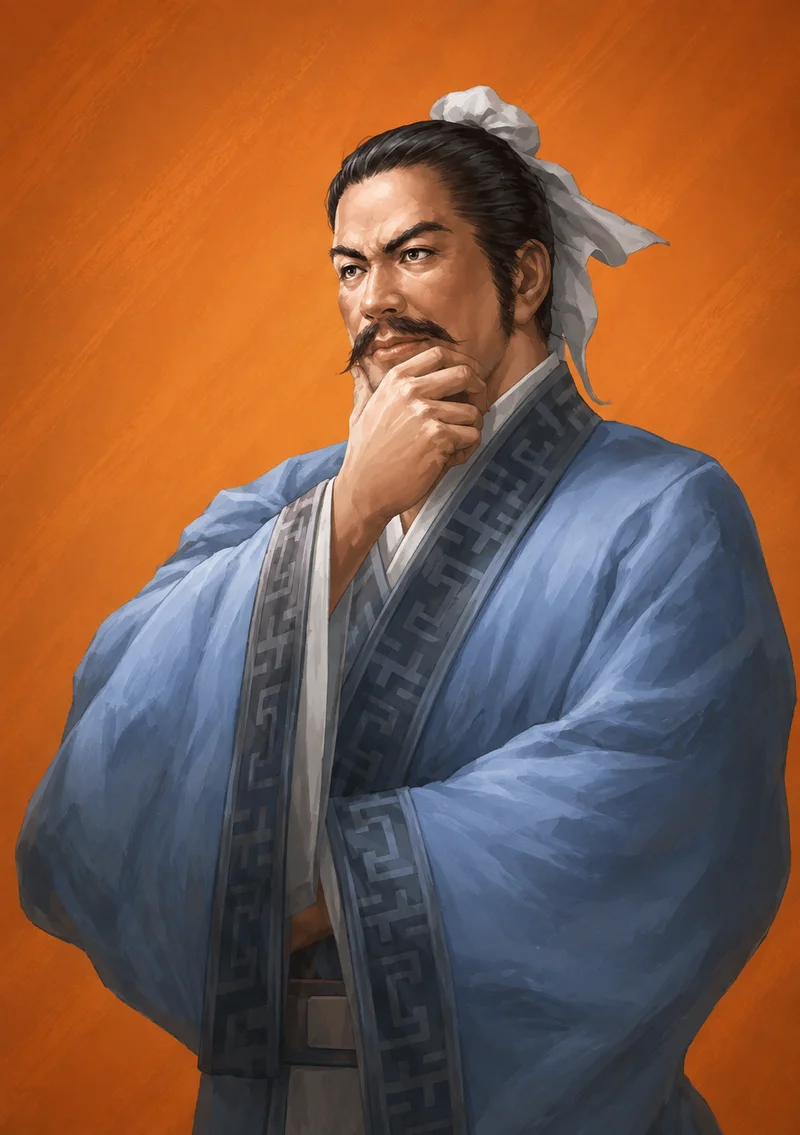
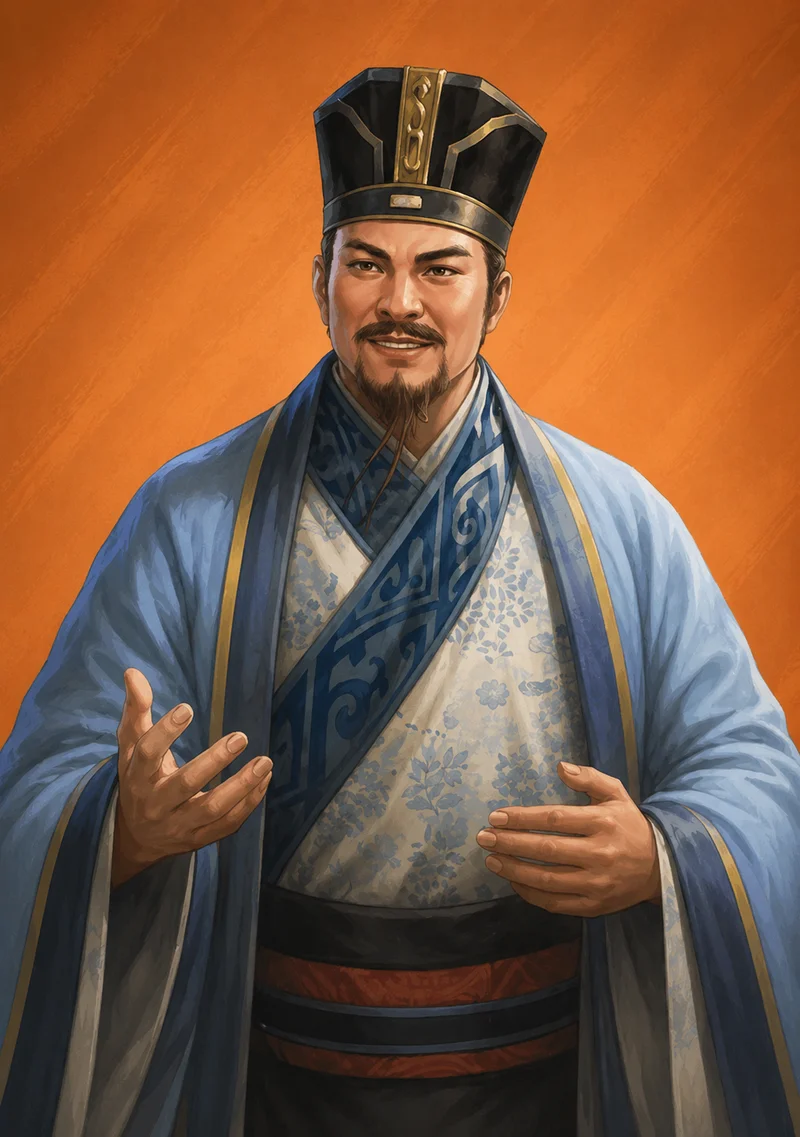
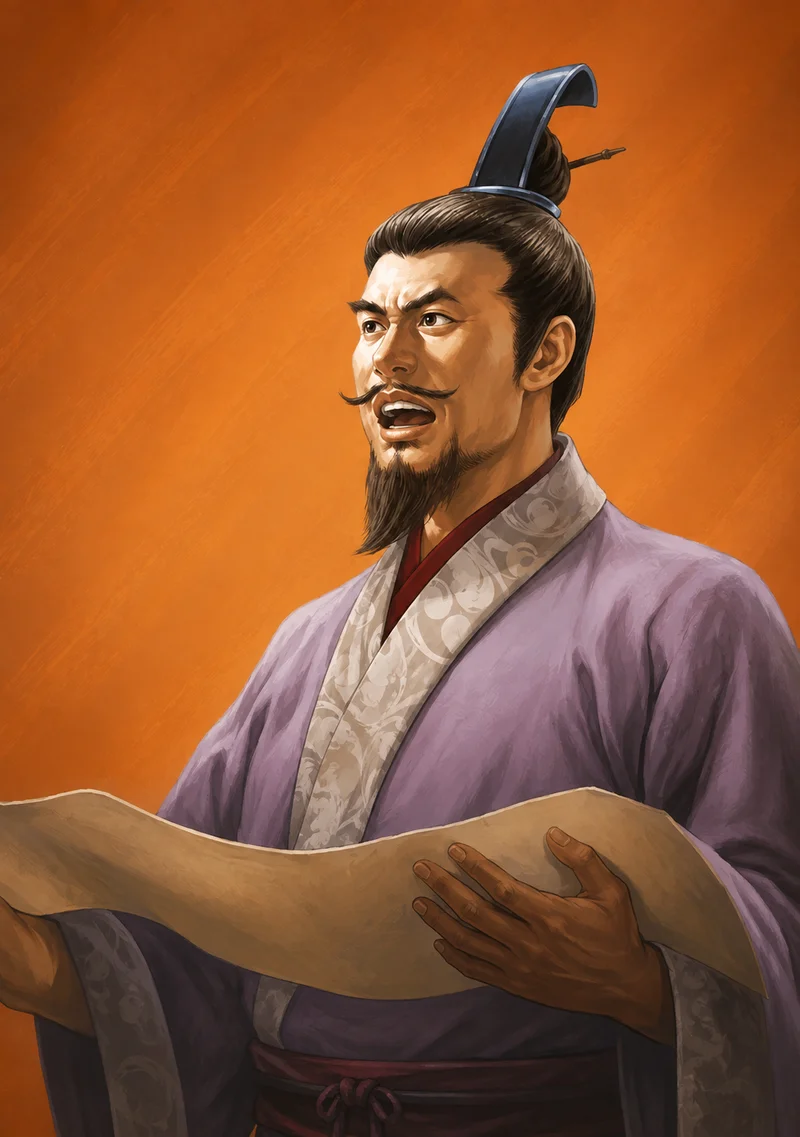
In Novel
Ye Literary Circle & Cao Pi’s Companions
- Liu Zhen (刘桢, Lưu Trinh): The Romance does not consistently name Liu Zhen under 刘桢 in every edition, but he belongs to the Jian’an literary temperament celebrated in scenes of banquets, poetry, and court culture surrounding Cao Pi (曹丕, Tào Phi) and Cao Cao’s sons at Ye. His historical friendship with Cao Pi and bold individuality — including the celebrated Lady Zhen banquet incident punished by rock-breaking labor — embody the Jian’an spirit of personal integrity the novel often conveys through learned advisers rather than battlefield generals.
Pentasyllabic Poetry Legacy
- Liu Zhen (刘桢, Lưu Trinh): Famous for To My Cousin (赠从弟) and pine-tree metaphors — “Wind and frost blow with harsh severity, yet the pine tree stands tall and untamed” — Liu Zhen’s poetry supplied the moral voice of unyielding scholar integrity within the Seven Scholars of Jian’an. He died in the 217 plague alongside Chen Lin, Xu Gan, and Ying Chang.
In History
Summary
- Liu Zhen (刘桢, Lưu Trinh), courtesy name Gonggan (公幹, Công Cán), was a major pentasyllabic poet of the Jian’an period and one of the Seven Scholars of Jian’an grouped by Cao Pi.
Period I — Cao Pi’s Literary Circle
- Liu Zhen (刘桢, Lưu Trinh) was a close companion of Cao Pi (曹丕, Tào Phi) at Ye. He was punished with hard labor for staring at Lady Zhen during a banquet but was later restored to minor office.
Year: 217 AD
- Liu Zhen (刘桢, Lưu Trinh) died in the great epidemic of 217 together with Chen Lin, Xu Gan, and Ying Chang — a collective tragedy for the Jian’an literary generation.
Historical Record
- Liu Zhen (刘桢, Lưu Trinh) is documented in Sanguozhi and literary anthologies of Jian’an poetry. His To My Cousin cycle remains a classic expression of moral fortitude.
2 comments
[…] China. Xu Gan, alongside fellow Seven Scholars of Jian’an members Chen Lin, Wang Can, Liu Zhen, and Ying Chang, contracted the contagion and died in the same tragic year at forty-six years of […]
[…] Liu Zhen (刘桢, Lưu Trinh): Fellow member of the Seven Scholars of Jian’an renowned for his poetic craft in the Wei court. […]