
Contents
Literary Character, Political Realities, and the Vigorous Spirit of Ye
In the long river of Chinese literary history, the Jian’an era (196–220 AD) during the reign of Emperor Xian of Han (Liu Xie / 刘协 / Lưu Hiệp) stands as a monumental watershed. Though a period of catastrophic warfare, social upheaval, and the fragmentation of the Eastern Han Dynasty, it was simultaneously an explosive golden age for human intellect, poetic self-awareness, and literary creation.
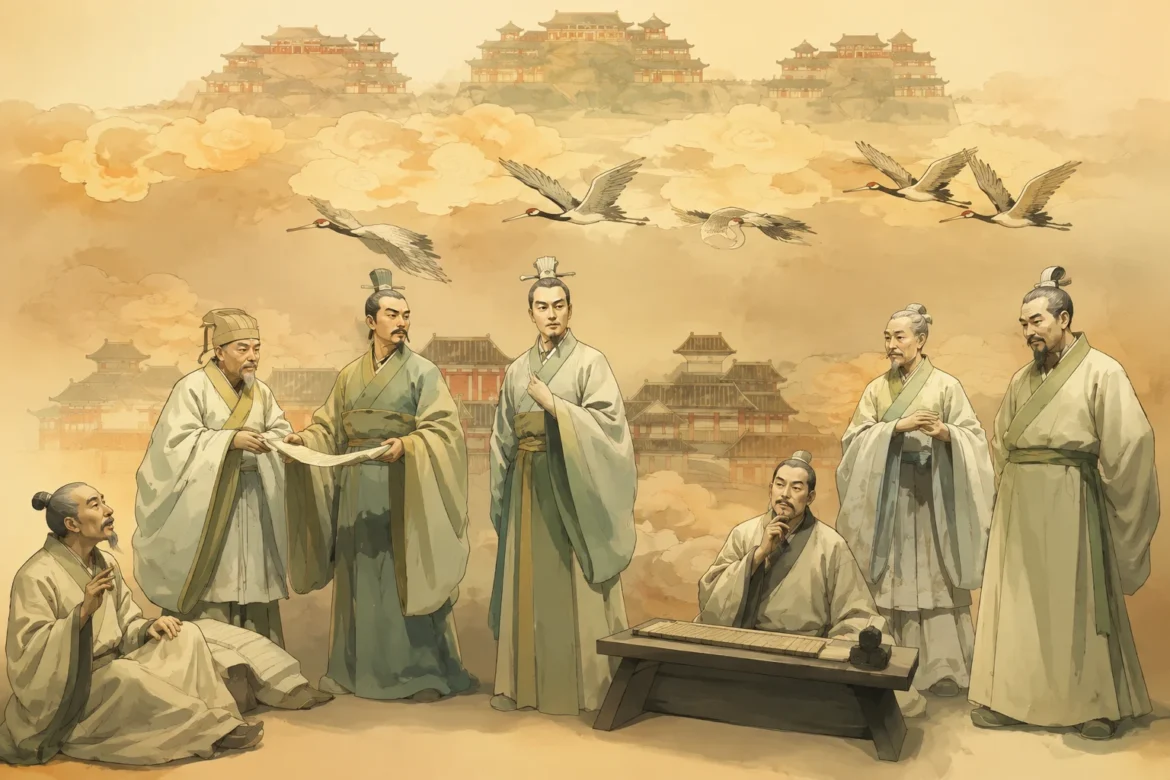
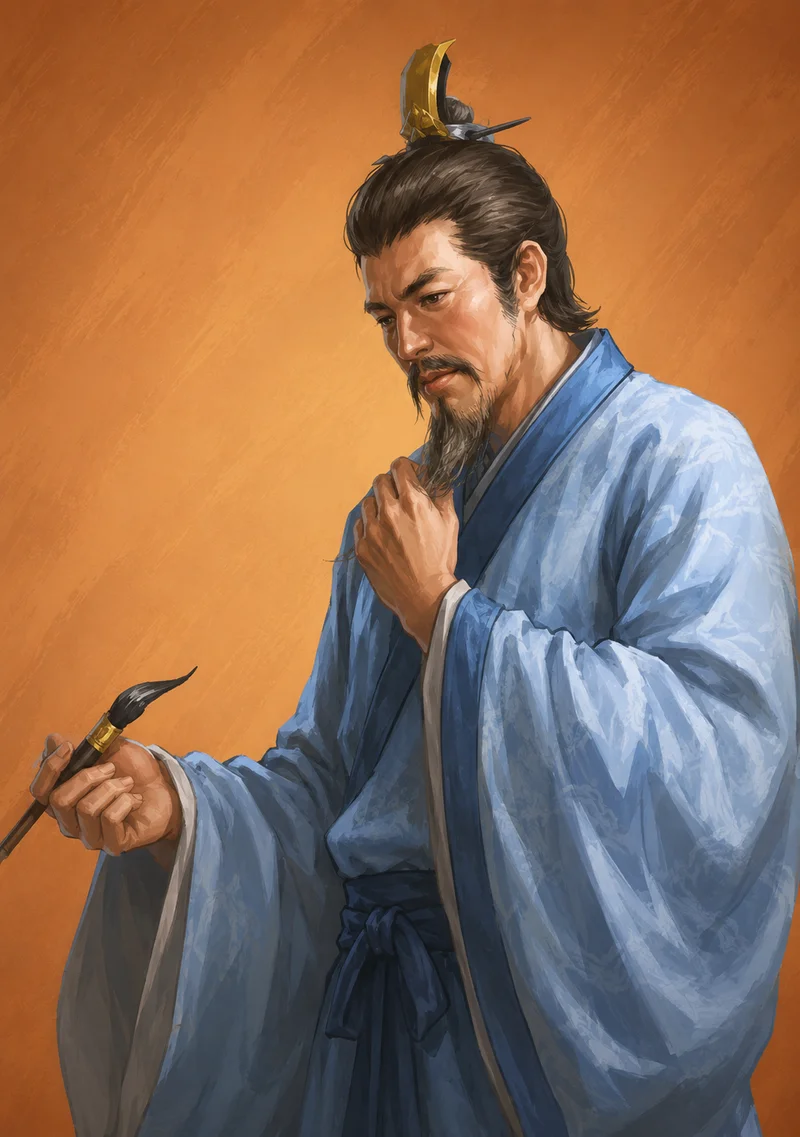
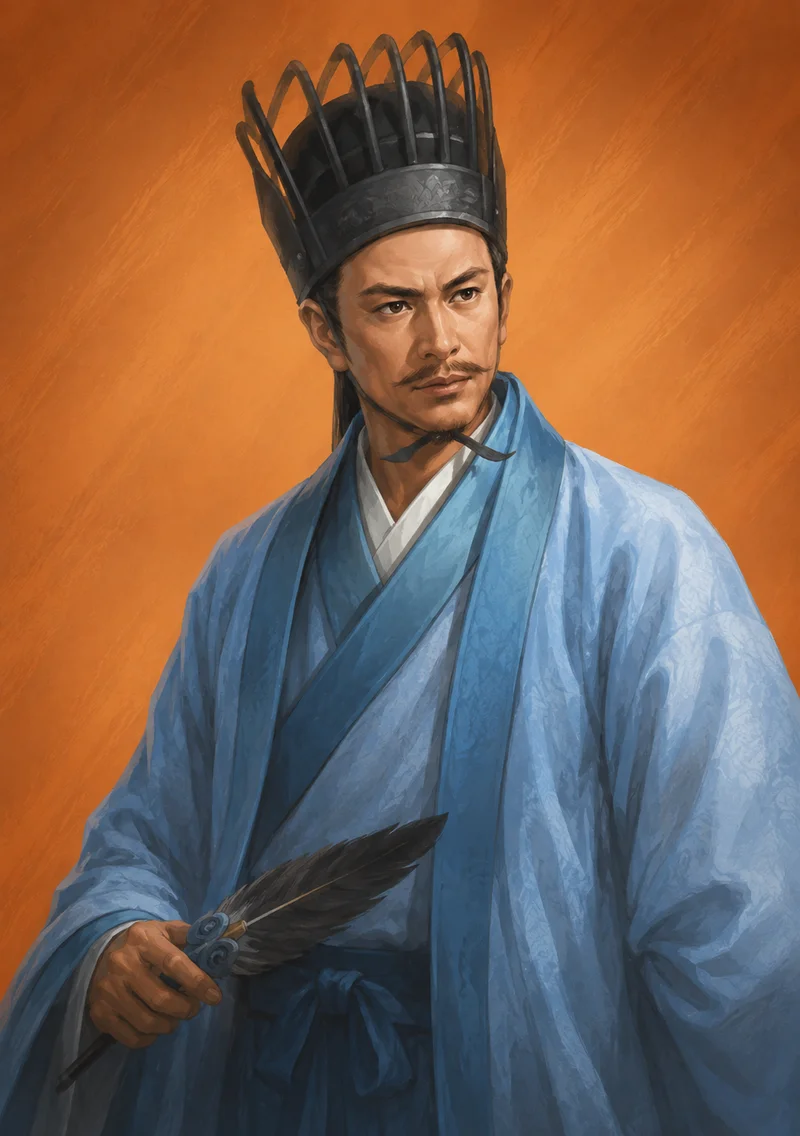
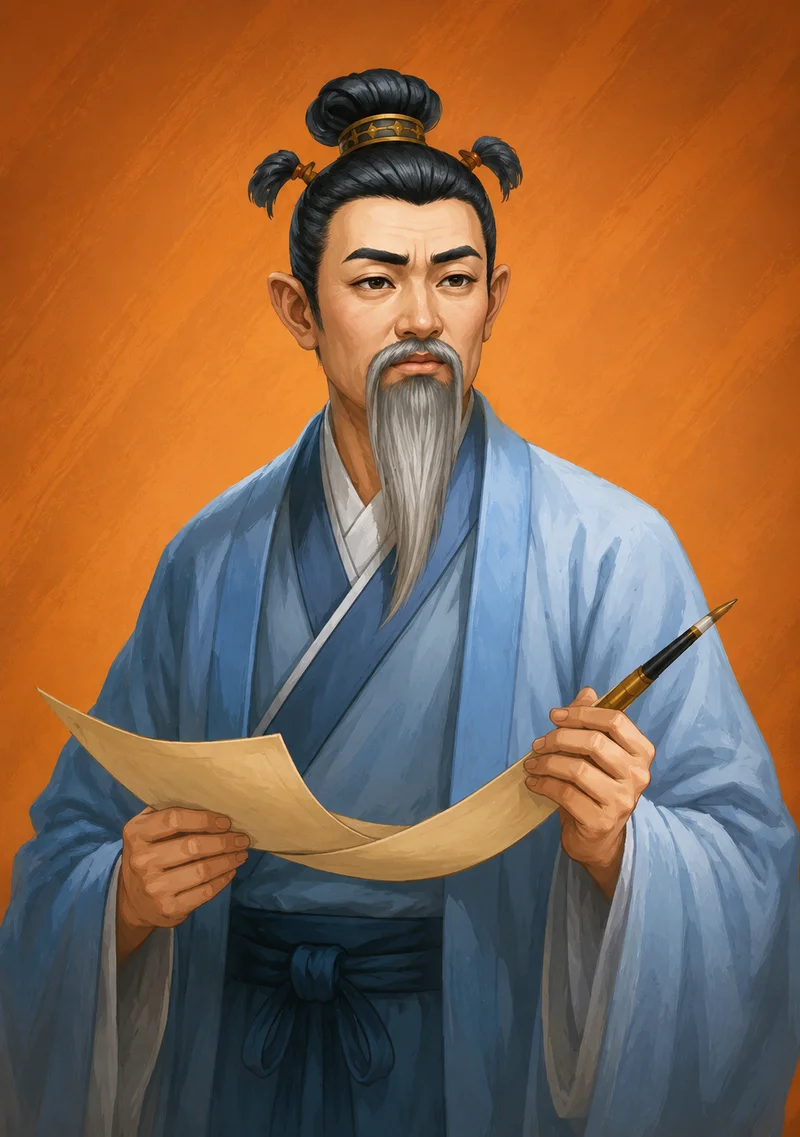
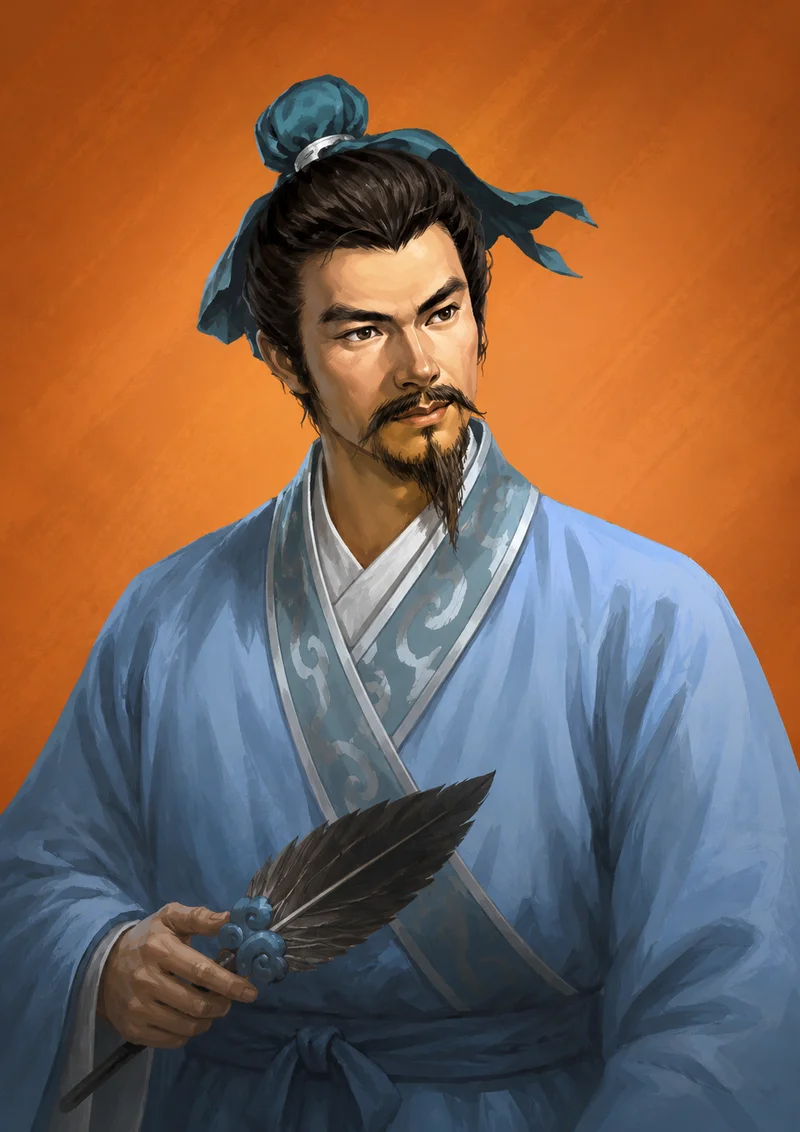
At the absolute center of this cultural renaissance were The Seven Scholars of Jian’an (建安七子 / Jiān’ān Qī Zǐ / Kiến An Thất Tử)—also known historically as the Seven Masters of Ye (邺下七子 / Yè Xià Qī Zǐ / Nghiệp Hạ Thất Tử). Alongside the three rulers of the Cao family—Cao Cao (曹操, Tào Tháo), Cao Pi (曹丕 / Tào Phi), and Cao Zhi (曹植 / Tào Thực) (collectively known as the Three Caos / 三曹)—these seven men forged the immortal literary aesthetic known as “Jian’an Character” (Jiān’ān Fēng Gǔ / 建安风骨 / Kiến An phong cốt): heroic, tragic, intensely authentic, and deeply burdened with a passion for national order and human emotion.
1. Origin, Nomenclature, and Cultural Context
The Coining of the Title
The collective designation “Seven Scholars of Jian’an” was formally coined by Cao Pi (曹丕 / Tào Phi) (later Emperor Wen of Wei) in his seminal work of literary criticism, A Discourse on Literature (Diǎn Lùn: Lùn Wén / 典论·论文 / Điển luận – Văn chương thiên):
“Among the writers of today are Kong Rong (孔融, Khổng Dung) of Lu, styled Wenju (文举, Văn Cử); Chen Lin (陈琳, Trần Lâm) of Guangling, styled Kongzhang (孔璋, Khổng Chương); Wang Can (王粲, Vương Xán) of Shanyang, styled Zhongxuan (仲宣, Trọng Tuyên); Xu Gan (徐干, Từ Cán) of Beihai, styled Weichang (伟长, Vĩ Trưởng); Ruan Yu (阮瑀, Nguyễn Vũ) of Chenliu, styled Yuanyu (元瑜, Nguyên Du); Ying Chang (应玚, Ứng Sướng) of Runan, styled Delian (德琏, Đức Liên); and Liu Zhen (刘桢, Lưu Trinh) of Dongping, styled Gonggan (公幹, Công Cán). These seven masters leave no learning unexplored and borrow nothing from others in their writing. Each, like a fine steed, gallops a thousand li, raising their hooves in unison and racing side by side.”
The “Literary Boy Band” of Ye
Unlike previous eras where scholars worked in isolation, six of these seven writers (excluding Kong Rong) eventually converged at the imperial Wei capital of Yecheng (邺城 / Nghiệp Thành / present-day Linzhang County, Hebei). Under the generous patronage of Cao Cao (曹操, Tào Tháo) and the personal camaraderie of Cao Pi (曹丕, Tào Phi) and Cao Zhi (曹植, Tào Thực), they formed a vibrant literary circle—often lightheartedly referred to in modern media as the “literary boy band” of the Three Kingdoms. They traveled together in linked carriages, shared banquets, composed poems on the same themes, and engaged in passionate intellectual debates.
The Revival of the Literary Spirit
During the earlier Han Dynasty, literature was heavily subordinated to orthodox Confucian classical scholarship (Jīng Xué / 经学), valued primarily for moral instruction and court etiquette. The Jian’an era marked a profound historical shift: scholars gained an acute recognition of literature’s intrinsic aesthetic value and individual emotional voice. Writers began consciously using poetry and prose to express personal grief, political ambitions, and deep existential reflection—a phenomenon modern literary historians describe as the “revival of the literary spirit.”
2. Exhaustive Profiles of the Seven Scholars
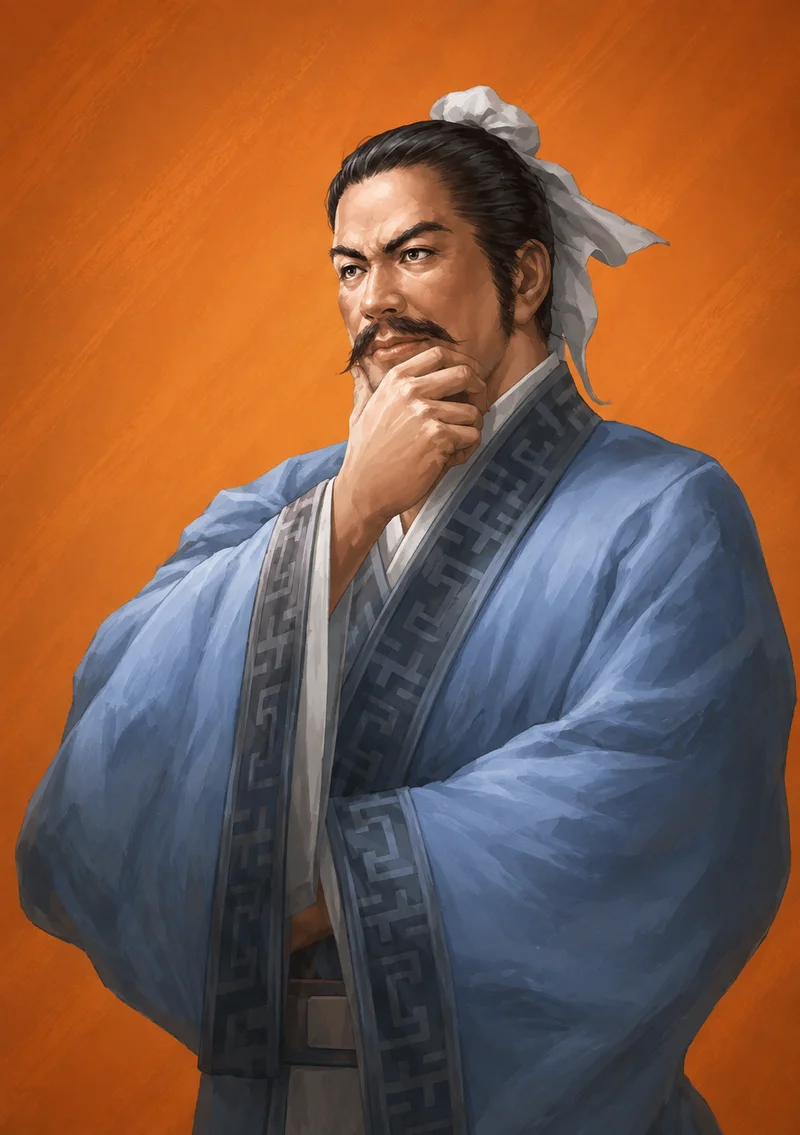
1. Wang Can (王粲, Vương Xán)
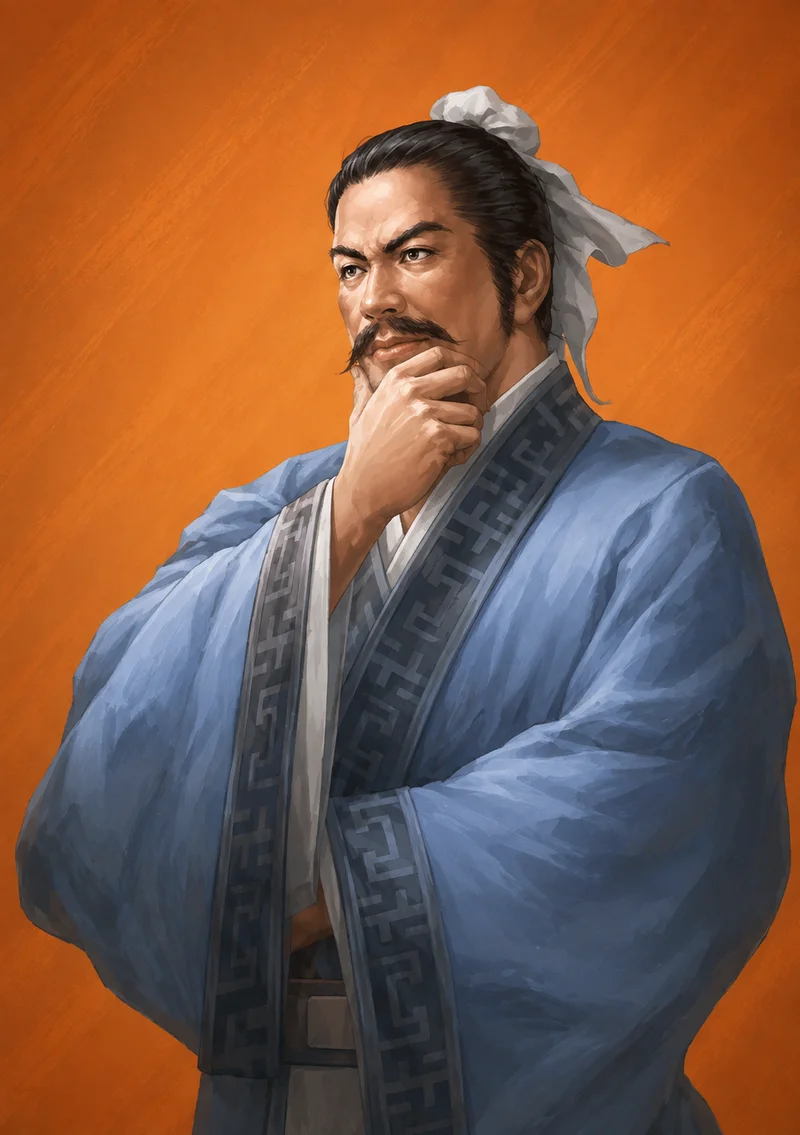
Wang Can – 王粲 – Vương Xán
-
Courtesy Name: Zhongxuan (仲宣 / Trọng Tuyên; historically recorded in some texts as Zisi) | Lifespan: 177–217 CE
-
Ancestry & Origin: Gaoping, Shanyang (present-day Weishan County, Shandong Province).
-
Literary Status: Universally acclaimed by both Cao Pi and later critics like Liu Xie (author of The Literary Mind and the Carving of Dragons) as the crown of the Seven Scholars (Qī Zǐ Zhī Guān / 七子之冠).
-
Detailed Life: Born into an elite family (his father was Chief Clerk to Grand General He Jin (何进, Hà Tiến)), he accompanied the court west to Chang’an during Dong Zhuo’s forced relocation in 190 CE. There, the legendary elder scholar Cai Yong (蔡邕, Thái Ung) met young Wang Can, recognized his genius, and famously ran out barefoot to greet him. Due to ongoing chaos in the Guanzhong region, Wang Can fled south in 192 CE to seek refuge under Liu Biao (刘表, Lưu Biểu) in Jing Province. He lived as a frustrated guest for over 16 years, unappreciated due to his short stature, hunchbacked appearance, and unconventional demeanor. In 208 CE, following Liu Biao’s death, Wang Can persuaded Liu Biao’s heir, Liu Zong, to surrender to Cao Cao. Cao Cao rewarded him immensely, making him a Palace Attendant (Shí Zhōng) and granting him a marquisate. In 217 CE, while returning north from Cao Cao’s campaign against Sun Quan, he fell ill and died at age 41.
-
Masterpieces: The poem Seven Laments (Qī Aī Shī / 七哀诗) and the masterpiece rhapsody Rhapsody on Ascending the Tower (Dēng Lóu Fù / 登楼赋).
-
Literary Impact: Wang Can’s Seven Laments contains some of the most haunting realistic imagery in Chinese poetry:
“Going out the gate, I see nothing but white bones covering the plain. On the road, a starving woman abandons her child in the grass…”
His works seamlessly blended personal displacement with the tragic reality of an empire in ruins.
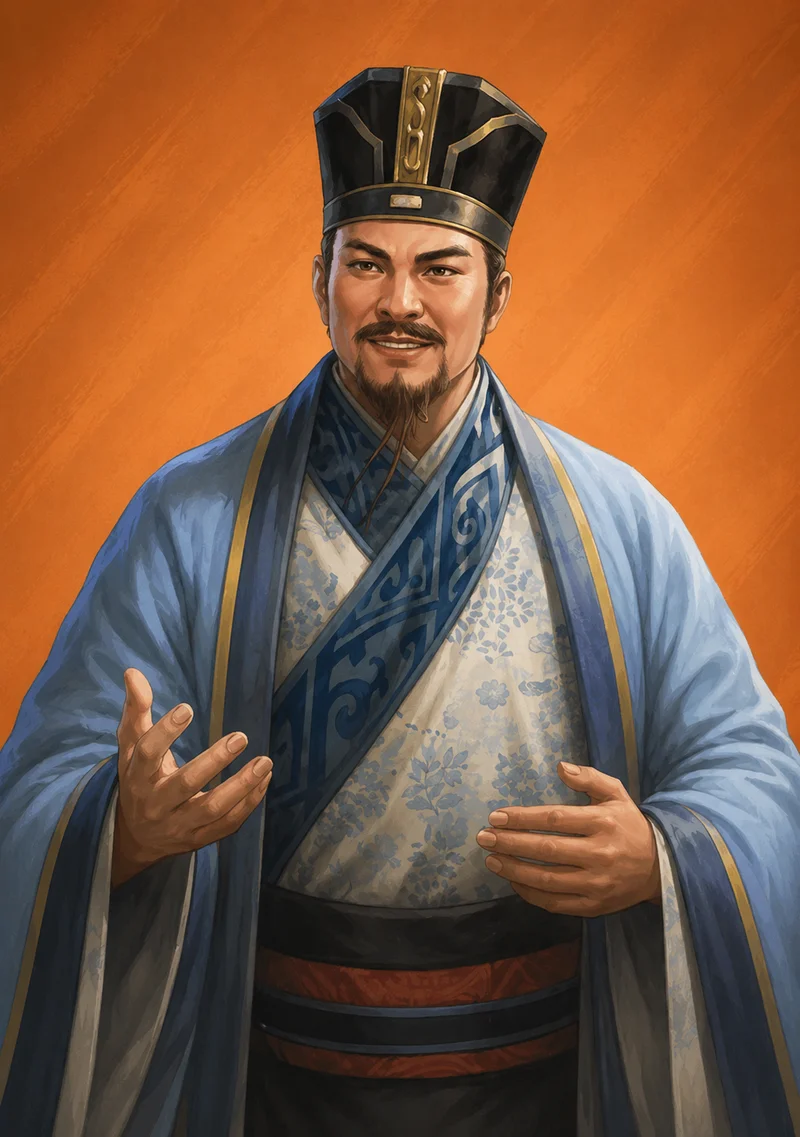
2. Kong Rong (孔融, Khổng Dung)
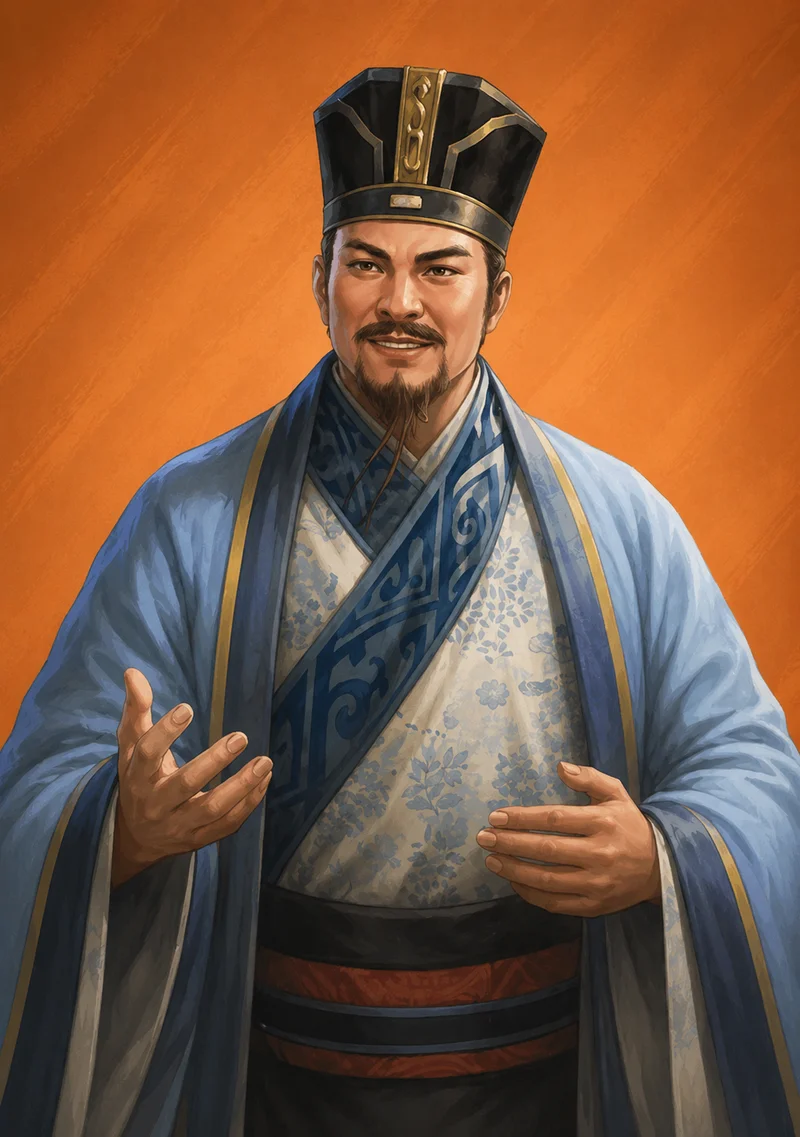
Kong Rong – 孔融 – Khổng Dung
-
Courtesy Name: Wenju (文举 / Văn Cử) | Lifespan: 153–208 CE
-
Ancestry & Origin: Qufu, State of Lu (present-day Qufu, Shandong Province).
-
Literary Status: A 20th-generation direct descendant of Confucius (孔子), he was the eldest, politically most prominent, and most fiercely independent of the Seven.
-
Detailed Life: Famous from childhood through the moral tale “Kong Rong Yielding Pears” (Kǒng Róng Ràng Lí / 孔融让梨), he served as Northern Army Guard, Chancellor of Beihai (Kǒng Běi Hǎi), and later Minister of Finance (Shào Fǔ) under the Han court. During his six years in Beihai, he rebuilt city walls, founded academies, and championed Confucian learning. However, after returning to court, his fierce loyalty to the Han Dynasty put him in direct ideological conflict with Cao Cao. A lover of banquets and intellectual debate, Kong Rong frequently submitted satirical, razor-sharp memorials mocking Cao Cao’s policies (such as Cao Cao’s prohibition on alcohol and political centralization).
-
Tragic Fate: In 208 CE, Cao Cao lost patience with Kong Rong’s biting opposition and executed him along with his entire family on charges of “disrespecting the court and spreading political factionalism.” Despite his execution, Cao Pi held Kong Rong’s writing in such high regard that he later offered substantial monetary rewards across the empire to collect and preserve Kong Rong’s surviving manuscripts.
-
Masterpieces: Memorial Recommending Mi Heng (祢衡, Nhĩ Hành) (Jiàn Mǐ Héng Shū / 荐祢衡表) and his satirical letters to Cao Cao.
-
Literary Impact: Known for sharp, concise, and fearless prose that Cao Pi praised as being on par with classical masters Yang Xiong (扬雄, Dương Hùng) and Ban Gu.
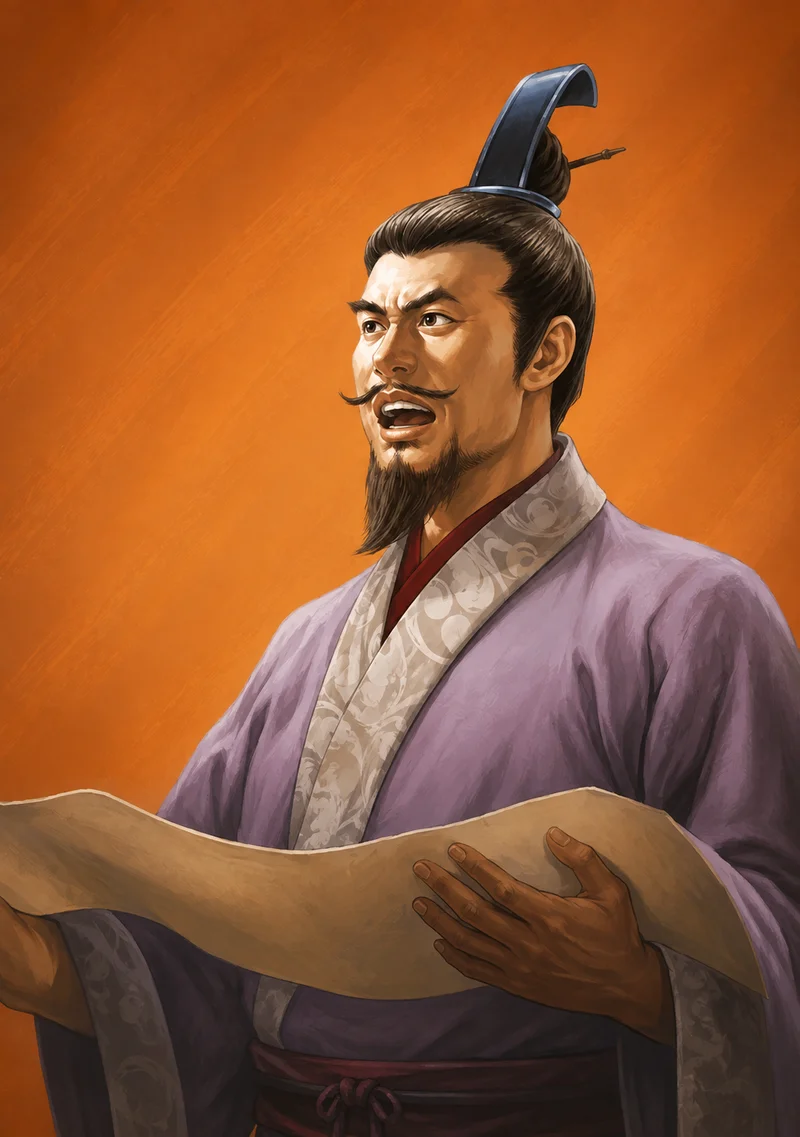
3. Chen Lin (陈琳, Trần Lâm)
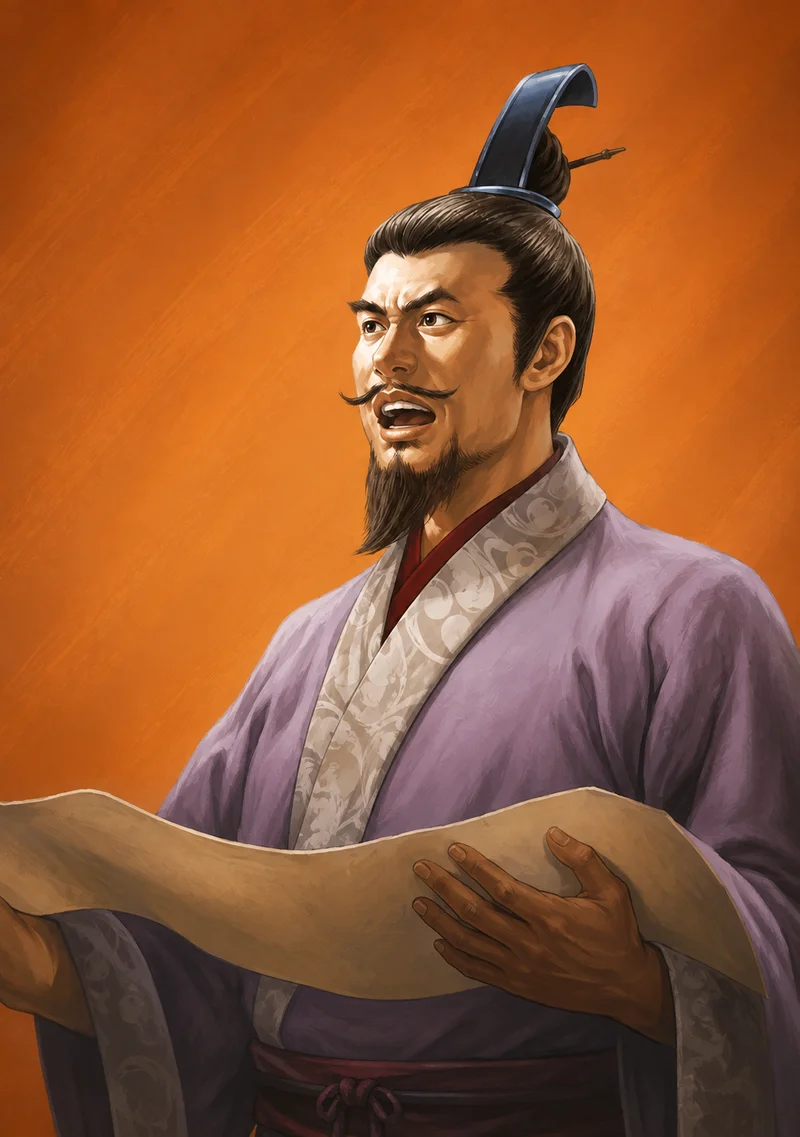
Chen Lin – 陈琳 – Trần Lâm
-
Courtesy Name: Kongzhang (孔璋 / Khổng Chương) | Lifespan: ?–217 CE
-
Ancestry & Origin: Sheyang, Guangling (present-day Baoying, Jiangsu Province).
-
Literary Status: A master of military proclamations (Xī / 檄) and official state correspondence.
-
Detailed Life: Older than most of the Seven (roughly contemporary in age with Kong Rong), Chen Lin originally served as Registrar to Grand General He Jin (何进, Hà Tiến) in Luoyang. He strongly advised He Jin against summoning provincial warlords to the capital—a warning He Jin ignored, resulting in his assassination. Chen Lin fled to Ji Province and entered the service of Yuan Shao (袁绍, Viên Thiệu). Prior to the Battle of Guandu (200 CE), Chen Lin penned the infamous Proclamation to Move to Yuzhou (Wèi Yuán Shào Xī Yù Zhōu Wén / 为袁绍檄豫州文), a blistering public condemnation that attacked not only Cao Cao’s political legitimacy but also insulted his father and grandfather.
-
Famous Anecdote: Cao Cao suffered from crippling migraines (Tóu Fēng / 头风). While lying bedridden, a secretary read Chen Lin’s scathing proclamation aloud. The sheer shock and intellectual power of the document caused Cao Cao to break into a cold sweat, instantly curing his headache! After Yuan Shao’s defeat, Chen Lin was captured. Admiring his talent, Cao Cao pardoned him, appointing him as Army Consultant and placing him alongside Ruan Yu to manage official archives and military dispatches. He died in the great plague of 217 CE.
-
Masterpieces: Proclamation to Move to Yuzhou and the pentasyllabic narrative poem Watering Horses at the Great Wall Spring (Yǐn Mǎ Cháng Chéng Kū Xíng / 饮马长城窟行).
-
Literary Impact: Celebrated for energetic, forceful prose filled with rhetorical power and parallel phrasing (Piān Wén) that paved the way for Six Dynasties prose styles.
4. Ruan Yu (阮瑀, Nguyễn Vũ)
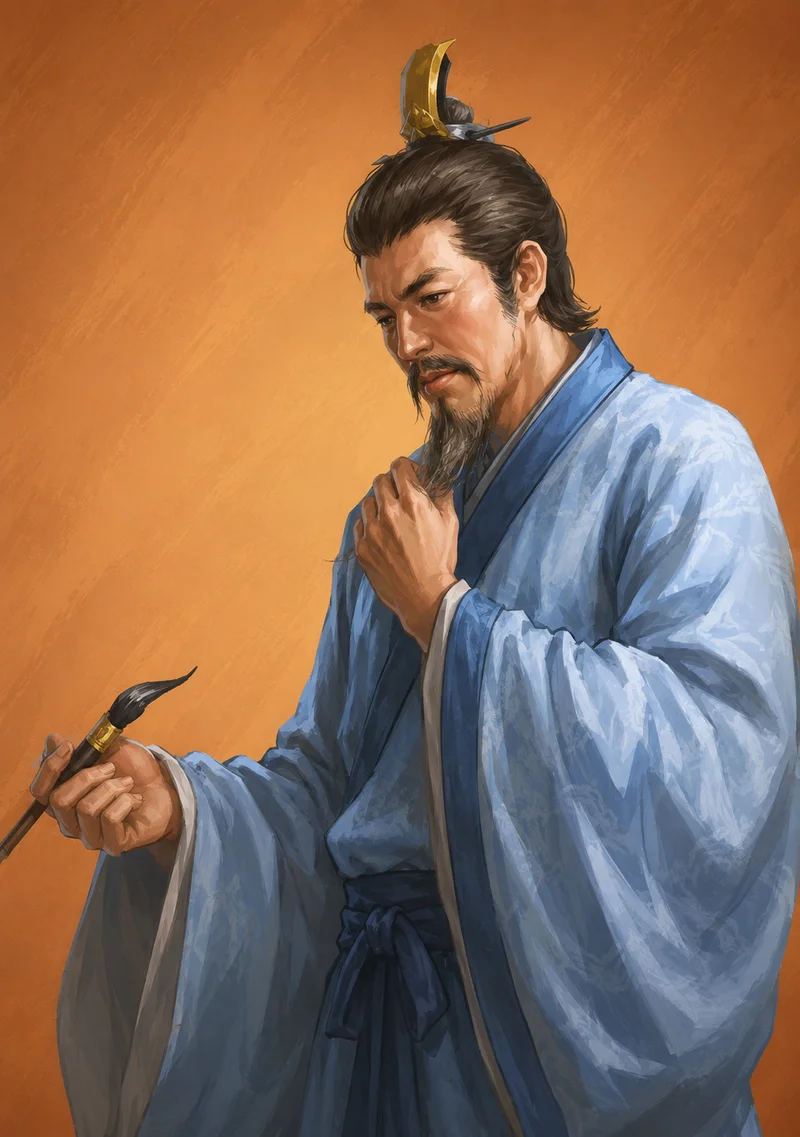
Ruan Yu – 阮瑀 – Nguyễn Vũ
-
Courtesy Name: Yuanyu (元瑜 / Nguyên Du) | Lifespan: c. 165–212 CE
-
Ancestry & Origin: Weishi, Chenliu (present-day Weishi County, Henan Province).
-
Literary Status: Chief military secretary to Cao Cao, renowned for his speed, musical genius, and elegant prose.
-
Detailed Life: Studied under the great Han scholar Cai Yong, who recognized him as a “rare talent.” Reclusive by nature, he initially fled into the mountains to avoid political appointments, but eventually joined Cao Cao’s administration early in the Jian’an era. He served as a Clerk in the Granary Section and became Cao Cao’s primary drafter of state reports, petitions, and diplomatic letters. He passed away in 212 CE, five years before the great plague.
-
Legacy & Lineage: Ruan Yu possessed extraordinary musical cultivation. His son, Ruan Ji (阮籍), and grandson, Ruan Xian (阮咸), both inherited his musical genius and went on to become celebrated members of the Seven Sages of the Bamboo Grove (竹林七贤) during the Jin Dynasty.
-
Famous Anecdote: On one campaign, Cao Cao needed an urgent diplomatic letter composed while mounted on horseback. Ruan Yu drafted the entire complex document on horseback on the spot, handing it to Cao Cao, who tried to edit it but found not a single word could be improved.
-
Masterpieces: Letter to Sun Quan on Behalf of Lord Cao (Wèi Cáo Gōng Yǔ Sūn Quán Shū / 为曹公与孙权书) and the poem Driving Out of the North Gate (Jìng Chū Běi Mén Xíng / 驾出北门行).
5. Liu Zhen (刘桢, Lưu Trinh)
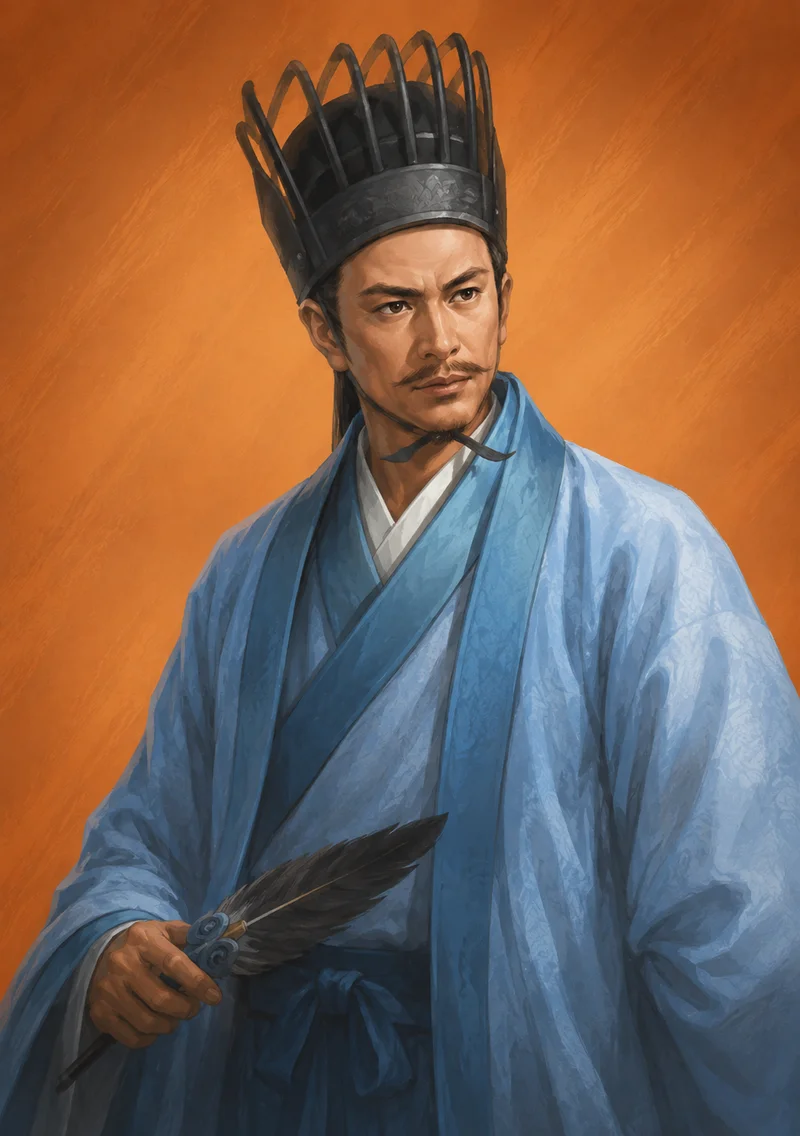
Liu Zhen – 刘桢 – Lưu Trinh
-
Courtesy Name: Gonggan (公干 / Công Cán) | Lifespan: ?–217 CE
-
Ancestry & Origin: Ningyang, Dongping (present-day Ningyang County, Shandong Province).
-
Literary Status: Celebrated for pentasyllabic poetry marked by lofty vigor, moral firmness, and unbending individual character.
-
Detailed Life: Highly erudite from youth, he was a close personal companion of Cao Pi. However, he was once sentenced to hard labor breaking rocks due to an act of alleged disrespect (Kún Fú): during a banquet where Cao Pi invited his literary circle to meet his wife, Lady Zhen (甄氏), most scholars humbly bowed their heads, but Liu Zhen stared directly at her face. Cao Cao was enraged and initially ordered his execution, but commuted the sentence to hard labor. He was later restored to a minor secretarial post before dying in the plague of 217 CE.
-
Masterpieces: The poem cycle To My Cousin (Zèng Cóng Dì / 赠从弟), consisting of three pentasyllabic poems.
-
Literary Impact: Liu Zhen used striking nature metaphors—such as pine trees enduring sub-zero mountain winds—to symbolize the unyielding integrity of a righteous scholar:
“Wind and frost blow with harsh severity, yet the pine tree stands tall and untamed…”
6. Xu Gan (徐干, Từ Cán)
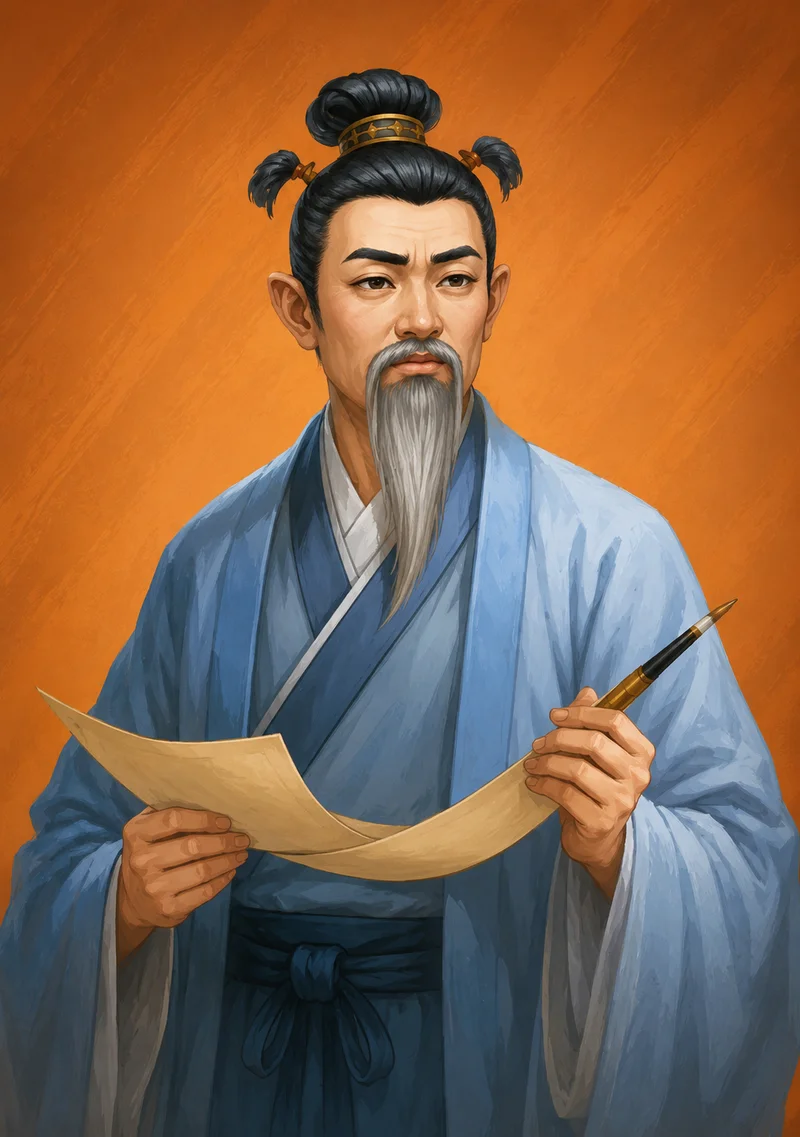
Xu Gan – 徐干 – Từ Cán
-
Courtesy Name: Weichang (伟长 / Vĩ Trưởng) | Lifespan: 171–217 CE
-
Ancestry & Origin: Ju County, Beihai (present-day Shouguang / Weifang, Shandong Province).
-
Literary Status: A profound philosopher, ethical theorist, and delicate poet.
-
Detailed Life: In his youth during the turbulent reign of Emperor Ling, while scions of wealthy families formed political cliques to vie for court influence, Xu Gan lived quietly in impoverished alleys, devoting himself strictly to classical studies. Cao Cao summoned him early in the Jian’an era to serve as a clerical officer. He resigned several times due to poor health, receiving special commendation edicts from Cao Cao for his modesty. He declined further administrative appointments (such as Magistrate of Shang’ai) to focus entirely on writing. He contracted the plague and died in 217 CE.
-
Masterpieces: The treatise Discourses on the Mean (Zhōng Lùn / 中论) and the delicate love poem Chamber Thoughts (Shì Sī / 室思).
-
Literary Impact: Cao Pi praised Discourses on the Mean as a masterpiece that “establishes a school of its own, elegant and classical, worthy of being handed down to posterity.” His poetry was praised for its refined, gentle, and deeply felt emotional nuance.
7. Ying Chang (应玚, Ứng Sướng)
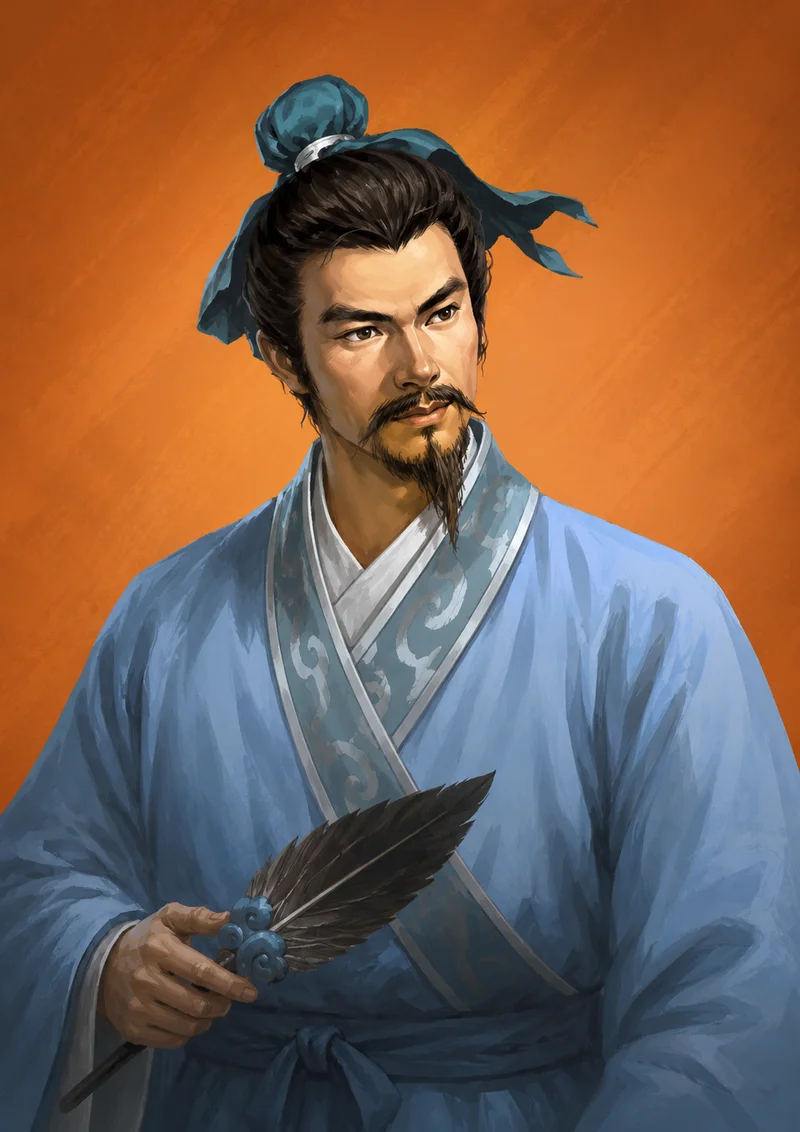
Ying Chang – 应玚 – Ứng Sướng
-
Courtesy Name: Delian (德练 / Đức Luyện) | Lifespan: 177–217 CE
-
Ancestry & Origin: Nandun, Runan (present-day Xiangcheng City, Henan Province).
-
Literary Status: A master of court rhapsodies (Fu) and harmonious ritual poetry.
-
Detailed Life: Hailed from a distinguished scholarly family in Runan (elder brother of the writer Ying Qu). Initially appointed as a Clerk in the Chancellor’s office under Cao Cao, he was later transferred to serve as Tutor to Cao Zhi (then Marquis of Pingyuan). When Cao Pi served as General of the Center, Ying Chang joined his headquarters as a literary officer responsible for collating texts. He authored dozens of rhapsodies and poems before succumbing to the epidemic of 217 CE.
-
Masterpieces: Poem on Attending a Gathering at the Jianzhang Palace with the General of the Center (Cóng Wǔ Zhōng Láng Jiāng Jiàn Zhāng Gōng Jí Shī / 从五官中郎将建章宫集诗).
-
Literary Impact: Recognized for a style that was harmonious, composed, richly adorned, and deeply steeped in imperial court etiquette and classical ethics.
3. Comparative Summary Table
| No. | Name | Courtesy Name | Native Origin | Primary Specialty | Key Works & Famous Anecdotes | Final Fate |
| 1 |
(王粲 / Vương Xán) |
Zhongxuan (仲宣) |
Shanyang | Poetry & Rhapsodies (Fu) | Rhapsody on Ascending the Tower, Seven Laments; Greeted barefoot by Cai Yong | Died of illness (217 CE) |
| 2 |
(孔融 / Khổng Dung) |
Wenju (文举) |
State of Lu | Memorials & Prose | Memorial Recommending Mi Heng (祢衡, Nhĩ Hành); “Kong Rong Yielding Pears” | Executed by Cao Cao (208 CE) |
| 3 |
(陈琳 / Trần Lâm) |
Kongzhang (孔璋) |
Guangling | Military Proclamations (Xi) | Proclamation to Move to Yuzhou; Scathing letter cured Cao Cao’s headache | Died in the Great Plague (217 CE) |
| 4 |
(阮瑀 / Nguyễn Vũ) |
Yuanyu (元瑜) |
Chenliu | State Dispatches & Music | Letter to Sun Quan on Behalf of Lord Cao; Drafted state letters on horseback | Died of illness (212 CE) |
| 5 |
(刘桢 / Lưu Trinh) |
Gonggan (公干) |
Dongping | Pentasyllabic Poetry | To My Cousin; Sentenced to stone-breaking for staring at Lady Zhen | Died in the Great Plague (217 CE) |
| 6 |
(徐干 / Từ Cán) |
Weichang (伟长) |
Beihai | Philosophy & Love Poetry | Discourses on the Mean, Chamber Thoughts; Reclusive scholar | Died in the Great Plague (217 CE) |
| 7 |
(应玚 / Ứng Sướng) |
Delian (德练) |
Runan | Rhapsodies & Court Verse | Poem on Attending a Gathering at the Jianzhang Palace | Died in the Great Plague (217 CE) |
4. Major Achievements Across Literary Genres
1. Development of Pentasyllabic Poetry (五言诗)
Pentasyllabic poetry (5 characters per line) was a relatively new poetic form that matured during the late Han Dynasty. Building upon the foundational anonymous Nineteen Old Poems (古诗十九首), the Seven Scholars brought pentasyllabic poetry to its ultimate artistic expression. Their works infused the form with vibrant personal emotion, political ambition, and stark realism.
-
Xu Gan’s Chamber Thoughts added psychological depth to love poetry.
-
Chen Lin’s Watering Horses at the Great Wall Spring and Ruan Yu’s Driving Out of the North Gate used narrative realism to expose social inequality and soldier suffering.
2. Evolution of the Small Rhapsody (xiao Fu / 小赋)
The Seven Scholars abandoned the lengthy, grandiose court rhapsodies (Da Fu) of the early Han Dynasty, which focused primarily on extravagant descriptions of imperial palaces and hunting grounds. Instead, they pioneered the Small Fu (Xiao Fu):
-
Broader Subject Matter: Themes became personal, everyday, and emotionally grounded.
-
Political & Social Reflection: Works directly depicted military campaigns, exile, and current political events.
-
Intense Lyricism: Liu Xie’s The Literary Mind and the Carving of Dragons specifically singled out Wang Can and Xu Gan as the foremost rhapsody writers of the Wei state, ranking them alongside ancient masters like Song Yu and Sima Xiangru.
3. Prose and the Shift Toward Parallelism (骈化)
In prose writing, the Seven Scholars infused their essays with personal “vital force” (Qì / 气). Their prose exhibited a distinct trend toward structural parallelism (Piān Huā), characterized by neat antithetical couplets and elegant classical allusions. This provided a crucial historical bridge linking Han Dynasty prose to the formal Parallel Prose (Piān Wén) of the Western Jin and Southern-Northern Dynasties.
5. Tragic Conclusion: The Great Plague of 217 CE
Despite their brilliant artistic flourishing, the collective fate of the Seven Scholars ended in a heartbreaking tragedy that shocked the ancient world.
In the winter of the 22nd year of Jian’an (217 CE), a catastrophic plague epidemic (believed to have been the bubonic plague or typhus) swept through Northern China. Within a span of a few months, five of the Seven Scholars—Wang Can (王粲, Vương Xán), Chen Lin (陈琳, Trần Lâm), Xu Gan (徐干, Từ Cán), Liu Zhen (刘桢, Lưu Trinh), and Ying Chang (应玚, Ứng Sướng)—contracted the disease and died almost simultaneously.
With Kong Rong executed in 208 CE and Ruan Yu having passed away in 212 CE, the entire group of Seven Scholars was completely wiped out.
The sudden loss of his closest literary companions plunged Cao Pi (then Crown Prince of Wei) into profound sorrow. In a famous letter written in 218 CE to his friend Wu Zhi (吴质, Ngô Chất), Cao Pi penned a moving elegy:
“In former years, many relatives and old friends fell victim to this disaster; Xu, Chen, Ying, and Liu all passed away simultaneously… In former days when we traveled together in linked carriages and stopped with joined mats, when was a single cup of wine served without us raising it together? Now, within a single year, all these scholars have passed away. How can words express such overwhelming grief!”
6. Cultural Legacy of “Jian’an Character”
The literary output of the Seven Scholars of Jian’an, alongside the Three Caos, established an enduring aesthetic standard in East Asian cultural history:
-
The Spirit of “Jian’an Fenggu” (建安风骨):
Described in Liu Xie’s The Literary Mind and the Carving of Dragons as literature born from an age of “accumulated disorder and separation.” It combines rugged emotional honesty, tragic beauty, and an unyielding desire to achieve lasting glory amidst mortality.
-
The Prototype for Future Literary Circles:
The camaraderie of Ye provided the historical template for subsequent literary gatherings in China, directly influencing the Seven Sages of the Bamboo Grove (竹林七贤) in the Jin Dynasty and the High Tang poetic era of Du Fu and Li Bai.
-
Preservation of Works:
Although their original multi-volume imperial collections were lost during medieval wars, Ming Dynasty scholar Zhang Pu (张溥, Trương Phổ) compiled their surviving writings into the Collection of One Hundred and Three Authors from Han to Six Dynasties. In the Qing Dynasty, Yang Fengchen compiled the comprehensive Collected Works of the Seven Masters of the Jian’an Era, ensuring that their heroic voices endured through the centuries.
2 comments
[…] Cao Zhi (曹植, Tào Thực) — Prince of Wei and fellow literary giant who shared a close association with Wang Can as a member of the Seven Scholars of Jian’an. […]
[…] The Seven Scholars of Jian An […]