
Here is the exhaustive biography, ancestral background, historical records, and Romance of the Three Kingdoms narrative for Chen Lin (陳琳), courtesy name Kongzhang (孔璋) (died 217 AD), incorporating all detailed accounts of his early service under He Jin, his famous denunciation manifesto against Cao Cao under Yuan Shao, and his later distinguished career as one of the Seven Scholars of Jian’an under Cao Cao.
Contents
Ancestry, Family Background & Early Life
Chen Lin (陳琳), courtesy name Kongzhang (孔璋), was a native of Sheyang County (射陽縣), Guangling Commandery (廣陵郡) (located in modern Baoying / Huai’an, Jiangsu Province). Renowned from his youth for his literary eloquence, formidable prose, and sharp mind, he gained prominence in the Eastern Han capital of Luoyang during the reign of Emperor Ling. Due to his recognized intellectual talents, he was appointed Chief Clerk (主簿, Zhubu) in the staff of the General-in-Chief He Jin (何進).
Service Under He Jin & Warning Against the Eunuchs (189 AD)
In 189 AD, following Emperor Ling’s death, He Jin sought to eliminate the corrupt court eunuchs (the Ten Attendants). When He Jin proposed secretly summoning regional warlords—including Dong Zhuo—with their troops to march on Luoyang to pressure Empress Dowager He, Chen Lin strongly admonished him against this dangerous course of action. Chen Lin warned:
“To act in this manner is to turn one’s back on the imperial fire and hold up a torch to ignite a furnace. Dong Zhuo is a ruthless, greedy wolf; bringing him into the capital will surely lead to disaster!”
Ignoring Chen Lin’s foresight, He Jin proceeded with his plan and was subsequently assassinated by the eunuchs, plunging the Han Empire into chaos. To escape Dong Zhuo’s ensuing tyranny, Chen Lin fled north to Ji Province (Jizhou).
Service Under Yuan Shao & The Famous Manifesto Against Cao Cao (199–200 AD)
In Jizhou, Chen Lin entered the service of the northern warlord Yuan Shao (袁紹) as a military secretary and chief writer. In 200 AD, prior to the decisive Battle of Guandu, Yuan Shao ordered Chen Lin to compose an official declaration of war (denunciation manifesto / Xi Wen) against Cao Cao.
Chen Lin authored a brilliant yet scathing manifesto that attacked Cao Cao’s character, exposed his ancestral origins as the adopted grandson of the court eunuch Cao Teng, and accused him of horrific atrocities, grave robbing, and usurping imperial authority. When Cao Cao read the manifesto while bedridden with severe chronic migraines, he was so startled and energized by the sharpness of Chen Lin’s words that his headache instantly vanished. Cao Cao famously remarked: “This written verse has cured my disease!” Despite the literary masterpiece, Yuan Shao was decisively defeated by Cao Cao at Guandu in 200 AD and died shortly after in 202 AD.
Surrender, Pardon & Career Under Cao Cao (202–217 AD)
Following the collapse of the Yuan clan and Cao Cao’s capture of Ye City (Yecheng) in 204 AD, Chen Lin was taken prisoner. Brought before Cao Cao, he was asked why he had insulted not only Cao Cao himself but also his father Cao Song and grandfather Cao Teng in the manifesto. Chen Lin calmly apologized, stating: “When an arrow is on the string, it must be shot.” Impressed by his literary genius, honesty, and composure, Cao Cao pardoned him and appointed him as a Military Advisor and Secretary (Sima) in charge of official correspondence alongside Ruan Yu (阮瑀).
In Cao Cao’s service, Chen Lin drafted crucial state documents, military decrees, and diplomatic letters. He became celebrated as one of the Seven Scholars of Jian’an (建安七子, Jian’an Qizi), alongside Kong Rong, Wang Can, Xu Gan, Ruan Yu, Ying Chang, and Liu Zhen. In 217 AD, a devastating pestilence / plague swept across China, claiming the lives of several Jian’an scholars. Chen Lin succumbed to the epidemic in 217 AD, leaving behind a renowned literary legacy in Han prose and poetry.
Chen Lin (陳琳) — Historical & Literary Timeline
189 AD — Chief Clerk to He Jin
Warning He Jin Against Summoning Warlords
Serves as Chief Clerk under General-in-Chief He Jin. Strongly advises He Jin against inviting Dong Zhuo’s armies to Luoyang, warning it will invite ruin. Flees to Jizhou when He Jin is assassinated.
200 AD — Serving Yuan Shao & Campaign Manifesto
Penning the Manifesto & Curing Cao Cao’s Migraine
Composes the famous denunciation manifesto against Cao Cao before the Battle of Guandu. The literary power of the manifesto shocks Cao Cao and cures his severe headache on the spot.
204 AD — Capture & Pardon by Cao Cao
Captured at Ye City & Appointed Imperial Secretary
After Cao Cao captures Ye City following Yuan Shao’s downfall, Chen Lin is brought in chains. Cao Cao forgives his past denunciation and recruits him as an official scholar and secretary.
217 AD — Seven Scholars of Jian’an & Death
Literary Eminence & Succumbing to Pestilence
Honored as one of the Seven Scholars of Jian’an for his poetic and administrative contributions. Dies in 217 AD during the widespread Jian’an epidemic.
Romance of the Three Kingdoms Narrative
In Luo Guanzhong’s historical novel Romance of the Three Kingdoms, Chen Lin is portrayed as a visionary scholar whose foresight and unmatched literary prowess earn him legendary status across opposing factions.
In Chapter 2, when He Jin convenes his staff to discuss summoning Dong Zhuo to destroy the court eunuchs, Chen Lin steps forward and sternly cautions: “To summon soldiers from the provinces to the capital is like holding a firebrand to burn down a house; disaster will surely follow.” His wise counsel is ignored, leading directly to Dong Zhuo’s tyrannical takeover.
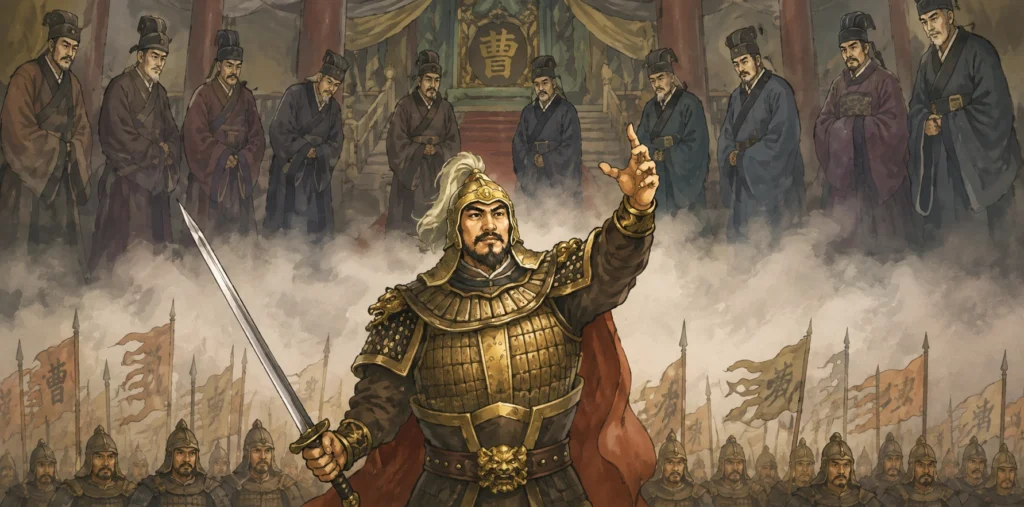
In Chapters 22 and 23, while serving Yuan Shao, Chen Lin writes his famous manifesto condemning Cao Cao’s lineage and crimes. Cao Cao, suffering from a crippling migraine, reads the document and breaks into a cold sweat, causing his headache to vanish completely. Cao Cao remarks to his staff: “Chen Lin’s writing has done what no doctor could do!”
In Chapter 32, after Cao Cao conquers Ye City and captures Chen Lin, Cao Cao asks: “You wrote that manifesto against me, but why did you have to insult my ancestors as well?” Chen Lin calmly replies: “An arrow on the bowstring must be shot.” Cao Cao laughs, spares his life out of admiration for his talent, and appoints him as an imperial clerk, cementing Chen Lin’s place among the premier literary figures of the era.
For detailed historical records, archives, and official chronicles, explore Chen Lin on Wikipedia.
Key Relationships
Family
- No information
Friends
- The Seven Scholars of Jian’an (建安七子, Kiến An Thất Tử): Literary group comprising Chen Lin, Kong Rong, Wang Can, Xu Gan, Ruan Yu, Ying Chang, and Liu Zhen.
- Ruan Yu (阮瑀, Nguyễn Vũ): Fellow imperial scribe and renowned literary colleague under Cao Cao.
- Cao Pi (曹丕, Tào Phi): Crown prince and fellow man of letters who praised Chen Lin’s outstanding prose.
Enemies
- Dong Zhuo (董卓, Đổng Trác): Tyrant whose rise was presaged by He Jin’s fatal decision to summon regional warlords, which Chen Lin strongly advised against.
- Cao Cao (曹操, Tào Tháo): Adversary during the Guandu Campaign against whom Chen Lin penned his scathing manifesto; later Cao Cao captured him, forgave him, and employed him as chief secretarial officer.
- The Ten Eunuchs (十常侍, Thập Thường Thị): Palace eunuchs who assassinated Chen Lin’s first lord, He Jin, in 189 AD.
Others
- No information
Comrades
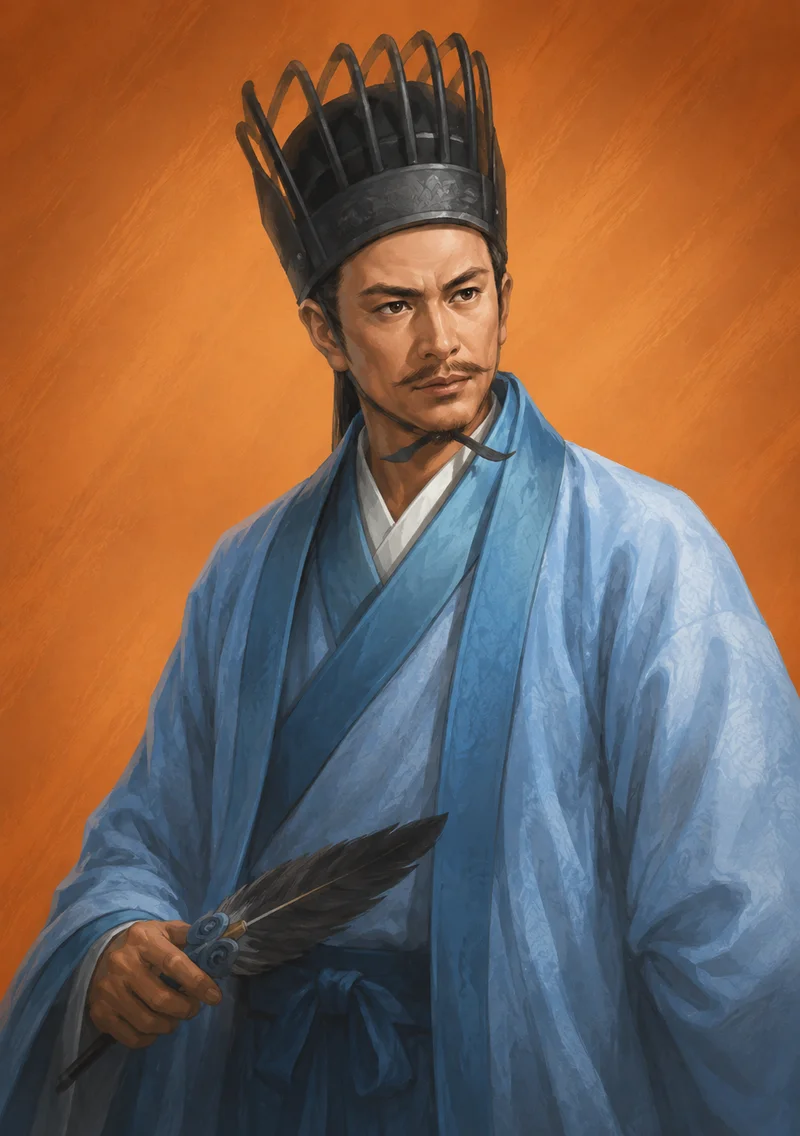
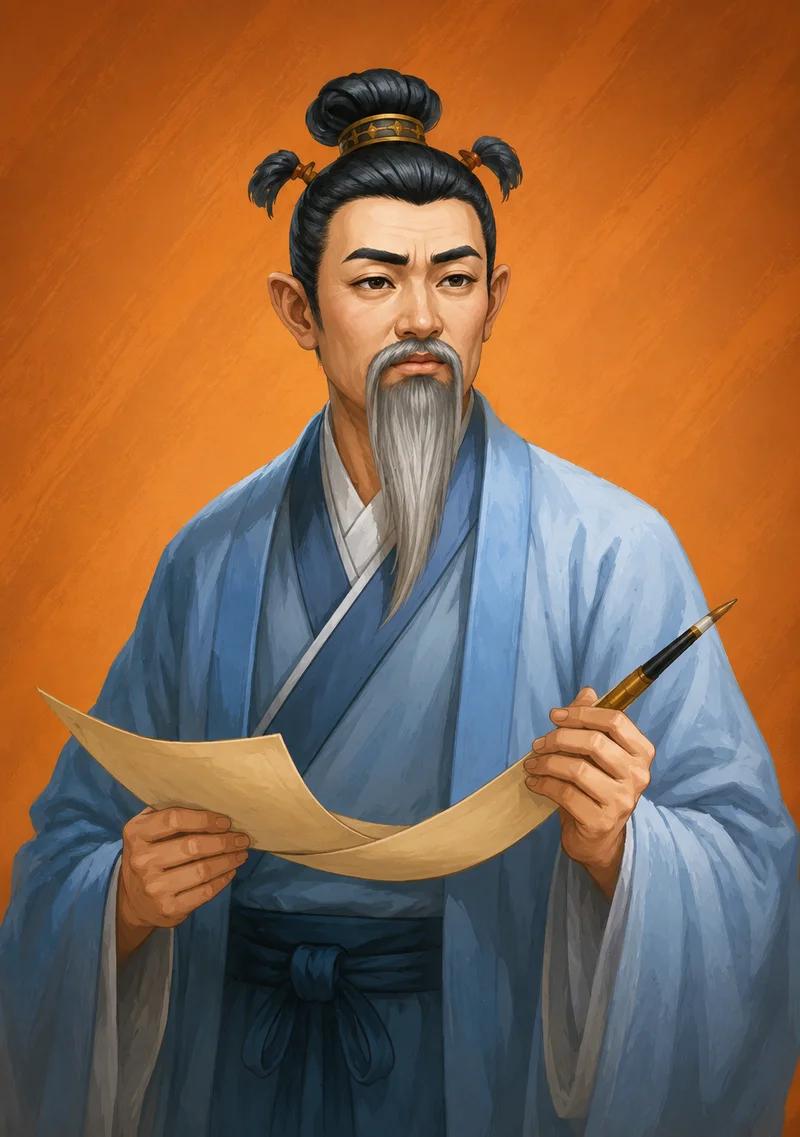
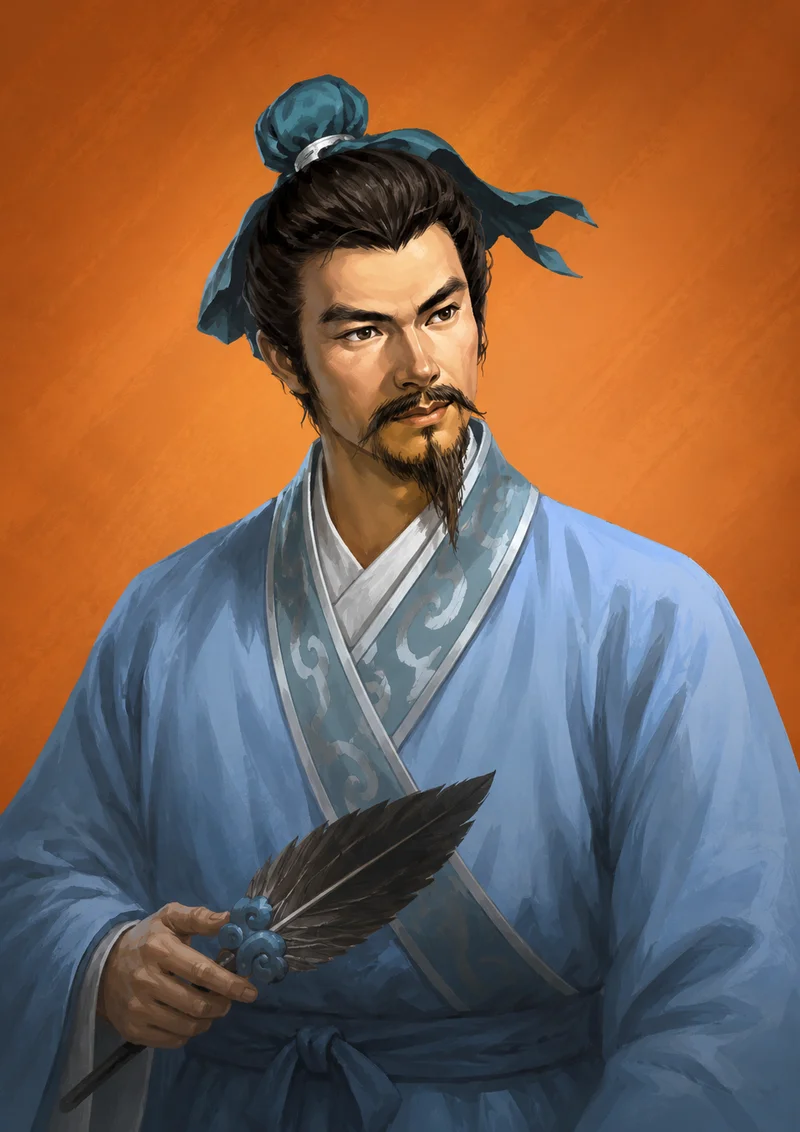
In Novel
Chapter 2
- Chen Lin (陈琳, Trần Lâm): Chief Clerk (主簿) in the imperial court who strongly advised General-in-Chief He Jin (何进, Hà Tiến) against summoning regional warlords like Dong Zhuo (董卓, Đổng Trác) to the capital to slaughter the palace eunuchs, comparing it to holding a weapon by its blade.
Chapter 22
- Chen Lin (陈琳, Trần Lâm): Renowned literary scholar and secretary under Yuan Shao (袁绍, Viên Thiệu) who drafted the famous, scathing proclamation and manifesto condemning Cao Cao’s (曹操, Tào Tháo) lineage, tyranny, and treason, which famously cured Cao Cao’s severe migraine when read.
Chapter 24
- Chen Lin (陈琳, Trần Lâm): Advised Yuan Shao (袁绍, Viên Thiệu) against launching a reckless, immediate campaign against Cao Cao (曹操, Tào Tháo) when Liu Bei (刘备, Lưu Bị) requested urgent military support.
Chapter 30
- Chen Lin (陈琳, Trần Lâm): Drafted confidential diplomatic and strategic documents for Yuan Shao (袁绍, Viên Thiệu) during the Battle of Guandu; after Yuan Shao’s crushing defeat, Chen Lin was captured alive by Cao Cao (曹操, Tào Tháo), who pardoned him and appointed him to the imperial secretariat due to his exceptional literary genius.
In History
Year: 189 AD
- Chen Lin (陈琳, Trần Lâm, Khổng Chương), courtesy name Kongzhang, served as a clerk to He Jin (何进, Hà Tiến), the Grand General of the Later Han. When He Jin planned to summon regional military commanders to Luoyang in order to eliminate the eunuchs, Chen Lin warned that bringing outside armies into the capital would create a much greater danger. He Jin rejected the advice, was subsequently killed by the eunuchs, and the political crisis helped open the way for Dong Zhuo’s seizure of power.
Period I
- Chen Lin (陈琳, Trần Lâm, Khổng Chương) fled to Ji Province after the turmoil in Luoyang and entered Yuan Shao (袁绍, Viên Thiệu)‘s service. He became responsible for official and military writings in Yuan Shao’s administration and was one of the leading writers of the late Han literary circle later known as the Jian’an Seven.
Year: 200 AD
- Chen Lin (陈琳, Trần Lâm, Khổng Chương) wrote the famous proclamation attacking Cao Cao (曹操, Tào Tháo) on Yuan Shao’s behalf before the Battle of Guandu. Yuan Shao was defeated at Guandu, and Chen Lin was subsequently captured by Cao Cao’s forces. Cao Cao valued his literary ability and did not execute him.
Period II
- Chen Lin (陈琳, Trần Lâm, Khổng Chương) entered Cao Cao’s service and was appointed to literary and military secretarial positions. He worked with other writers on the production of state and military documents and became an important literary figure under Cao Cao.
Year: 217 AD
- Chen Lin (陈琳, Trần Lâm, Khổng Chương) died during the major epidemic of 217 AD, together with several other prominent Jian’an writers including Xu Gan, Ying Yang, and Liu Zhen.
Historical Status
- Chen Lin (陈琳, Trần Lâm, Khổng Chương) was a real historical figure and one of the most prominent writers of the Jian’an period. His career is documented in historical sources, especially the Sanguozhi and related records.
Historical Record
- Primary notices in Sanguozhi and standard Three Kingdoms reference works; cross-check novel scenes against history.
Gallery



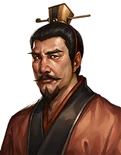

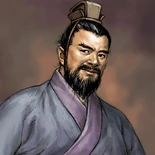




Famous Allusion
The Ten Eunuchs Behead He Jin - 十常侍斩何进 (Shí cháng shì zhǎn Hé Jìn)
3 comments
Trần Lâm (chữ Hán: 陈琳, ? – 217) là nhà văn cuối đời Đông Hán trong lịch sử Trung Quốc, một trong Kiến An thất tử.
Cuộc đời
Lâm tự Khổng Chương, người huyện Xạ Dương, quận Quảng Lăng [a].[1][2][3] [b] Cuối thời Hán Linh đế, Lâm được làm chủ bộ của Đại tướng quân Hà Tiến. Bấy giờ Hà Tiến muốn triệu tập mãnh tướng 4 phương về kinh sư, nhằm bức bách Hà thái hậu chấp nhận diệt trừ hoạn quan, Lâm can ngăn: “Kinh Dịch nhắc đến ‘Tức lộc vô Ngu’ [c], ngạn ngữ có câu ‘bịt mắt bắt sẻ’. Ôi vật nhỏ mọn còn không thể dối mình đã đắc chí, huồng hồ đại sự của nước nhà, há có thể vờ đã xong việc ru? Nay tướng quân nắm hoàng uy, giữ binh quyền, tướng rồng binh cọp, hơn kém tại tâm, đây giống như quạt lò lớn đốt râu tóc vậy. Ôi lánh kinh hợp đạo, trời người xuôi theo, mà ngược lại từ bỏ lợi thế, còn mời gọi người ngoài giúp đỡ. Đại binh tụ hội, kẻ mạnh xưng hùng, có thể nói là cầm ngược can qua, trao cán cho người [d]. Việc ắt không xong, chỉ gây loạn lạc.” Hà Tiến không nghe.[1][4]
Sau cái chết của Hà Tiến, Lâm tị nạn ở Ký Châu, được Viên Thiệu sử làm Điển văn chương.[1] Viên Thiệu vây khốn Đông Quận thái thú Tang Hồng, sai Lâm viết thư khuyên hàng, nhưng Hồng đáp thư cự tuyệt.[2][3] Viên Thiệu tấn công Tào Tháo, sai Lâm thảo hịch kể tội Tháo, đời sau gọi là “Vi Viên Thiệu hịch Dự Châu văn” (为袁绍檄豫州文), được Ngụy thị xuân thu (魏氏春秋) chép toàn văn. Viên Thiệu mất, Lâm phục vụ Viên Thượng. Tào Tháo vây khốn Thẩm Phối ở Nghiệp, Viên Thượng đến cứu nhưng thất bại, sai Lâm cùng Âm Quỳ xin hàng, bị Tào Tháo từ chối.[5]
Anh em họ Viên thất bại, Lâm quy hàng Tào Tháo. Tào Tháo hỏi Lâm khi xưa làm hịch kể tội mình thì thôi, sao lại sỉ nhục đến tổ tông 3 đời của Tháo, ông tạ tội. Tào Tháo yêu tài nên không truy cứu, lấy Lâm làm Tư không Quân mưu tế tửu, quản ký thất. Công văn của Tào Tháo, đều do Lâm cùng Nguyễn Vũ làm ra. Về sau Lâm được dời làm Môn hạ đốc.[1]
Năm Kiến An thứ 22 (217), Lâm cùng Lưu Trinh, Ứng Sướng, Từ Cán đều chết vì bệnh dịch.[1]
Tác phẩm
Trương Phổ (张溥, đời Minh) tập hợp tác phẩm của Lâm, làm ra Trần ký thất tập (陈记室集), về sau được đưa vào Hán Ngụy Lục triều Bách tam gia tập (汉魏六朝百三家集).
Tác phẩm tiêu biểu của Lâm về thi ca có “Ẩm mã Trường Thành quật hành” (饮马长城窟行) miêu tả khổ nạn do lao dịch nặng nề gây ra đối với nhân dân cùng khổ, chịu ảnh hưởng của Nhạc phủ rất nhiều, có ý nghĩa hiện thực sâu sắc. Về tản văn, ngoài “Vi Viên Thiệu hịch Dự Châu văn”, còn có “Vi Tào Hồng dữ thế tử thư” (为曹洪与世子书), thể hiện văn phong hùng tráng, văn khí dào dạt, bút lực mãnh mẽ. Tào Phi gởi thư cho Ngô Chất (Hựu dữ Ngô Chất thư/又与吴质书), khen văn của Lâm rất khỏe [e]. Về từ phú, có “Võ quân phú” (武军赋) ca ngợi chiến công Viên Thiệu tiêu diệt Công Tôn Toản, có “Thần võ phú” (神武赋) ca ngợi chiến công Tào Tháo bắc chinh Ô Hoàn.
Đánh giá
Lâm được Tào Phi xếp vào nhóm 7 văn xuất chúng bậc nhất cuối đời Đông Hán, đời sau gọi là Kiến An thất tử.[6]
Thành ngữ, điển tích liên quan
Hình tượng văn học
Trong Tam quốc diễn nghĩa, Trần Lâm xuất hiện ở hồi thứ 2: Trương Dực Đức giận đánh Đốc bưu; Hà quốc cữu mưu giết Hoạn thụ, khuyên can Hà Tiến. Ở hồi 22: Viên, Tào đều cất ba quân mã bộ; Quan, Trương cùng bắt hai tướng Vương, Lưu, Viên Thiệu sai Trần Lâm làm bài hịch kể tội Tào Tháo. Ở hồi 32: Cướp Ký Châu, Viên Thượng tranh hùng; Khơi sông Chương, Hứa Du hiến kế, Tào Tháo phá được Nghiệp, bắt sống Trần Lâm. Tháo hỏi Lâm: “Trước mày làm bài hịch cho Bản Sơ, kể tội tao ra cũng được, nhưng sao lại dám nói nhục đến cả ông cha tao?” Trần Lâm đáp: “Mũi tên đặt trên dây cung, không thể không bắn đi được.” Tả hữu khuyên Tào Tháo giết đi. Tháo tiếc là người có tài, cho làm tòng sự.
Nhìn chung hình tượng của Lâm được mô tả sát với sử sách.
Chen Lin (onyomi: Chin Jin) is an official of the Han dynasty known for his calligraphy. When Yuan Shao left the court due to its fall into Dong Zhuo’s hands, he joined Yuan Shao’s army. He famously wrote the letter of condemnation used by Yuan Shao as justification for waging war on Cao Cao. For his part, Cao Cao chose to overlook this personal attack and appoint him as an administrator after Yuan Shao’s faction was destroyed. Cao Pi named him one of the seven scholars of Jian’an.
Historical Information
Chen Lin was from the Sheyang County of Guangling, and at some point in his life made his way to the capital at Luoyang, entering service under He Jin as Registrar. When conflict arose between He Jin and the Eunuchs, Chen Lin opposed He Jin’s plan to bring In experienced warlords to help intimidate his sister into stop protecting the Eunuchs. He Jin rejected this advice and summoned Dong Zhuo to aid him, who for his part seized the emperor after the infighting was said and done.
With Dong Zhuo now running the Han empire, Chen Lin chose to instead leave the court and head to Ji province, joining up with Yuan Shao in 191. Under Yuan Shao, Chen Lin served as a secretary, putting his penmanship to good work, transcribing laws and letters for his lord. Zang Hong, the prefect of Dongjun, resented Yuan Shao for not preventing Cao Cao from killing Zhang Chao during the battle for Yan Province and rose up in rebellion. Chen Lin attempted to persuade Zang Hong to surrender, but his attempt failed. Although Zang Hong was defeated and executed, his reply was preserved, documenting various injustices committed by Yuan Shao.
Chen Lin continued in this service up to 199, when he wrote a proclamation against Cao Cao, derailing the man’s crimes, deeds, ancestors, claiming that all his constructive actions were in compliance with Yuan Shao’s orders, but he went against Yuan Shao’s wishes to do evil and called for the rebellion of Yu Province against Cao Cao. The letter was entitled, Proclamation to Yu Province on Yuan Shao’s Behalf.
His lord, however, went on to lose his campaign against Cao Cao in Guandu, ending with Yuan Shao’s death in 202. Afterwards Shao’s children devolved into infighting, with officials like Chen Lin attempting to keep the peace. It took the pleadings of Chen Lin and Yin Kai save Cui Yan, another talented advisor, from being condemned to prison when he had refused to take sides in their civil war. After Yuan Shang was defeated by Cao Cao in Ye, he sent Chen Lin as an envoy to seek peace, but was rejected. Chen Lin remained loyal to Yuan clan until the fall of Ye to Cao Cao.
Instead of taking revenge on Chen Lin, as many assumed he would, Cao Cao chose to pardon him and recruit him into his retinue, recognizing his literary skill. It is said that they had the following interaction: Cao Cao condemned Chen Lin, “You wrote the manifesto for Benchu and it is reasonable to accuse me, but the hatred for a person should only be directed at the person himself. Why do you insult my father and ancestors?” Chen Lin declared, “The arrow is on the bowstring and cannot be unshot.”
Under Cao Cao, Chen Lin served as Liberator and Military Advisor for the minister of works. There is a document purportedly written by him, “A Proclamation to the Officers and Soldiers of the State of Wu,” which was issued under the name of Xun Yu (or possibly Xun You or Hua Xin, considering the former’s generally accepted date of death).
Sun Quan, the youngster, cannot yet distinguish between beans and wheat. His body is not strong enough to be cut by the axe, nor is his name worthy of being stained with ink. He is like a chick, just beginning to grow feathers, yet he is so unruly that he turns back and barks at his master…
The Prime Minister held the Yellow Axe with mighty power, like a blazing fire under a fierce wind. The army marched out, crushing the enemy before even beating the drum…
Sheng Xiaozhang was his lord, yet Quan executed him; Sun Fu was his brother, yet Quan killed him. There is no greater traitor to righteousness and cruelty than these. This is a sin against the gods, a hatred shared by the common people…
He died in 217 to the plague that swept China that year. Cao Pi was recorded as morning the death of such talented individuals after the plague finished.
Several pieces of Chen Lin’s writing remain to this day, most famously a Yuefu poem who’s translated title is: Water the Horses at a Breach in the Great Wall. Several anecdotes exist about the literary and philosophical skills of Chen Lin. One such tale takes place towards the end of Cao Cao’s life, when he’d be seized by terrible migraines, completely crippled by them. The story goes that during one such episode, Cao Cao was brought a new piece of proclamation that was so good that Cao Cao claimed it cured his headache.
Romance of the Three Kingdoms
Chen Lin is introduced in The Romance of the Three Kingdoms chapter 2 as one of He Jin’s subordinates, staunchly opposed to He Jin’s plan to summon experienced warlords to the capital to force his sister into submission. He claimed that He Jin wielded enough power to deal with his sister and the Eunuchs like a man using a furnace to burn off a hair. He foresaw ruin should such warlords gather, but was ignored by He Jin, who claimed his words were the fancies of a bookworm.
Chen Lin appears again in chapter 22, serving as a secretary of Yuan Shao. He is called upon to write a manifesto, operating essentially as a declaration of war against Cao Cao. The letter was full of accusations against Cao Cao’s character and deeds, painting him as the chief villain of the Han Dynasty.
This Cao Cao, now Minister of Works, forsooth, had for ancestor a certain eunuch named Cao Teng, fitting companion of Xu Huan and Zuo Guan. All three were prodigies of wickedness and insatiably avaricious and, let loose on the world, they hindered ethical progress and preyed upon the populace. This Cao Teng begged for and adopted Cao Cao’s father who, by wholesale bribery, wagons of gold and cartloads of jewels presented at the gates of the influential, contrived to sneak his way into considerable office where he could subvert authority. Thus Cao Cao is the depraved bantling of a monstrous excrescence, devoid of all virtue in himself, ferocious and cunning, delighting in disorder and reveling in public calamity…
I have investigated the cases of evil deeds in the regions, but I have been unable to reform him. I have given him repeated opportunities hoping that he would repent. But he has the heart of a wolf, the nature of a wild beast. He nourishes evil in his bosom and desires to pull down the pillars of the state, to weaken the House of Han, to destroy the loyal and true, and to stand himself conspicuous as the chiefest of criminals.
Chen Lin remained under service to the Yuan clan by following Yuan Shang after the death of Yuan Shao. He, alongside Shen Pei is left to defend the city of Ye while Yuan Shang sets out to eliminate his brother’s faction. When this rash decision costs the Yaun clan control over Ji province, Chen Lin was among those captured, facing the possibility of execution. When presented to Cao Cao, he asked Chen Lin why his manifesto had gone so far to implement Cao Cao’s ancestors. Lin replied, “When the arrow is on the string, it must fly.” Cao Cao was impressed and permitted him to live and join his faction on the merit of his writing skills.
His final mention is in chapter 56, during Cao Cao’s party to celebrate the completion of the bronze bird tower, where he presents some poetry praising the accomplishments of Cao Cao.
[…] and Master of Writing in the Chancellor’s Secretariat (Chengxiang Shangcao Yuan). Alongside Chen Lin, Ruan Yu was entrusted with drafting imperial decrees, military proclamations, and diplomatic […]