
Contents
Biography & Historical Record
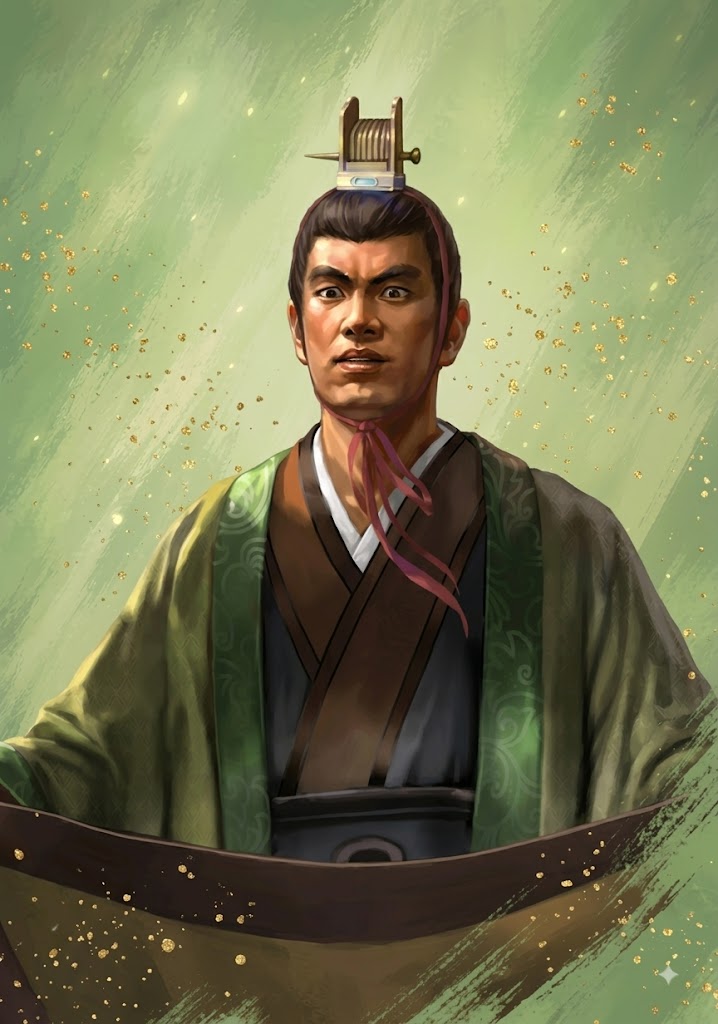
Hua He, courtesy name Yongxian, was an eminent civil administrator, imperial historian, and fearless Confucian court scholar who served the Eastern Wu state through the reigns of four emperors during the mid-to-late Three Kingdoms period. Hailing from Wuxian in Wu Commandery, Hua He belonged to a respected local gentry family known for literary erudition and uncompromising moral integrity. Documented in Chen Shou’s official dynastic history Records of the Three Kingdoms (Sanguozhi – Book of Wu, Biography of Hua He) and Sima Guang’s Zizhi Tongjian, Hua He was celebrated as one of Eastern Wu’s premier historians and moral consciences, best remembered for co-authoring the Book of Wu (Wu Shu) alongside Wei Zhao and risking his life through relentless, upright court remonstrances.
Hua He began his official career during the reign of Sun Quan, holding minor secretarial and administrative positions. His profound scholarly intellect and flawless mastery of historical precedent quickly earned him appointment to the imperial historiography office. Alongside chief historian Wei Zhao, Xiang Chong, and Zhou Zhao, Hua He was commissioned by the court to compile the official dynastic history Book of Wu (Wu Shu), recording the deeds of Sun Jian, Sun Ce, Sun Quan, and their great ministers. His meticulous archival standards and unyielding commitment to objective truth ensured that the political and military legacy of the Jiangnan state was preserved for future generations.
Following the accession of Sun Hao in 264 AD, Eastern Wu entered its darkest era of autocratic tyranny, court purges, and extravagant wastefulness. While many opportunistic courtiers succumbed to fear or sycophancy, Hua He fearlessly submitted over one hundred detailed memorials to the throne. He repeatedly criticized Sun Hao’s lavish building projects, excessive taxation, and brutal executions of loyal officers. When Sun Hao imprisoned and executed Wei Zhao for refusing to alter official historical records to flatter the emperor’s ancestors, Hua He courageously submitted impassioned pleas to save his fellow historian’s life. Although Sun Hao’s fiery temper caused him to execute numerous ministers, he harbored a deep respect for Hua He’s unblemished moral reputation and literary genius. Consequently, Sun Hao spared Hua He’s life, merely dismissing him from his official posts. Hua He retired peacefully to his native region, where he spent his final years in scholarly seclusion, dying of natural causes in old age.
Role in Romance of the Three Kingdoms
In Luo Guanzhong’s classic 14th-century historical novel Romance of the Three Kingdoms, Hua He appears in the tragic final chapters depicting the decline and eventual collapse of Shu Han and Eastern Wu. The novel portrays him as a deeply patriotic, far-sighted scholar-statesman who foresaw the mortal danger facing Eastern Wu following the fall of Shu Han in 263 AD.
In Chapter 120, following the total annexation of Shu Han by the Sima-led Wei regime, Hua He submits an urgent memorial to Emperor Sun Xiu (and later to Sun Hao), analyzing the shifting geopolitical landscape. He warns that the northern empire, having consolidated its western flank, will inevitably turn its vast army and navy south against Eastern Wu. Hua He presents a comprehensive defensive strategy, urging the emperor to fortify key naval chokepoints along the Yangtze River, maintain strict discipline among frontier garrisons, and ease the tax burdens on the populace to ensure civilian loyalty. His literary presence highlights the tragic frustration of righteous ministers in Eastern Wu whose strategic warnings were ignored by a corrupt and delusional court, making the final conquest of the realm by the Jin Dynasty in 280 AD an inevitable historical tragedy.
Hua He (華覈) — Historical & Literary Timeline
Compiling the Official History Book of Wu
Commissioned alongside Wei Zhao and Zhou Zhao to author the Book of Wu (Wu Shu), serving as imperial historian to chronicle the founding and governance of Eastern Wu.
Submitting Memorials on Yangtze River Defense
Following the fall of Shu Han, submits detailed memorials analyzing the northern threat; urges court to fortify river defenses and lower taxes to prepare against inevitable invasion.
Fearless Remonstrances and Dismissal by Sun Hao
Submits over one hundred memorials criticizing Emperor Sun Hao’s tyranny and luxury; attempts to save historian Wei Zhao from execution before being dismissed from court to die peacefully in retirement.
For detailed historical records, archives, and official chronicles, explore Hua He on Wikipedia.
Key Relationships
Family
- No information
Friends
- Wei Zhao (魏照, Vị Chiếu) – Chief imperial historian and co‑author of the Book of Wu; Hua He attempted to save him from execution under Sun Hao.
- Zhou Zhao (周照, Chu Trảo) – Fellow historian appointed to compile the Book of Wu alongside Hua He.
- Xiang Chong (向宠, Hướng Sủng) – Scholar‑official who worked with Hua He on the official historiography project.
Enemies
- Sun Hao (孙皓, Tôn Hạo) – Last emperor of Eastern Wu whose tyrannical policies Hua He repeatedly remonstrated against; Hua He was dismissed and later retired due to Sun Hao’s hostility.
Other
- Sun Quan (孙权, Tôn Quyền) – Founder‑emperor of Eastern Wu under whose reign Hua He began his official career.
- Sun Xiu (孙休, Tôn Hưu) – Third Eastern Wu emperor who respected Hua He’s scholarship and historical expertise.
- Sima Yan (司马炎, Tư Mã Diêm) – Founder of the Jin dynasty; Hua He warned that his expansionist ambitions threatened Eastern Wu’s survival.
In Novel
Chapter 119
- Hua He (华核, Hoa Hạch): Hua He serves as a Wu court official during the final collapse of Eastern Wu. He is associated with the civil government around Sun Hao and appears in the court discussions as Jin forces advance. His role is administrative and advisory rather than a battlefield command.
History
Summary
- Hua He (华核, Hoa Hạch), courtesy name Yongxian, was a scholar and official of Eastern Wu.
Scholar and Memorialist
- Hua He became known for his literary ability and his memorials to the Wu court.
- He repeatedly advised the government to reduce extravagance, protect the population and maintain effective administration.
Service under Sun Hao
- During the reign of Sun Hao, Hua He continued to write memorials despite the political dangers of criticizing imperial policy.
- His writings provide important evidence about the internal condition of late Eastern Wu.
Legacy
- Hua He is remembered primarily as a loyal and outspoken scholar-official who attempted to correct abuses through remonstrance.
- Classification: Historical.