Contents
Biography & Historical Record
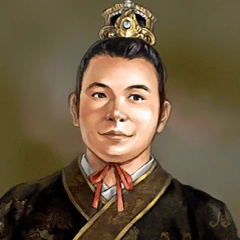
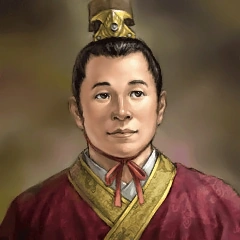
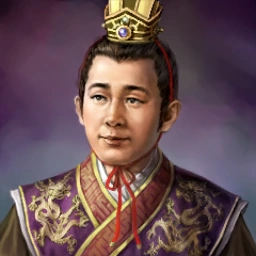
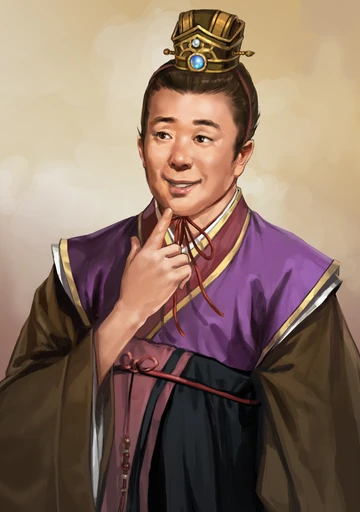
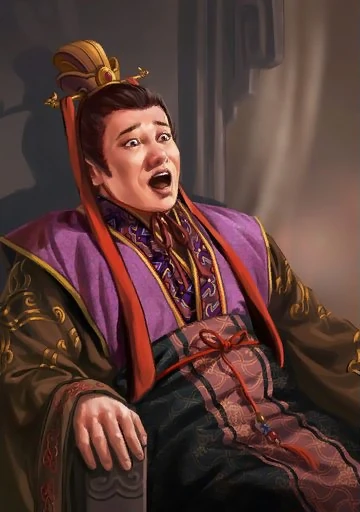
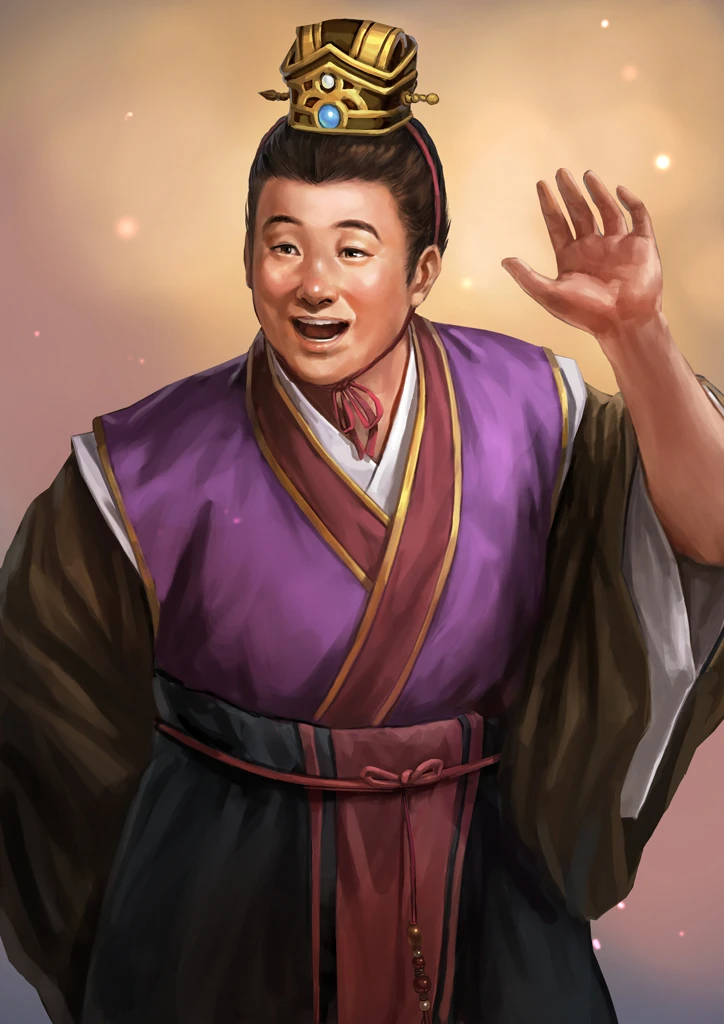
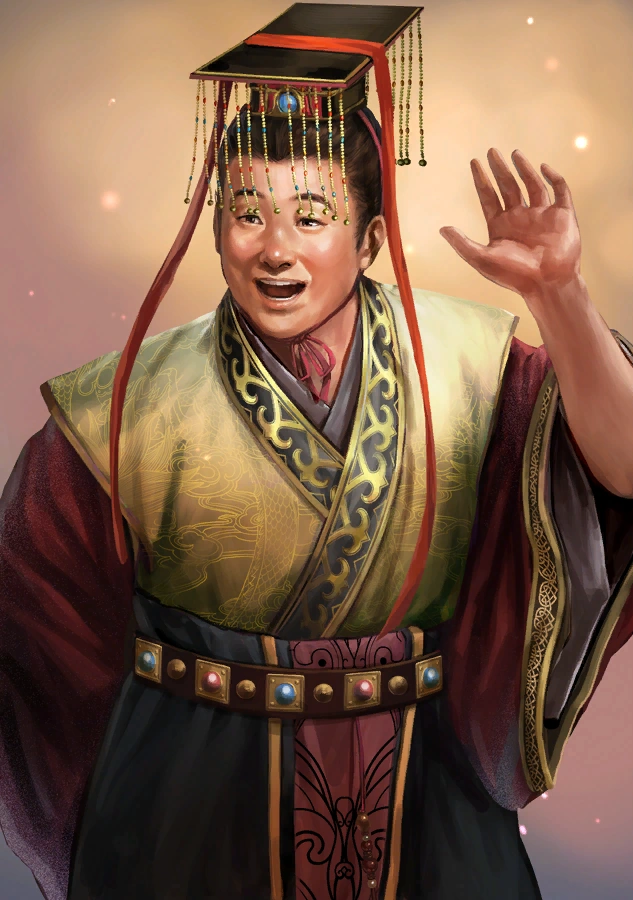
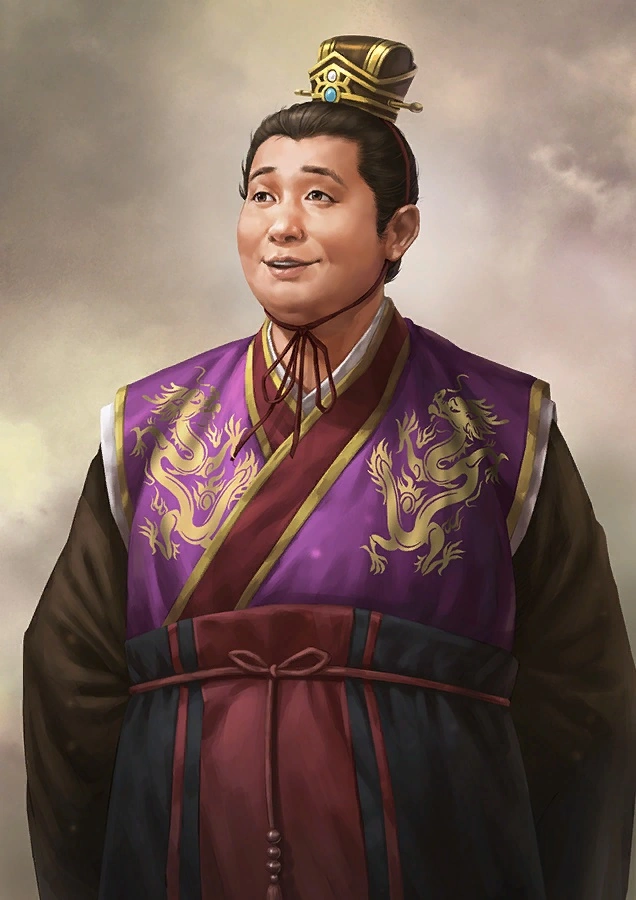
Liu Shan (207–271 AD), courtesy name Gongsi, childhood name A Dou, was the second and final emperor of the state of Shu Han during the Three Kingdoms period, reigning for 40 years from 223 to 263 AD. He was the eldest son of Liu Bei and Lady Gan. During his infancy amidst the chaos of Cao Cao’s invasion of Jing Province, Liu Shan was famously rescued twice by Zhao Yun during the perilous civilian exodus at the Battle of Changban—first saving him from enemy lines and second shielding Lady Gan.
Following Liu Bei’s death at Baidi Castle in 223 AD, the teenage Liu Shan ascended the throne at the young age of 16 under the grand regency of Prime Minister Zhuge Liang. Out of deep respect and absolute trust, Liu Shan famously treated Zhuge Liang like a father, proclaiming that state affairs were handled by the Prime Minister (Father Zhuge) while he managed personal duties. During Zhuge Liang’s Northern Expeditions and subsequent regencies under Jiang Wan, Fei Yi, and Dong Yun, Shu Han maintained a stable administration. However, in his later years, Liu Shan fell under the heavy influence of the corrupt eunuch Huang Hao, leading to political stagnation and friction with Jiang Wei’s continuous military campaigns. In 263 AD, when Cao Wei launched a massive three-pronged invasion under Deng Ai and Zhong Hui, Deng Ai’s daring and treacherous mountain march shocked Chengdu. Following the counsel of his official Qiao Zhou, Liu Shan chose to surrender unconditionally to Cao Wei, bringing an end to Shu Han. Relocated to the Wei capital of Luoyang, Liu Shan was granted the mocking title “Duke of Anle” (Duke of Ease and Comfort). During a banquet hosted by Sima Zhao, when musicians played music from Shu and former Shu officials wept, Liu Shan famously smiled and remarked, “This pleasure makes me forget Shu,” giving rise to the famous idiom *le bu shi shu* (so happy one forgets home). He passed away peacefully in Luoyang in 271 AD at the age of 65.
Role in Romance of the Three Kingdoms
In Luo Guanzhong’s epic historical novel Romance of the Three Kingdoms, Liu Shan is traditionally depicted as a weak-willed, easily manipulated, and mediocre ruler—famously encapsulated by the Chinese proverb *fu dou bu qi* (“A Dou cannot be made to stand upright,” meaning hopeless). Despite the immense sacrifices made by Liu Bei and Zhuge Liang to secure his throne, Liu Shan’s reliance on eunuchs and eventual capitulation to Wei mark the tragic, inevitable decline and fall of Shu Han.
Notable Quotes & Famous Sayings
- “This pleasure makes me forget Shu.” — Liu Shan’s infamous remark to Sima Zhao at the Luoyang banquet when asked if he missed his former kingdom.
- “My father entrusted the state to Prime Minister Zhuge Liang out of supreme trust, and I have followed his guidance all my days.” — Liu Shan reflecting on his relationship with Zhuge Liang.
Liu Shan (刘禅) — Historical & Literary Timeline
Infant Rescue at Changban
Rescued as an infant from enemy lines by Zhao Yun during the harrowing civilian exodus across Changban while fleeing Cao Cao’s cavalry.
Ascension to the Throne
Ascends the throne as Emperor of Shu Han following Liu Bei’s death at Baidi Castle, under the supreme regency of Prime Minister Zhuge Liang.
The Regency of Zhuge Liang
Entrusts all state and military affairs entirely to Zhuge Liang, supporting the Southern Campaign and subsequent Northern Expeditions.
Wei Invasion & Surrender of Chengdu
Faced with Deng Ai’s sudden arrival outside Chengdu, Liu Shan follows Qiao Zhou’s advice, binds himself, and surrenders unconditionally to Cao Wei, ending Shu Han.
Life in Luoyang & Death
Lives out his remaining years in Luoyang as the Duke of Anle, uttering his famous phrase before passing away peacefully in 271 AD.
Key Relationships
Family
- Liu Bei (刘备, Lưu Bị) — Father and founding emperor of Shu Han who entrusted the state to his son upon his death in 223 AD.
- Lady Gan (甘夫人, Cam phu nhân) — Biological mother who was shielded by Zhao Yun during the Battle of Changban in 208 AD.
- Empress Zhang (敬哀皇后, Kính Ai hoàng hậu) — Primary wife and daughter of the general Zhang Fei.
- Liu Chen (刘谌, Lưu Kham) — Son and Prince of Beidi who famously opposed the surrender to Wei in 263 AD and committed suicide at the ancestral shrine.
Friends
- Zhao Yun (赵云, Triệu Vân) — Legendary general who saved Liu Shan’s life twice during the civilian exodus at the Battle of Changban in 208 AD.
- Jiang Wan (蒋琬, Tưởng Uyển) — Successive regent who maintained the stability of the Shu Han administration following the death of Zhuge Liang.
- Fei Yi (费祎, Phí Y) — Successive regent who worked to preserve the state’s internal and external affairs after 234 AD.
- Jiang Wei (姜维, Khương Duy) — Military commander who continued the Northern Expeditions in an attempt to preserve the state of Shu Han.
Enemies
- Deng Ai (邓艾, Đặng Ngải) — Wei general who led the daring mountain march that forced the surrender of Chengdu in 263 AD.
- Zhong Hui (钟会, Chung Hội) — Wei general who co-led the three-pronged invasion of Shu Han in 263 AD.
- Sima Zhao (司马昭, Tư Mã Chiêu) — Regent of Cao Wei who accepted Liu Shan’s surrender and held him in Luoyang under the title Duke of Anle.
Other
- Zhuge Liang (诸葛亮, Gia Cát Lượng) — Prime Minister and mentor who served as regent; Liu Shan treated him with the respect due to a father, entrusting him with all state affairs.
- Huang Hao (黄皓, Hoàng Hạo) — Corrupt eunuch whose influence over Liu Shan in his later years contributed to political stagnation and the decline of the state.
- Qiao Zhou (谯周, Tiều Chu) — Official whose counsel directly influenced Liu Shan’s decision to surrender to Cao Wei in 263 AD.
In Novel
Chapter 41
- Liu Shan (刘禅, Lưu Thiện): Infant son of Liu Bei (刘备, Lưu Bị), infant name Adou, rescued from the midst of Cao Cao’s (曹操, Tào Tháo) army at Changban Slope by Zhao Yun (赵云, Triệu Vân).
Chapter 61
- Liu Shan (刘禅, Lưu Thiện): Rescued a second time from the Yangtze River by Zhao Yun (赵云, Triệu Vân) and Zhang Fei (张飞, Trương Phi) when Lady Sun attempted to take him to Eastern Wu.
Chapter 80
- Liu Shan (刘禅, Lưu Thiện): Invested as Crown Prince of Shu Han upon Liu Bei’s (刘备, Lưu Bị) imperial coronation.
Chapter 85
- Liu Shan (刘禅, Lưu Thiện): Ascended the imperial throne of Shu Han at age seventeen as the Second Sovereign following Liu Bei’s death, entrusting all state governance to Chancellor Zhuge Liang (诸葛亮, Gia Cát Lượng).
Chapter 91
- Liu Shan (刘禅, Lưu Thiện): Sanctioned Zhuge Liang’s (诸葛亮, Gia Cát Lượng) Northern Expeditions upon receiving the renowned Memorial on the Case for War.
Chapter 100
- Liu Shan (刘禅, Lưu Thiện): Recalled the northern army due to false rumors spread by Sima Yi (司马懿, Tư Mã Ý) and palace eunuchs.
Chapter 105
- Liu Shan (刘禅, Lưu Thiện): Mourned the demise of Zhuge Liang (诸葛亮, Gia Cát Lượng) and appointed Jiang Wan (蒋琬, Tưởng Uyển) and Fei Yi (费祎, Phí Y) to lead the cabinet.
Chapter 115
- Liu Shan (刘禅, Lưu Thiện): Fell under the corrupt influence of the palace eunuch Huang Hao (黄皓, Hoàng Hạo), recalling Jiang Wei (姜维, Khương Duy) from the frontlines.
Chapter 118
- Liu Shan (刘禅, Lưu Thiện): Opened the gates of Chengdu to surrender unconditionally to Cao Wei general Deng Ai (邓艾, Đặng Ngải) in 263 AD, ending the Shu Han state.
Chapter 119
- Liu Shan (刘禅, Lưu Thiện): Relocated to Luoyang as Duke of Anle, famously stating he felt ‘so happy here that I do not miss Shu at all’.
In History
Summary
- Liu Shan (刘禅, Lưu Thiện), courtesy name Gongsi, was the second emperor of Shu Han and the son and successor of Liu Bei (刘备, Lưu Bị).
Year: 223 AD
- Liu Shan (刘禅, Lưu Thiện) succeeded Liu Bei after his father’s death and initially governed under the regency of Zhuge Liang (诸葛亮, Gia Cát Lượng).
Year: 234 AD
- After Zhuge Liang’s death, Liu Shan (刘禅, Lưu Thiện) continued to rule Shu through a succession of senior ministers and military commanders.
Year: 263 AD
- After Wei invaded Shu, Liu Shan (刘禅, Lưu Thiện) surrendered Chengdu to Deng Ai (邓艾, Đặng Ngải), ending Shu Han.
Historical Record
- Liu Shan (刘禅, Lưu Thiện) was a real historical emperor. He was later moved to Luoyang and granted the title Duke of Anle by Wei.