
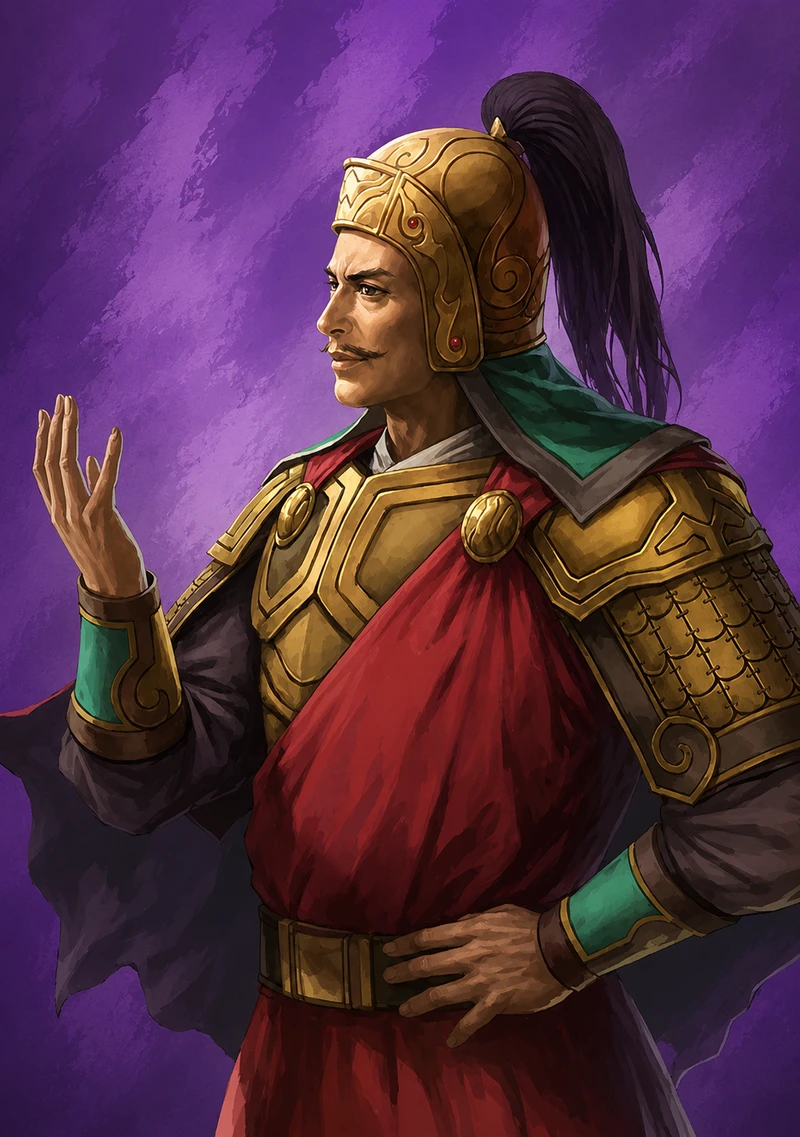
Here is the exhaustive biography, ancestral background, historical records, and Romance of the Three Kingdoms narrative for Cai Mao (蔡瑁), courtesy name Degui (德珪) (fl. 180s–208 AD), incorporating all detailed accounts of his elite Jingzhou lineage, service under Liu Biao, political maneuvering against Liu Qi in favor of Liu Cong, defecting to Cao Cao, naval command, and tragic execution due to Zhou Yu’s counter-espionage plot.
Contents
Ancestry, Family Background & Early Life
Cai Mao (蔡瑁), courtesy name Degui (德珪), was born in Xiangyang County (襄陽縣), Nan Commandery (南郡) (located in modern Xiangyang, Hubei Province). He belonged to the most powerful, wealthy, and politically influential aristocratic gentry clan of Jing Province (Jingzhou) during the late Eastern Han dynasty.
His grandfather was Cai Jin (蔡諷 / 蔡諷’s father), and his father was Cai Feng (蔡諷), who served as a high-ranking military officer in the Han imperial army. His cousins included Cai Xun (蔡薰) and Cai He (蔡和), both senior officers in the Jingzhou navy, and his nephew was Zhang Yun (張允), son of Liu Biao’s sister. Cai Mao had two notable sisters who formed crucial marital ties with the top regional leaders: His elder sister married Huang Chengyan (黃承彥), making Cai Mao the maternal uncle of Lady Huang (Huang Yueying, wife of Zhuge Liang). His younger sister, Lady Cai (蔡夫人, Cai Furen), became the principal wife of Liu Biao (劉表), Governor of Jing Province.
In his youth, Cai Mao possessed sharp intelligence, strategic ambition, and martial skill. Before the warlord chaos, he established a personal friendship with Cao Cao in Luoyang. When Liu Biao was appointed Inspector of Jing Province in 190 AD, Cai Mao and his brother-in-law Kuai Yue met Liu Biao in Yicheng, devising the strategic masterplan to pacify the chaotic Jingzhou region by luring and executing the local bandit warlords (*Zongzei*).
Through his family ties and military competence, Cai Mao was appointed Administrator of Jiangxia Commandery (Jiangxia Taishou), later transferred to Administrator of Nan Commandery, and elevated to General Who Subdues the South (Zhennan Jiangjun). He assumed supreme command of Liu Biao’s formidable naval forces along the Han and Yangtze rivers:
1. Defeating Sun Jian (191 AD): When Sun Jian invaded Jingzhou under Yuan Shu’s orders, Cai Mao commanded Liu Biao’s vanguard army. Although initially outmaneuvered by Sun Jian at Xian Shan, Cai Mao’s subordinate general Huang Zu executed the ambush that resulted in Sun Jian’s death, securing Jingzhou’s eastern border.
2. Political Factionalism & Succession Struggle: Cai Mao and his sister Lady Cai dominated Liu Biao’s inner court. Liu Biao’s eldest son, Liu Qi (劉琦), was wise and filial, but Cai Mao favored Lady Cai’s son, Liu Cong (劉琮). Fearing Liu Qi’s succession, Cai Mao constantly slandered Liu Qi before Liu Biao and launched multiple assassination plots against Liu Bei (who supported Liu Qi), forcing Liu Bei to flee Xiangyang across the Tan Torrent (*Tanxi*). Eventually, Cai Mao persuaded Liu Biao to send Liu Qi away to govern Jiangxia, securing Liu Cong as the designated heir.
In 208 AD, following Liu Biao’s death, Cai Mao and Kuai Yue concealed Liu Biao’s passing, forged his final decree, and elevated the young Liu Cong as Governor of Jing Province. When Cao Cao launched his massive southern campaign with 500,000 troops, Cai Mao and Kuai Yue persuaded Liu Cong to surrender Jing Province without offering resistance.
Cao Cao welcomed Cai Mao with open arms, visiting his residence in Xiangyang, treating him as an old friend, and showering him with high imperial honors. Recognizing Cai Mao’s decades of naval experience on the Yangtze River, Cao Cao appointed him Grand Commandant of the Navy (Shuijun Duwei), with Zhang Yun as his second-in-command, charging them with training Cao Cao’s northern infantry in naval warfare at Wulin and Chibi.
Zhou Yu’s Counter-Espionage Plot & Execution (208 AD)
During the prelude to the Battle of Red Cliffs (Chibi), Sun Quan and Liu Bei formed a joint coalition under the supreme command of Zhou Yu. Recognizing that Cai Mao and Zhang Yun were expert naval commanders who presented the single greatest obstacle to Wu’s fire-attack victory, Zhou Yu devised a brilliant counter-espionage plot (*Lianjian Ji*):
1. Cao Cao sent his advisor Jiang Gan (蔣幹) to persuade Zhou Yu to defect. Zhou Yu feigned warm friendship, hosted a lavish banquet, and pretended to get heavily drunk.
2. That night, Zhou Yu invited Jiang Gan to sleep in his private tent. While Zhou Yu feigned deep sleep, Jiang Gan surreptitiously searched Zhou Yu’s desk and found a forged letter cleverly planted by Zhou Yu. The letter, bearing the forged signatures of Cai Mao and Zhang Yun, promised to assassinate Cao Cao and present his head to Sun Wu.
3. Terrified and eager to claim merit, Jiang Gan stole the forged letter, slipped out of the Wu camp before dawn, and delivered it directly to Cao Cao.
In a fit of wild rage, Cao Cao immediately summoned Cai Mao and Zhang Yun. When Cao Cao demanded why the naval drills were progressing slowly, Cai Mao explained that northern soldiers needed more time to adapt to ships. Believing this confirmed their treason, Cao Cao roared: “By the time you finish training them, my head will be presented to Zhou Yu!” Cao Cao ordered Cai Mao and Zhang Yun dragged out and instantly beheaded.
Only after the executions were carried out did Cao Cao realize he had fallen directly into Zhou Yu’s trap. However, unwilling to admit his fatal error, Cao Cao lied to his generals, claiming Cai Mao and Zhang Yun had been executed for military negligence. Deprived of their only competent naval commanders, Cao Cao appointed Mao Jie and Yu Jin (who lacked naval experience) to command the fleet, setting the stage for the catastrophic fire-attack destruction of the Wei navy at Red Cliffs.
Cai Mao (蔡瑁) — Historical & Literary Timeline
190–191 AD — Pacifying Jingzhou & Defeating Sun Jian
Chief Military Commander under Liu Biao
Allies with Liu Biao to pacify Jingzhou. Commands vanguard troops against Sun Jian’s invasion; defeats Sun Wu forces following Sun Jian’s death in the ambush at Mount Xian.
201–207 AD — Plots Against Liu Bei and Liu Qi
Tan Torrent Escape & Succession Intrigue
Dominates Jingzhou court alongside sister Lady Cai. Orchestrates multiple assassination plots against Liu Bei, prompting Liu Bei’s famous leap across the Tan Torrent (*Tanxi*). Slanders Liu Qi, forcing his exile to Jiangxia.
208 AD — Forging Decree & Surrender to Cao Cao
Conceals Liu Biao’s death, forges his testament to elevate Liu Cong, and surrenders Jingzhou to Cao Cao’s advancing army. Appointed Supreme Navy Commander alongside Zhang Yun to train Cao Cao’s 830,000 troops at Wulin.
208 AD — Zhou Yu’s Counter-Espionage Plot & Execution
Duped by Jiang Gan & Beheaded by Cao Cao
Zhou Yu plants a forged treason letter stolen by Jiang Gan. Fooled by the forgery, Cao Cao orders the instant execution of Cai Mao and Zhang Yun, crippling the Wei navy before the Battle of Red Cliffs.
Romance of the Three Kingdoms Narrative
In Luo Guanzhong’s historical novel Romance of the Three Kingdoms, Cai Mao is portrayed as a treacherous, power-hungry, yet highly capable naval commander whose political intrigues dominate Jingzhou and whose tragic end seals Cao Cao’s naval doom at Red Cliffs.
In Chapter 7, Cai Mao commands Liu Biao’s troops against Sun Jian. Though initially routed, Cai Mao helps secure Jingzhou after Huang Zu slays Sun Jian at Mount Xian.
In Chapters 34 and 35, Cai Mao views Liu Bei as a mortal threat to his family’s grip on Jingzhou. During a grand banquet at Xiangyang, Cai Mao arranges an ambush with armed assassins outside the city gates. Warned by Yi Ji, Liu Bei escapes on his horse Hexi, miraculously leaping across the three-zhang-wide Tan Torrent (*Tanxi*). Undeterred, Cai Mao later forges a poem on a pavilion wall to frame Liu Bei for treason, but Liu Bei escapes to Xinye.
In Chapters 40 to 42, following Liu Biao’s death, Cai Mao and Lady Cai forge a deathbed decree installing the younger son Liu Cong as governor while forcing the rightful heir Liu Qi to remain in Jiangxia. When Cao Cao marches south, Cai Mao surrenders Xiangyang, presenting Cao Cao with Jingzhou’s entire fleet and military arsenals. Cao Cao appoints Cai Mao and Zhang Yun as Supreme Admirals of the Navy.
In Chapter 45, during the naval skirmishes off Red Cliffs, Cai Mao connects Cao Cao’s warships with chains and conducts effective drills, alarming Sun Wu’s commander Zhou Yu. Realizing that Cai Mao is the heart of the northern navy, Zhou Yu executes a masterclass ruse: when Jiang Gan comes to persuade him to surrender, Zhou Yu feigns drunkenness and allows Jiang Gan to ‘steal’ a forged letter in which Cai Mao promises to deliver Cao Cao’s head. Fooled by the forged document, Cao Cao immediately orders Cai Mao and Zhang Yun dragged out and beheaded. Realizing his blunder seconds later, Cao Cao covers his mistake by appointing Mao Jie and Yu Jin, ensuring the total vulnerability of his fleet to Wu’s upcoming fire attack.
Key Relationships
Family
- Cai Feng (蔡讽, Sái Phúng): Father. Influential clan leader of Xiangyang, Jingzhou.
- Lady Cai (蔡氏, Sái Thị): Elder sister. Married Huang Chengyan (黄承彦, Hoàng Thừa Ngạn); mother of Huang Yueying (黄月英, Hoàng Nguyệt Anh).
- Cai Furen (蔡夫人, Sái Phu Nhân): Elder sister. Second wife of Liu Biao (刘表, Lưu Biểu); mother of Liu Cong (刘琮, Lưu Tông).
- Cai Xun (蔡勋, Sái Huân): Younger brother. Naval commander under Liu Biao and Cao Cao.
- Cai Zhong (蔡中, Sái Trung): Younger cousin/brother. Naval officer sent as a false defector in the novel.
- Cai He (蔡和, Sái Hòa): Younger cousin/brother. Naval officer executed as a blood sacrifice at Chibi in the novel.
- Liu Cong (刘琮, Lưu Tông): Nephew. Supported by Cai Mao to succeed Liu Biao as Governor of Jingzhou.
- Huang Yueying (黄月英, Hoàng Nguyệt Anh): Niece. Wife of Zhuge Liang (诸葛亮, Gia Cát Lượng).
- Zhuge Liang (诸葛亮, Gia Cát Lượng): Nephew-in-law through marriage with Huang Yueying.
Friends
- Kuai Yue (蒯越, Sái Việt): Key political ally and strategist in Jingzhou; co-orchestrated the surrender of Jingzhou to Cao Cao in 208 AD.
- Cao Cao (曹操, Tào Tháo): Old acquaintance from their youth in the capital Luoyang; Cai Mao was richly rewarded and promoted to naval command after submitting to Cao Cao in 208 AD.
- Zhang Yun (张允, Trương Doãn): Close naval comrade and relative by marriage in Jingzhou; served together as chief naval commanders under Cao Cao.
Enemies
- Liu Bei (刘备, Lưu Bị): Political adversary in Jingzhou; Cai Mao plotted multiple assassination attempts against Liu Bei during his stay at Xinye.
- Liu Qi (刘琦, Lưu Kỳ): Political rival. Eldest son of Liu Biao whom Cai Mao opposed and marginalized in favor of Liu Cong.
- Zhou Yu (周瑜, Chu Du): Chief commander of Eastern Wu. Formulated the counter-espionage ruse using Jiang Gan that tricked Cao Cao into executing Cai Mao in the novel.
- Sun Jian (孙坚, Tôn Kiên): Battlefield rival. Cai Mao ambushed and clashed with Sun Jian during the Xiangyang campaign in 191 AD.
Others
- No information
In Novel
Chapter 6
- Cai Mao (蔡瑁, Sái Mạo): Military commander under Liu Biao (刘表, Lưu Biểu) who, alongside Kuai Yue (蒯越, Khoái Việt), led an army of ten thousand men to intercept Sun Jian (孙坚, Tôn Kiên) upon Sun Jian’s return to Jiangdong with the Imperial Jade Seal, but was forced to retreat after Huang Gai (黄盖, Hoàng Cái) shattered his breastplate in combat.
Chapter 7
- Cai Mao (蔡瑁, Sái Mạo): Led ten thousand troops out of Xiangyang to engage the invading Jiangdong army at the foot of Mount Yan, but suffered a severe rout against Cheng Pu (程普, Trình Phổ); he was spared from execution under military discipline only through the personal intervention of his brother-in-law, Liu Biao (刘表, Lưu Biểu).
- Cai Mao (蔡瑁, Sái Mạo): Participated alongside Huang Zu (黄祖, Hoàng Tổ) and Kuai Yue (蒯越, Khoái Việt) in the multi-pronged counterattack following Sun Jian’s (孙坚, Tôn Kiên) death in the rock-and-arrow ambush set by Lü Gong (吕公, Lã Công).
Chapter 31
- Cai Mao (蔡瑁, Sái Mạo): The brother of Liu Biao’s second wife, Lady Cai (蔡夫人, Sái phu nhân), who grew suspicious and deeply resentful of Liu Bei’s (刘备, Lưu Bị) presence and influence in Jingzhou from the moment Liu Bei sought refuge under Liu Biao (刘表, Lưu Biểu).
Chapter 34
- Cai Mao (蔡瑁, Sái Mạo): Commander of Jingzhou forces who opposed Liu Bei’s (刘备, Lưu Bị) deployment against Zhang Wu (张武, Trương Vũ) and Chen Sun (陈孙, Trần Tôn), secretly conspired with Lady Cai (蔡夫人, Sái phu nhân) to eliminate Liu Bei, and laid a lethal ambush at the annual Xiangyang ceremonial banquet that forced Liu Bei (刘备, Lưu Bị) to make his desperate escape across the Tan Torrent.
Chapter 35
- Cai Mao (蔡瑁, Sái Mạo): Attempted to hunt down and apprehend Liu Bei (刘备, Lưu Bị) following the escape across the Tan Torrent, later fabricating an excuse to Liu Biao (刘表, Lưu Biểu) to conceal the assassination plot.
Chapter 39
- Cai Mao (蔡瑁, Sái Mạo): Colluded with Lady Cai (蔡夫人, Sái phu nhân) to isolate and block Liu Biao’s eldest son, Liu Qi (刘琦, Lưu Kỳ), from seeing his ailing father in order to secure the succession for Liu Zong (刘琮, Lưu Tông).
Chapter 40
- Cai Mao (蔡瑁, Sái Mạo): Forged Liu Biao’s (刘表, Lưu Biểu) deathbed testament to install his nephew Liu Zong (刘琮, Lưu Tông) as the Governor of Jingzhou, subsequently intimidating Liu Zong into surrendering the entire province unconditionally to Cao Cao (曹操, Tào Tháo).
Chapter 41
- Cai Mao (蔡瑁, Sái Mạo): Formally handed over Xiangyang and the military registry of Jingzhou to Cao Cao (曹操, Tào Tháo), receiving imperial appointments and titles under the prime minister’s regime.
Chapter 42
- Cai Mao (蔡瑁, Sái Mạo): Escorted Lady Cai (蔡夫人, Sái phu nhân) and Liu Zong (刘琮, Lưu Tông) en route to Qingzhou following their provincial reassignment by Cao Cao (曹操, Tào Tháo), where he and his family entourage were overtaken and slain by Yu Jin (于禁, Vu Cấm) under secret orders.
Chapter 44
- Cai Mao (蔡瑁, Sái Mạo): Appointed by Cao Cao (曹操, Tào Tháo) alongside Zhang Yun (张允, Trương Doãn) as Commander-in-Chief of the Northern naval forces due to his extensive expertise in naval warfare across the Yangtze River.
Chapter 45
- Cai Mao (蔡瑁, Sái Mạo): Supervised Cao Cao’s (曹操, Tào Tháo) waterborne encampment at the Red Cliffs; his professional naval training routines alarmed Zhou Yu (周瑜, Chu Du), prompting Zhou Yu to employ Jiang Gan (蒋干, Tưởng Cán) in a forged-letter stratagem that led a deceived Cao Cao (曹操, Tào Tháo) to execute both Cai Mao and Zhang Yun (张允, Trương Doãn) for alleged treason.
In History
Year: 190 AD
- Cai Mao (蔡瑁, Sái Mạo, Thái Mạo) was a member of the influential Cai clan of Xiangyang in Jing Province. When Liu Biao (刘表, Lưu Biểu) entered Jing Province, Cai Mao, together with Kuai Liang (蒯良, Khoái Lương) and Kuai Yue (蒯越, Khoái Việt), assisted him in establishing and consolidating his authority in the region. The historical sources describe Cai Mao as one of the local figures who supported Liu Biao’s administration.
Year: 192 AD
- Cai Mao (蔡瑁, Sái Mạo, Thái Mạo) served under Liu Biao and was appointed as his military strategist after Liu Biao received the imperial appointment of General Who Guards the South. Historical records also associate Cai Mao with administrative positions in Jing Province, including service as an Administrator of Jiangxia, Nan Commandery, and Zhangling.
Year: 208 AD
- Cai Mao (蔡瑁, Sái Mạo, Thái Mạo) became involved in the succession dispute between Liu Qi (刘琦, Lưu Kỳ) and Liu Cong (刘琮, Lưu Tông). Because Cai Mao and his family supported Liu Cong, Cai Mao and Zhang Yun (张允, Trương Doãn) prevented Liu Qi from seeing his seriously ill father, Liu Biao. After Liu Biao’s death, Liu Cong succeeded him as the ruler of Jing Province.
Year: 208 AD
- Cai Mao (蔡瑁, Sái Mạo, Thái Mạo), together with other Jing Province officials, supported the surrender of Liu Cong and Jing Province to Cao Cao (曹操, Tào Tháo) when Cao Cao’s forces advanced into the region. After the surrender, Cai Mao entered Cao Cao’s service and was appointed Assistant Officer of the Household (从事中郎), Major (司马), and Changshui Colonel (长水校尉), and was enfeoffed as the Marquis of Hanyang Village (汉阳亭侯).
Historical Status
- Cai Mao (蔡瑁, Sái Mạo, Thái Mạo) was a real historical figure recorded in sources including the Sanguozhi tradition and related historical works. He should not be treated as a fictional character created by Luo Guanzhong. Some dramatic episodes associated with him in Romance of the Three Kingdoms are literary adaptations and should not be presented as established historical facts.
Gallery




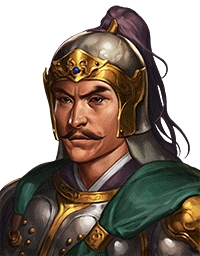
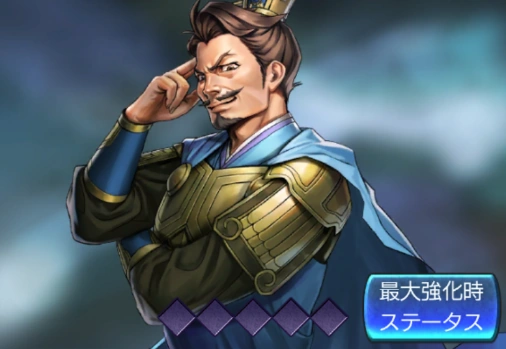

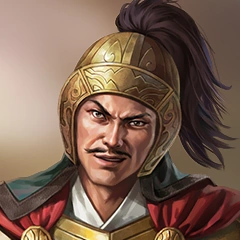
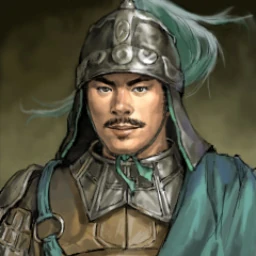
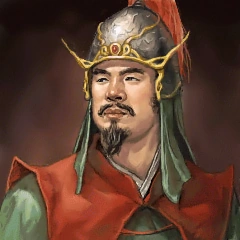




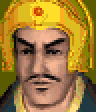
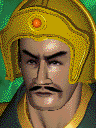


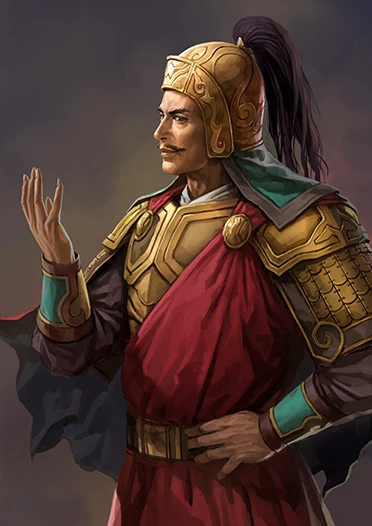
Thái Mạo (蔡瑁 – phiên âm Pinyin: Cài Mào), tự Đức Khuê (德珪 – Déguī), là một quý tộc, tướng lĩnh quyền thế tại Kinh Châu thời cuối Đông Hán, vừa có thật trong lịch sử vừa là một nhân vật quan trọng trong Tam Quốc Diễn Nghĩa.
1. Quê quán, Năm sinh – Năm mất
2. Gia tộc, Cha mẹ, Vợ chồng & Con cái
Thái Mạo xuất thân từ Thái thị ở Tương Dương — một trong những danh gia vọng tộc quyền lực nhất vùng Kinh Châu thời bấy giờ:
3. Cuộc đời & Vai trò chính trị
Trận tuyến Kinh Châu & Chống Lưu Bị:
Thuộc hạ của Tào Tháo:
4. Kết cục của Thái Mạo: Lịch sử vs. Tam Quốc Diễn Nghĩa
Đây là điểm khác biệt rất lớn giữa dã sử/tiểu thuyết và chính sử:
5. Tên gọi qua các ngôn ngữ
Cai Mao (onyomi: Sai Bō) is a general who first serves Liu Biao. He shares family ties with Yueying, Zhuge Liang, and Liu Biao since his two elder sisters married Huang Chengyan and Liu Biao. It is said Liu Biao was only able to build his reputation due to Cai Mao’s achievements.
His height in Kessen II is 175 cm (5’9″).
Historical Information
Cai Mao was the only known son of Cai Feng. He was born in Xiangyang Commandary. His family lived in wealth and luxury, one of their splendid estates once stood in Caizhou. Their manor was surrounded with four angled walls made of blue stone and their servant maidens thrived in the hundreds. Along with their forty-five plots of farmland, the Cai family was an influential family of power. Cai Mao’s aunt was married to the Minister of Works, Zhang Wen. His eldest sister was married to Huang Chengyan and his second eldest sister became Liu Biao’s wife.
As a young man, Cai Mao traveled to Luoyang and met Cao Cao, then just 20 years old. Together, they visited Liang Hu, then in charge of selecting officials, to try to persuade him to appoint Cao Cao as magistrate of Capital Luoyang. Liang Hu refused to meet them and may have humiliated them.
Among his family, Cai Mao was described as a self-made man of strong constitution and character. When Liu Biao became the Governor of Jingzhou, his neighbors, Su Dai and Bei Yu, didn’t accept him. Therefore, Liu Biao stationed himself at Yicheng and ordered Cai Mao, Kuai Yue, and Kuai Liang to straighten matters between them. Through this plan, the area became pacified. Cai Mao gradually rose in ranks within Liu Biao’s service and became General who Suppresses the South. After his sister fostered Liu Cong, Liu Biao further showed favor towards Cai Mao and Zhang Yun. Likewise, the vassal’s bond with his master became friendlier.
According to the Record of Xiangyang, Cai Mao was actually scheming for Liu Cong to become the rightful heir and was only acting faithful to his liege on the surface. When Liu Biao was critically ill and Liu Qi looked as though he was trying to visit, Cai Mao feared his plans would be ruined by parental love. Therefore, he barred Liu Qi from entering and chased him away. Liu Bei‘s scroll in Record of the Three Kingdoms instead states Cai Mao and Kuai Yue plotted to assassinate Liu Biao. However, this entry has been criticized as being doubtful and unrealistic by the historian, Sun Sheng, due to lack of evidence and continuity with other historical records.
Liu Cong did succeed Jingzhou after his father’s death, but shortly surrendered his rights to the land on threat of Cao Cao’s invasion. Since Cai Mao was once Cao Cao’s friend during their youth, the latter entered Cai Mao’s home. Cao Cao turned to Cai Mao’s wife and child and said, “Degui (Cai Mao), do you remember? Long ago, we were going to visit Liang Menghuang (Liang Hu), but he refused to see us? I heard he’s here too, so how could he have the nerve to come see you?”
His rank under Cao Cao gradually rose until he became Marquis of Hanyang. According to Record of Xiangyang, a tomb and an elaborate stone statue of a giant deer was seen south of Cai Mao’s residence. It suggests he lived his life in comfortable luxury. Cai Mao was treated warmly as though he were Cao Cao’s old friend, but many people privately despised him. This negative reaction was mainly spurned by his unfair treatment towards Liu Qi. Cao Pi compared Cai Mao and Zhang Yun, Wu Kuang and Zhang Zhang, Shen Pei and Guo Tu, claiming that they had corrupted the rule of Liu Biao, He Jin and Yuan Shao.
Romance of the Three Kingdoms
Cai Mao was a general of Liu Biao in the Romance of the Three Kingdoms. He helped Liu Biao in govern Jing Province with Kuai Liang and Kuai Yue. During the fighting against Sun Jian‘s troops, Cai Mao dueled Huang Gai, but fled when he was hit near his heart. He and Kuai Yue later attack in an ambush against Sun Jian, but Sun Jian escaped. Cai Mao motioned to fortify their position in Xiangyang and was given 10,000 troops. He withdrew from a duel against Cheng Pu and his men were slaughtered. Kuai Liang urged Liu Biao to execute Cai Mao for his failure but he was spared. When Sun Jian died, Cai Mao scattered the enemy forces during the confusion.
Cao Cao defeated Yuan Shao and turned his attention to Liu Bei in Runan. The latter sent Sun Qian to ask Liu Biao for refuge. Cai Mao objected, citing Liu Bei’s past history as a deterrent and favoring surrender to Cao Cao. His notion was turned down when Sun Qian convinced Liu Biao to reconsider. Cai Mao complained to his sister of Liu Bei, claiming that their guest was dangerous. Lady Cai spoke to her husband and consequentially led to Liu Bei’s troops being repositioned to a distant Xinye.
Liu Bei convinced Liu Biao to make his oldest son, Liu Qi, heir instead of Lady Cai’s son, Liu Cong, during a dinner conversation. Lady Cai, who was present, overheard Liu Bei’s ambitious nature and told Cai Mao about it. Cai Mao sought to kill Liu Bei and assembled troops to surround Liu Bei’s guest house. Liu Bei had already left, so Cai Mao wrote a poem on one of the partitions and informed Liu Biao about it, claiming that it was written by Liu Bei. The scheme failed.
Later, Cai Mao tried to ambush Liu Bei by surrounding his residence during a banquet, but Liu Bei manages to escape after Yi Ji told him about Cai Mao’s plot. Cai Mao pursued Liu Bei to Tan River, lying about his intentions to kill their guest. Liu Bei saw past the deception as Cai Mao readies an arrow to his bowstring, fleeing to Xinye. Cai Mao returned to the banquet and lied to Zhao Yun, stating it was his duty to follow Liu Bei and he had left by the west gate. Liu Bei in the meantime sent Sun Qian to inform Liu Biao about Cai Mao. Liu Biao ordered for Cai Mao’s execution, but Sun Qian argued against it. Cai Mao is only heavily reprimanded.
Huang Zu’s death led to Liu Qi wanting to escape the Cai family’s influence by volunteering to guard the vacant Jiangxia. Liu Biao gave into to a mortal illness and appointed Liu Bei to become Liu Qi’s legal guardian, his chosen successor. When Liu Qi returned to see his ailing father, Cai Mao and Zhang Yun blocked his way. The Cai family appoint Liu Cong as Liu Biao’s heir upon the warlord’s death and surrendered Jing Province to Cao Cao. Realizing he was without a benefactor, Liu Bei left Fan to head to Xiangyang. Cai Mao set fire to the outer castle walls, but Wei Yan opened the gates for Liu Bei, calling Cai Mao a traitor.
After Liu Bei’s escape, Cao Cao summoned for Liu Cong. Wang Wei wanted to attack Cao Cao, starting a quarrel between him and Cai Mao. Liu Cong quieted their bickering. Cai Mao and Zhang Yun visit Cao Cao at Fan to inform him of Jing’s army and navy. Cai Mao was given command of Cao Cao’s newly acquired navy.
Prior to the climatic battle of Chibi, Cai Mao and Zhang Yun were defeated by the Wu forces. They are pardoned by Cao Cao and ordered to build a large base at the river bank. Jiang Gan was ordered by Cao Cao to spy on Zhou Yu and unwittingly returned with news of a false surrender by Cai Mao and Zhang Yun. To test the worth of the tale, both were ordered to attack Wu. The navy veterans refused, stating that their troops were not sufficiently trained, Cao Cao confronted them with their supposed surrender. Both remain silent of their innocence, so Cao Cao ordered their execution. Later, Cao Cao discovered that the surrender was a plot by Zhou Yu to weaken his navy.
Source: https://koei.fandom.com/wiki/Cai_Mao
Thái Mạo
Thái Mạo (tiếng Hán: 蔡瑁; Phiên âm: Ts’ai Mao) còn gọi là Sái Mạo tự Đức Khuê (德珪), là một tướng lĩnh chuyên về thủy sư cuối thời kỳ nhà Hán. Ông là người Tương Dương, Kinh Châu và chỉ phục vụ dưới trướng Lưu Biểu trước khi quy hàng Tào Tháo. Địa vị của ông càng được củng cố khi chị gái (có tài liệu ghi là em gái) ông lấy Lưu Biểu.
Thuở đầu, Thái Mạo chịu một số thất bại khi giao chiến với Tôn Kiên. Mưu sĩ của Lưu Biểu là Khoái Lương đã nói rằng Thái Mạo phải bị khép tội chết vì những thất bại của ông, nhưng Lưu Biểu đã không đồng ý. Năm 208, Lưu Biểu hấp hối trong lúc Tào Tháo đã mang quân đến áp sát Kinh Châu. Bèn triệu Lưu Kỳ từ Giang hạ về nhưng bị ông ngăn cản vì sợ Lưu Biểu mến Lưu Kỳ hơn Lưu Tông cháu ông và không cho cháu ông làm Kinh Châu mục.
Sau khi Lưu biểu mất, ông ung dung lập Lưu Tông lên làm Kinh Châu mục khi Tào Tháo đang mang quân áp sát biên giới.Thái mạo xin Lưu Tông cùng quy hàng, Tông đồng ý. Táo Tháo phong ông làm đô đốc thủy sư nhằm chuẩn bị tiến công Giang Đông, tiêu diệt Tôn Quyền.
Trong tiểu thuyết
Trong tiểu thuyết Tam Quốc diễn nghĩa của La Quán Trung, thủy quân của Tào Tháo dưới sự chỉ huy của Sái Mạo và Trương Doãn đã chịu thất bại một số trận nhỏ trước thủy quân Giang Đông do Chu Du chỉ huy. Sau đó, Chu Du đã dùng kế phản gián, làm giả một bức thư gửi cho Thái Mạo và lừa cho Tưởng Cán mang về dâng lên cho Tào Tháo. Cả Thái Mạo và Trương Doãn đều bị Tào Tháo xử trảm.
Chức danh và chức vụ từng nắm giữ
Source: Wikipedia
Sái Mạo (蔡瑁), tự Đức Khuê, năm sinh năm mất không rõ, người Thái Châu, Tương Dương, danh sĩ Kinh Châu vào cuối thời Đông Hán. Thuở nhỏ từng giao hảo với Tào Tháo.
Sơ Bình nguyên niên (năm 190), Lưu Biểu nhậm chức Kinh Châu Thứ sử. Khi ấy tộc tặc hoành hành, Sái Mạo phụ tá Lưu Biểu tiêu diệt bọn chúng, bình định Kinh Châu, nhờ đó được Lưu Biểu trọng dụng, và khi Lưu Biểu nhậm chức Trấn Nam tướng quân thì bổ nhiệm Sái Mạo làm quân sư. Sau khi Lưu Biểu qua đời, Sái Mạo ủng hộ ấu tử Lưu Tông kế vị, rồi ép buộc ông đầu hàng Tào Tháo đang nam chinh. Dưới trướng Tào Tháo, Sái Mạo lần lượt đảm nhiệm các chức Tòng Sự Trung Lang, Tư Mã, Trường Thủy Hiệu Úy, được phong Hán Dương Đình Hầu.
Trương Doãn (张允), năm sinh năm mất không rõ, là cháu bên ngoại của Kinh Châu Mục Lưu Biểu, cùng phe cánh với Sái Mạo, đều thuộc nhóm ủng hộ Lưu Tông – ấu tử của Lưu Biểu.
Khi Lưu Biểu trọng bệnh, Trương Doãn lo sợ chức Châu Mục sẽ được truyền cho trưởng tử Lưu Kỳ, nên đã chặn Lưu Kỳ – khi ấy từ xa tới – ngay ngoài cửa, không cho gặp phụ thân. Khi đại quân Tào Tháo tiến đến Tân Dã, Trương Doãn cùng Sái Mạo đầu hàng. Từ đó, Trương Doãn biến mất khỏi ghi chép lịch sử, không còn tư liệu nào khác.
Trong Tam Quốc Diễn Nghĩa, Sái Mạo và Trương Doãn tinh thông thủy chiến, là mối họa tâm phúc của Đông Ngô. Chu Du dùng kế phản gián khiến Tào Tháo trừ bỏ cả hai, làm quân Tào không còn tướng giỏi chỉ huy thủy quân.
Source: https://tam-quoc-sat.fandom.com/vi/wiki/S%C3%A1i_M%E1%BA%A1o_%26_Tr%C6%B0%C6%A1ng_Do%C3%A3n_-_Nh%E1%BA%A5t_T%C6%B0%E1%BB%9Bng_Th%C3%A0nh_Danh
4. Sái Mạo
Sái Mạo là đại tướng quan trọng nhất dưới quyền Lưu Biểu, năng lực xếp trên Văn Sính, Trương Doãn, Vương Uy, Hoàng Tổ, Nguỵ Diên.
Sau khi hàng Tào, Sái Mạo được Tào Tháo trọng dụng, được thống lĩnh tất cả thuỷ quân.
Trong trận Xích Bích, Chu Du hiểu rõ năng lực của ông, lợi dụng tên Tưởng Cán ngu xuẩn, dùng kế phản gián diệt trừ Sái Mạo.
Nếu Sái Mạo không chết, liên hoàn kế của Bàng Thống sẽ không thể thực hiện được, thiêu Xích Bích sẽ trở thành lời nói suông, Tào Tháo sẽ thống nhất thiên hạ, Tam Quốc sẽ không còn tồn tại nữa.
Source: https://danviet.vn/ai-la-danh-tuong-bo-mang-oan-uc-nhat-tam-quoc-20210120225550607-d929078.html