

Contents
Life and Career of Xue Ying
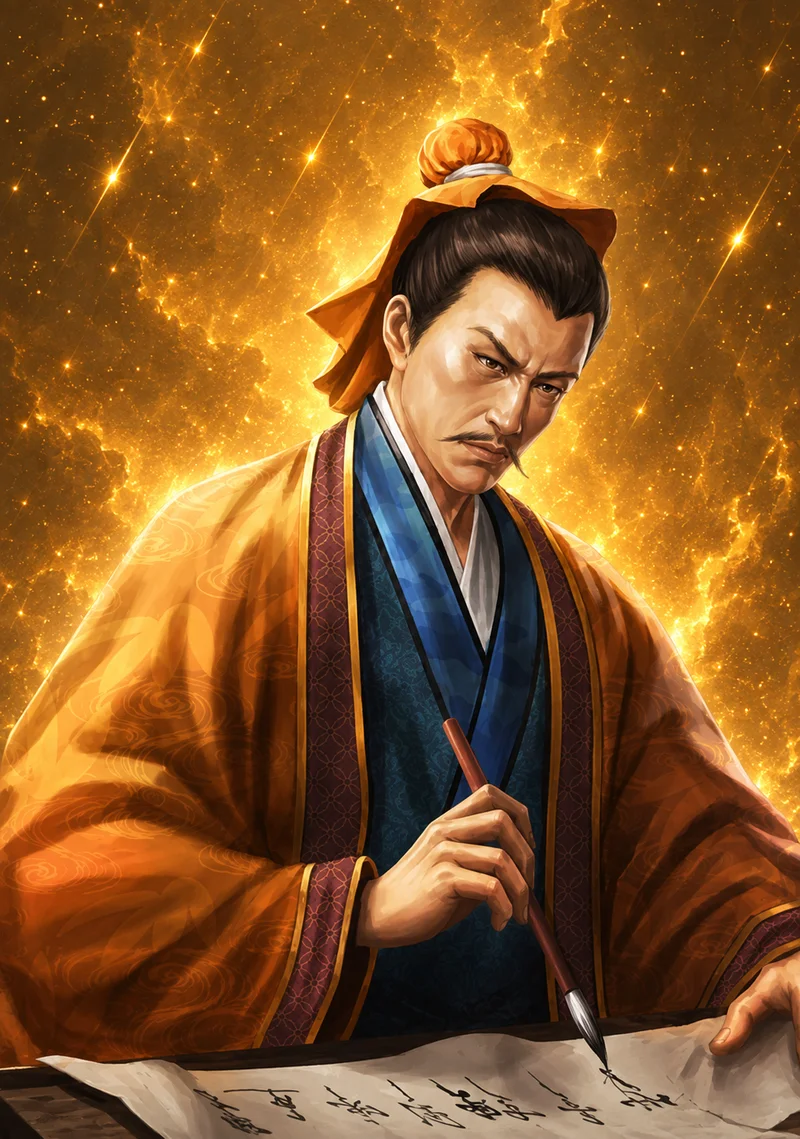
Xue Ying (died 282 AD) was an esteemed scholar, historian, and prominent minister from Pei Commandery during the late Three Kingdoms period. Inheriting the literary brilliance of his father, Xue Zong, he rose through the administrative ranks of Eastern Wu. Over his distinguished career, he served as Prefect of the Masters of Writing (Shangshu Ling) and Left Historian, actively contributing to vital official chronicles such as the Book of Wu and historical records of the Han dynasty.
Service Under Sun Hao and Western Jin
Navigating the volatile court of Sun Hao proved challenging. Despite suffering temporary exile to Guangzhou due to palace politics, he was recalled after senior ministers petitioned on his behalf. When imperial defenses collapsed against the Western Jin dynasty in 280 AD, he was tasked with drafting the formal surrender petition. Following the conquest, Emperor Wu of Jin (Sima Yan) received him in Luoyang with deep respect, appointing him Cavalier Attendant-in-Ordinary to compile state histories until his passing in 282 AD.
Role in Romance of the Three Kingdoms
In Luo Guanzhong’s historical novel Romance of the Three Kingdoms, Xue Ying appears as a dignified intellectual who preserved the cultural legacy of Southern scholars during dynastic transition.
Historical & Literary Milestones
Fall of Wu
Following the Jin conquest, he delivered the official surrender documents and moved to Luoyang to advise the new dynasty.
Passing in Jin
He passed away from illness in Luoyang while serving Emperor Wu of Jin.
Key Relationships
Family
- Xue Zong: Father; celebrated scholar, imperial tutor, and senior minister of Eastern Wu.
- Xue Xu: Elder brother; senior general and Minister of the Household who led campaigns in Jiaozhi.
- Xue Jian: Son; prominent Western Jin statesman who became Minister of Justice and one of the “Five Nobles of Jiangnan”.
Allies and Associates
- Wei Zhao: Respected historian who collaborated on the official Book of Wu.
- Hua He: Senior official who defended him against court slander and urged his recall from exile.
- Lu Ji: Renowned poet and scholar who praised his historiographical integrity.
- Sima Yan: Emperor Wu of Jin, who honored his talents by assigning him to compile dynastic histories.
Rivals and Adversaries
- Sun Hao: The volatile final ruler of Eastern Wu who banished him before demanding his aid in drafting the surrender petition.
- Cen Hun: Sycophantic court favorite whose influence marginalized dedicated traditional scholars.
- Wang Jun: Jin naval commander who accepted the surrender documents at Jianye.
In Novel
Chapter 120
- Xue Ying (薛莹, Tiết Oánh): Xue Ying serves as a Wu official during the final invasion by Jin. When Jin forces reach the Wu capital and Sun Hao considers suicide, Xue Ying advises the emperor to follow Liu Shan’s example and surrender rather than cause further destruction. His counsel contributes to Sun Hao’s decision to submit.
History
Summary
- Xue Ying (薛莹, Tiết Oánh) was an official and scholar of Eastern Wu and later Western Jin.
Scholarly Career
- Xue Ying was known for literary and historical learning and held official positions under Wu.
- He was associated with historical writing concerning the state of Wu.
Later Life
- After the fall of Wu, Xue Ying continued his career under Jin.
Classification
- Historical.