
Contents
Biography & Historical Record
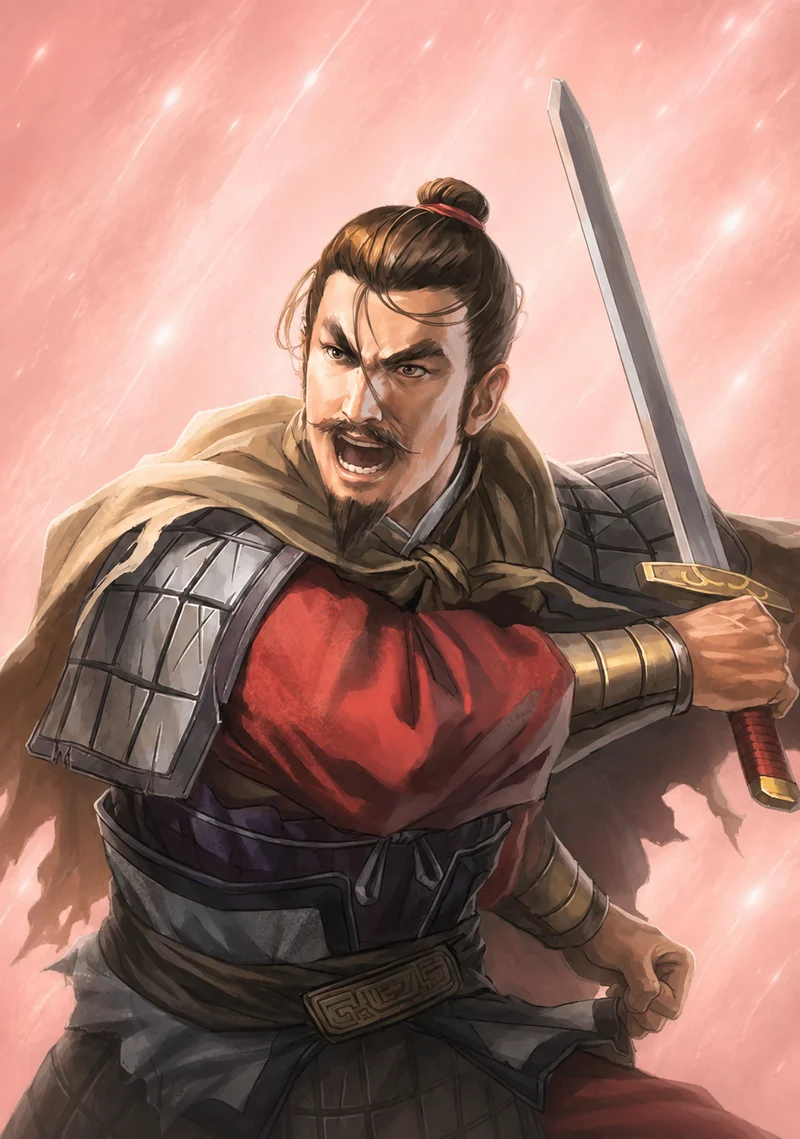
Zhang Yi (张翼, Trương Dực), courtesy name Bogong (伯恭, Bá Cung) (died 264 AD), was a Shu Han general and administrator from Wuyang County, Jianwei Commandery (犍为武阳; huyện Vũ Dương, quận Kiện Vi). Chen Shou’s Records of the Three Kingdoms traces his lineage to the Eastern Han ministers Zhang Hao and Zhang Gang. He must not be confused with the Warring States persuader Zhang Yi (张仪)—a different 汉字—or with the site’s duplicate/mis-tagged post at /zhang-yi/.
When Liu Bei (刘备, Lưu Bị) took Yi Province from Liu Zhang (刘璋, Lưu Chương), Zhang Yi served as a clerk, then rose through Jiangyang, Peiling, Zitong, Guanghan, and Shu commandery posts. In Jianxing 9 (231) he became Area Commander of Laixiang (庲降都督) and General of the Household Who Pacifies the South, replacing Li Hui (李恢, Lý Hôi) in charge of Nanzhong. His strict enforcement of Shu law provoked resentment; the local power Liu Zhou (刘胄) rebelled. Recalled before the rising was crushed, Zhang Yi refused to abandon the front—he kept moving grain and supplies until successor Ma Zhong (马忠, Mã Trung) arrived. Ma Zhong used that preparation to destroy Liu Zhou; Zhuge Liang (诸葛亮, Gia Cát Lượng) publicly praised Zhang Yi’s public-mindedness.
Zhuge Liang later used him as a front commander (including the Wuzhang / Wugong phase). After Zhuge Liang’s death he became Commander of the Front and Marquis of Guannei for the southern merit. Under Jiang Wei (姜维, Khương Duy) he rose to senior commands (including General Who Conquers the West / Guards the South, later Chariots and Cavalry of the Left) yet repeatedly argued that Shu was too small and exhausted for endless northern wars—famously urging a halt after the Tao River victory (“do not draw feet on a snake”). Jiang Wei disliked the opposition but still dragged him on campaigns. In 263 he held Jian’ge with Jiang Wei, surrendered with Liu Shan (刘禅, Lưu Thiện)’s regime to Zhong Hui (钟会, Chung Hội), and was killed in Chengdu when Zhong Hui’s 264 mutiny collapsed—one of the rare officers who served Shu from founding through fall (alongside figures such as Liao Hua (廖化, Liệu Hóa)).
In Romance of the Three Kingdoms, Chapter 87 casts him with Zhang Ni (张嶷, Trương Nghi) on the mountain roads during Zhuge Liang’s southern campaign: Zhang Ni takes Dong Tuna (董荼那, Đổng Trà Na); Zhang Yi takes Ahui Nan (阿会喃, A Hội Nam) after the Three Ravines camps break—feeding the “capture and release” cycle against Meng Huo (孟获, Mạnh Hoạch).
Role in Romance of the Three Kingdoms
Luo Guanzhong keeps Zhang Yi as a reliable Shu field officer across the southern and later northern arcs. His signature early scene is the road ambush that bags Ahui Nan while Zhao Yun and Wei Yan smash Jinhuan Sanjie’s camp—proof of Zhuge Liang’s map work. Later chapters reuse him as a steady colleague of Zhang Ni, Wang Ping, and Liao Hua on the frontiers and under Jiang Wei, echoing the historical tension between duty and dissent without inventing a separate Nanman biography for him.
Zhang Yi (张翼) — Historical & Literary Timeline
Enters Liu Bei’s Yi administration
Serves as secretary after Liu Bei takes Yi Province; later Filial and Incorrupt; county and commandery posts in the west.
Laixiang / Liu Zhou rising
Area Commander of Laixiang; strict law sparks Liu Zhou’s revolt; recalled yet stays to stock supplies until Ma Zhong finishes the war—praised by Zhuge Liang.
Captures Ahui Nan
On the mountain road after the Three Ravines night attack, Zhang Yi seizes Ahui Nan while Zhang Ni seizes Dong Tuna; Zhuge Liang releases both.
Northern front & late Shu ranks
Front command under Zhuge Liang; Guannei marquisate; rises under Jiang Wei while opposing endless expeditions; Tao River counsel to halt.
Jian’ge surrender; death in Chengdu
Defends Jian’ge with Jiang Wei, surrenders to Zhong Hui, killed in the Chengdu mutiny of early 264.
Primary biography: Records of the Three Kingdoms, Shu, Zhang Yi; Pei notes on ancestry. Novel southern capture is literary staging around the historical southern administrator.
Key Relationships
Family
- Zhang Wei (张微) — Son (Huayang Guozhi); later Grand Administrator of Guanghan under Western Jin (no dedicated site post—plain text).
Friends
- Zhuge Liang (诸葛亮, Gia Cát Lượng) — Praised his supply work during Liu Zhou’s revolt; employed him as front commander.
- Ma Zhong (马忠, Mã Trung) — Successor at Laixiang who finished Liu Zhou using Zhang Yi’s preparations.
- Zhang Ni (张嶷, Trương Nghi) — Novel partner on the Three Ravines roads (takes Dong Tuna while Zhang Yi takes Ahui Nan).
- Liao Hua (廖化, Liệu Hóa) — Fellow late-Shu veteran of long service.
- Wang Ping (王平, Vương Bình) — Colleague on southern and northern defensive work in novel/history tradition.
Enemies
- Liu Zhou (刘胄) — Nanzhong rebel against Zhang Yi’s Laixiang administration (plain text; no post).
- Ahui Nan (阿会喃, A Hội Nam) / Meng Huo (孟获, Mạnh Hoạch) — Novel southern opponents; Zhang Yi captures Ahui Nan for Zhuge Liang.
- Zhong Hui (钟会, Chung Hội) — Wei general whose Chengdu mutiny becomes the scene of Zhang Yi’s death.
Other
- Jiang Wei (姜维, Khương Duy) — Superior who resented Zhang Yi’s anti-expedition counsel yet kept him on staff.
- Liu Shan (刘禅, Lưu Thiện) — Shu emperor under whom Zhang Yi held late marquisates and senior generalships.
- Homonym warning: Do not link this 张翼 biography to /zhang-yi/ while that post still carries 张仪 data.
In Novel
Chapter 87
- Zhang Yi (张翼, Trương Dực): After Zhao Yun (赵云, Triệu Vân) and Wei Yan (魏延, Ngụy Diên) break the Three Ravines camps and kill Jinhuan Sanjie (金环三结, Kim Hoàn Tam Kết), Zhuge Liang (诸葛亮, Gia Cát Lượng)’s road ambushes bag the fleeing chiefs. Zhang Yi captures Ahui Nan (阿会喃, A Hội Nam) on the mountain path while Zhang Ni (张嶷, Trương Nghi) captures Dong Tuna (董荼那, Đổng Trà Na). Zhuge Liang unties and releases both—opening the southern “capture and release” cycle against Meng Huo (孟获, Mạnh Hoạch).
Later chapters (northern / late Shu)
- Zhang Yi (张翼, Trương Dực): Recurs as a dependable Shu commander alongside veterans such as Zhang Ni, Wang Ping (王平, Vương Bình), and Liao Hua (廖化, Liệu Hóa), and under Jiang Wei (姜维, Khương Duy) on the northern frontier—literary echo of the historical officer who served Shu from Liu Bei through the fall.
In History
Summary
- Zhang Yi (张翼, Trương Dực), courtesy name Bogong (伯恭, Bá Cung), was a real Shu Han general-administrator from Wuyang, Jianwei. SGZ Shu preserves his career from Liu Bei’s conquest of Yi through death in 264.
- He is not the Warring States diplomat Zhang Yi (张仪). Use slug
/zhang-yi-2/for 张翼 on this site.
Year: c. 214–230 AD
- Clerk under Liu Bei in Yi; Filial and Incorrupt; magistrate/prefect and Grand Administrator posts (Jiangyang, Peiling, Zitong, Guanghan, Shu).
Year: 231–233 AD
- Area Commander of Laixiang (庲降都督) and General of the Household Who Pacifies the South. Strict lawmaking contributed to Liu Zhou’s revolt. Recalled mid-campaign, he stayed to move grain until Ma Zhong arrived; Ma Zhong crushed Liu Zhou; Zhuge Liang praised Zhang Yi.
Year: 234–259 AD
- Front commander under Zhuge Liang (Wugong / Wuzhang phase); Marquis of Guannei; Secretariat and Jianwei controller; tiger tally; senior generalships. Under Jiang Wei he opposed continuous northern war (Tao River “feet on a snake” counsel) yet was still taken on expeditions; Jingyao 2 (259): Chariots and Cavalry of the Left, Inspector of Ji.
Year: 263–264 AD
- Held Jian’ge with Jiang Wei; surrendered to Zhong Hui; killed in Chengdu when Zhong Hui’s revolt failed (1st month of the following year). Son Zhang Wei later administered Guanghan (Huayang Guozhi).
Historical Record
- Records of the Three Kingdoms, Shu biography of Zhang Yi; Pei Songzhi notes on Zhang Hao / Zhang Gang ancestry; Huayang Guozhi on Zhang Wei.
- ROTK Ch.87 capture of Ahui Nan is novel dramatization of a southern Shu officer’s role—not a SGZ episode naming Ahui Nan.