
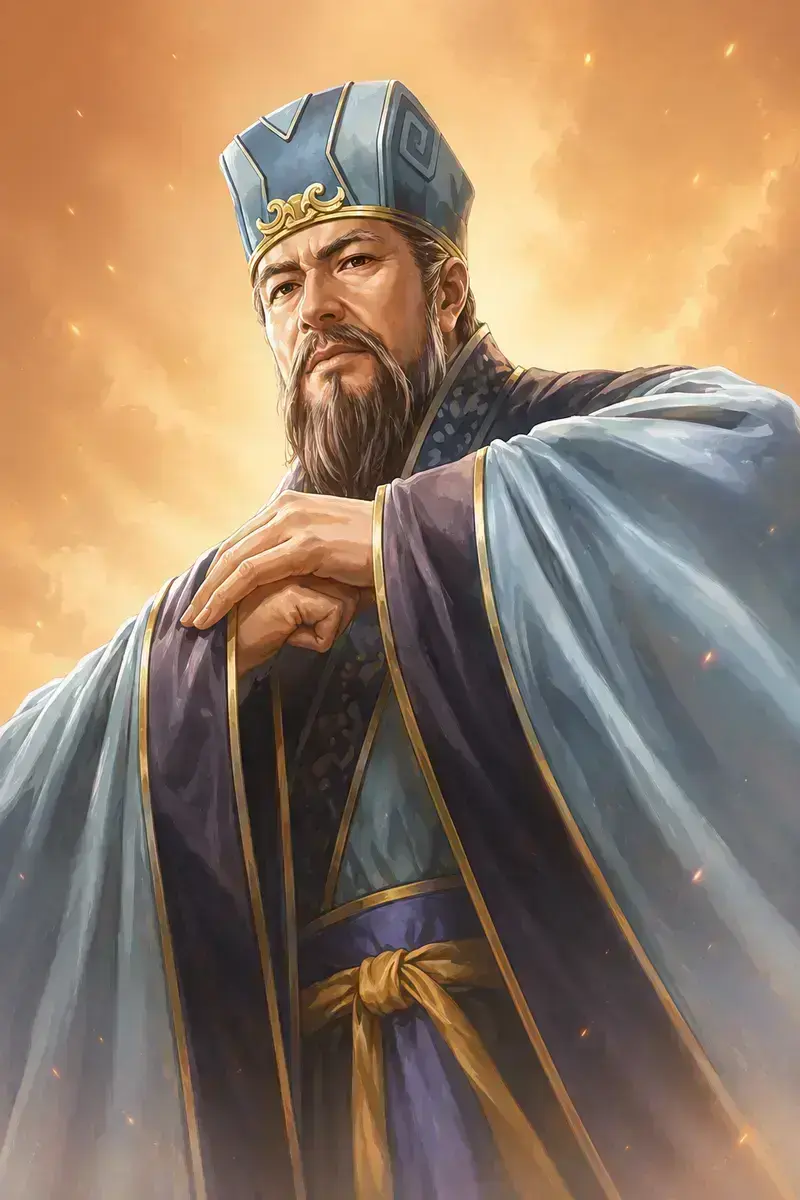



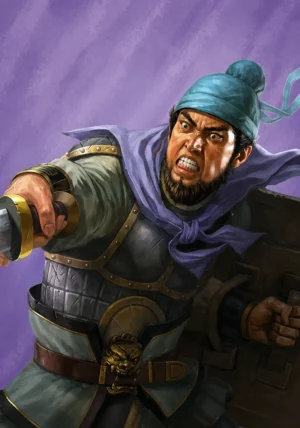


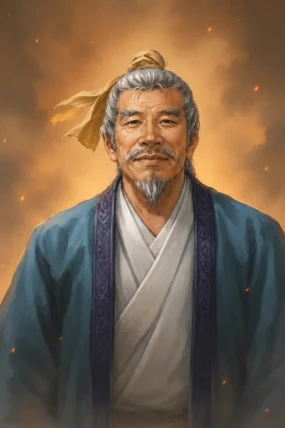
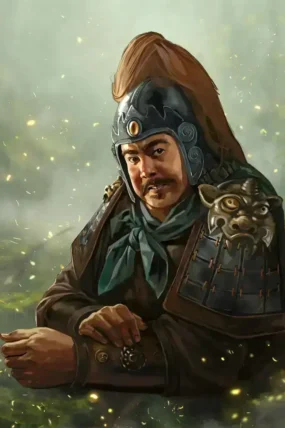
Here is the exhaustive biography of Liu Biao (劉表 / 刘表), courtesy name Jingsheng (景升) (c. 142 – August 208), the warlord who governed Jing Province for nearly two decades, incorporating historical records and the narrative of Romance of the Three Kingdoms.
Contents
Historical Career
Liu Biao was a native of Gaoping, Shanyang Commandery (Yan Province), a member of the Han imperial clan and one of the “Eight Paragons” of his generation. Tall and imposing in appearance, he was appointed Inspector of Jing Province by Dong Zhuo in 190 to restore order after the death of Wang Rui. With the aid of the Kuai brothers (Kuai Yue, Kuai Liang) and Cai Mao he eliminated local bandits and consolidated control. He was later promoted to Governor (mu) of Jing Province, General Who Pacifies the South, and Marquis of Chengwu. He maintained relative peace, attracted scholars, opened schools, and kept a cautious neutrality between Cao Cao and Yuan Shao. He sheltered Zhang Xiu and later Liu Bei (who was posted to Xinye). In 208, as Cao Cao advanced south, Liu Biao died of illness in August; his younger son Liu Cong (favoured by Lady Cai) succeeded and promptly surrendered Jing Province to Cao Cao.
Role in Romance of the Three Kingdoms
In the novel Liu Biao is portrayed as a cultured but indecisive ruler. At Yuan Shao’s instigation he ambushes Sun Jian (who is carrying the Imperial Seal) and is later responsible for Sun Jian’s death at Xiangyang. He receives Liu Bei warmly, considers entrusting Jing Province to him on his deathbed, but is prevented from making Liu Qi his heir by Lady Cai and Cai Mao; Liu Cong is installed instead. Liu Bei’s urging to attack Xuchang while Cao Cao is occupied in the north is rejected out of hesitation. The novel emphasises his lack of ambition and the fatal succession dispute that handed Jing Province to Cao Cao.
Family, Friends and Enemies
Family:
- Wife: Lady Cai (蔡氏)
- Sons: Liu Qi (劉琦, elder), Liu Cong (劉琮, younger, favoured by Lady Cai), Liu Xiu
- Nephews: Liu Pan, Liu Hu
Principal advisers / allies: Kuai Yue, Kuai Liang, Cai Mao, Zhang Xiu (ally), Liu Bei (guest for a time), Han Song (later executed after a diplomatic mission).
Principal adversaries: Sun Jian (killed in conflict with Liu Biao’s forces); Cao Cao (ultimate conqueror of Jing); Yuan Shu (earlier pressure).
Liu Biao (劉表) — Historical & Literary Timeline
190–192 AD — Appointment and Consolidation
Inspector then Governor of Jing
Appointed Inspector of Jing by Dong Zhuo; with Kuai Yue and others eliminated local rivals and established firm control. Promoted to Governor, General Who Pacifies the South, Marquis of Chengwu.
191–192 AD — Conflict with Sun Jian
Death of Sun Jian
Sun Jian attacked Jing; was defeated and killed (historically by an arrow; novel elaborates the ambush over the Imperial Seal). Liu Biao secured the middle Yangtze.
c. 200–208 AD — Neutrality, Liu Bei, and Death
Haven for Scholars & Final Years
Maintained neutrality in the Cao–Yuan struggle; sheltered Liu Bei at Xinye. Died of illness in August 208 just before Cao Cao’s southern campaign. Succession crisis: Liu Cong installed, then surrendered Jing to Cao Cao.
Historical Note
Historically Liu Biao was a capable administrator who brought nearly twenty years of relative peace and cultural flourishing to Jing Province, yet his caution and failure to resolve the succession left the province vulnerable. The novel heightens his indecisiveness, the drama of Sun Jian’s death, the warm but ultimately futile relationship with Liu Bei, and the palace intrigue of Lady Cai and Cai Mao that delivered Jing into Cao Cao’s hands. Both portrayals present a man of culture and restraint whose lack of decisive ambition shaped the strategic map of the Three Kingdoms.
For detailed historical records, archives, and official chronicles, explore Liu Biao on Wikipedia.
Key Relationships
Family
- Lady Chen (陈氏, Trần Thị): First wife. Mother of Liu Qi (刘琦, Lưu Kỳ).
- Lady Cai (蔡夫人, Sái Phu Nhân): Second wife. Daughter of Cai Feng; mother of Liu Cong (刘琮, Lưu Tông).
- Liu Qi (刘琦, Lưu Kỳ): Eldest son. Marginalized by the Cai faction and sent to govern Jiangxia.
- Liu Cong (刘琮, Lưu Tông): Younger son. Succeeded Liu Biao with Cai Mao’s backing and surrendered Jingzhou to Cao Cao (曹操, Tào Tháo) in 208.
- Liu Xiu (刘修, Lưu Tu): Third son. Scholar who later served Cao Wei.
- Liu Pan (刘磐, Lưu Bàn): Nephew. Valiant general who defended Changsha against Taishi Ci (太史慈, Thái Sử Từ).
- Cai Mao (蔡瑁, Sái Mạo): Brother-in-law. Commander of the Jingzhou naval forces and leading Cai-clan powerbroker.
Friends
- Kuai Yue (蒯越, Khoái Việt): Chief political strategist who enabled Liu Biao to pacify Jingzhou upon his arrival in 190.
- Kuai Liang (蒯良, Khoái Lương): Senior strategist who guided Liu Biao’s regional consolidation and the ambush that killed Sun Jian in the novel.
- Liu Bei (刘备, Lưu Bị): Kinsman and ally who took refuge in Jingzhou in 201; Liu Biao stationed him at Xinye as a northern bulwark.
- Huang Zu (黄祖, Hoàng Tổ): Senior commander who guarded Jiangxia against the Sun clan for seventeen years.
Enemies
- Sun Jian (孙坚, Tôn Kiên): Warlord of Changsha who invaded Xiangyang in 191 under Yuan Shu’s instigation and was killed by Liu Biao’s forces, starting a generational feud with Eastern Wu.
- Sun Ce (孙策, Tôn Sách): “The Little Conqueror” who repeatedly invaded Jingzhou to avenge his father.
- Sun Quan (孙权, Tôn Quyền): Ruler of Wu who conquered Jiangxia and killed Huang Zu in 208.
- Cao Cao (曹操, Tào Tháo): Northern rival whose 208 southern expedition reached Jing just as Liu Biao died of illness at Xiangyang.
- Yuan Shu (袁术, Viên Thuật): Southern warlord who cut supply lines and repeatedly pressured Jingzhou.
Other
- Han Song (韩嵩, Hàn Tung): Jing envoy sent to probe Cao Cao; historically detained and later entangled in the surrender politics of 208.
- Taishi Ci (太史慈, Thái Sử Từ): Wu-aligned commander who dueled and contested Liu Pan’s Changsha frontier for Sun Ce.
- Zhang Xiu (张绣, Trương Tú): Northern guest warlord whom Liu Biao sheltered at Wancheng as a buffer against Cao Cao before the Guandu years.
- Yuan Shao (袁绍, Viên Thiệu): Northern ally of convenience; correspondence urged Liu Biao to block Sun Jian and stay cautious in the Cao–Yuan struggle.
- Jing succession crisis (208): Lady Cai–Cai Mao faction vs Liu Qi; deathbed offers to Liu Bei in the novel; Liu Cong’s surrender delivered the middle Yangtze to Cao Cao and opened Red Cliffs.
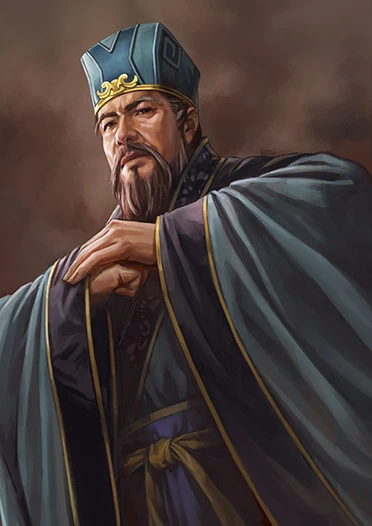
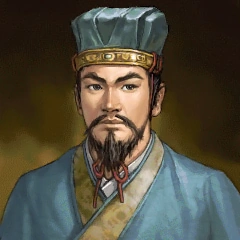









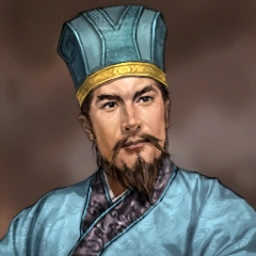
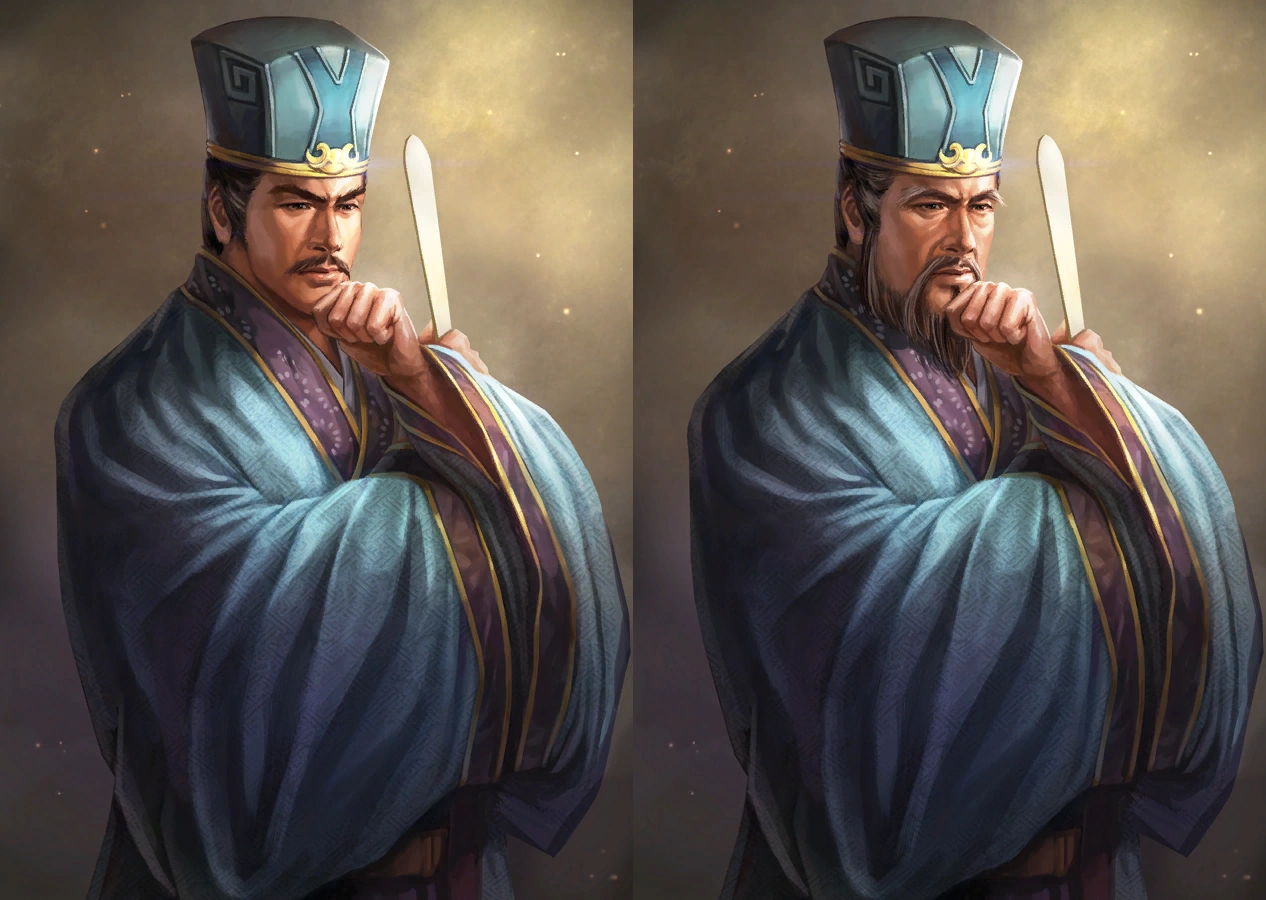
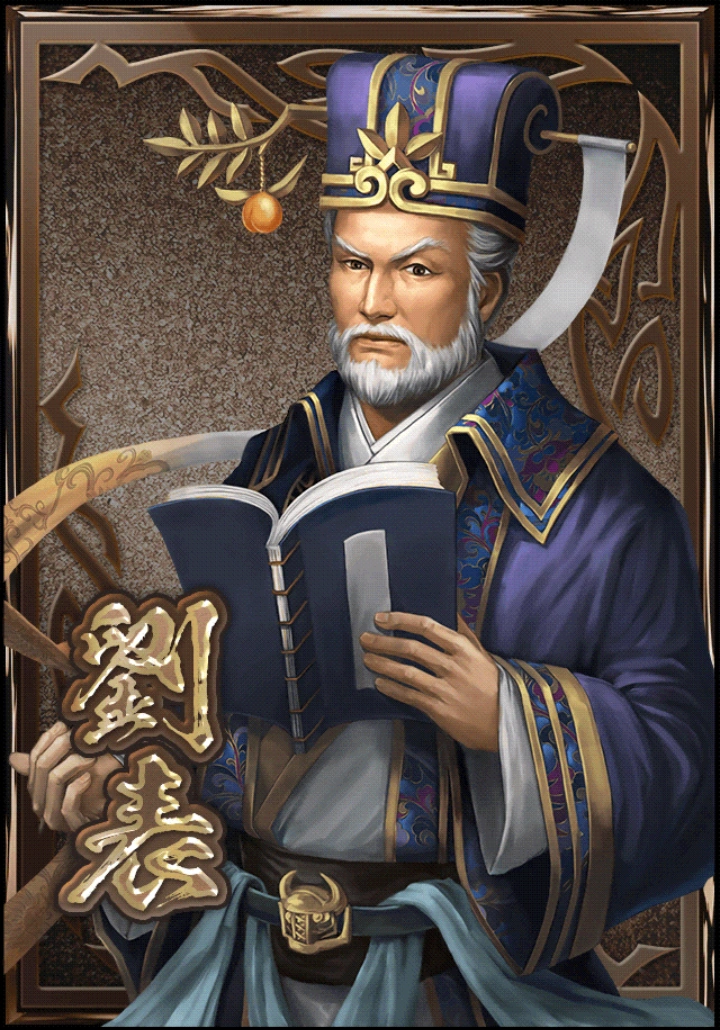
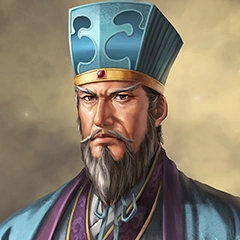
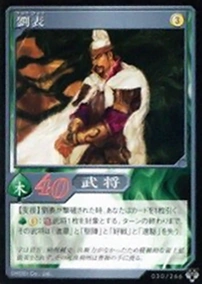
Appearance

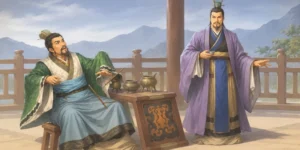
In Novel
Chapter 6
- Liu Biao (刘表, Lưu Biểu): Governor of Jingzhou, courtesy name Jingsheng (景升), who received secret correspondence from Yuan Shao (袁绍, Viên Thiệu) requesting him to intercept Sun Jian (孙坚, Tôn Kiên) on Sun Jian’s return to Jiangdong with the Imperial Jade Seal; Liu Biao dispatched Kuai Yue (蒯越, Khoái Việt) and Cai Mao (蔡瑁, Sái Mạo) with ten thousand troops to bar the mountain passes, resulting in a pitched battle between the two forces.
Chapter 7
- Liu Biao (刘表, Lưu Biểu): Defended Xiangyang against Sun Jian’s (孙坚, Tôn Kiên) retaliatory invasion; following Kuai Liang’s (蒯良, Khoái Lương) counsel, he utilized Lü Gong (吕公, Lã Công) to lure Sun Jian into a fatal rock-and-arrow ambush beneath Mount Yan, subsequently trading Sun Jian’s corpse for the captured commander Huang Zu (黄祖, Hoàng Tổ) and establishing a lasting truce with Jiangdong.
Chapter 23
- Liu Biao (刘表, Lưu Biểu): Entertained the eccentric and outspoken scholar Mi Heng (祢衡, Nễ Hành) sent by Cao Cao (曹操, Tào Tháo); recognizing Mi Heng’s uncontrollable tongue and refusing to bear the blame of killing a famous literary figure, Liu Biao tactically redirected Mi Heng to Administrator Huang Zu (黄祖, Hoàng Tổ) in Jiangxia.
Chapter 31
- Liu Biao (刘表, Lưu Biểu): Welcomed Liu Bei (刘备, Lưu Bị) with utmost courtesy and hospitality when Liu Bei fled Hebei after the Battle of Guandu, personally riding beyond the outskirts of Xiangyang to greet him and providing him shelter in Jingzhou.
Chapter 34
- Liu Biao (刘表, Lưu Biểu): Stationed Liu Bei (刘备, Lưu Bị) at Xinye as an outer shield against Cao Cao (曹操, Tào Tháo), but grew conflicted and hesitant over military opportunities due to his declining health and the intense factional rivalry between his eldest son Liu Qi (刘琦, Lưu Kỳ) and Lady Cai’s (蔡夫人, Sái phu nhân) kin.
Chapter 35
- Liu Biao (刘表, Lưu Biểu): Hosted the ceremonial banquet of the nine commanderies in Xiangyang, remaining completely unaware of Cai Mao’s (蔡瑁, Sái Mạo) secret assassination plot that prompted Liu Bei’s (刘备, Lưu Bị) leap across the Tan Torrent.
Chapter 39
- Liu Biao (刘表, Lưu Biểu): Fell critically ill in Xiangyang and repeatedly offered the governorship of Jingzhou to Liu Bei (刘备, Lưu Bị); upon his deathbed, he was isolated by the Cai clan, who prevented Liu Qi (刘琦, Lưu Kỳ) from seeing his father before he expired.
Chapter 40
In History
Period I
- Liu Biao (刘表, Lưu Biểu, tự Cảnh Thăng), courtesy name Jingsheng, was a member of the Han imperial clan and a native of Gaoping in Shanyang. He became known as one of the “Eight Worthies” and held several offices before the collapse of central Han authority.
Year: 190 AD
- Liu Biao (刘表, Lưu Biểu, tự Cảnh Thăng) was appointed Inspector of Jing Province. He gradually consolidated control over Jing Province and established his political base at Xiangyang.
Period II
- Liu Biao (刘表, Lưu Biểu, tự Cảnh Thăng) maintained relative stability in Jing Province while neighboring warlords competed for territory. He accepted scholars and refugees into his administration and became an important regional power.
Year: 208 AD
- Liu Biao (刘表, Lưu Biểu, tự Cảnh Thăng) became seriously ill while Cao Cao (曹操, Tào Tháo) prepared his southern campaign. He died in Xiangyang in the eighth month. After his death, his younger son Liu Cong (刘琮, Lưu Tông) succeeded him and soon surrendered Jing Province to Cao Cao.
Summary
- Liu Biao (刘表, Lưu Biểu, tự Cảnh Thăng) was a major late Eastern Han regional governor whose long rule over Jing Province made him one of the most important political figures in central China before the rise of the Three Kingdoms.
Historical Record
- Primary notices in Sanguozhi and standard Three Kingdoms reference works; cross-check novel scenes against history.
Gallery
2 comments
[…] Due to ongoing chaos in the Guanzhong region, Wang Can fled south in 192 CE to seek refuge under Liu Biao (刘表, Lưu Biểu) in Jing Province. He lived as a frustrated guest for over 16 years, unappreciated due to his short […]
[…] began under Liu Biao (刘表, Lưu Biểu) as a middle commandant in Nanyang, then served in Changsha under Liu […]