

Contents
Biography & Historical Record
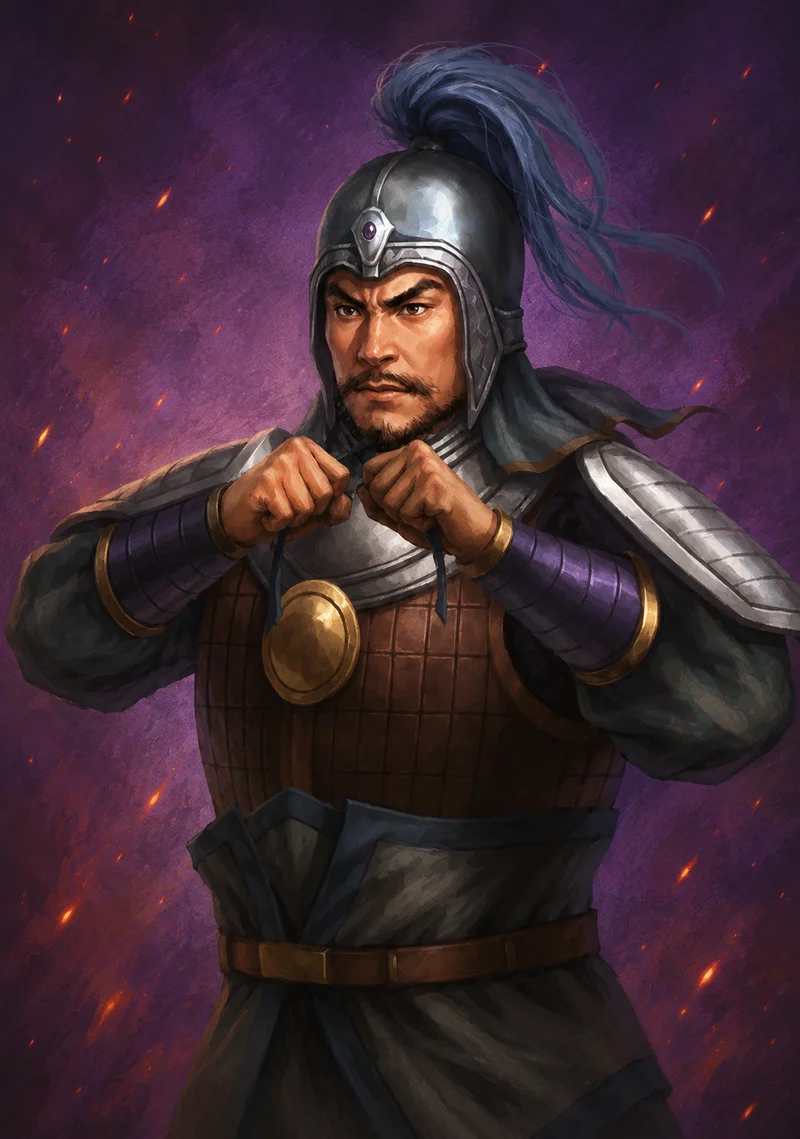
Bao Xin, courtesy name Yuncheng, was a prominent Eastern Han dynasty general, Administrator of Jibei, and early loyal ally of Cao Cao. Hailing from Pingyang County in Taishan Commandery (modern-day Xintai, Shandong Province), Bao Xin was the son of Bao Dan, a highly respected Han scholar. Documented in Chen Shou’s Records of the Three Kingdoms (Sanguozhi – Book of Wei, Biography of Lu Yu and Biography of Cao Cao, citing Wei Shu and Wei Zhao’s Books of Wei), Fan Ye’s Book of Later Han (Hou Han Shu), and Luo Guanzhong’s classic historical novel Romance of the Three Kingdoms, Bao Xin was universally respected for his quiet wisdom, deep strategic foresight, selflessness, and absolute loyalty to restoring order in China.
In his youth, Bao Xin was renowned for his frugal living, generosity, and high moral integrity. Despite hailing from a prominent gentry family, he lived simply, using his wealth to support impoverished scholars and recruit brave warriors. In 189 AD, Grand General He Jin summoned Bao Xin to the imperial capital Luoyang and appointed him as a Military Officer. Recognizing the rising political crisis caused by the Ten Eunuchs, He Jin dispatched Bao Xin back to his native Taishan Commandery to recruit elite soldiers. By the time Bao Xin returned to Luoyang with over a thousand recruited infantry and cavalry, He Jin had already been assassinated and the tyrannical warlord Dong Zhuo had seized control of the imperial court. Possessing remarkable political foresight, Bao Xin immediately recognized Dong Zhuo’s treasonous ambitions, warning Yuan Shao: ‘Dong Zhuo commands elite troops and harbors treacherous intent. If we do not eliminate him immediately, we will fall under his tyranny!’ However, Yuan Shao hesitated out of fear, prompting Bao Xin to lead his troops back to Taishan to prepare for war.
In 190 AD, when Cao Cao issued an imperial call to arms to overthrow Dong Zhuo, Bao Xin immediately mobilized his forces, appointing himself Administrator of Jibei and joining the coalition alongside his younger brother Bao Tao. While many coalition warlords like Yuan Shao and Yuan Shu engaged in internal feuding and banquet feasts, Bao Xin recognized Cao Cao as a true hero capable of saving the empire, forging a profound lifelong friendship with him. At the Battle of Sishui Pass and Xingyang, Bao Xin and Cao Cao advanced aggressively against Dong Zhuo’s forces. Though Bao Xin’s younger brother Bao Tao was killed in battle at Sishui Pass and Cao Cao was ambushed at Xingyang, Bao Xin remained steadfast in his support for Cao Cao, famously telling him: ‘A man of extraordinary wisdom who can unite the empire and restore order is you! If the coalition fails, only you can lead us.’
In 192 AD, a massive horde of over three hundred thousand Yellow Turban rebels from Qing Province invaded Yan Province, killing Inspector Liu Dai. Following Liu Dai’s death, Bao Xin played a decisive historical role in elevating Cao Cao to power by persuading the local gentry and officials of Yan Province to invite Cao Cao to assume the governorship as Inspector of Yan Province. Joining Cao Cao in the campaign to pacify Yan Province, Bao Xin accompanied Cao Cao to inspect the frontline terrain at Shouzhang. Unexpectedly, Cao Cao’s vanguard was ambushed by a massive force of Yellow Turban rebels before their main body could form ranks. Facing overwhelming enemy numbers, Bao Xin fought furiously at the front, throwing himself directly in front of Cao Cao to shield him from enemy spears. Bao Xin was killed in the chaotic battle at the age of forty-one, allowing Cao Cao time to break out of the encirclement. Devastated by the loss of his close friend and savior, Cao Cao offered a massive reward for Bao Xin’s body. When the corpse could not be found amidst the thousands of fallen soldiers, Cao Cao ordered a wooden statue carved in Bao Xin’s likeness and wept bitterly before it during funeral rites. Cao Cao later appointed Bao Xin’s sons Bao Shao and Bao Xun to high imperial posts to honor Bao Xin’s sacrifice.
Role in Romance of the Three Kingdoms
In Luo Guanzhong’s novel Romance of the Three Kingdoms, Bao Xin is introduced in Chapter 2, Chapter 5, and Chapter 6 as a passionate, loyal, yet overly eager coalition general. Serving as Administrator of Jibei during the eighteen-warlord coalition against Dong Zhuo in Chapter 5, Bao Xin becomes jealous that Sun Jian is chosen as vanguard commander at Sishui Pass. Seeking to steal the first victory for himself, Bao Xin secretly dispatches his younger brother Bao Tao with 3,000 troops through a side path to attack Sishui Pass. However, Dong Zhuo’s vanguard general Hua Xiong intercepts Bao Tao, slaying him in a single bout and routing the Jibei forces. Despite this early tragedy, Bao Xin remains loyal to the anti-Dong Zhuo cause and Cao Cao. In Chapter 6, after Dong Zhuo burns Luoyang and flees to Chang’an, Bao Xin joins Cao Cao in pursuing the fleeing tyrant, suffering an ambush by Xu Rong at Xingyang. Later in historical chapters, Bao Xin’s sacrifice saving Cao Cao from the Qing Province Yellow Turbans highlights his role as one of Cao Cao’s most devoted early patrons whose tragic death paved the way for Cao Cao’s control of Yan Province.
Bao Xin (鮑信) — Historical & Literary Timeline
189 AD — Recruiting Troops & Warning Yuan Shao
Recruiting Troops in Taishan & Urging Strike Against Dong Zhuo
Dispatched by He Jin to recruit troops in Taishan; returns to Luoyang, recognizes Dong Zhuo’s treacherous ambitions, and unsuccessfully urges Yuan Shao to strike Dong Zhuo immediately.
190 AD — Anti-Dong Zhuo Coalition & Death of Bao Tao
Joining the Coalition & Sishui Pass Tragedy
Joins the coalition as Administrator of Jibei; secretly sends his brother Bao Tao to attack Sishui Pass ahead of Sun Jian, resulting in Bao Tao being slain by Hua Xiong.
190 AD — Battle of Xingyang & Alliance with Cao Cao
Pursuing Dong Zhuo & Recognizing Cao Cao’s Genius
Joins Cao Cao in pursuing Dong Zhuo to Xingyang; recognises Cao Cao as the sole leader capable of restoring the Han dynasty and cements a sworn alliance.
192 AD — Historical Record
Elevating Cao Cao to Govern Yan Province
Following Liu Dai’s death against Qing Province Yellow Turbans, leads Yan Province gentry to invite Cao Cao to assume the governorship as Inspector of Yan Province.
192 AD — Historical Record
Sacrificing Life at Shouzhang & Wooden Statue Funeral
Fights furiously to shield Cao Cao during a surprise ambush by Yellow Turban rebels at Shouzhang; slain in action at age forty-one, enabling Cao Cao’s escape; mourned by Cao Cao with a wooden statue funeral.
For detailed historical records, archives, and official chronicles, explore Bao Xin on Wikipedia.
Key Relationships
Family
- Bao Dan (鲍丹, Bào Đan): Father of Bao Xin and a highly respected Han scholar.
- Bao Tao (鲍韬, Bào Thảo): Younger brother who recruited troops alongside Bao Xin and died fighting at the Battle of Xingyang in 190 AD.
- Bao Xun (鲍勋, Bào Huân): Son of Bao Xin who later served as a highly principled and outspoken official of Cao Wei.
Friends
- Cao Cao (曹操, Tào Tháo): Close ally and friend whom Bao Xin recognized early on as a unique leader capable of restoring order. Bao Xin ultimately sacrificed his life to save Cao Cao during the Yan Province Campaign against the Yellow Turbans in 192 AD.
- He Jin (何进, Hà Tiến): Grand General of the Han who summoned Bao Xin to the capital and commissioned him to recruit elite troops from Taishan during the Campaign against the Ten Eunuchs in 189 AD.
Enemies
- Dong Zhuo (董卓, Đổng Trác): Tyrannical warlord whose treacherous ambitions Bao Xin immediately recognized, leading Bao Xin to join the coalition to overthrow him during the Campaign against Dong Zhuo in 190 AD.
- Yellow Turban Rebels (黄巾军, Hoàng Cân Quân): Insurgent forces in Yan Province whom Bao Xin fought fiercely against, resulting in his death in battle in 192 AD.
Others
- Yuan Shao (袁绍, Viên Thiệu): Leader of the anti-Dong Zhuo coalition whom Bao Xin urged to launch a preemptive strike against Dong Zhuo in Luoyang, though Yuan Shao hesitated and declined the advice.
Comrades



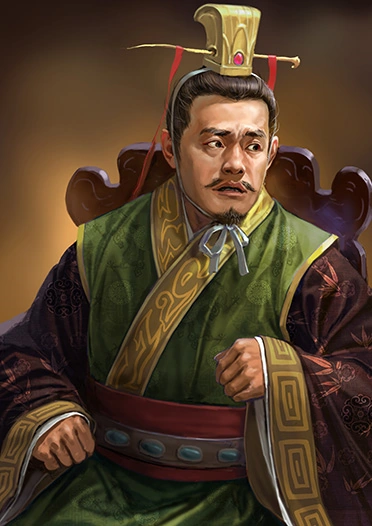


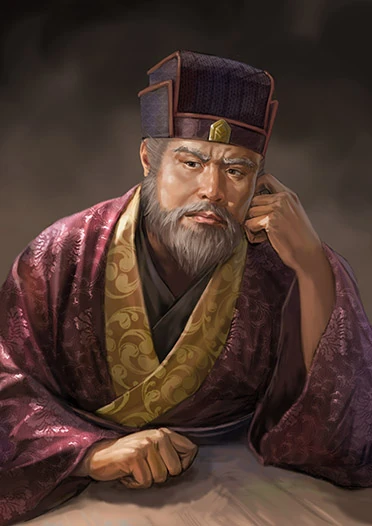
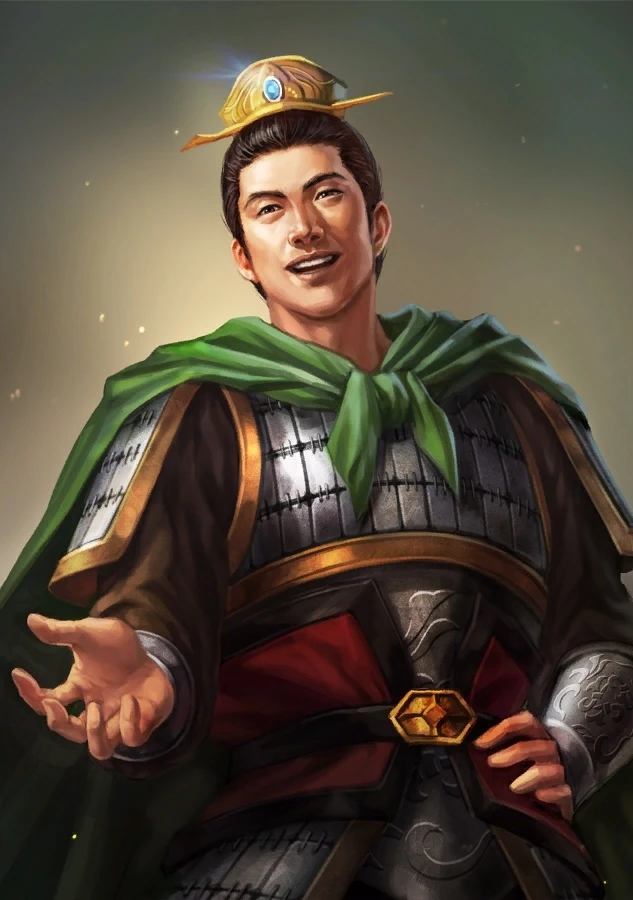

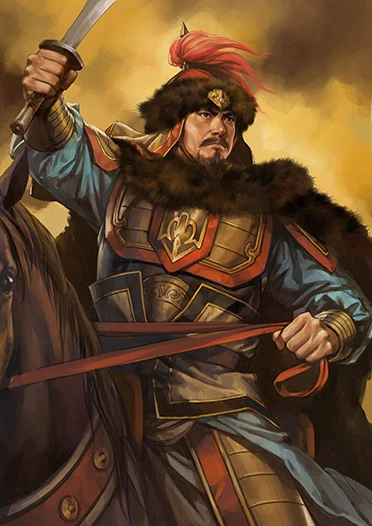
In Novel
Chapter 3
- Bao Xin (鲍信, Pháo Tín): Colonel of the Rear Army in the imperial court who recognized Dong Zhuo’s (董卓, Đổng Trác) treacherous ambitions immediately after rescuing the young Emperor Shao (少帝, Thiếu Đế) and urgently advocated Dong Zhuo’s assassination to Yuan Shao (袁绍, Viên Thiệu) and Wang Yun (王允, Vương Doãn) before withdrawing his division to Mount Tai.
Chapter 5
- Bao Xin (鲍信, Pháo Tín): Lord of Jibei who joined the eighteen-warlord anti-Dong Zhuo coalition as the ninth commander; seeking to preempt Sun Jian (孙坚, Tôn Kiên) in claiming first battle honors, he secretly sent his brother Bao Zhong (鲍忠, Bào Trung) to assault Sishui Pass, which resulted in Bao Zhong’s swift death at the hands of Hua Xiong (华雄, Hoa Hùng).
- Bao Xin (鲍信, Pháo Tín): Dispatched alongside seven other regional commanders under coalition orders to reinforce Hulao Pass and confront the formidable offensive launched by Lü Bu (吕布, Lã Bố).
Chapter 10
- Bao Xin (鲍信, Pháo Tín): Allied with Cao Cao (曹操, Tào Tháo) in 192 AD to pacify hundreds of thousands of resurgent Qingzhou Yellow Turban rebels in Shouyang, where he charged into the enemy vanguard and was slain in battle, prompting Cao Cao to recover his remains and honor him with a grand state funeral.
In History
Year: 190 AD
- Bao Xin (鲍信, Bào Tín) responded to the coalition against Dong Zhuo (董卓, Đổng Trác) and raised troops together with his younger brother Bao Tao (鲍韬, Bào Thao). Bao Xin was appointed Acting General Who Destroys the Barbarians. He regarded Cao Cao (曹操, Tào Tháo) as a particularly capable leader and formed a close political relationship with him.
Year: 190 AD
- Bao Xin (鲍信, Bào Tín) fought alongside Cao Cao against Dong Zhuo’s forces at the Battle of Bian River. The coalition army was defeated; Bao Tao was killed and Bao Xin was wounded.
Year: 191 AD
- Bao Xin (鲍信, Bào Tín) advised Cao Cao to develop a power base in Henan while other warlords were competing for territory. After Cao Cao was appointed Administrator of Dong Commandery, Cao Cao recommended Bao Xin as Chancellor of Jibei.
Year: 192 AD
- Bao Xin (鲍信, Bào Tín) opposed Liu Dai (刘岱, Lưu Đại)‘s plan to attack the large Yellow Turban force entering Yan Province, warning that the rebels had the numerical advantage. Liu Dai ignored the warning, was defeated and killed, and Bao Xin then joined local officials in inviting Cao Cao to take control of Yan Province.
Year: 192 AD
- Bao Xin (鲍信, Bào Tín) accompanied Cao Cao to inspect the battlefield near Shouzhang and was suddenly attacked by the Yellow Turbans before the rear of the army arrived. Bao Xin fought to cover Cao Cao’s withdrawal and was killed in the action. Cao Cao later mourned him and had a wooden image made for a funeral sacrifice because Bao Xin’s body could not be found.
Year: 212 AD
- Bao Xin (鲍信, Bào Tín)‘s contribution was posthumously remembered by Cao Cao. His son Bao Shao (鲍邵, Bào Thiệu) received the title Marquis of Xindu, while another son, Bao Xun (鲍勋, Bào Huân), was appointed to serve in Cao Cao’s administration.
Historical Status
- Bao Xin (鲍信, Bào Tín) was a real historical military commander, politician, and regional leader of the late Eastern Han. His biography is recorded in the historical tradition of the Sanguozhi, with additional material preserved in Pei Songzhi’s annotations.
Historical Record
- Primary notices in Sanguozhi and standard Three Kingdoms reference works; cross-check novel scenes against history.
Gallery


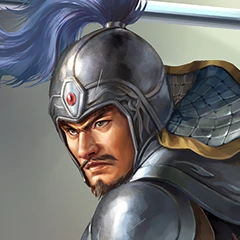
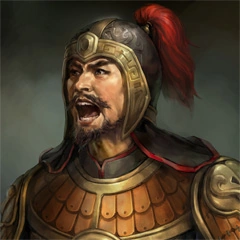
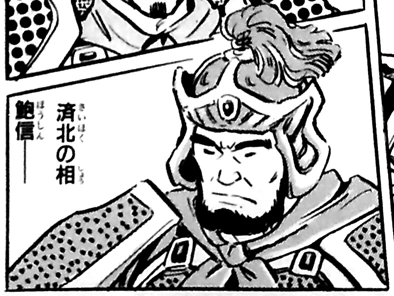
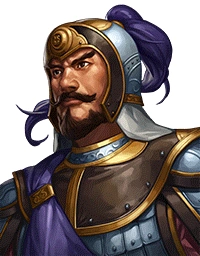
Famous Allusion
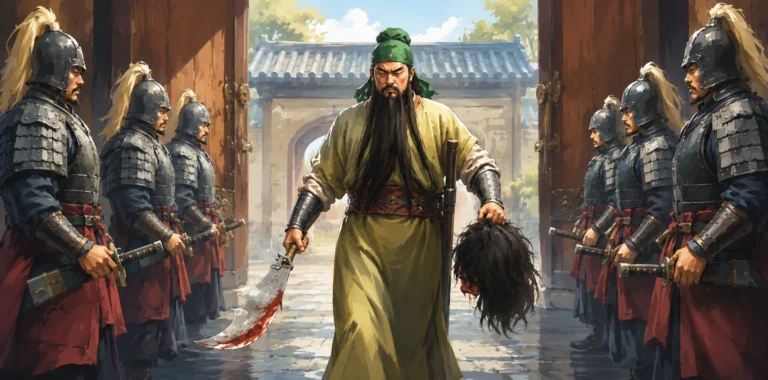
温酒斩华雄, Wēn Jiǔ Zhǎn Huá Xióng, Ôn Tửu Trảm Hoa Hùng
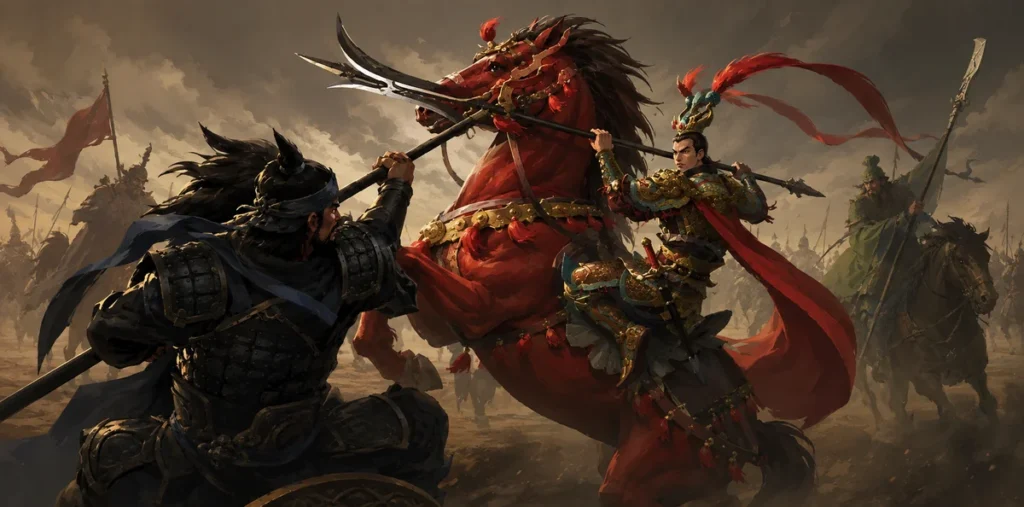
Three Heroes Battle Lu Bu at Hulao Pass - Tam Anh Chiến Lữ Bố
3 comments
Khác với Bào Long (nhân vật phụ hư cấu), Bào Tín (鮑信) là một nhân vật có thật trong lịch sử thời Đông Hán, đồng thời cũng xuất hiện trong tiểu thuyết Tam Quốc Diễn Nghĩa của La Quán Trung. Ông là một chư hầu quan trọng, vừa là bạn thân vừa là “ân nhân cứu mạng” của Tào Tháo.
1. Thông tin cá nhân & Thân thế
2. Cha mẹ, Vợ chồng & Con cái
3. Nguyên nhân cái chết
4. Đánh giá & Tầm ảnh hưởng
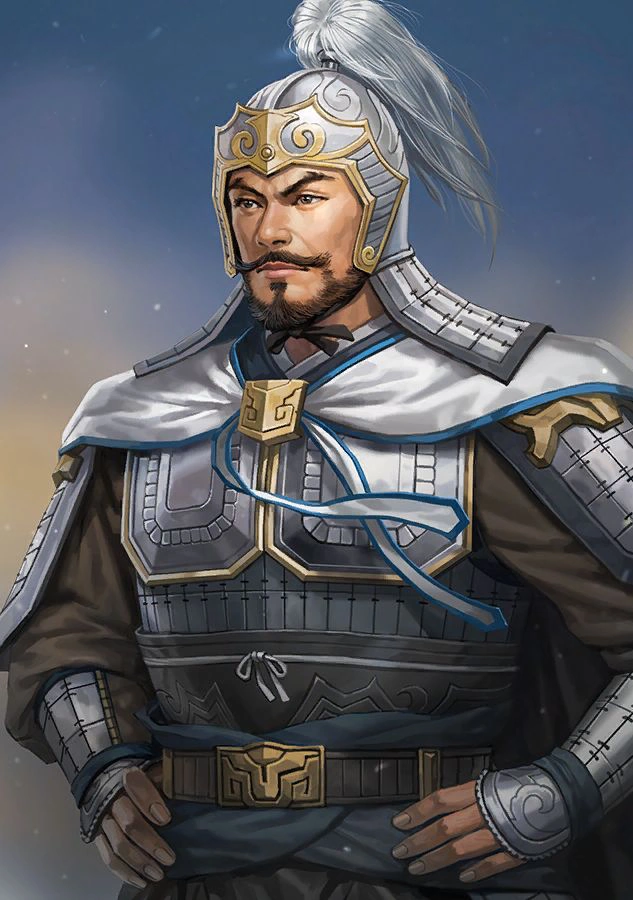
Bao Xin (onyomi: Hō Shin) is a general of Liu Dai who later invited Cao Cao to govern Yan Province. He was soon after killed by Yellow Turban remnants in an attempt to pacify the province.
Historical Information
Bao Xin was from a Confucian family in Taishan commandery in Yan Province. He entered the service of the imperial army and worked his way up to become Chief Commandant of the Cavalry. Following He Jin‘s orders, Bao Xin worked alongside Wang Kuang to recruit troops. However, upon his return to Luoyang, He Jin had died and Dong Zhuo had taken control of the city. Bao Xin urged Yuan Shao to attack Dong Zhuo immediately in Luoyang, but Yuan Shao refused. He was appointed as the chancellor of Jibei State. It is a self-proclaimed position actually “recommended” by Cao Cao. Later, he joined the campaign against Dong Zhuo. Some records state that Bao Xin assisted Cao Cao in his pursuit of Dong Zhuo and was defeated by Xu Rong and wounded, and his younger brother Bao Tao was killed in battle. Bao Xin reportedly became dissatisfied with Yuan Shao early on. He told Cao Cao, “As the leader of the alliance, Yuan Shao will create chaos and become the next Dong Zhuo. You should build up your strength south of the Yellow River.”
In 192, Yan Province came under attack from remnants of the Yellow Turban rebels. The governor of Yan, Liu Dai, wished to attack the rebels, but Bao Xin advised against it. Liu Dai ignored Bao Xin and led his forces to attack the Yellow Turbans in Dongping, where he was killed in battle. Bao Xin gathered Liu Dai’s remnant forces and led them to Dongjun. Later that year, Cao Cao led a force from Chenliu to destroy the rebels and take control of Yan Province. Bao Xin met Cao Cao personally and invited him to become the new Inspector of Yan Province. Bao Xin joined Cao Cao’s attack on the Yellow Turban fortress in Shouzhang but was killed during the conflict. It is said that Bao Xin risked his life to rescue Cao Cao, but ended up being killed. Cao Cao hoped to pay a ransom to the Yellow Turban rebels in exchange for Bao Xin’s body, but failed, so he carved a wooden statue of Bao Xin to commemorate him.
Yu Jin, a centurion under Bao Xin, later became Cao Cao’s favorite general.
Bao Xin’s son, Bao Xun, served as a minister of Cao Cao and Cao Pi. His outspoken nature made Cao Pi demote him several times until he was executed for his behavior.
Romance of the Three Kingdoms
In the novel, Bao Xin served as the Commandant of the Rear Army under the Han Dynasty. In 189, Bao Xin received a letter from He Jin encouraging him to join the fight against the Ten Eunuchs. Bao Xin accepted and led his forces to the capital, only to see that the eunuchs had been massacred. He, Wang Yun, and others then formed a search party to find Emperor Shao and his younger brother Liu Xie. They found them and led them back to Luoyang. On the way back, they met Dong Zhuo and his army, who escorted them to the capital. Later, Bao Xin urged Yuan Shao to attack Dong Zhuo, suspecting that the general might want to take power from himself. Yuan Shao refused to listen and Bao Xin left the capital.
Bao Xin then joined the alliance against Dong Zhuo together with his younger brother Bao Zhong and his general Yu Jin. He grew weary of Sun Jian and, in an attempt to gain glory for himself, he disobeyed Yuan Shao’s orders and sent Bao Zhong to attack Sishui Gate. However, Bao Zhong was struck down by Hua Xiong with one blow. After Hua Xiong’s death, Bao Xin and the other lords attacked Lu Bu at Hulao Gate and forced him to withdraw, but the alliance against Dong Zhuo eventually broke apart.
Bao Xin eventually joined forces with Cao Cao. They lead their forces to Shouzhang in an attempt to destroy the Yellow Turban rebels. However, Bao Xin was ambushed during the battle by numerous Yellow Turban soldiers and slain. After the battle, Cao Cao ordered his men to build a wooden statue of Bao Xin and held his funeral with the wooden statue in place of Bao Xin.
Source: https://koei.fandom.com/wiki/Bao_Xin
Bào Tín (鮑信), tên tự là Doãn Thành (允誠), sinh năm 152 SCN tại huyện Bình Dương (平陽縣), thuộc quận Thái Sơn / Diễn Châu (泰山郡) (ngày nay thuộc vùng Tân Thái / Thái An, tỉnh Sơn Đông). Ông xuất thân từ một danh gia vọng tộc kiệt xuất, tự nhận là hậu duệ của Bào Thúc Nha (鮑叔牙) — vị Tướng quốc nổi tiếng của nước Tề thời Xuân Thu.
Cha của ông là Bào Đan (鮑丹), một danh sĩ kiêm quan lại uy tín của nhà Hán. Bào Tín có một người em trai là Bào Thảo (鮑韜, một số tài liệu lịch sử ghi là Bào Huân), cùng hai người con trai nổi danh: Bào Thiệu (鮑邵) — người thừa kế tước vị của ông và phụng sự nhà Tào Ngụy, và Bào Huân (鮑勛) — người sau này trở thành vị Đình úy nổi tiếng dưới thời Tào Phi trước khi bị hành quyết vì tính cách chính trực, không bao giờ chịu thỏa hiệp.